Tata Titiana
Indonesia’s tourism landscape is inextricably linked to its colonial past, a history that has left an indelible mark on its architectural heritage. Beyond the well-trodden paths of ancient temples and natural wonders, a fascinating aspect of this legacy lies within the enduring presence of several historic hotels, originally established during the Dutch East Indies era, which continue to welcome guests today. These establishments are not merely places of accommodation; they are living museums, silent witnesses to pivotal moments in Indonesian history and testaments to the evolving narrative of hospitality in the archipelago.
The dawn of modern tourism in Indonesia is often traced back to the 19th century, a period that coincided with the opening of the Suez Canal. This maritime marvel significantly shortened travel times from Europe to the East, ushering in an era of increased trade and, subsequently, leisure travel. European passenger ships began to frequent the Indonesian archipelago, bringing with them a new demographic of travelers – affluent tourists eager to explore the exotic allure of the Dutch East Indies. To cater to this burgeoning demand, the colonial administration, along with private investors, embarked on the construction of a series of hotels, primarily on the island of Java. These ambitious projects were designed to offer a taste of European comfort and luxury amidst tropical splendor, laying the groundwork for Indonesia’s modern hospitality industry.
While many structures from the colonial era have since been repurposed or have fallen into disrepair, a remarkable number of these pioneering hotels have not only survived but have also thrived, adapting to contemporary standards while preserving their historical grandeur. These establishments offer a unique opportunity to step back in time, to experience the elegance and architectural styles of a bygone era, and to connect with the rich tapestry of Indonesia’s past. This article delves into some of these remarkable hotels, exploring their historical significance, architectural merits, and their continued role in Indonesia’s vibrant tourism sector.
Hotel Indonesia Kempinski: A Landmark of Modern Indonesia
Perhaps one of the most iconic symbols of Indonesia’s post-independence era, the Hotel Indonesia Kempinski in Jakarta stands as a monumental testament to the nation’s aspirations and its integration into the global stage. Originally conceived as a symbol of Indonesian sovereignty and modernity, its construction was initiated by President Sukarno. The hotel was officially inaugurated in 1962, coinciding with the IV Asian Games held in Jakarta, a significant event that showcased Indonesia’s growing prominence in international sports and diplomacy.
The story of its genesis is interwoven with the geopolitical shifts of the time. While the article mentions it was built from "Japanese war spoils," historical accounts suggest that its funding was a complex undertaking, involving a blend of national resources and international cooperation, reflecting the nation’s drive for self-sufficiency and international engagement. The hotel was designed by the renowned American architect Allan G. Wallace, with the collaboration of Indonesian architects. Its modernist design, characterized by clean lines and grand public spaces, was a departure from the traditional European colonial architecture prevalent at the time, signaling a new aesthetic direction for the young republic.
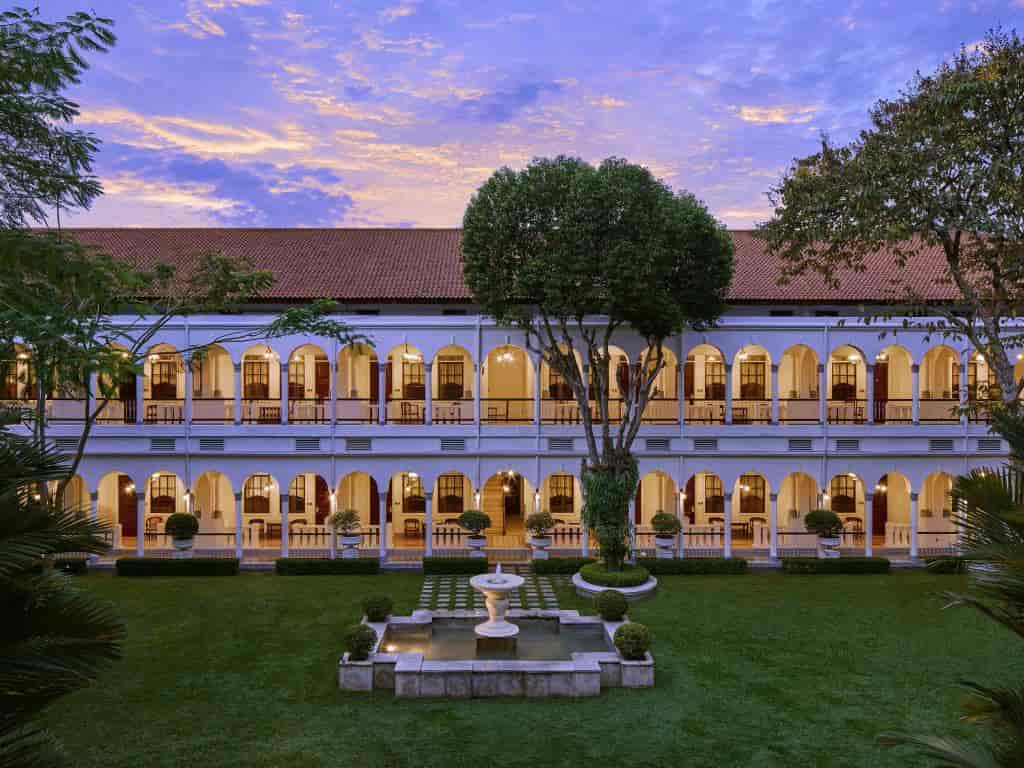
As the first five-star luxury hotel in Indonesia, Hotel Indonesia Kempinski set a new benchmark for hospitality. Its towering structure dominated the Jakarta skyline, becoming a focal point for state events and a favored accommodation for visiting dignitaries. Its historical significance was further underscored in 2020 when it hosted King Willem-Alexander and Queen Máxima of the Netherlands during their state visit. Their stay in the hotel’s premium suites, reportedly equipped with bulletproof glass, highlighted the enduring connection between the two nations and the hotel’s continued status as a venue befitting royalty.
The hotel has undergone significant renovations and rebranding over the years, most notably becoming part of the Kempinski Hotels group in 2009. This transformation has aimed to blend its historical essence with contemporary luxury, ensuring its relevance in the modern hospitality landscape. Despite these upgrades, the hotel retains many of its original architectural features and continues to be a symbol of Jakarta’s dynamism. Its location in the heart of the city, near key business and cultural attractions, makes it a popular choice for both international and domestic travelers.
Hotel Majapahit Surabaya: A Witness to Surabaya’s Heroic Spirit
Hotel Majapahit in Surabaya holds a profound place in Indonesia’s struggle for independence, particularly for its role in a pivotal event that solidified the city’s reputation as the "City of Heroes." Established in 1910 by the Armenian Sarkies brothers, renowned for their hospitality ventures across Southeast Asia, the hotel was initially known as the Hotel Oranje, a name that clearly evoked its Dutch colonial roots. During the Japanese occupation, it was renamed Hotel Yamato, reflecting the changing tides of power.
The hotel’s most indelible mark on history occurred in September 1945, shortly after Indonesia’s declaration of independence. Following the Allied forces’ arrival in Surabaya and the subsequent hoisting of the Dutch flag above the hotel, a spontaneous and fierce protest erupted. Indonesian youths, fueled by patriotic fervor, stormed the hotel and, in a dramatic act of defiance, tore off the blue stripe of the Dutch flag, transforming it into the red and white of the Indonesian national flag. This act of courage became a potent symbol of Indonesian resistance and is commemorated annually in Surabaya.
The architectural style of Hotel Majapahit is a beautiful example of colonial-era design, blending European elegance with tropical adaptations. Its grand facade and meticulously preserved interiors transport guests to an era of opulence. Over the decades, it has been a favored lodging for prominent figures and a venue for significant social and political gatherings. Its transformation from Hotel Oranje to Hotel Yamato and finally to Hotel Majapahit is a narrative mirroring Indonesia’s own journey through different historical periods.
Today, managed by AccorHotels under the MGallery brand, Hotel Majapahit continues to embrace its heritage while offering modern amenities. The preservation of its historical elements, including the iconic ballroom where the flag-ripping incident took place, allows guests to connect directly with this significant chapter of Indonesian history. Its central location in Surabaya makes it an accessible and culturally rich destination for visitors seeking to understand the city’s heroic past.
Royal Ambarukmo Yogyakarta: A Royal Legacy in the Cultural Heart
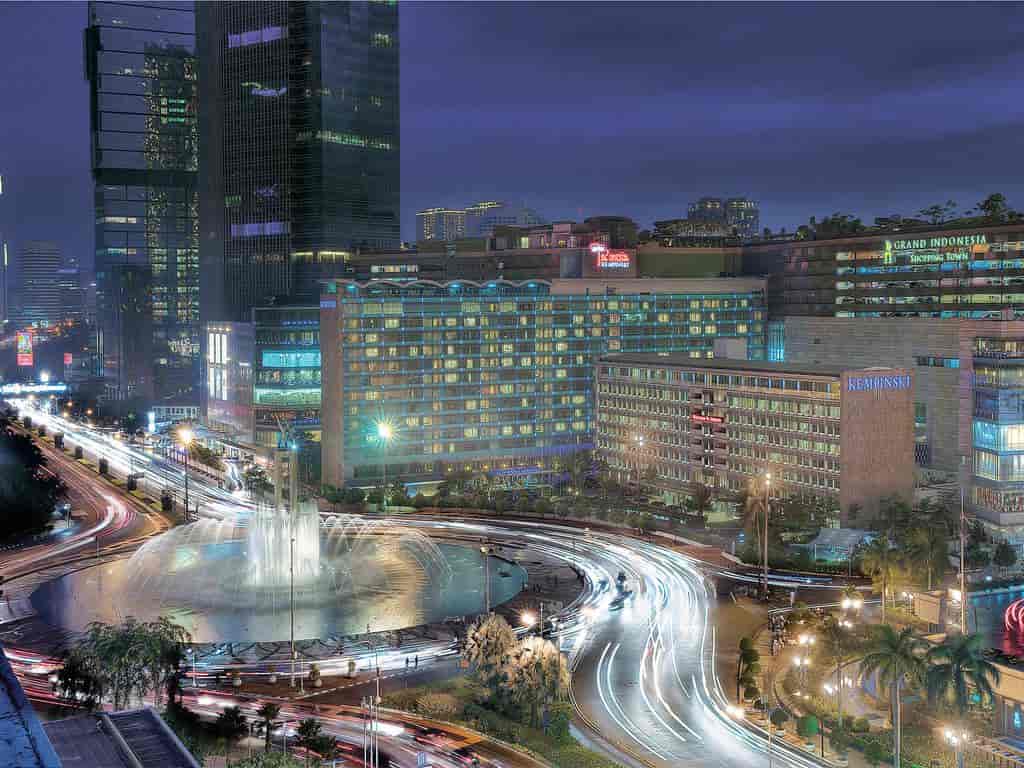
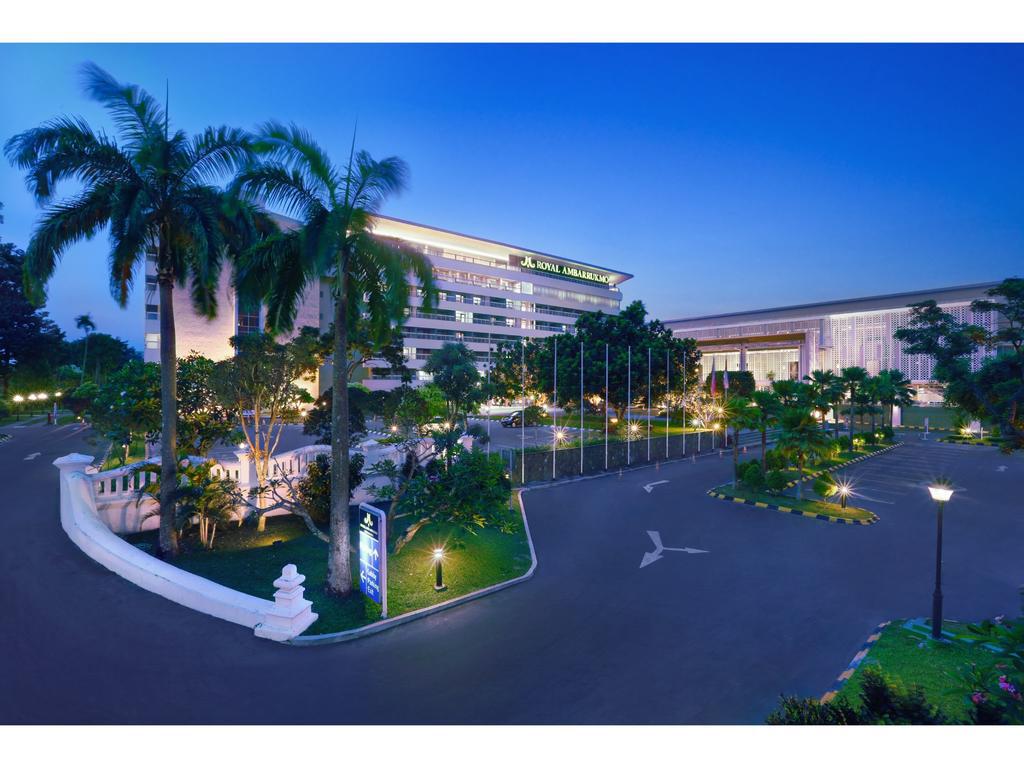
Nestled in the cultural heart of Yogyakarta, the Royal Ambarukmo stands as a testament to the enduring influence of Javanese royalty and their embrace of modern development. This five-star luxury hotel traces its origins back to the initiative of Sultan Hamengku Buwono V, who envisioned a sophisticated accommodation that would complement the regality of the Yogyakarta Sultanate. Its establishment in 1966 marked a significant moment, as it was one of the first four hotels in Indonesia to be promoted by President Sukarno as international-standard establishments.
The hotel’s design seamlessly integrates traditional Javanese architectural elements with contemporary luxury. Its sprawling grounds and elegant suites reflect the refined aesthetics of the royal court, while its comprehensive facilities cater to the discerning modern traveler. The inclusion of amenities such as a golf course, game rooms, and a poolside bar underscores its commitment to providing a complete luxury experience.
The Royal Ambarukmo’s historical significance is deeply intertwined with the legacy of the Sultanate of Yogyakarta, a region that has maintained a unique autonomous status within Indonesia. The hotel’s connection to the royal family adds a layer of cultural authenticity and historical depth, offering guests a glimpse into the Javanese way of life and its rich traditions. Its strategic location in Yogyakarta, a city renowned for its cultural heritage, vibrant arts scene, and proximity to historical sites like Borobudur and Prambanan, further enhances its appeal.
As a part of the Dusit Thani group, the Royal Ambarukmo continues to uphold its legacy of royal hospitality, blending timeless elegance with world-class service. It remains a preferred choice for travelers seeking an immersive cultural experience coupled with luxurious comfort, embodying the spirit of both tradition and modernity.
Hotel Savoy Homann Bandung: Art Deco Elegance and Historical Encounters
Hotel Savoy Homann in Bandung is a distinguished architectural gem that embodies the Art Deco movement and has played host to some of the 20th century’s most influential figures. Located on Jalan Asia-Afrika, a thoroughfare steeped in historical significance, the hotel’s original design, conceived in 1939 by Dutch architect Albert Aalbers, was inspired by the undulating forms of the ocean waves, a bold and innovative concept for its time. The hotel was officially named Savoy Homann in 1940, a move that solidified its prominent position in the city’s hospitality scene.
The hotel’s history is marked by its association with luxury and exclusivity. The Homann family, who originally owned the establishment, were renowned for their culinary prowess, particularly Ibu Homann’s celebrated rijsttafel, a lavish Indonesian feast. This culinary heritage, combined with the hotel’s striking Art Deco architecture, made it a magnet for the elite and a venue for significant social events. Notably, the hotel holds the distinction of having hosted the legendary silent film star Charlie Chaplin during his visit to Bandung.
Bandung itself, during the colonial era, was a popular destination for European expatriates seeking respite from the heat of the lowlands, and hotels like Savoy Homann provided them with a sophisticated urban retreat. The hotel’s design is a striking example of how European architectural trends were adapted and reinterpreted in the colonial context, often incorporating local materials and responding to the tropical climate.
Over the years, Hotel Savoy Homann has undergone various renovations and management changes, yet its Art Deco facade and elegant interiors remain a powerful draw. Its location on Jalan Asia-Afrika is particularly poignant, given that this street was the site of the historic 1955 Asian-African Conference, a landmark event that brought together leaders from newly independent nations and significantly influenced the Non-Aligned Movement. The hotel’s proximity to this site of global historical importance further enhances its narrative.
Today, the hotel continues to operate, offering guests a unique opportunity to experience the glamour of a bygone era. Its enduring charm lies in its ability to transport visitors back to the sophisticated ambiance of the Art Deco period, making it a vital part of Bandung’s historical and architectural heritage.
Inna Bali Heritage Hotel: Pioneering Luxury in the Island of the Gods
The Inna Bali Heritage Hotel in Denpasar holds the distinction of being the first luxury accommodation established on the island of Bali, a testament to the island’s burgeoning appeal as a tourist destination in the early 20th century. Opened on August 22, 1927, it emerged at a time when international travel to Bali was growing, facilitated by steamship companies like the Koninklijke Paket-vaart Maatschappij, which brought European tourists eager to explore the island’s unique culture and natural beauty.
This three-star establishment was a pioneering venture in Bali’s hospitality sector, offering a level of comfort and service that catered to the expectations of international visitors. Its location in Denpasar, the island’s capital, provided a strategic base for exploring the cultural richness and scenic landscapes that would later define Bali as a world-renowned tourist paradise. The hotel’s facilities, including its gardens, restaurant, swimming pool, and cafe, were designed to provide a comprehensive and relaxing experience for its guests.
The establishment of the Inna Bali Heritage Hotel predates many of the more widely known hotels in Bali, highlighting an earlier recognition of the island’s potential for international tourism. It represents a crucial step in Bali’s journey from a relatively remote island to the global tourism hub it is today. The hotel’s existence during this formative period of Balinese tourism underscores the foresight of its founders in recognizing and capitalizing on the island’s unique allure.
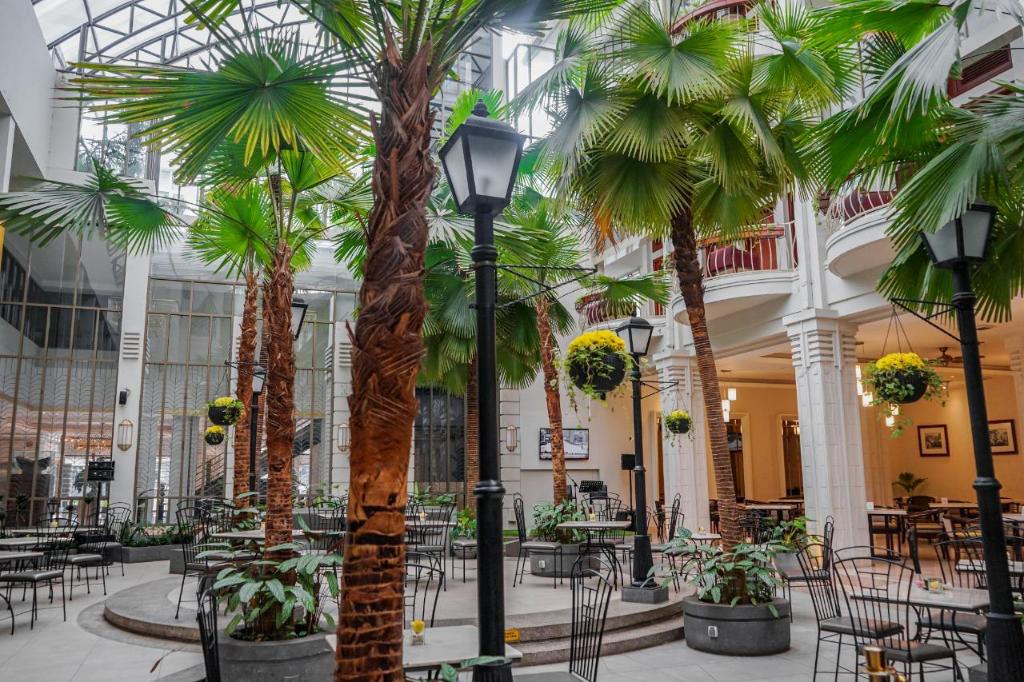
While the island has since seen an explosion of luxury resorts and boutique hotels, the Inna Bali Heritage Hotel remains a significant landmark, representing the genesis of organized tourism infrastructure in Bali. It offers a tangible connection to the island’s early days as an international destination and serves as a reminder of the historical trajectory of Bali’s hospitality industry. Its continued operation allows visitors to experience a piece of this pioneering history while enjoying the island’s timeless charm.
The Enduring Significance of Colonial-Era Hotels
These historic hotels are more than just places to stay; they are integral components of Indonesia’s cultural and historical narrative. They represent the confluence of colonial ambition, entrepreneurial spirit, and the evolving aspirations of a nation. Each establishment carries with it stories of political upheavals, social transformations, and cultural exchanges.
The continued operation of these hotels is a testament to their architectural resilience and their ability to adapt to changing times. They offer a unique value proposition to travelers: the chance to experience luxury and comfort while immersing themselves in history. By preserving these buildings and their stories, Indonesia not only honors its past but also enriches its present and future tourism offerings.
The pricing for these hotels, as indicated in the original article, can fluctuate significantly due to factors such as seasonality, inflation, local tax policies, and demand. Booking during off-peak seasons generally results in more affordable rates. It is always advisable for prospective guests to verify the final pricing and terms before confirming any reservations. The enduring appeal of these historic hotels lies in their ability to offer a journey through time, providing a unique and enriching travel experience that connects visitors to the deep and complex history of Indonesia.