Tata Titiana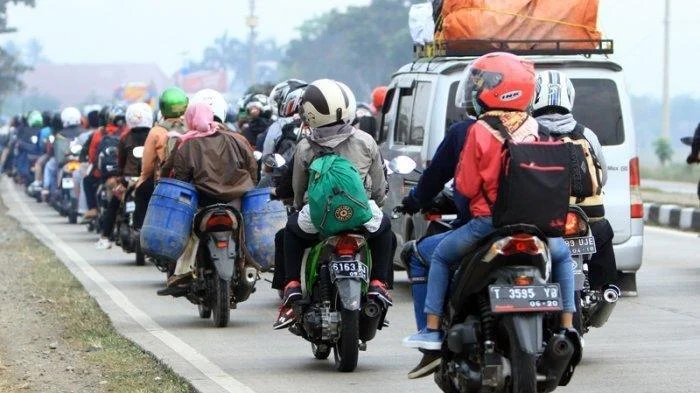
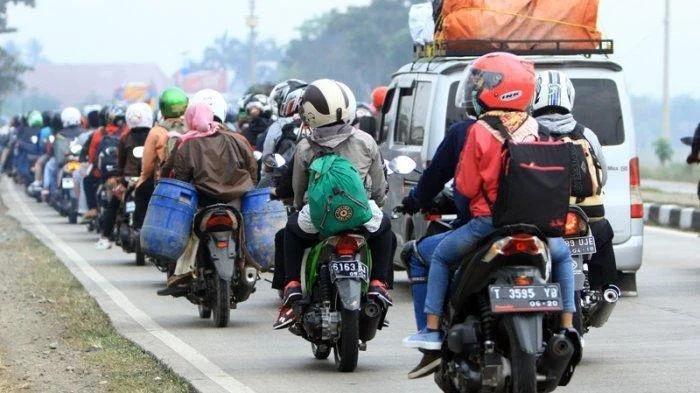
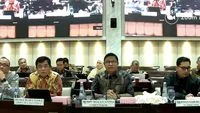
Jakarta, Indonesia – In a significant shift from the previous year’s stringent travel bans, the Indonesian government has announced that citizens will be permitted to travel to their hometowns for Lebaran (Eid al-Fitr) celebrations in 2021, coinciding with the observance of Idul Fitri 1442 Hijriah. This announcement, made by Minister of Transportation Budi Karya Sumadi during a working meeting with Commission V of the House of Representatives (DPR RI) on Tuesday, March 16, 2021, marks a notable departure from the nationwide mudik (homeward travel) ban implemented in 2020 due to the escalating COVID-19 pandemic.
However, the Ministry of Transportation (Kemenhub) has emphasized that this is not an outright encouragement for mass travel. The ministry explicitly stated it does not possess the authority to issue such directives. Instead, the decision to permit travel is accompanied by a comprehensive set of regulations and stringent protocols designed to mitigate the risk of COVID-19 transmission, particularly to rural areas which may have less robust healthcare infrastructure.
A Shift in Policy: Lessons Learned from 2020
The decision to allow mudik in 2021 comes after a year of unprecedented restrictions. In 2020, the Indonesian government imposed a complete ban on mudik travel during the Lebaran period, a move that was met with mixed reactions but was largely understood as a necessary measure to curb the spread of the novel coronavirus. The annual exodus of millions of Indonesians from urban centers to their ancestral homes was seen as a major potential vector for widespread infection. Data from the World Health Organization (WHO) indicated a significant surge in cases following the 2020 holiday season in many countries, underscoring the risks associated with large-scale population movements during a pandemic.
The current policy shift in 2021 appears to be a calculated decision, influenced by several factors. These include the ongoing nationwide vaccination program, a perceived improvement in public awareness regarding health protocols, and the economic implications of sustained travel restrictions. The government’s stated objective is to balance the cultural and social importance of Lebaran gatherings with the imperative of public health and safety.
Collaborative Efforts for Safe Travel
The Ministry of Transportation plans to collaborate closely with the COVID-19 Handling Task Force (Gugus Tugas Covid-19) to develop a robust mechanism for Lebaran travel. This collaboration aims to ensure that the increased movement of people does not inadvertently become a catalyst for renewed outbreaks, especially in less-affected rural communities. As highlighted in an Instagram post by Minister Budi Karya Sumadi, consultations will be held with various stakeholders to maintain a conducive travel season. Key measures being considered include stricter travel requirements and enhanced contact tracing protocols.
Key Requirements and Conditions for Mudik 2021
Minister Budi Karya Sumadi outlined several critical conditions that prospective travelers must adhere to:
- Strict Adherence to Health Protocols: This is paramount and will be enforced rigorously at departure points, during transit, and upon arrival at the destination. This includes mandatory mask-wearing, maintaining physical distancing, regular disinfection of transportation facilities and public spaces, limiting passenger capacity in vehicles, and staggered scheduling of services to reduce crowding.
- Anticipating Passenger Surges and Enhanced Tracing: To manage potential spikes in passenger numbers, particularly at major transportation hubs, the government will implement intensified tracing efforts. This is crucial for identifying and isolating potential cases quickly, thereby preventing onward transmission.
- Shortened Validity Period for Screening Tests: The validity period for health screening tools, such as rapid antigen tests, will be reduced. This measure aims to ensure that travelers undergo testing closer to their departure date, providing a more accurate reflection of their current health status and reducing the window for potential infection between testing and travel.
The Ministry of Transportation is still finalizing the exact procedures for Lebaran travel in conjunction with various relevant parties. The public is urged to exercise personal responsibility and strictly comply with all health protocols for the collective well-being.
Expert Concerns and the Persistent Threat of Transmission
Despite the government’s efforts to facilitate safe travel, the decision to permit mudik has been met with apprehension from public health experts. Epidemiologists have voiced concerns about the continued potential for COVID-19 transmission, even with the ongoing vaccination drive.
Dr. Riris Andono Ahmad, an epidemiologist from Universitas Gadjah Mada (UGM), suggested that the government’s decision might be influenced by the assumption that vaccination coverage is sufficiently high to control the situation. However, Dr. Ahmad cautioned that the primary challenge lies not solely in immunization but in ensuring that travelers consistently adhere to health protocols.
"The problem is not the protection offered by immunization if travelers do not adhere to health protocols," Dr. Ahmad stated, as quoted by merdeka.com. "COVID-19 transmission will still occur, just as it did before vaccination."
The Critical Role of Transportation Choices and Public Awareness
The choice of transportation mode is considered a critical factor in mitigating risk. The government is reportedly facilitating the provision of COVID-19 screening tools, such as GeNose, at major terminals, stations, and airports to assist travelers.
According to Dr. Ahmad, public transportation is generally considered safer than private vehicles due to the potential for more regulated oversight. The primary concern arises when individuals travel in private vehicles without strict supervision, which can facilitate the undetected spread of the virus to their destinations. Therefore, the public is encouraged to utilize public transportation for their Lebaran travels, as this mode of transport allows for easier monitoring by authorities in case of any unforeseen incidents.
Vaccination is Not a License for Complacency
It is crucial to reiterate that being vaccinated does not grant an exemption from adhering to public health guidelines. Individuals who have received the vaccine must continue to rigorously follow health protocols in public spaces. The scientific consensus remains that while vaccines significantly reduce the risk of severe illness and death, they do not entirely eliminate the possibility of transmission, especially in situations involving close contact and crowded environments.
Dr. Ahmad expressed a hope that, at a macro level, large-scale mudik travel for Lebaran 2021 could ideally be postponed. He anticipates that the pandemic will not have fully subsided by Idul Fitri 2021, and vaccination coverage may still be insufficient to guarantee herd immunity. Consequently, the risk of COVID-19 transmission remains a significant possibility.
Broader Implications and Future Considerations
The government’s decision to permit Lebaran travel in 2021, while a welcome development for many longing to reunite with family, carries significant implications. The success of this policy hinges on the collective responsibility of travelers and the effectiveness of the implemented control measures.
Economic Impact: The lifting of the mudik ban is expected to provide a much-needed boost to the transportation sector, tourism industry, and local economies in regions that traditionally see an influx of visitors during the holiday. However, the economic benefits must be carefully weighed against the potential costs of renewed outbreaks, including healthcare expenditures and the disruption of economic activities.
Social and Cultural Significance: Lebaran is a deeply ingrained cultural and religious event in Indonesia, emphasizing family reunions and community gatherings. The ability to observe these traditions, even under strict protocols, is vital for the social fabric of the nation. The government’s decision acknowledges this significance while attempting to mitigate the public health risks.
Public Health Infrastructure: The policy places a greater burden on the public health infrastructure of destination areas, particularly in rural regions. Enhanced surveillance, testing capabilities, and healthcare services will be crucial to manage any potential surge in cases.
Data and Statistics:
As of March 2021, Indonesia had administered over 5 million doses of COVID-19 vaccines, with a significant portion being the first dose. However, with a population exceeding 270 million, this coverage was still considered relatively low in the context of achieving widespread herd immunity. The cumulative number of confirmed COVID-19 cases in Indonesia had surpassed 1.4 million, with over 38,000 deaths reported by health authorities. These figures underscore the ongoing challenges in controlling the pandemic.
The Ministry of Health has consistently emphasized the importance of the "3M" protocol: memakai masker (wearing a mask), mencuci tangan (washing hands), and menjaga jarak (maintaining physical distance). These measures are expected to remain the cornerstone of public health efforts during the mudik period.
Looking Ahead:
The 2021 Lebaran travel season will serve as a critical test for Indonesia’s pandemic management strategies. The success of the government’s balanced approach—allowing travel while imposing strict controls—will be closely monitored. Lessons learned from this period will undoubtedly inform future policies regarding large-scale public gatherings and travel during the ongoing pandemic. The ultimate goal remains to protect public health while allowing citizens to observe their important cultural and religious traditions responsibly. The coming weeks will reveal the efficacy of these measures in navigating the delicate balance between connectivity and containment.