Nila Kartika Wati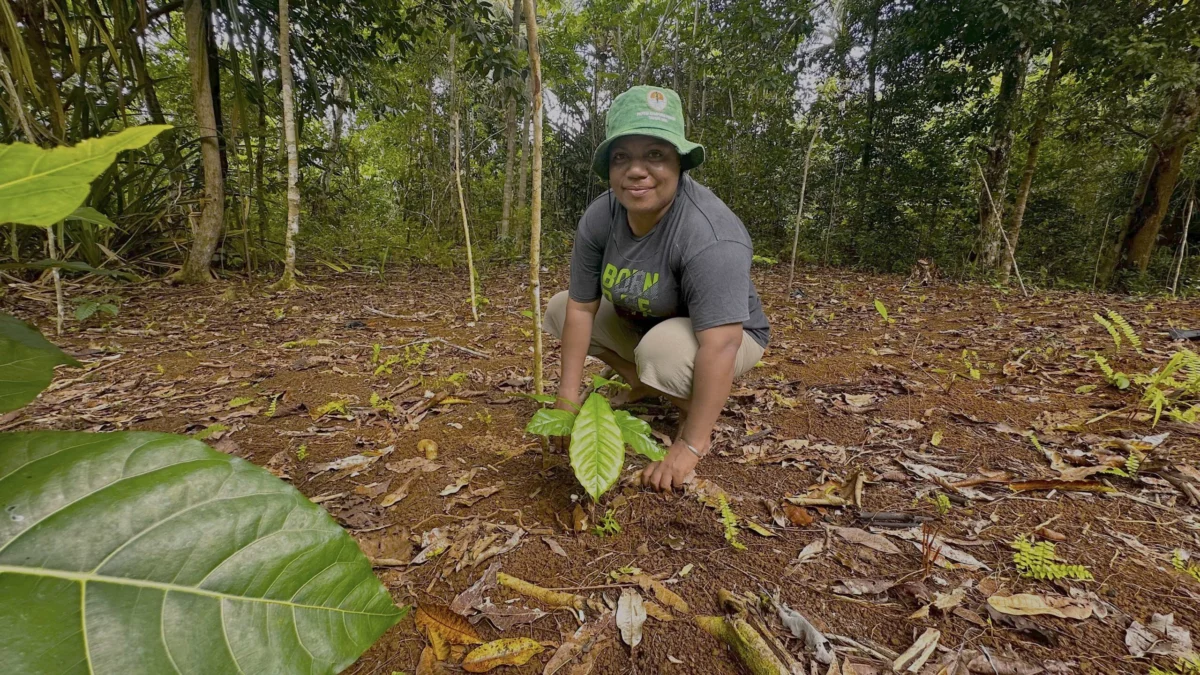
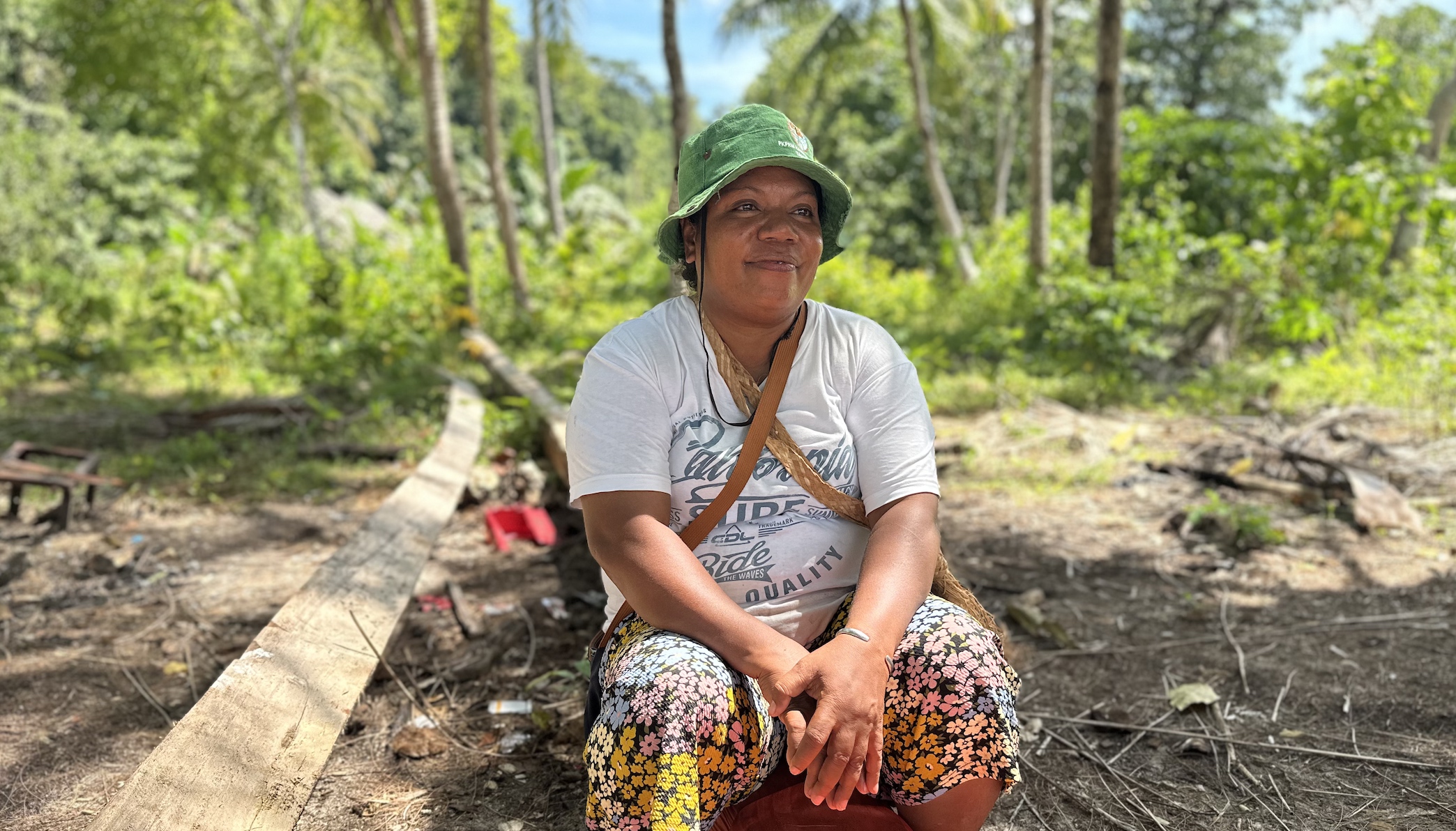
Loesye Fainsenem, a 42-year-old former hospitality executive, has traded the air-conditioned boardrooms of Manokwari for the humid mangrove forests and coastal gardens of Raja Ampat, marking a significant shift from corporate success to community-led conservation. Once the Director of Sales at a prominent hotel in the capital of West Papua, Fainsenem reached a personal crossroads where the prestige of her position could no longer silence a growing "call of conscience." This internal drive led her to Friwen, a small village of approximately 60 households, where she has spent the last decade spearheading a movement that intertwines environmental restoration with economic independence for indigenous women.
A Departure from the Corporate Ladder
Loesye Fainsenem, known affectionately as Lusy, did not start her journey as a social activist. Her career trajectory was firmly rooted in the tourism and service industry, a sector that is the economic lifeblood of the Bird’s Head Peninsula. However, despite her professional achievements, she felt an increasing disconnect from the lived realities of the Papuan people. In a move that defied conventional career logic, she resigned from her stable, high-ranking position to relocate to Friwen.
Friwen was not her ancestral home, but it became the canvas for her vision of sustainable development. Rather than arriving with top-down solutions typical of outside "experts," Lusy spent her initial years listening. She immersed herself in the daily rhythms of the village, eventually identifying that the key to both ecological survival and economic resilience lay with the "Mama-Mama"—the local women who serve as the pillars of the household and the primary managers of natural resources.
The Chronology of Mangrove Degradation and Recovery
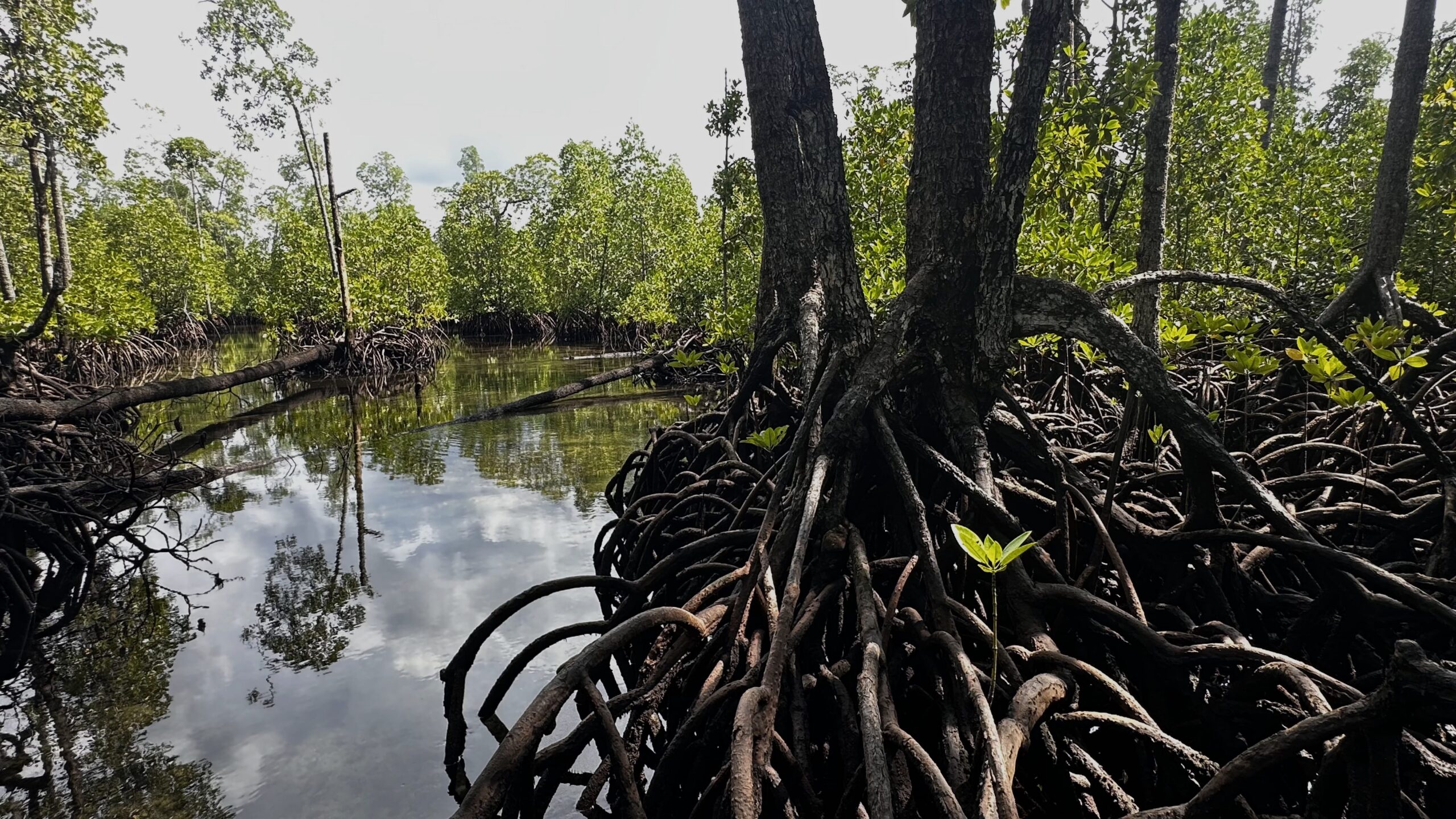
The environmental crisis in Friwen was a byproduct of Raja Ampat’s own success as a global tourism destination. Between 2000 and 2010, the region saw an explosion in the construction of tourist homestays. To facilitate this infrastructure, massive tracts of mangrove forests were cleared. In Friwen alone, approximately 60 hectares of mangrove forest were severely damaged or entirely removed by outside parties seeking timber for construction.
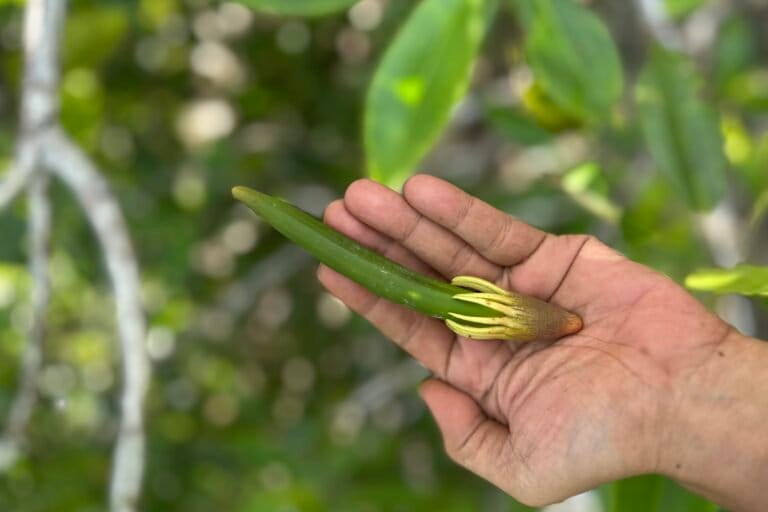
For the elders of Friwen, the loss of these mangroves was not just an ecological concern; it was a cultural and nutritional blow. Traditionally, the village relied on the aibon fruit (from the Bruguiera sp. mangrove) as a vital food source. The fruit could be processed into a dry flour that lasted for years, serving as a staple for long sea voyages. As the forests disappeared, so did the knowledge of how to process this traditional food, leaving the younger generation increasingly dependent on expensive, imported processed goods from Sorong.
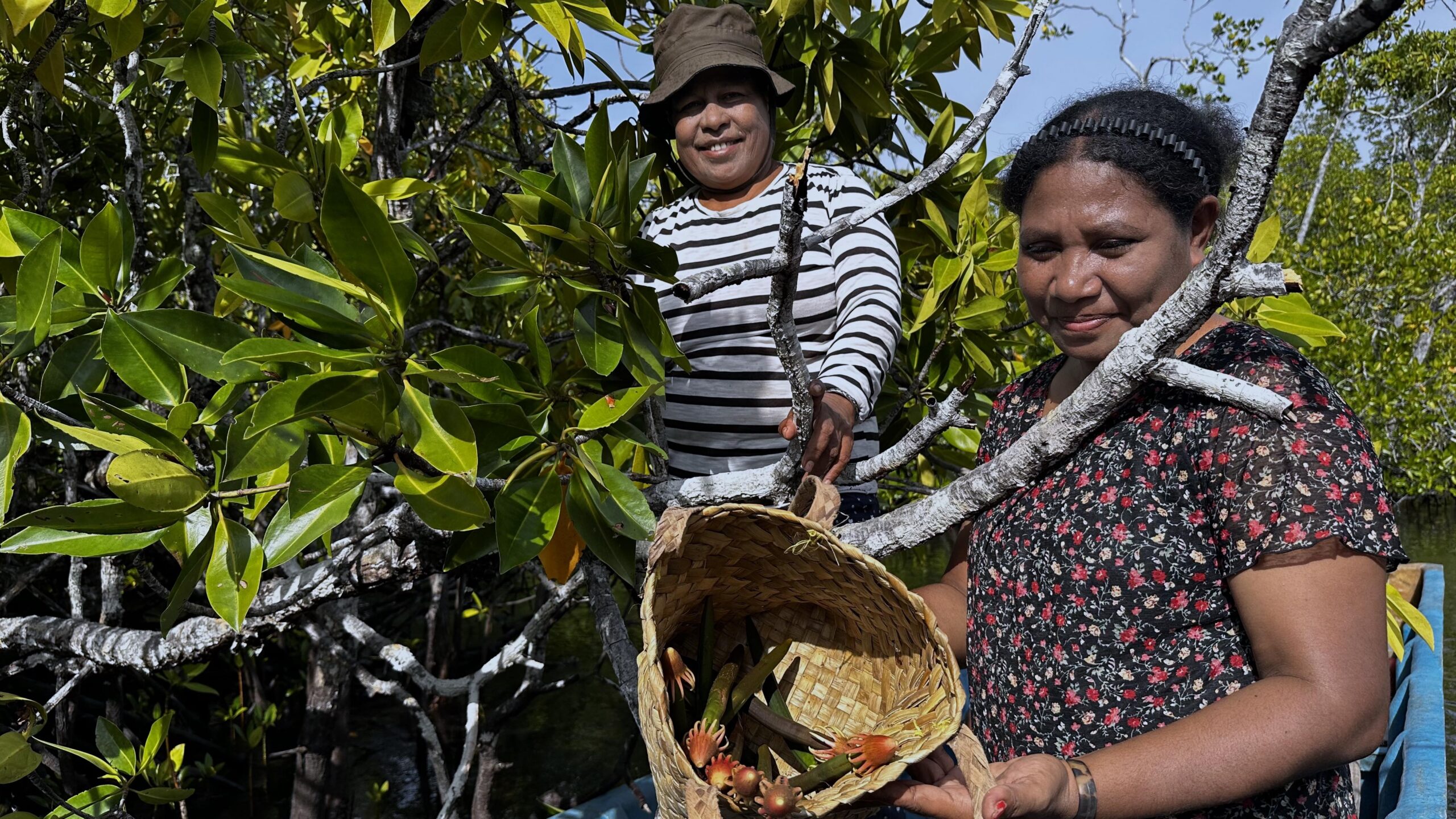
Recognizing this, Lusy and the local women began a self-funded restoration project. They understood that mangroves are the "nursery" of the ocean—essential breeding grounds for fish, crabs, and shellfish. By 2014, the restoration efforts moved from sporadic planting to a structured community initiative. The women began patrolling the coastal areas, often confronting illegal loggers. The social dynamic of the village played a crucial role here; in Papuan coastal culture, the authority of the "Mamas" is formidable, and their presence as guardians of the forest proved to be a more effective deterrent than formal legislation had been in the past.
The Birth of Kawan Pesisir and Social Forestry Breakthroughs
In 2018, the informal collective was formalized into the Perkumpulan Kawan Pesisir (Coastal Friends Association). This legal standing allowed Lusy to bridge the gap between the village’s needs and the government’s bureaucratic requirements. Despite recently being appointed as a Civil Servant (ASN) for the West Papua Daya Provincial Government, Lusy has maintained her role as a facilitator, using her position to advocate for the village from within the system.
A pivotal moment occurred in April 2024, during a visit to Raja Ampat by Bambang Hendroyono, the Secretary General of the Ministry of Environment and Forestry (KLHK). Lusy and the village elders presented their case directly to the national official. They argued that while they had successfully restored the mangroves and managed their ancestral lands, they lacked legal protection from outside encroachment.
The advocacy was successful. Within six months of the meeting, the Ministry issued a Social Forestry Decree (SK Hutan Desa), granting Friwen legal management rights over 1,025 hectares of forest. This designation is a landmark achievement in Raja Ampat, providing a legal shield against unauthorized land clearing and opening the door for government support in the form of seeds, fertilizers, and equipment.
Economic Diversification: From Mangrove Flour to Raja Ampat Coffee
With the legal security of the Village Forest, Kawan Pesisir has expanded its focus toward food sovereignty and market-driven agriculture. Lusy’s background in the tourism industry gave her a unique insight: the dozens of homestays in Raja Ampat were importing nearly all their vegetables and fruits from Sorong, leading to high prices and a large carbon footprint.
"Market demand already exists right here in our backyard," Lusy noted. To meet this demand, the women of Friwen have begun a two-pronged agricultural strategy:
- Short-term Food Security: Utilizing backyard gardens to grow kale, spinach, and other vegetables for immediate consumption and sale to local homestays.
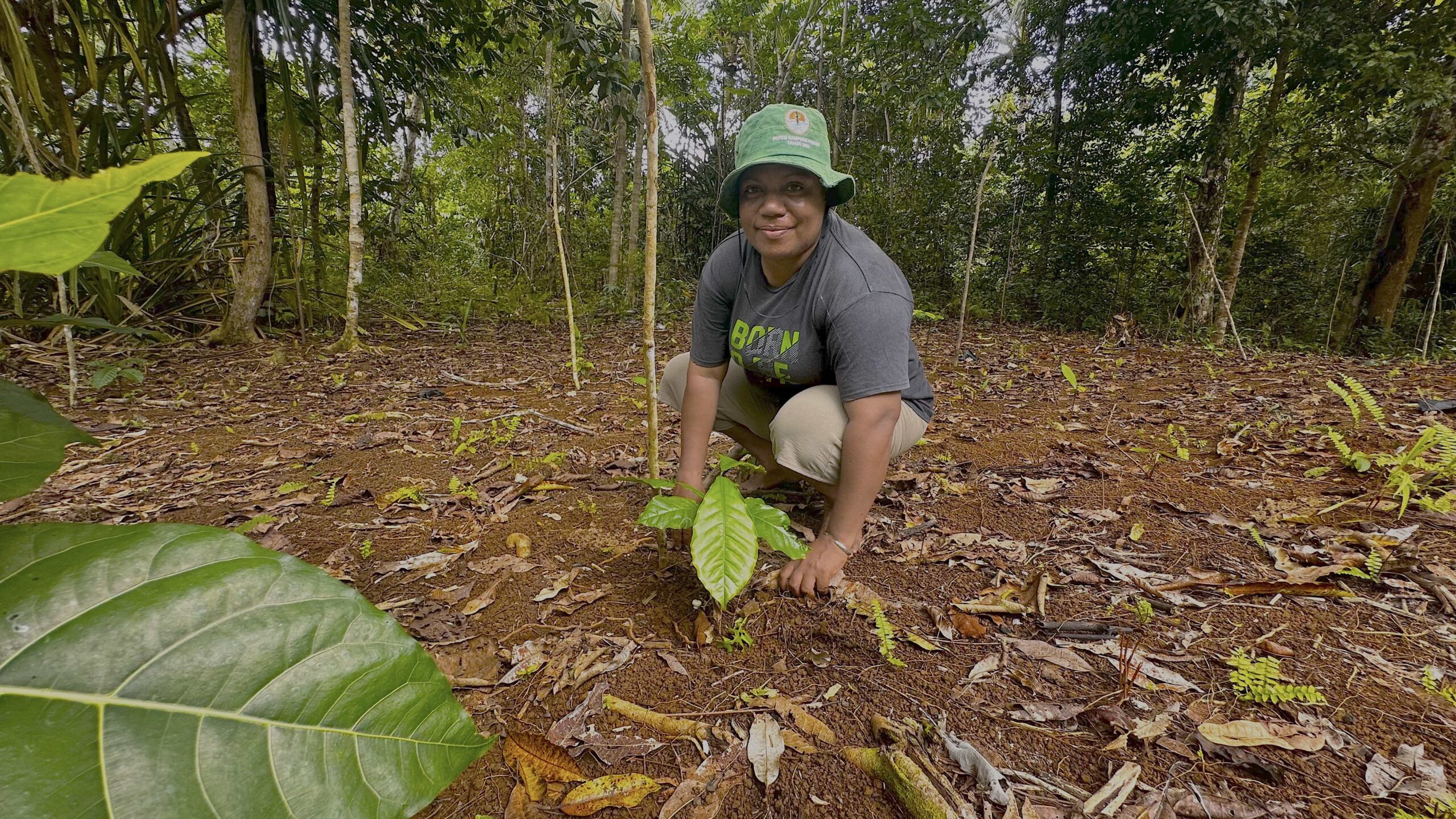
- Long-term Economic Stability: The introduction of coffee cultivation—the first of its kind in Raja Ampat. With support from the Raja Ampat Agriculture Office, 5,000 coffee seedlings from Jember (East Java) and Jayapura (Papua) are being planted under the forest canopy.
This "forest-to-table" model aims to keep tourism wealth within the village. By producing their own coffee, pineapples, watermelons, and papayas, the community can offer lower prices than mainland suppliers while significantly increasing their own profit margins.
The Cultural Revival: The Friwen Craft Festival
Beyond agriculture and conservation, Lusy has focused on the creative economy of the elderly. In July 2025, Friwen hosted its first Craft Festival, an event born from local initiative rather than government mandate. The festival showcased traditional menoken (weaving), mats, and shell-based handicrafts made by the village’s older women.
The event was an unexpected economic success, generating approximately Rp20 million in sales over a short period. More importantly, it revalidated traditional skills in the eyes of the youth. The festival also featured modern culinary takes on traditional ingredients, such as pizzas, noodles, and donuts made from mangrove fruit flour (aibon).
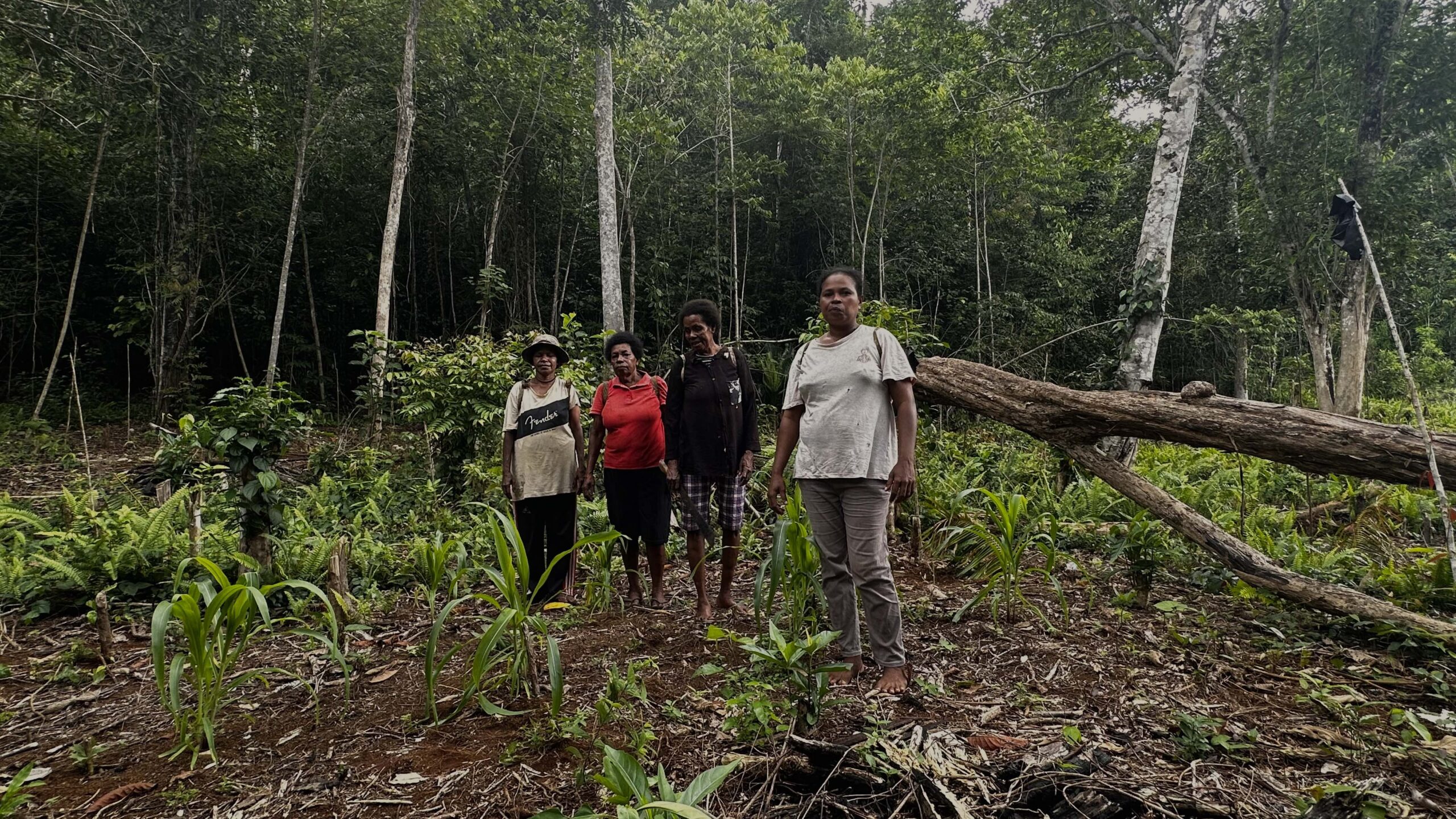
Currently, the Perkumpulan Kawan Pesisir manages 35 women divided into four specialized Business Groups (KUPS):
- KUPS Mangrove Management: Focused on restoration and fruit processing.
- KUPS Agriculture: Managing the coffee plantations and vegetable gardens.
- KUPS Handicrafts: Producing souvenirs and traditional textiles.
- KUPS Environmental Services: Currently in the planning phase to manage eco-tourism and carbon-related initiatives.
Analysis of Implications for Sustainable Tourism
The work of Loesye Fainsenem and the people of Friwen serves as a vital case study for the future of Raja Ampat. For decades, the narrative of Raja Ampat has been dominated by high-end diving resorts and international conservation NGOs. While these have brought global attention to the region’s biodiversity, they have often left local communities as spectators to their own economy.
The Friwen model suggests a shift toward "Community-Based Tourism Support." By focusing on the supply chain—the food, the coffee, and the crafts—rather than just the lodging, the village ensures that tourism serves the community, rather than the community serving tourism.
Furthermore, the successful acquisition of the 1,025-hectare Village Forest decree demonstrates a maturing of Indonesia’s Social Forestry program. It proves that when grassroots leadership is combined with professional advocacy, local communities can effectively navigate the complexities of state policy to secure their ancestral rights.
As Raja Ampat continues to grapple with the pressures of mass tourism and climate change, the "conscience" that led Lusy Fainsenem to leave her hotel career may well be the blueprint for the region’s survival. Her approach demonstrates that environmental conservation is not a luxury but a prerequisite for economic stability, and that the most effective guardians of the Earth are those whose cultures and livelihoods are most deeply rooted in it.
The ongoing success of the Friwen initiative will depend on the continued synergy between the provincial government, the Ministry of Environment and Forestry, and the local Perkumpulan Kawan Pesisir. However, with the first coffee harvest approaching in the next few years and a second annual festival in the works, the foundations for a resilient, women-led economy in Raja Ampat appear more solid than ever.