Chalifah Fatihah
The growing prevalence of anxiety and panic attacks among Generation Z has spurred the emergence of innovative, self-driven coping mechanisms, with the "anxiety bag" rapidly gaining traction on social media platforms. This trend reflects a generation increasingly vocal about mental health challenges and proactively seeking tangible tools to navigate sudden waves of unease. As awareness surrounding mental well-being continues to rise, young adults are finding practical, portable solutions to manage the often overwhelming sensations of anxiety and panic that can disrupt daily life.
The phenomenon of the anxiety bag, also referred to as a "panic pouch" or "calm-down kit," stems from a recognized need for immediate, accessible interventions. While established therapeutic approaches like talk therapy and medication remain crucial components of mental health care, the immediacy required during a sudden onset of anxiety or a panic attack necessitates supplementary strategies. Dr. Kyra Bobinet, a physician and neuroscience expert, highlights this gap: "Things like mindfulness are beneficial, but you have to remember to do them. When you are in a highly stimulating environment, you may not necessarily recall those techniques." This sentiment underscores the practical advantage of having a curated collection of sensory tools readily available.
Understanding the Anxiety Bag Phenomenon
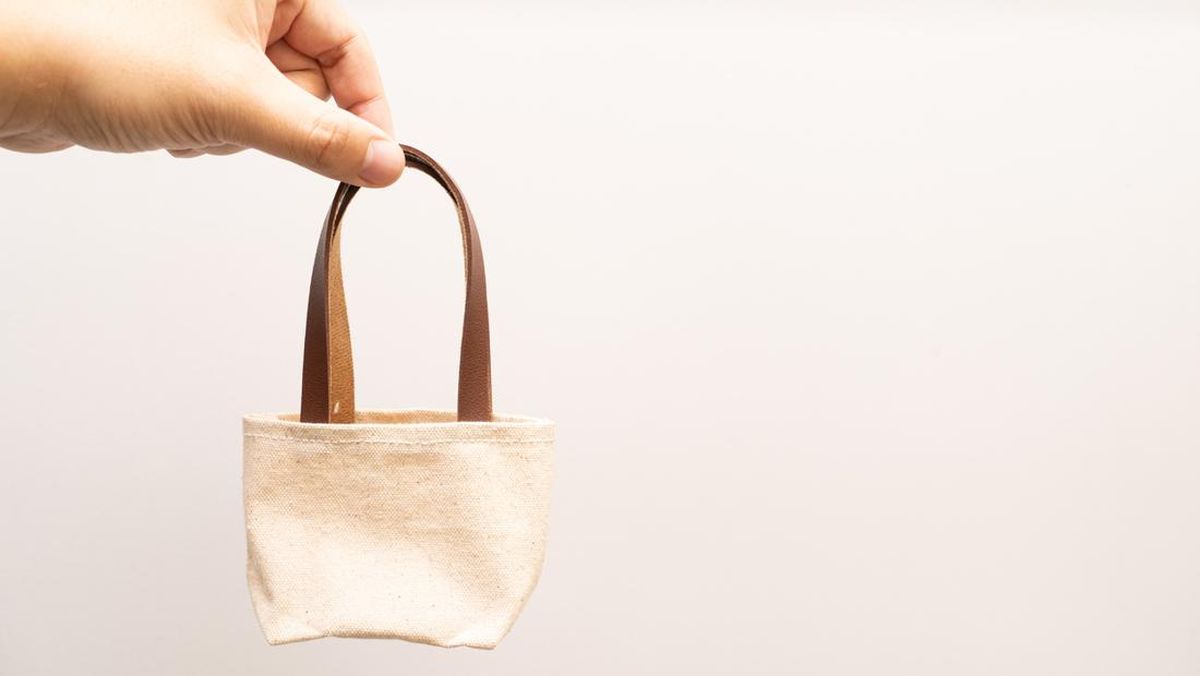
Anxiety bags are essentially small, portable pouches filled with items designed to provide sensory input and redirect focus away from anxious thoughts. Their popularity among Gen Z, particularly young women, is attributed to their discreteness, ease of use, and personalized nature. The trend is not merely a fleeting social media fad but a manifestation of a significant mental health concern.
Recent surveys paint a stark picture of youth mental health. A comprehensive study involving nearly 1,000 individuals aged 18-26 revealed that a substantial 61% of respondents had a diagnosed anxiety disorder, while an additional 43% reported experiencing panic attacks at least once a month. This data provides a critical backdrop to the anxiety bag trend, illustrating the widespread need for accessible coping strategies.
Dr. Bobinet emphasizes the strategic value of having emotional regulation tools within reach during periods of high stress. "It’s a way to distract and calm. To create another sensation so you are not completely overwhelmed by anxious thoughts," she explains. This echoes findings from the 2023 Gallup survey, which indicated that nearly half of young people aged 12-26 frequently or always experience anxiety, further validating the widespread appeal and utility of the anxiety bag.
Curated Contents for Sensory Relief
The contents of an anxiety bag are highly personalized, reflecting the diverse triggers and sensory preferences of individuals. However, several common items have proven effective due to their ability to engage the senses and provide grounding sensations.
Stefany Staples, a 24-year-old who experienced debilitating physical symptoms of anxiety, including a racing heart that led to multiple hospital visits, found solace in her carefully assembled anxiety bag. Her kit includes prescribed medication, lavender essential oil for its calming aroma, and sour candies to provide a strong, distracting taste. "This helps me get back to being grounded. It really breaks the cycle of anxious thoughts in my head," she shares.
Clinical psychologist Jenny Martin explains the physiological basis behind these sensory interventions. "Rapid sensory interventions like holding ice, smelling a strong scent, or sucking on a strong-tasting candy can help interrupt the nervous system’s surge," she notes. "These tools work by shifting focus away from anxious thoughts and onto the body and the present moment."
Similarly, psychologist MaryEllen Eller suggests that the ideal contents of an anxiety bag should align with an individual’s specific triggers. For those whose anxiety is exacerbated by overstimulation, noise-canceling headphones or calming music can offer a reprieve. Conversely, individuals struggling with recurring intrusive thoughts, often characterized by "what if" scenarios, may find grounding techniques more effective.
"Textured items, like fidget toys, can also provide a strong tactile sensation," Eller adds. She recommends practicing with these items during calm periods to help the brain associate them with feelings of safety and security. This proactive approach can enhance their effectiveness when anxiety strikes.
Expert Perspectives and the Importance of Balance
While the anxiety bag is lauded as a practical first-aid tool for managing acute anxiety, mental health professionals caution against over-reliance. Psychiatrist Vinay Saranga stresses that these kits should serve as supplementary aids, not as a sole solution. "It’s a great idea to help patients. But in the long term, the goal is to reduce dependence, even to learn to be without the bag," he states.
This perspective highlights the critical need for a balanced approach to mental health management. The anxiety bag trend, while indicative of Gen Z’s growing mental health literacy and their innovative problem-solving skills, should ideally complement broader therapeutic strategies. These include developing resilience, understanding the root causes of anxiety, and implementing long-term coping mechanisms that foster sustained emotional well-being.
Broader Implications and the Evolving Landscape of Mental Health
The emergence and widespread adoption of the anxiety bag trend signify several important shifts in how mental health is perceived and managed, particularly among younger generations.
- Destigmatization: The open discussion and sharing of anxiety management tools like the anxiety bag on social media contribute to the ongoing destigmatization of mental health issues. This normalization encourages more individuals to seek help and share their experiences.
- Empowerment and Self-Advocacy: Gen Z’s proactive approach through the creation of anxiety bags demonstrates a strong sense of self-advocacy and a desire to take control of their mental well-being. They are not passively waiting for solutions but actively constructing them.
- Accessibility and Affordability: Compared to professional therapy, assembling an anxiety bag is often a more accessible and affordable option, democratizing access to immediate coping strategies.
- The Role of Sensory Input: The trend underscores the scientific understanding of how sensory input can influence emotional states, validating the use of tactile, olfactory, and gustatory stimuli for mood regulation.
However, the trend also raises questions about the potential for a "quick fix" mentality. While immediate relief is valuable, it is crucial that the anxiety bag does not become a crutch that prevents individuals from engaging in deeper, more sustainable mental health work. The goal should be to equip individuals with tools that empower them to manage anxiety effectively, eventually reducing their reliance on external aids.
The anxiety bag phenomenon is a compelling illustration of how a generation facing unprecedented mental health challenges is adapting and innovating. It highlights a critical need for accessible, practical, and personalized coping mechanisms, while simultaneously underscoring the importance of a holistic approach to mental health that prioritizes long-term well-being and resilience. As discussions around mental health continue to evolve, the anxiety bag stands as a tangible symbol of Gen Z’s commitment to navigating their inner worlds with greater awareness and agency.