Lusiana Hamidun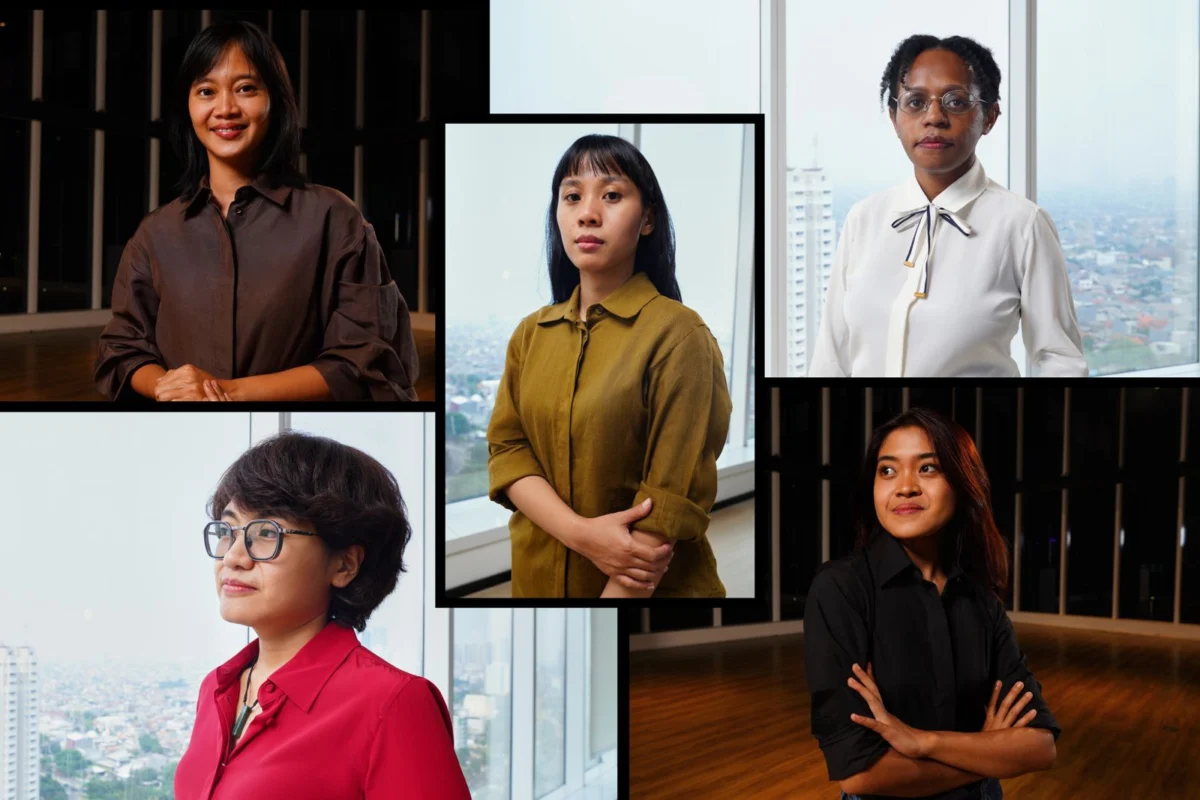
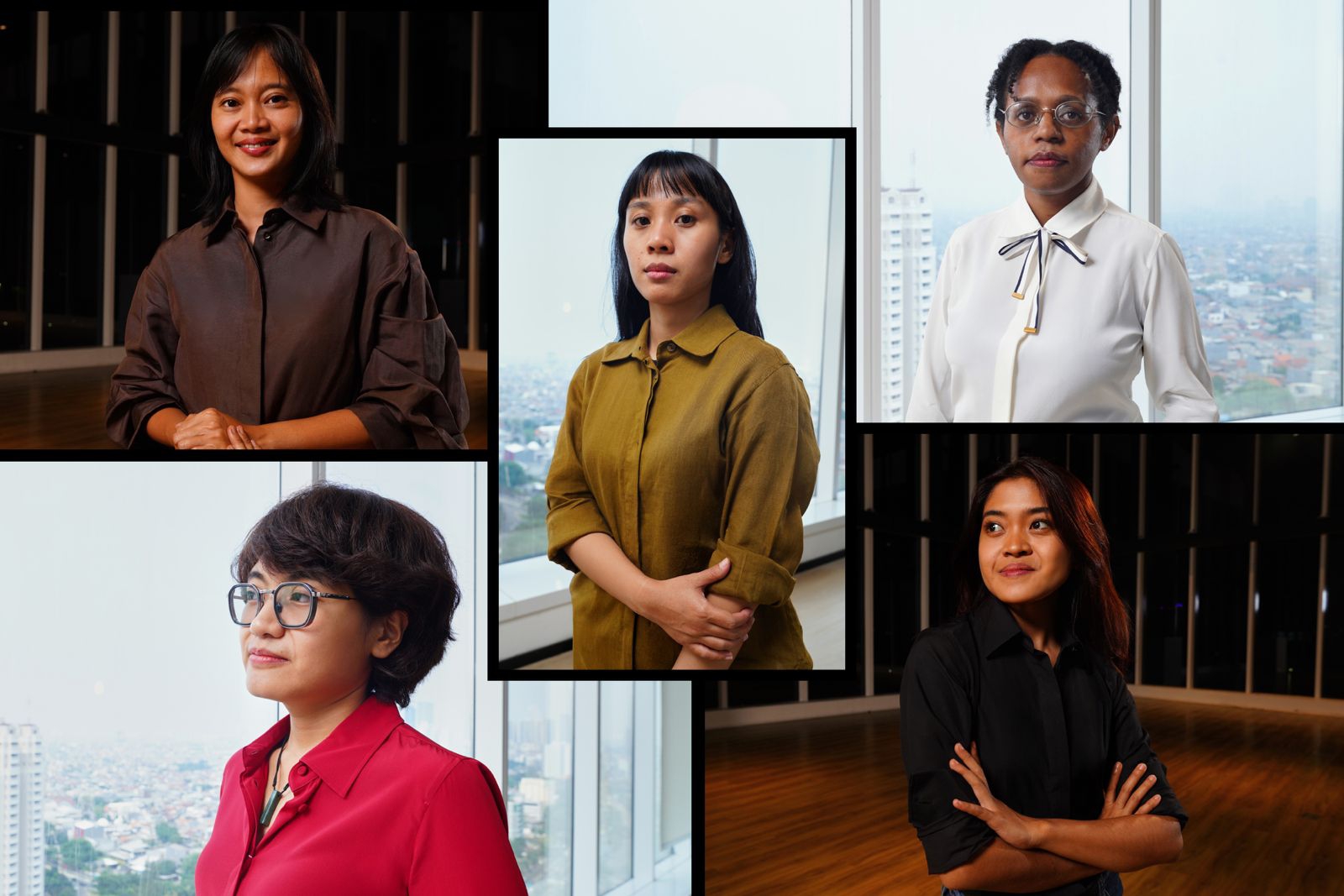
A significant moment in the contemporary art landscape was marked approximately three months ago when Museum MACAN announced its partnership with Max Mara to host the Max Mara Art Prize for Women for the 2025-2027 cycle. This collaboration, a landmark event, has now culminated in the official unveiling of the five exceptional artists who have been selected as finalists for this prestigious award. This edition, marking the tenth iteration of the prize, holds particular historical significance as it is the first time the renowned award has extended its reach to Southeast Asia, with Indonesia proudly serving as the host nation. This strategic expansion not only broadens the geographical scope of the prize but also fosters a vital new dialogue within the global art practice, highlighting the burgeoning artistic talent and diverse perspectives emerging from this dynamic region.
The Max Mara Art Prize for Women, established in 2007, has a distinguished history of championing emerging female artists and has consistently provided a crucial platform for their work to gain international recognition. Past winners and finalists have gone on to achieve significant critical acclaim and have become influential figures in the global art scene. The decision to bring the prize to Southeast Asia, and specifically to Indonesia, underscores a growing recognition of the region’s vibrant and multifaceted artistic contributions. This move signals a deliberate effort by Max Mara and Museum MACAN to engage with and support artists whose practices are deeply rooted in unique cultural contexts, offering a fresh lens on contemporary issues.
The esteemed jury, composed of Cecilia Alemani, Director and Chief Curator of High Line Art in New York; Luigi Maramotti, President of Max Mara Fashion Group; and Sara Piccinini, Director of Collezione Maramotti, has meticulously deliberated to select five artists who represent a broad spectrum of artistic practices. These finalists demonstrate an impressive range, from the masterful application of traditional techniques to avant-garde contemporary approaches, all unified by compelling and personal narratives. Each artist brings a distinct and complementary perspective, collectively contributing to a rich tapestry of artistic discourse. Their works delve into profound themes of identity, memory, and the intricate relationship between humanity and its environment, utilizing their personal and collective narratives as a powerful vehicle for exploration. The diverse mediums they employ further illustrate how artistic practice can serve as a vital space for reflection and critical engagement.
The Distinguished Finalists: A Glimpse into Diverse Artistic Visions
The selection process for the Max Mara Art Prize for Women is known for its rigorous evaluation of artistic merit, innovation, and the potential for significant future development. This year’s finalists represent a compelling cross-section of emerging talent within Indonesia, each bringing a unique artistic voice and a commitment to exploring complex themes.
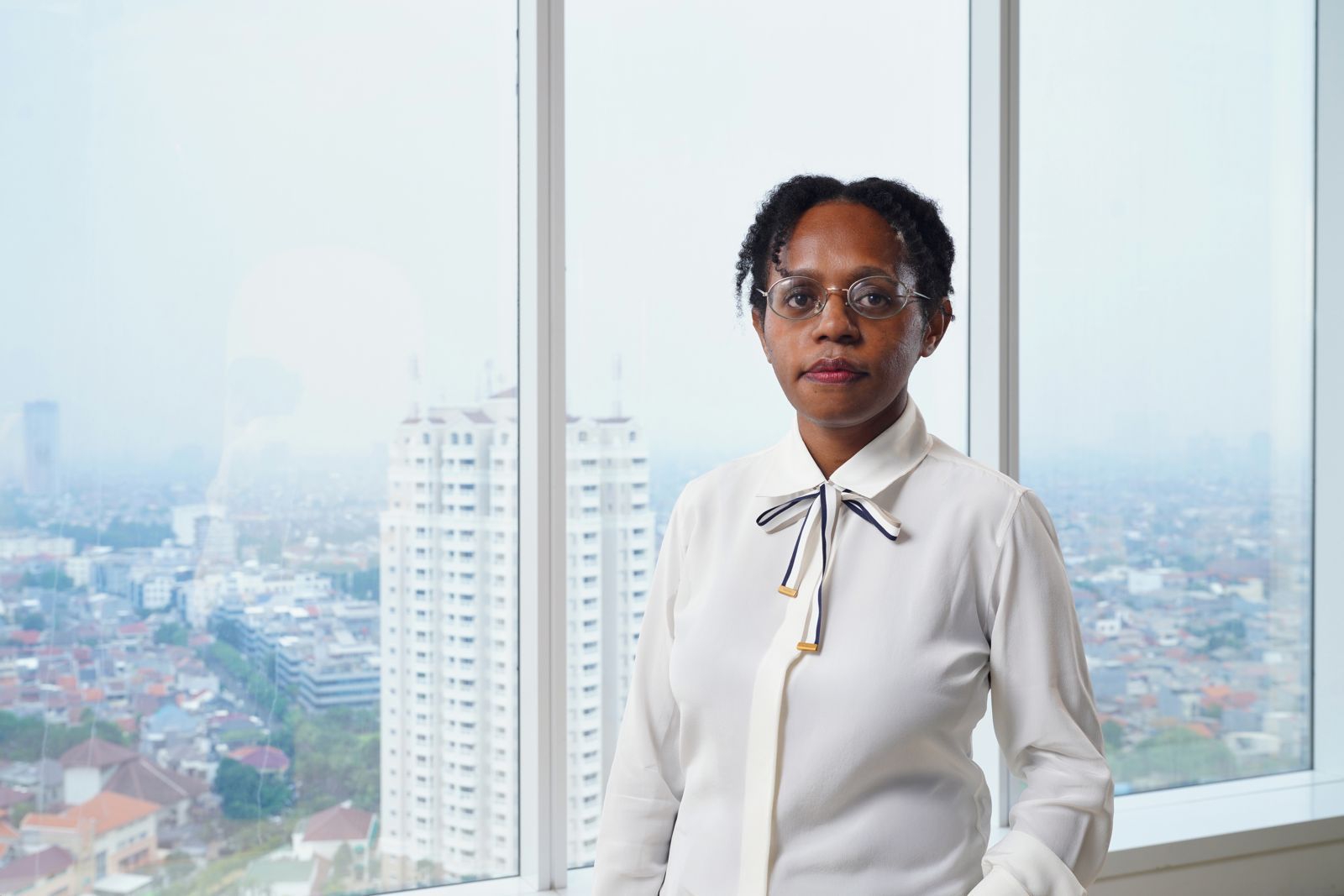
Betty Adii: Unearthing Narratives of Resilience and Solidarity
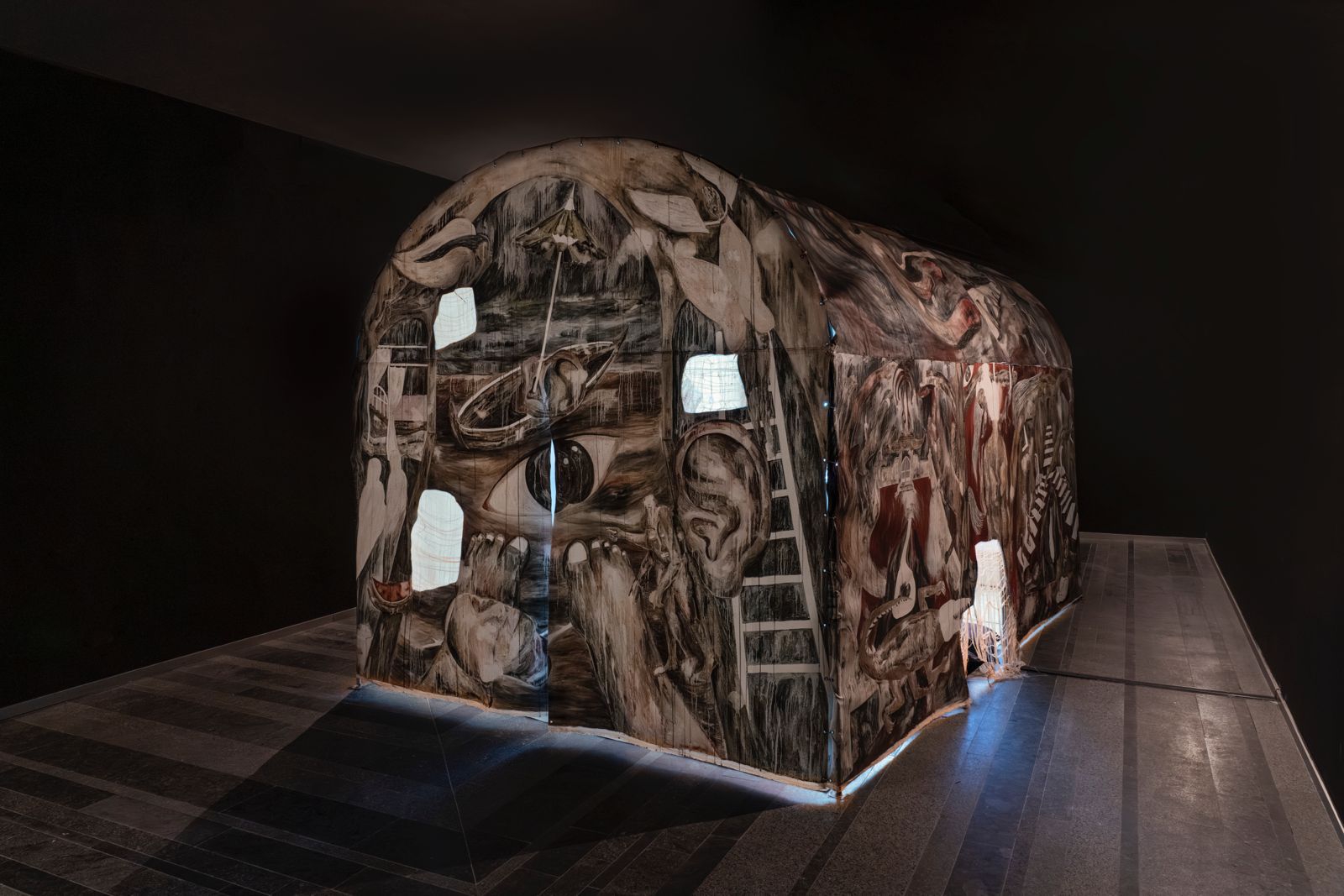
Betty Adii, an artist hailing from Wamena, Papua, and now based in Yogyakarta, has been recognized for her powerful and multi-faceted artistic practice. Her work traverses a variety of mediums, including drawing, painting, and installation, consistently drawing inspiration from the lived experiences of women. Adii’s art delves into narratives of struggle, resilience, and the profound strength found in solidarity. Through an approach that is both intimate and deeply reflective, she weaves together personal and collective stories, masterfully blending traditional cultural references with a contemporary visual language. This synthesis not only amplifies the voices of Papuan women but also challenges conventional perceptions and offers a nuanced exploration of their realities. Her commitment to representing marginalized experiences with dignity and power has resonated strongly with the jury.
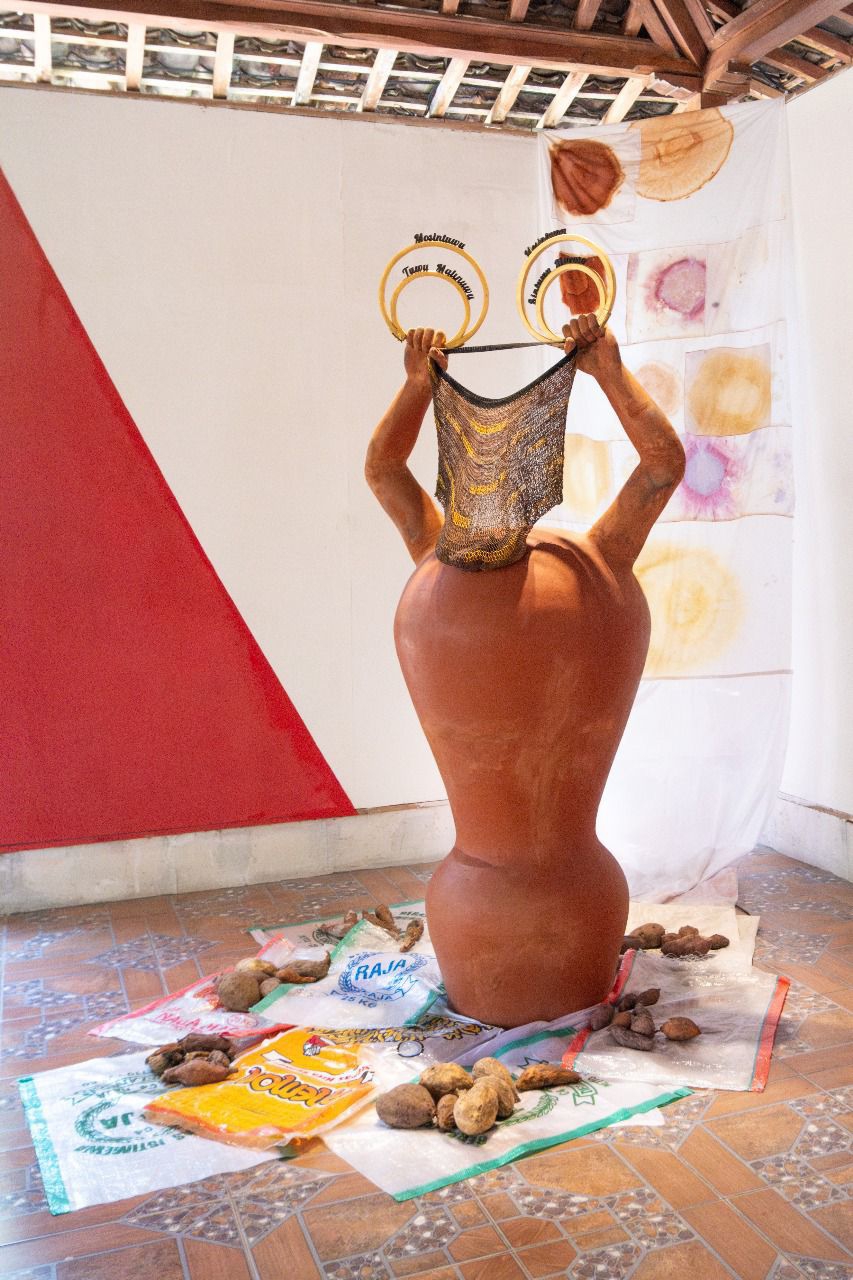
Dzikra Afifah: Exploring the Tactile Language of Clay
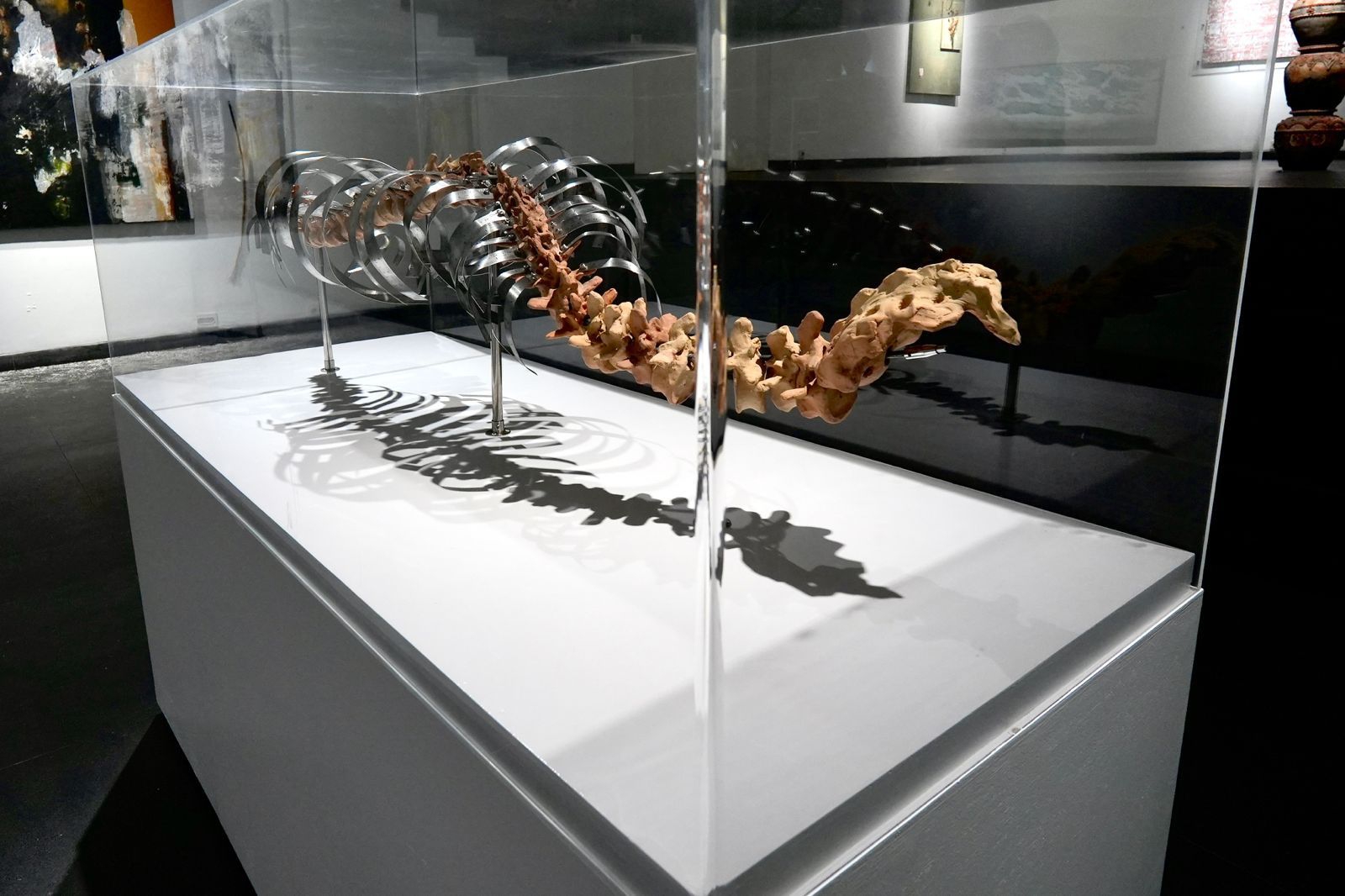
Dzikra Afifah, an artist from Bandung, has garnered attention for her distinctive work primarily with ceramics, characterized by a unique subtractive approach. Afifah begins with a solid mass of clay, from which she intuitively carves away material, creating forms that are often distorted and possess an organic, evolving quality that continues to transform during the firing process. Her works are a profound exploration of the intricate relationships between the body, material, and the very process of creation. Within her practice, elements of uncertainty and empathy are not merely byproducts but are integral components of her artistic methodology, leading to pieces that are both physically and conceptually compelling. This innovative use of a traditional medium to explore contemporary themes of form and process has set her apart.
Ipeh Nur: Weaving Histories and Maritime Cultures
Ipeh Nur, an artist based in Yogyakarta, commands a multidisciplinary practice that encompasses drawing, painting, batik, ceramics, installation, and video. Her artistic explorations are deeply rooted in memory, history, mythology, and oral traditions. Since 2019, Nur has dedicated a significant portion of her practice to investigating the rich maritime cultures of the Nusantara archipelago. Her work transcends the symbolic representation of materials, instead forging a direct and visceral connection between the materials themselves, the artist’s body, and her personal experiences. This embodiment of cultural narratives within her chosen mediums offers a unique and compelling perspective on Indonesia’s heritage. Her ability to synthesize diverse artistic forms to address historical and cultural themes is a testament to her creative vision.
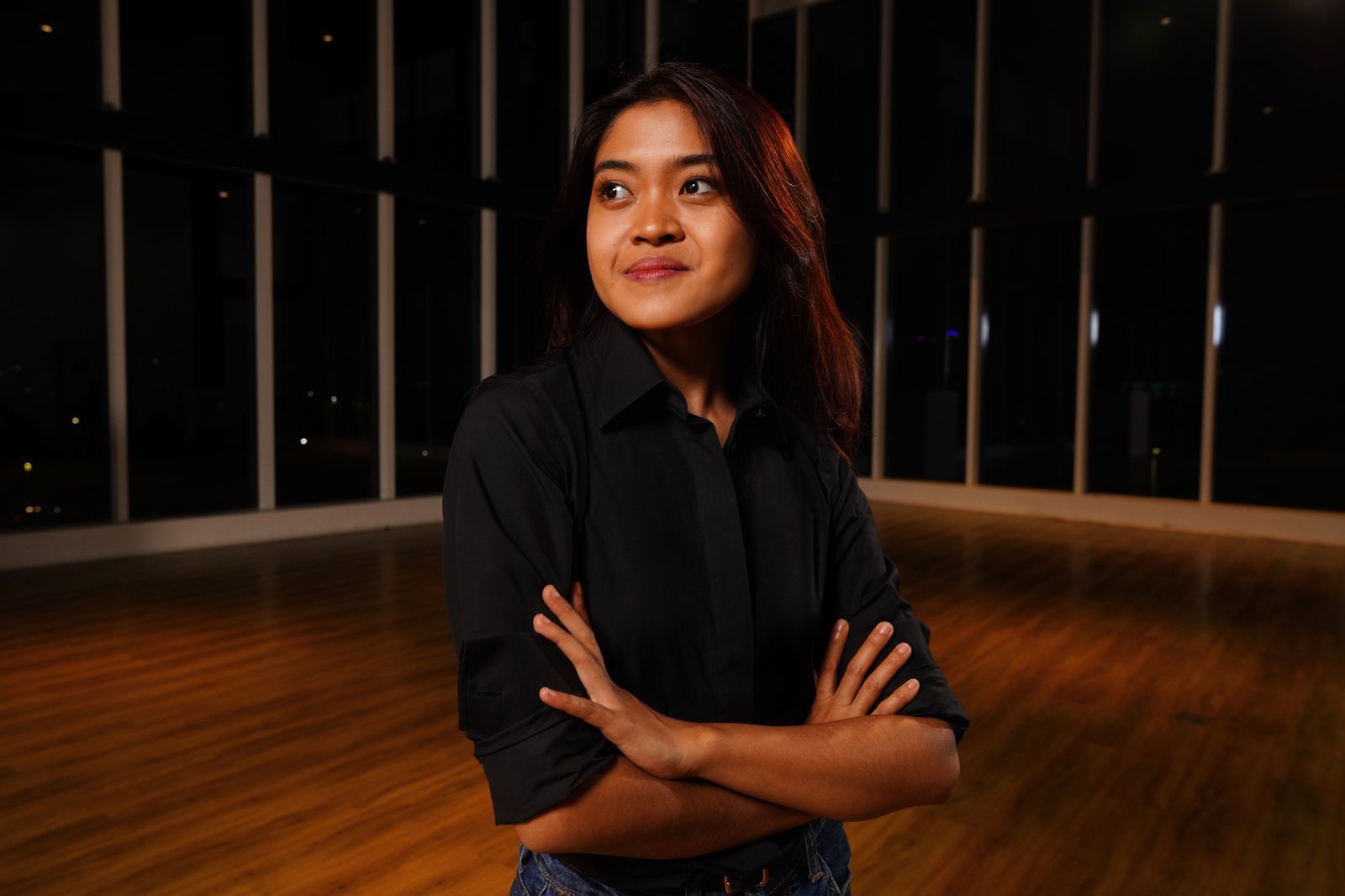
Mira Rizki: The Art of Auditory Perception and Immersion
Mira Rizki, another accomplished artist from Bandung, centers her practice on the exploration of sound and interactivity as her primary artistic mediums. Through the creation of immersive compositions and intricate soundscapes, Rizki meticulously examines how context, environment, and memory collectively shape an individual’s auditory experiences. Her work actively fosters an environment of fluid and subjective perception, inviting audiences to reconsider their relationship with sound and its impact on their understanding of the world. This innovative approach to an often-overlooked artistic dimension highlights her forward-thinking artistic agenda. The jury was particularly impressed by her ability to create engaging and thought-provoking auditory environments.
Dian Suci: Domesticity, Power, and Political Commentary
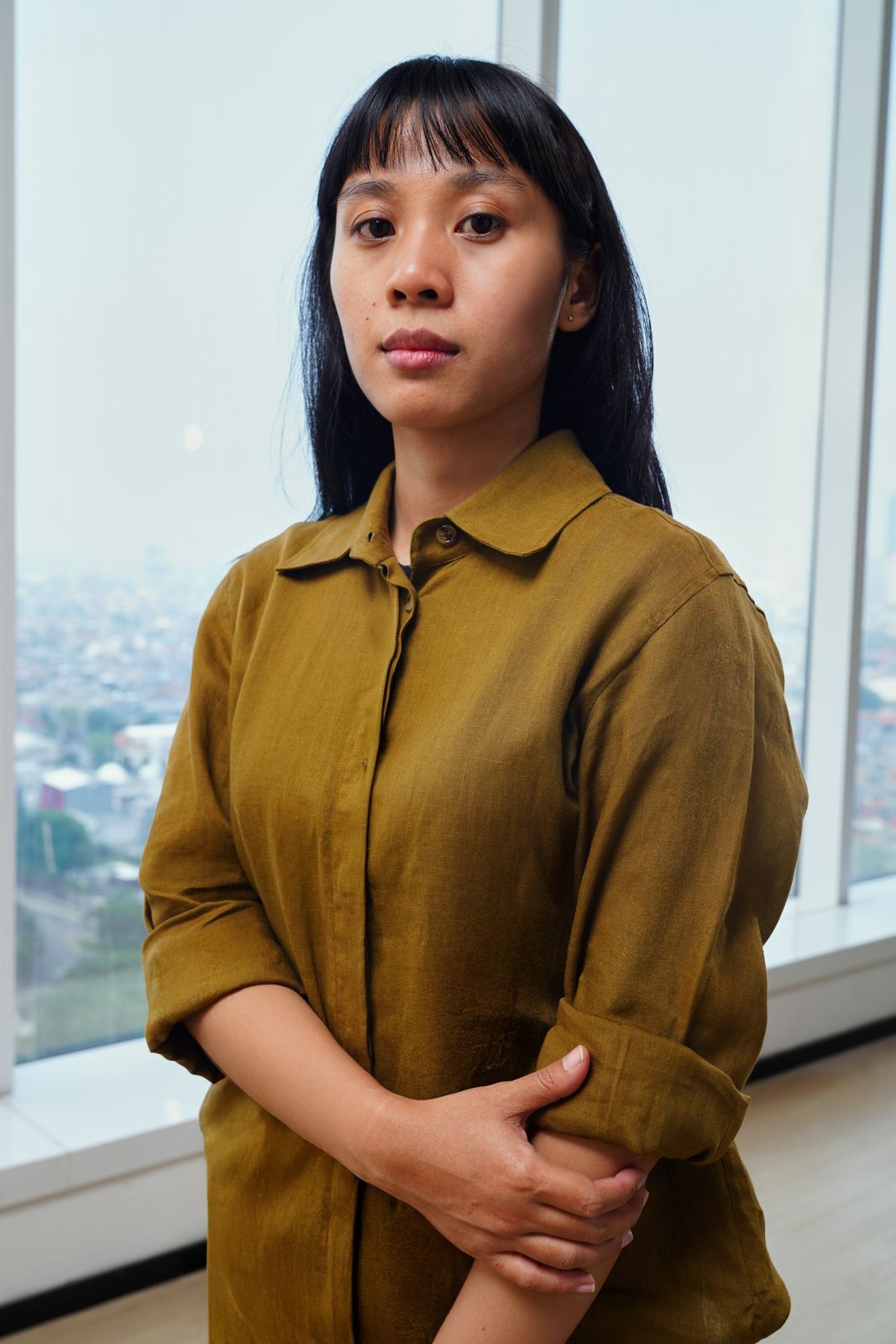
Dian Suci, an artist working in Yogyakarta, positions her practice at the critical intersection of domestic narratives and political power. Drawing from her personal experiences, including her journey as a single mother, she courageously addresses pressing issues such as the domestication of women, authoritarianism, patriarchy, and the pervasive influence of capitalism. Her art manifests across a diverse range of mediums, including installation, painting, sculpture, and video, providing a multifaceted platform for her critical commentary. Suci’s ability to connect deeply personal experiences with broader socio-political critiques makes her work particularly resonant and impactful. Her bold engagement with sensitive social issues through her art has been a key factor in her selection.
A New Chapter for the Max Mara Art Prize and Indonesian Art
The collaboration between Max Mara and Museum MACAN for the Max Mara Art Prize for Women represents a significant milestone in the international recognition of Indonesian contemporary art. This partnership, initiated with a formal announcement approximately three months prior to the finalist reveal, signifies a commitment to fostering a global dialogue around artistic excellence and cultural exchange. The decision to host the prize in Southeast Asia for the first time is not merely a geographical shift; it is a strategic move to amplify voices and perspectives that have historically been underrepresented on the international stage.
The history of the Max Mara Art Prize for Women is one of consistent support for female artists, aiming to provide them with the resources and exposure necessary to further their careers. Founded by Max Mara in collaboration with the Whitechapel Gallery in London, the prize has a proven track record of launching artists into the international spotlight. The shift to Indonesia marks an evolution in this mission, acknowledging the dynamic and rapidly growing art scene within the region. Museum MACAN, as one of Indonesia’s leading institutions for modern and contemporary art, provides an ideal setting and partner for this initiative, offering robust curatorial expertise and a commitment to engaging diverse audiences.
The jury’s selection of these five artists highlights their diverse approaches to artistic practice. The inclusion of artists working with traditional Indonesian crafts like batik, alongside those employing cutting-edge digital or sound-based mediums, demonstrates the prize’s commitment to embracing the full spectrum of contemporary artistic expression. This diversity is crucial for fostering a richer understanding of the global art landscape, showcasing how artists from different backgrounds interpret and respond to the world around them.
The implications of this expanded scope for the Max Mara Art Prize for Women are far-reaching. For the selected artists, it offers an unparalleled opportunity for international visibility, critical engagement, and potential career advancement. Beyond individual artists, this initiative is poised to elevate the profile of Indonesian contemporary art on a global scale. It encourages greater cross-cultural understanding and provides a platform for audiences worldwide to engage with the unique cultural narratives and artistic innovations emerging from Indonesia.
The timing of this announcement also coincides with a period of increasing global interest in the artistic outputs of Southeast Asia. As art markets and curatorial interest continue to diversify, initiatives like this play a pivotal role in shaping the future of art history. The presence of the Max Mara Art Prize for Women in Indonesia is not just an event; it is an investment in the future of art, fostering a more inclusive and representative global art ecosystem. The ensuing period leading up to the announcement of the ultimate winner will undoubtedly be a period of intense scrutiny and celebration of the remarkable talent that Indonesia has to offer.
The journey of these five finalists is far from over. They will now embark on a period of intense artistic development and engagement, supported by the resources and mentorship provided through the prize. This will likely involve further research, creation of new works, and participation in exhibitions and public programs. The culmination of this process will be the announcement of the overall winner, who will receive substantial support to realize a significant artistic project. This entire process serves as a powerful testament to the vibrancy and potential of contemporary art in Indonesia and its growing significance in the global cultural conversation.
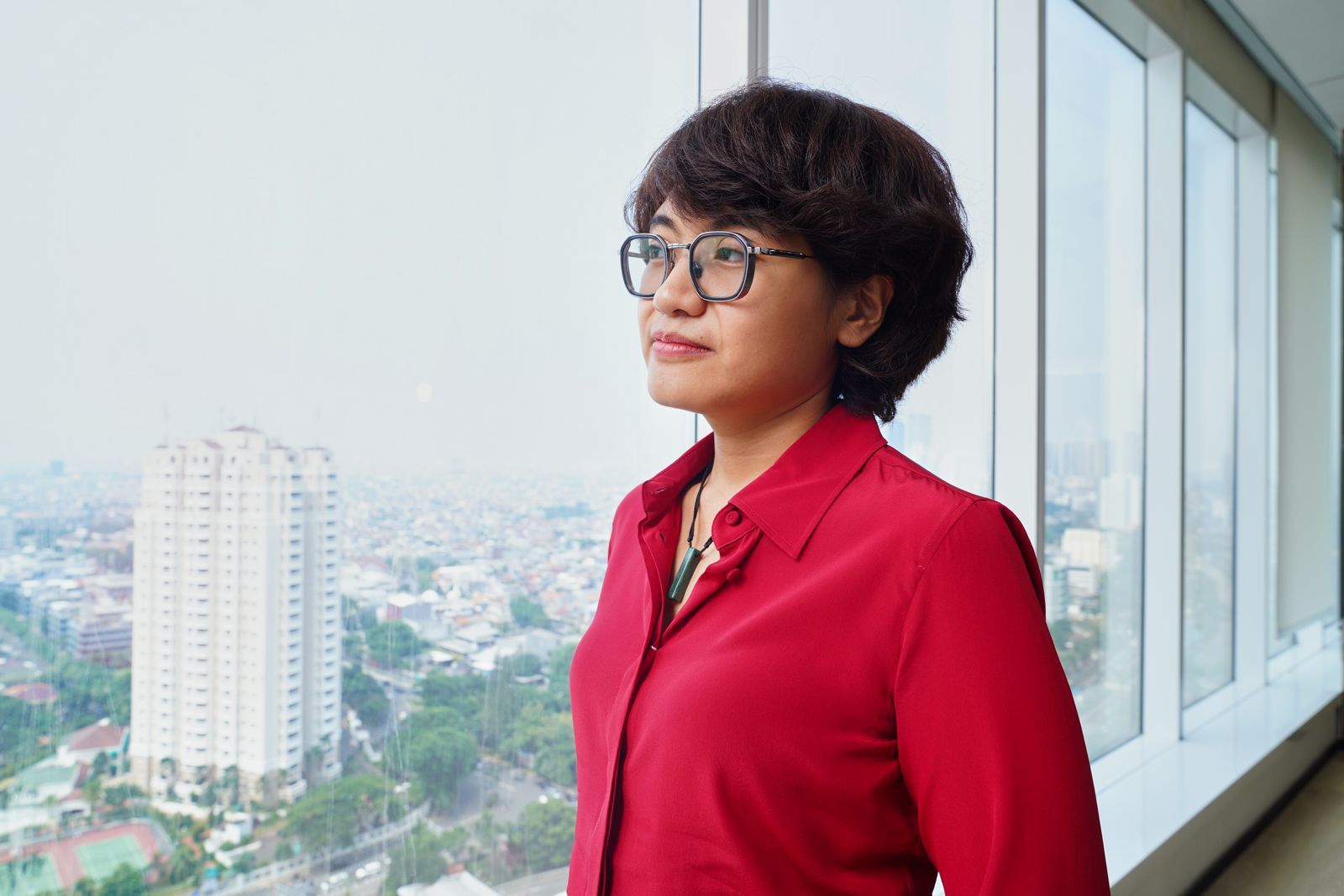
The Max Mara Art Prize for Women’s decision to host its tenth edition in Southeast Asia, with Indonesia as the focal point, is a strategic and impactful move. It acknowledges the burgeoning artistic talent and the unique cultural dialogues emanating from this region. By selecting five exceptionally talented female artists who represent a diverse range of practices and thematic concerns, the prize is not only celebrating individual artistic achievements but also illuminating the broader trajectory of contemporary art in Southeast Asia. This initiative promises to foster deeper cross-cultural understanding, provide invaluable opportunities for the selected artists, and ultimately enrich the global art landscape with fresh perspectives and compelling narratives. The world will be watching with keen interest as these artists continue their creative journeys, and as the Max Mara Art Prize for Women solidifies its role in championing vital artistic voices from around the globe.