Azin Asro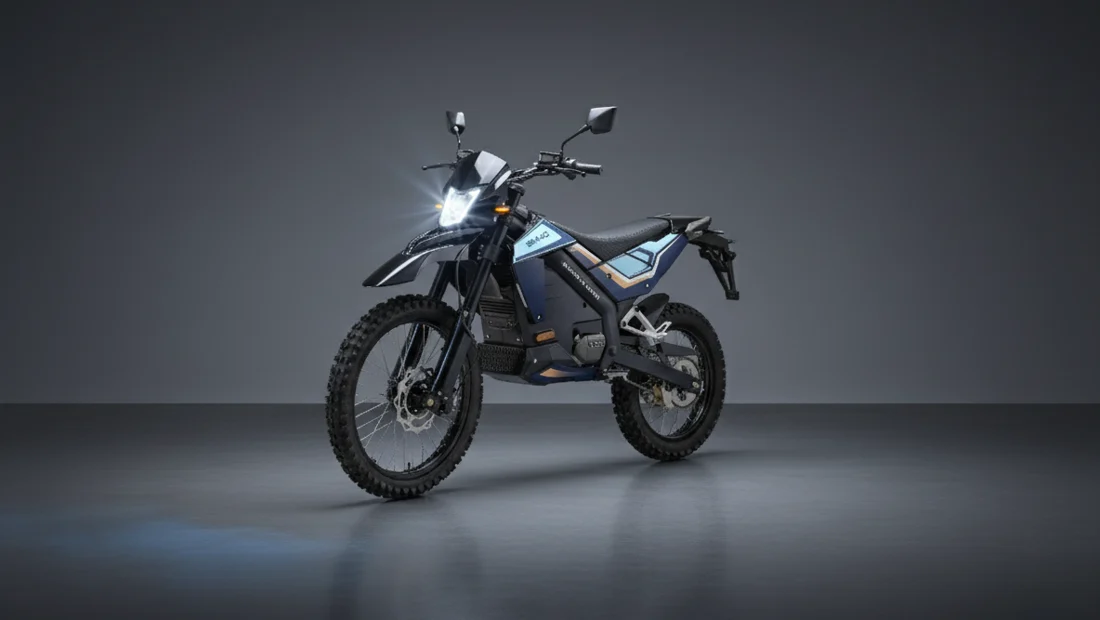
The emergence of the EMMO JVX GT electric motorcycle as a primary operational vehicle for Indonesia’s high-profile "Makan Bergizi Gratis" (MBG) or Free Nutritious Meal program has ignited a significant public debate regarding procurement transparency and industrial integrity. At the center of the controversy is the striking resemblance between the Indonesian-branded EMMO JVX GT and a Chinese product known as the Kollter ES1-X PRO, which is available on international wholesale platforms at a fraction of the local retail price. As the government prepares to scale up its flagship social welfare initiative, the disparity in pricing and the origin of the technology used have raised urgent questions among automotive experts, policymakers, and the general public.
The Pricing Disparity and Visual Identification
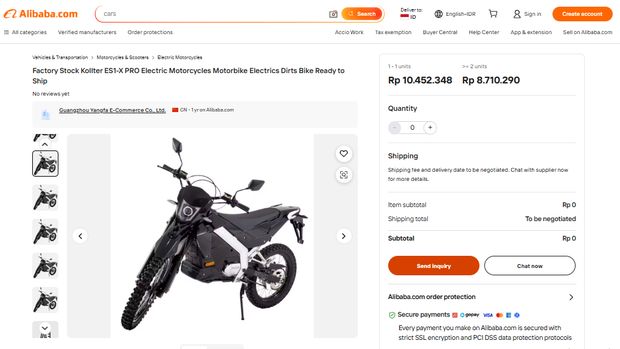
The controversy gained momentum following reports identifying the Kollter ES1-X PRO on the global marketplace Alibaba. As of mid-April 2024, the Chinese-manufactured motorcycle is listed at approximately Rp 10 million for the purchase of a single unit. Notably, for bulk purchases of two units or more, the price drops significantly to roughly Rp 8 million per unit. In stark contrast, the EMMO JVX GT, which is being positioned for use by the National Nutrition Agency (BGN) to facilitate the delivery of meals to school children, carries a domestic price tag of approximately Rp 56 million per unit.
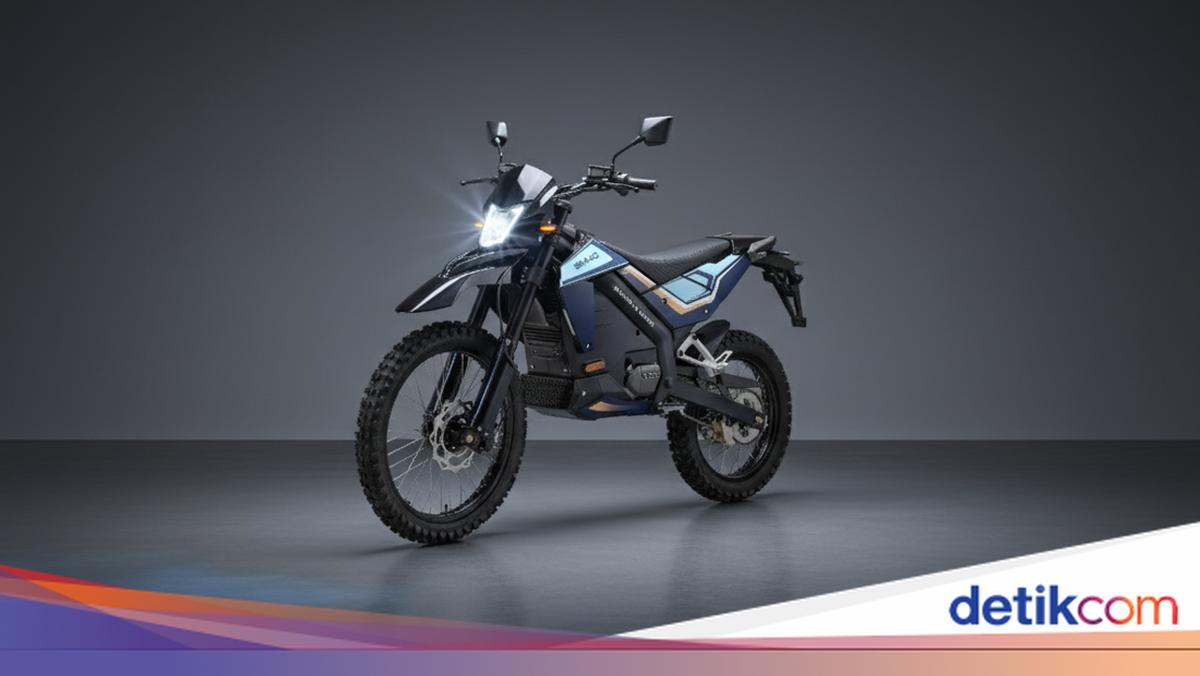
This price gap—representing a difference of nearly five to six times the original manufacturer’s listing—has led to accusations of excessive markups or inefficient procurement processes. From a visual standpoint, the two motorcycles appear virtually indistinguishable. Both models feature an identical "trail" or off-road aesthetic, characterized by a high-clearance frame, rugged tires, and a specific fairing design. Observers have noted that the differences between the EMMO JVX GT and the Kollter ES1-X PRO are limited almost exclusively to branding elements, such as the company emblems and decorative striping.
Beyond the general silhouette, the granular details of the vehicles are remarkably consistent. The headlight assemblies, windshield configurations, seat ergonomics, chassis frames, and rear fenders are identical in shape and placement. Even minor aesthetic features, such as the double-stripe accents on the fairing, the positioning of the side reflectors (mata kucing) near the footpegs, and the specific iron-rail accents on the tail section, suggest that both vehicles originate from the same assembly line or use the exact same set of molds and components.
Technical Specifications and Shared DNA
While comprehensive technical specifications for the Kollter ES1-X PRO are not fully detailed on every wholesale listing, the available data points to shared hardware between the two models. Both motorcycles are reported to utilize a 72V battery system, providing an estimated operational range of 70 to 80 kilometers on a single charge. This performance profile is standard for mid-range electric motorcycles intended for urban and semi-rural logistics, making it a suitable candidate for the short-to-medium distance deliveries required by the MBG program.
The EMMO JVX GT’s marketing material emphasizes its durability and suitability for Indonesian terrain, yet the lack of transparency regarding its "local content" (TKDN) or its original design ownership has fueled skepticism. In the automotive industry, the practice of "rebadging"—where a company imports a vehicle and applies its own brand—is not uncommon. However, when such vehicles are procured for government programs using public funds, the level of local value-add and the justification for the final price point come under intense scrutiny.
The Context of the Makan Bergizi Gratis (MBG) Program
The "Makan Bergizi Gratis" program is a cornerstone policy of the incoming administration, aimed at addressing stunting and improving the nutritional intake of millions of Indonesian students. The program requires a massive logistical network, including specialized kitchens and a fleet of delivery vehicles capable of navigating diverse geographical landscapes. The choice of electric motorcycles aligns with the government’s broader commitment to energy transition and reducing carbon emissions.
However, the success of the MBG program depends heavily on the efficient use of the state budget (APBN). If the vehicles used for the program are perceived to be overpriced or lack genuine local manufacturing roots, it could undermine public trust in the initiative. The National Nutrition Agency, led by Dadan Hindayana, has been tasked with managing the pilot projects and full-scale rollout of the meal program. Despite the growing noise surrounding the EMMO JVX GT, official responses from the BGN have remained elusive, with leadership yet to provide a detailed explanation for the vehicle selection or the procurement costs involved.
Expert Analysis: The CKD Dependency and Economic Impact
Yannes Pasaribu, a senior automotive observer and academic from the Bandung Institute of Technology (ITB), offers a critical perspective on why such design similarities exist. According to Pasaribu, the phenomenon of Indonesian electric motorcycles mirroring Chinese products is a direct result of the industry’s current structural weaknesses. He argues that many local players opt for the Completely Knocked Down (CKD) route, importing almost all components from China and performing only basic assembly in Indonesia.
"This phenomenon occurs because the majority of the Indonesian electric motorcycle industry is still dependent on CKD kits from China," Pasaribu explained. "There is a reluctance to build a domestic component industry network because companies are chasing faster profits with minimal investment in research and development."
Pasaribu further noted that the primary reasons for this trend are standardized: lower initial production costs, immediate access to existing technology, and the ability to quickly meet the administrative requirements for the e-Katalog system managed by the National Public Procurement Agency (LKPP). By utilizing existing Chinese designs, local companies can bypass the lengthy and expensive process of designing a vehicle from the ground up, allowing them to enter the market rapidly and participate in lucrative government tenders.
However, this "shortcut" comes with significant long-term costs. Pasaribu warns that a reliance on imported designs and components prevents genuine technology transfer. "As a result, our assembly industry only provides minimal economic value-add for Indonesia. Technology transfer is slowed down, and our dependency on imported components grows, leading to significant capital flight," he added.
Chronology of the Controversy
The timeline of the controversy traces back to the early pilot phases of the MBG program in early 2024. As the government began showcasing the logistics of the program, the EMMO JVX GT was introduced as a robust, eco-friendly solution for meal delivery.
- Late 2023 – Early 2024: The National Nutrition Agency begins planning the logistics for the Free Nutritious Meal program, identifying the need for a versatile delivery fleet.
- March 2024: The EMMO JVX GT is first seen in promotional materials and pilot project sites, branded as an Indonesian-supported solution for the MBG program.
- Early April 2024: Social media users and automotive enthusiasts begin drawing parallels between the EMMO model and the Kollter ES1-X PRO found on Alibaba.
- Mid-April 2024: Detailed price comparisons emerge, highlighting the Rp 40 million+ difference between the Chinese wholesale price and the Indonesian retail price.
- Present: Journalists and industry analysts seek clarification from EMMO and the National Nutrition Agency. As of this report, EMMO has remained closed regarding the procurement details, and BGN head Dadan Hindayana has not responded to inquiries.
Implications for the Indonesian EV Industry
The EMMO JVX GT case serves as a microcosm of the challenges facing Indonesia’s electric vehicle (EV) ambitions. The government has set ambitious targets for EV adoption and aims to become a regional hub for battery production and vehicle assembly. To support this, policies like the TKDN (Domestic Component Level) requirements are designed to encourage local manufacturing.
When a vehicle like the EMMO JVX GT is marketed as a local solution but appears to be a rebadged import, it raises questions about the rigor of TKDN certifications. If the "local" part of the motorcycle is merely the assembly labor and the application of stickers, the goal of building a self-sufficient industrial base remains unfulfilled. Furthermore, if government procurement favors these "pseudo-local" products over those with genuine domestic R&D, it may discourage truly innovative Indonesian startups from entering the market.
The price discrepancy also highlights the complexities of the Indonesian market, where import duties, luxury taxes (though often waived for EVs), shipping costs, and the costs of establishing a local dealer and service network add to the final price. However, even with these factors accounted for, a 500% markup remains difficult for the public to digest without a transparent breakdown of costs.
Conclusion and Future Outlook
The controversy surrounding the EMMO JVX GT is more than just a story about a motorcycle; it is a test of the government’s commitment to transparency and industrial development. As the "Makan Bergizi Gratis" program moves toward full implementation, the procurement of its supporting infrastructure will remain under the microscope.
For the EMMO JVX GT to shed its controversial image, both the manufacturer and the National Nutrition Agency must provide clear evidence of the vehicle’s value proposition. This includes disclosing the actual level of local manufacturing involved, the breakdown of the Rp 56 million price tag, and the reasons why a seemingly identical product is available globally for a fraction of the cost.
In the broader sense, Indonesia must decide whether it wants to be a nation of assemblers or a nation of innovators. As Yannes Pasaribu pointed out, the current path of least resistance—relying on Chinese designs for quick profits—may provide short-term gains but risks leaving the country’s automotive industry in a state of permanent dependency. For the EV transition to truly benefit the Indonesian economy, the focus must shift from merely "filling the streets" with electric bikes to building the intellectual and industrial capacity to design and manufacture them at home. Until then, products like the EMMO JVX GT will continue to be viewed with a mixture of curiosity and skepticism.