Nila Kartika Wati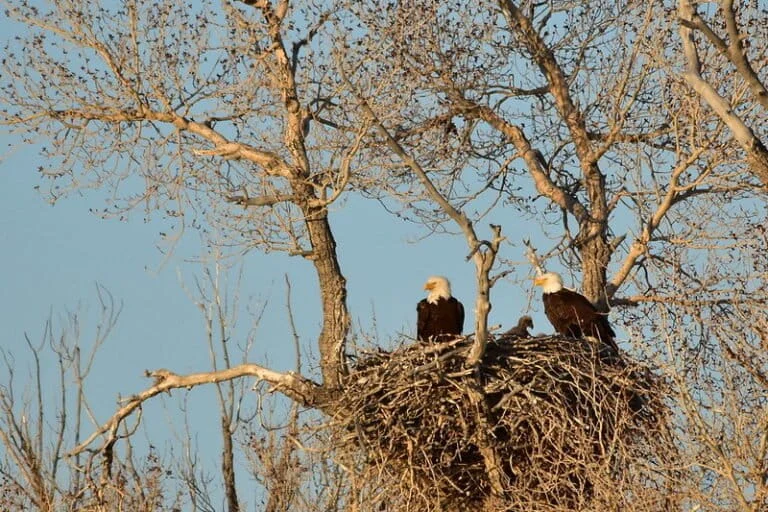
In the vast kingdom of avian life, various species exhibit remarkable skills as natural architects, constructing dwellings that often defy the logic of their physical dimensions. However, no species rivals the ambition, persistence, and engineering prowess of the bald eagle (Haliaeetus leucocephalus) when it comes to establishing a permanent residence. This iconic bird of prey holds the undisputed world record for building the largest nests of any bird species ever documented in the history of ornithology. These massive structures, technically known as aeries, are far more than temporary shelters; they represent the lifelong dedication of a bonded pair, manifesting as fortified aerial bastions that can persist for decades through meticulous maintenance and seasonal expansion.
The scale of these nests is difficult to grasp without direct comparison to human-engineered structures. While many birds build a new nest each spring, the bald eagle adopts a philosophy of cumulative construction. By returning to the same site year after year and adding fresh layers of branches and organic lining, the eagles transform a simple platform into a heavy, multi-ton monument. This behavioral trait is not merely an architectural quirk but a sophisticated survival strategy that balances energy expenditure with the thermal and protective needs of their offspring.
The Record-Breaking Dimensions of the Florida Aerie
The most extraordinary example of bald eagle architecture ever recorded was discovered in St. Petersburg, Florida. This specific nest became a focal point for researchers and ornithologists due to its staggering proportions. Measuring approximately 2.9 meters (9.5 feet) in width and plunging to a depth of 6 meters (20 feet), the structure was estimated to weigh more than 2 metric tons. To provide a relatable perspective, the weight of this single nest was equivalent to two mid-sized automobiles perched precariously atop a tree.
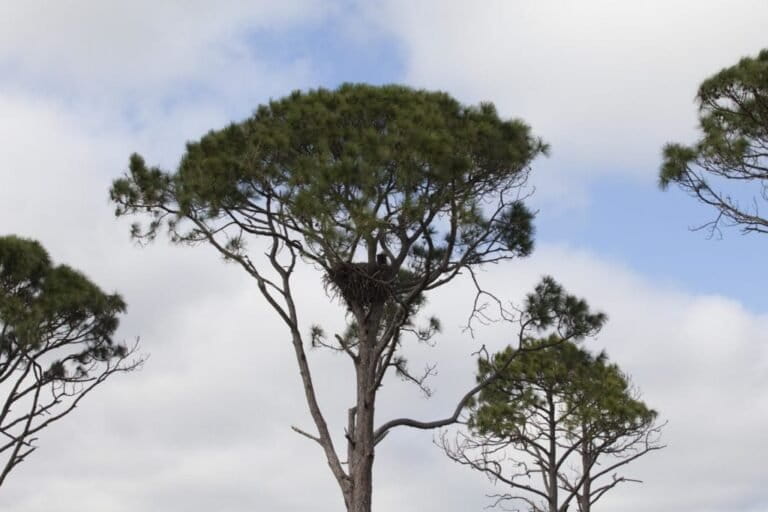
Such a massive burden requires a foundation of exceptional strength. Bald eagles typically select "super-canopy" trees—individuals that stand taller than the surrounding forest—such as ancient pines, firs, or cypress trees. The structural integrity of the nest relies on the eagle’s ability to wedge thick branches into the crotch of a tree where the trunk divides into major limbs. Over time, the sheer weight of the nest compresses the lower layers, creating a dense, interlocking matrix of wood that can withstand the hurricane-force winds often encountered in coastal or high-altitude habitats.
The Florida record serves as a benchmark for the species’ potential, but it is not an isolated phenomenon. Throughout North America, nests weighing half a ton or more are relatively common in regions with stable food sources and mature forests. The longevity of these structures is a testament to the birds’ instinctual understanding of load-bearing physics and environmental durability.
Engineering and Thermal Regulation: The Secret to Decades of Use
The longevity of a bald eagle’s nest is the result of a highly disciplined construction process. According to data from the American Eagle Foundation, the decision to reuse a nest provides significant evolutionary advantages. Building a large nest from scratch is an energy-intensive process that can take weeks of constant labor. By maintaining an existing structure, a pair can devote more energy to hunting and defending their territory during the critical early weeks of the breeding season.
Internally, the aerie is far more than a pile of sticks. While the exterior is composed of rugged, weather-resistant branches, the interior "cup" where the eggs are laid is a masterpiece of soft-tissue engineering. Eagles meticulously line the center with fine materials including moss, dried grass, cornstalks, and their own downy feathers. This lining serves two primary purposes: cushioning the eggs against the rough wooden frame and providing essential thermal insulation.
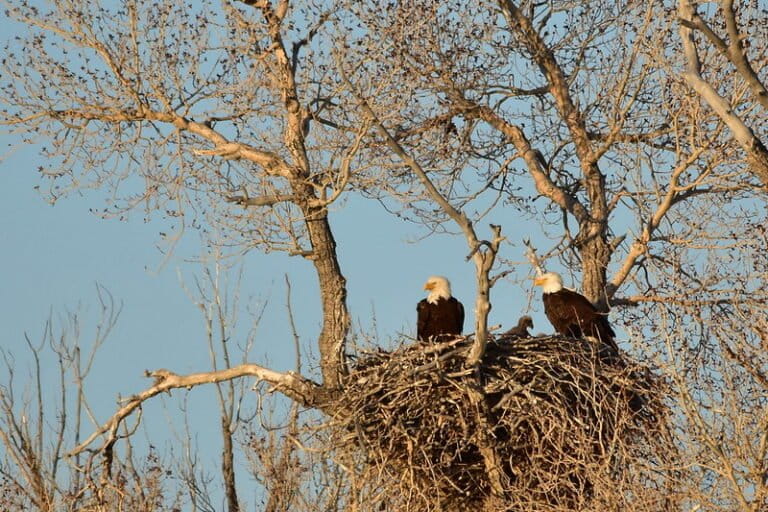
Research into nest ecology suggests that the sheer mass of the nest acts as a thermal buffer. The thick walls of wood and organic debris protect the interior from rapid temperature fluctuations. Furthermore, as the older material at the bottom of the nest begins to decompose, the chemical process of decay generates a small amount of heat. In colder climates, this "natural floor heating" can be a deciding factor in the survival of chicks during unexpected late-spring freezes.
Chronology of a Legacy: From Starter Nest to Aerial Fortress
The life cycle of a bald eagle nest follows a predictable but impressive chronology. A young pair, often establishing their first territory, will begin with a "starter nest" that is usually 1.5 meters wide and less than a meter deep. If the location proves successful—offering a clear line of sight for defense and proximity to a reliable body of water for fishing—the pair will commit to the site for the duration of their lives.
- Phase One: Site Selection. The eagles identify a dominant tree within 1 to 2 kilometers of a lake, river, or coastline.
- Phase Two: Foundation Building. Large sticks are woven into a circular platform. This phase is critical, as a weak foundation will cause the nest to collapse under its own weight within a few years.
- Phase Three: Annual Expansion. Each year, usually weeks before the first egg is laid, the pair adds a new layer of "greenery" and fresh sticks. This addition can increase the nest’s height by 10 to 30 centimeters annually.
- Phase Four: Structural Maturation. After 10 to 15 years, the nest reaches a "critical mass" where it becomes a permanent landmark in the landscape.
- Phase Five: Succession or Collapse. Some nests are used by successive generations of eagles if the original pair dies, extending the nest’s life to 30 or even 50 years. Eventually, either the weight of the nest breaks the supporting limbs, or the tree itself dies and topples, returning the nutrients to the forest floor.
Environmental and Legal Protections for Nesting Sites
The presence of a massive bald eagle nest is more than a biological wonder; it is a primary indicator of a healthy ecosystem. Because these birds sit at the top of the food chain, their ability to successfully maintain a nest over decades suggests a stable supply of fish and waterfowl and a lack of chemical contamination in the local environment.
Recognizing the importance of these structures, the U.S. Fish and Wildlife Service (USFWS) has established the National Bald Eagle Management Guidelines. Under the Bald and Golden Eagle Protection Act, it is a federal offense to disturb or destroy an active or even an inactive nest without a specific permit. These legal protections were instrumental in the recovery of the species after the devastating impacts of DDT in the mid-20th century.
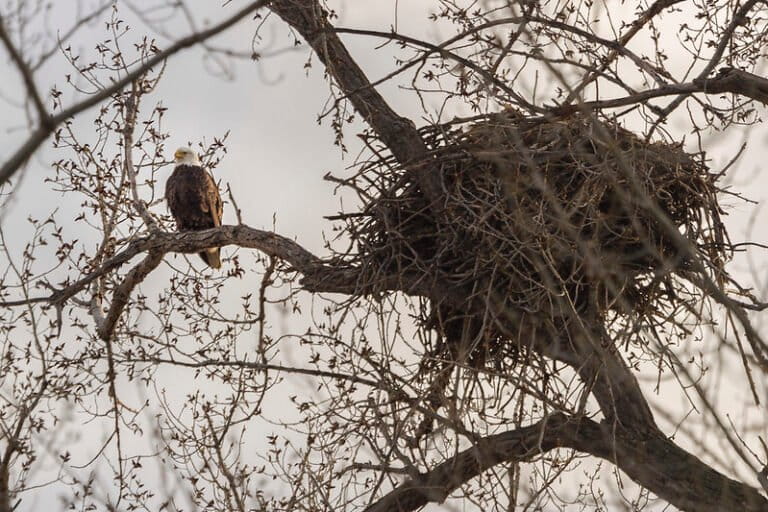
Official guidelines require a buffer zone around nesting trees, typically preventing construction or heavy human activity within 100 to 200 meters of the site. This "quiet zone" ensures that the eagles do not abandon their massive investment due to stress. Biologists note that when eagles feel secure in their habitat, their nesting success rate—defined as the number of fledglings produced per year—increases significantly.
Broader Impact and the Future of Eagle Architecture
The massive aeries of the bald eagle serve as a focal point for biodiversity. Smaller bird species, such as house sparrows or wrens, have been known to build their own tiny nests within the crevices of the eagle’s giant stick matrix. This creates a multi-tiered avian "apartment complex" where the smaller birds benefit from the protection of the eagle’s presence, as most predators are too intimidated by the raptors to approach the tree.
However, the future of these architectural wonders faces new challenges. Climate change has led to an increase in the frequency and intensity of "superstorms" and hurricanes, which can topple even the most robust nesting trees. Furthermore, as urban sprawl continues, the "super-canopy" trees required by eagles are becoming increasingly rare. In response, some conservation groups have begun installing "artificial nesting platforms"—heavy-duty steel and wood structures designed to mimic the crotch of a tree—to encourage eagles to nest in safer, managed areas.
The resilience of the bald eagle is inextricably linked to the resilience of its home. The 2-ton nest in Florida and the thousands of others like it across the continent are symbols of endurance. They remind us that in the natural world, success is built layer by layer, year by year, through the tireless application of instinct and the preservation of the environment that sustains it. As long as these "castles in the sky" continue to grow, they remain a vivid testament to the intelligence and majesty of one of the world’s most formidable apex predators.