Nila Kartika Wati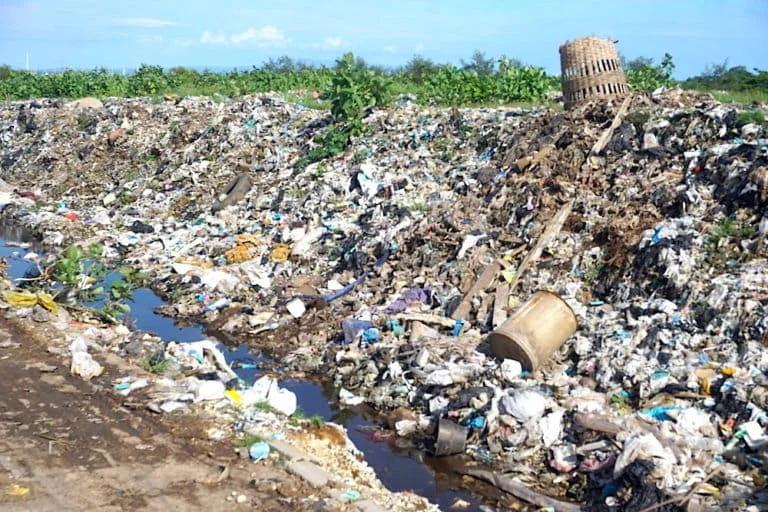
The chronic mismanagement of the Suwung Landfill (TPA Suwung) in Bali has escalated into a major legal battle, culminating in the naming of I Made Teja, the former Head of the Bali Provincial Environmental Service (DLH) for the 2019-2024 period, as a suspect. This landmark decision by the Ministry of Environment and Forestry (KLHK) underscores the growing legal accountability for environmental degradation caused by administrative negligence in Indonesia. The determination of Teja’s status was formalized in a warrant issued by the Deputy for Environmental Law Enforcement of the Ministry of Environment/Environmental Management Agency, under document number S.Tap.02/I.4/PPNS/GKM/B/III/2026, dated March 16, 2026. The warrant was signed directly by Brigjen Pol. Frans Tjahjono, the Director of Environmental Law Enforcement.
According to the official investigation, authorities discovered at least two pieces of sufficient evidence to suggest that a criminal act against the environment had occurred under Teja’s tenure. The core of the allegation rests on professional negligence; specifically, that Teja failed to implement waste management protocols that adhered to established norms, standards, procedures, and criteria. This failure is cited as the primary cause of widespread public health disturbances, security risks, environmental pollution, and the destruction of local ecosystems. The legal action follows years of complaints from residents and environmental activists regarding the deteriorating state of Bali’s largest waste disposal site.
The Legal Framework and Potential Penalties
The charges against the former official are rooted in a combination of national statutes designed to protect public health and the environment. Specifically, Teja’s actions are alleged to have violated Article 41 of Law Number 18/2008 concerning Waste Management. This article stipulates that any manager who, through negligence, fails to follow waste management procedures, resulting in environmental damage or health hazards, can face criminal prosecution. Under this law, the maximum penalty for such negligence is three years of imprisonment and a fine of up to IDR 100 million. However, if the negligence results in serious injury or death, the penalties increase significantly to five years of imprisonment and a fine of IDR 500 million.
Furthermore, the investigation points toward a violation of Article 99, paragraph (1) of Law Number 32/2009 on Environmental Protection and Management (PPLH), as amended by the Omnibus Law on Job Creation. This particular statute addresses the failure to comply with business licensing or government approvals that leads to the exceedance of ambient air quality standards, water quality standards, seawater quality standards, or environmental damage criteria. The penalties under the PPLH Law are much more severe, carrying a minimum of one year and a maximum of three years of imprisonment, with fines ranging from IDR 1 billion to IDR 3 billion.
In response to the legal proceedings, the Bali Provincial Government has moved to provide legal assistance to its former department head. Ngurah Satria Wardana, Head of the Legal Bureau of the Bali Provincial Government, confirmed that the administration has prepared two to three lawyers to assist Teja. Wardana noted that the legal support is a standard procedure because the charges are directly related to the execution of Teja’s official duties during his time as the head of the DLH.
The Chronic Crisis at TPA Suwung
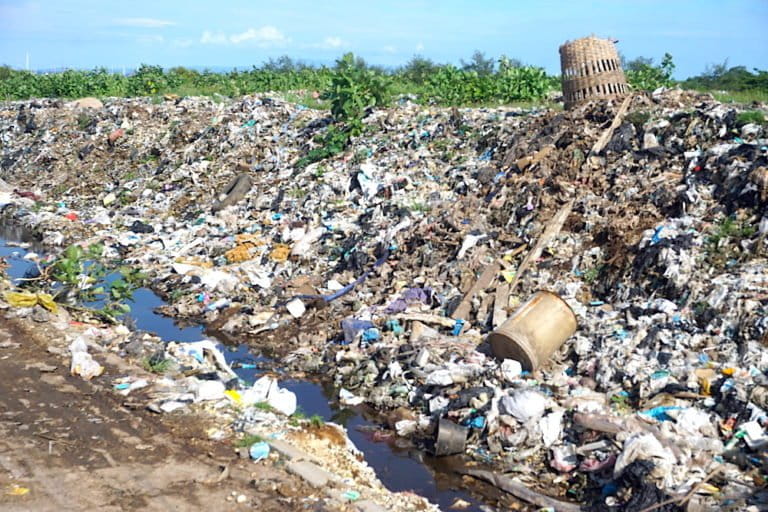
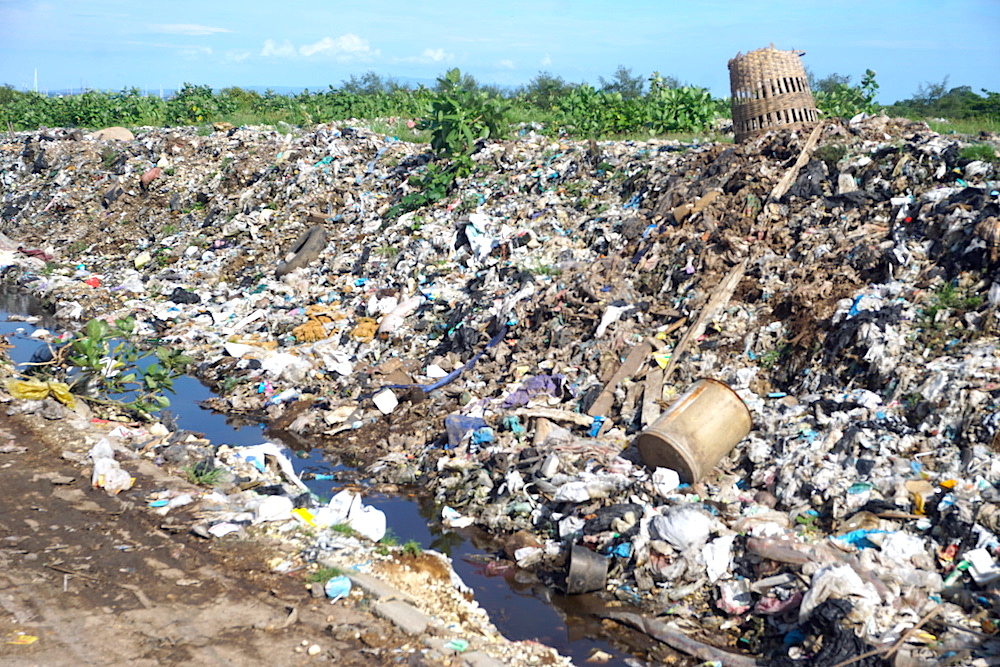
TPA Suwung, located in the Serangan area of Denpasar, has long been a symbol of Bali’s struggling waste infrastructure. Spanning over 32 hectares, it serves as the primary disposal site for the "SARBAGITA" region, which includes Denpasar, Badung, Gianyar, and Tabanan. For decades, the site has operated using "open dumping" methods, which are technically prohibited under the 2008 Waste Management Law, which mandates a transition to sanitary landfills.
The facility’s history is marred by frequent disasters. In late 2023, a massive fire broke out at the landfill, fueled by methane gas buildup and extreme heat, blanketing Denpasar in toxic smoke for weeks and forcing the evacuation of nearby residents. Beyond the fires, the "mountain" of trash—reaching heights of over 20 meters—has frequently leaked leachate (toxic liquid runoff) into the surrounding mangrove forests and the Benoa Bay.
The decision to name Teja a suspect is seen by many environmentalists as a delayed but necessary step. While the former official is the first to be targeted, the case highlights a systemic failure to modernize waste processing in Bali, a province that relies heavily on its image as a pristine "Green Tourism" destination.
The Organic Waste Ban and Resulting Chaos
The legal developments coincide with a period of intense transition for Bali’s waste management strategy. In an effort to prolong the life of the overcapacity landfill, the Bali Provincial Government implemented a strict ban on organic waste disposal at TPA Suwung starting April 1, 2026. Under this policy, only residual waste (non-recyclable and non-organic) is permitted to enter the facility.
Governor Wayan Koster has defended the policy, stating that it is a necessary "shock therapy" to force households and businesses to sort their waste at the source. During a meeting with Winarto, the Principal Inspector of the Ministry of Environment, Koster reported that the number of garbage trucks entering Suwung had dropped by more than 50% since the ban took effect. Previously, the landfill received upwards of 500 trucks per day; that number has now dwindled significantly.
"Starting April 1, only residue is allowed. This is extraordinary progress," Koster remarked. He acknowledged that the initial implementation caused "commotion," particularly among private waste collectors who were turned away at the gates for carrying mixed waste. The Governor has set a hard deadline of July 31, 2026, for the total closure of TPA Suwung, after which all waste must be processed at Integrated Waste Treatment Sites (TPST) or Village-scale Waste Treatment Sites (TPS3R).
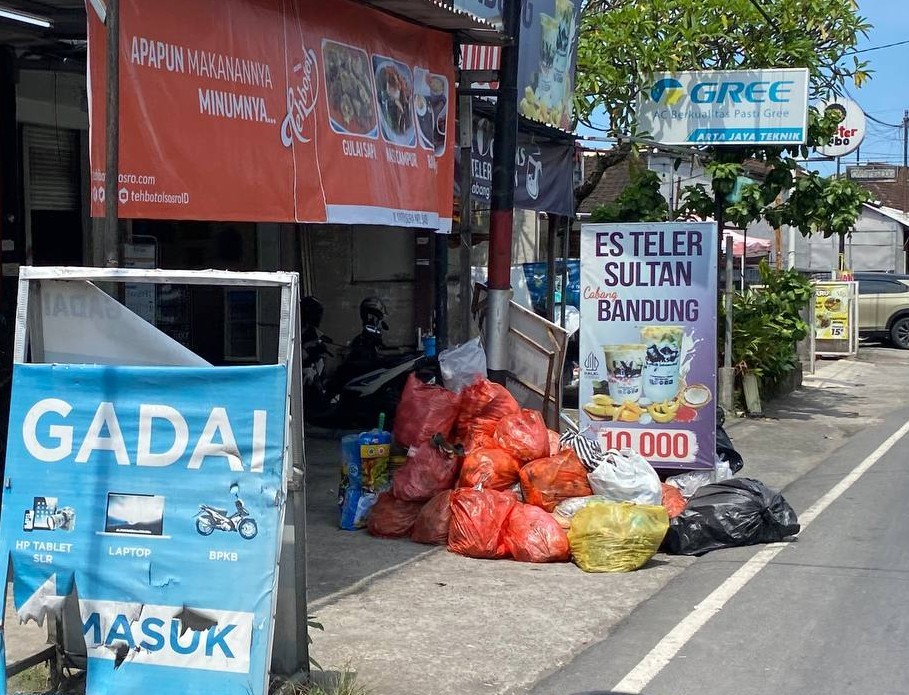
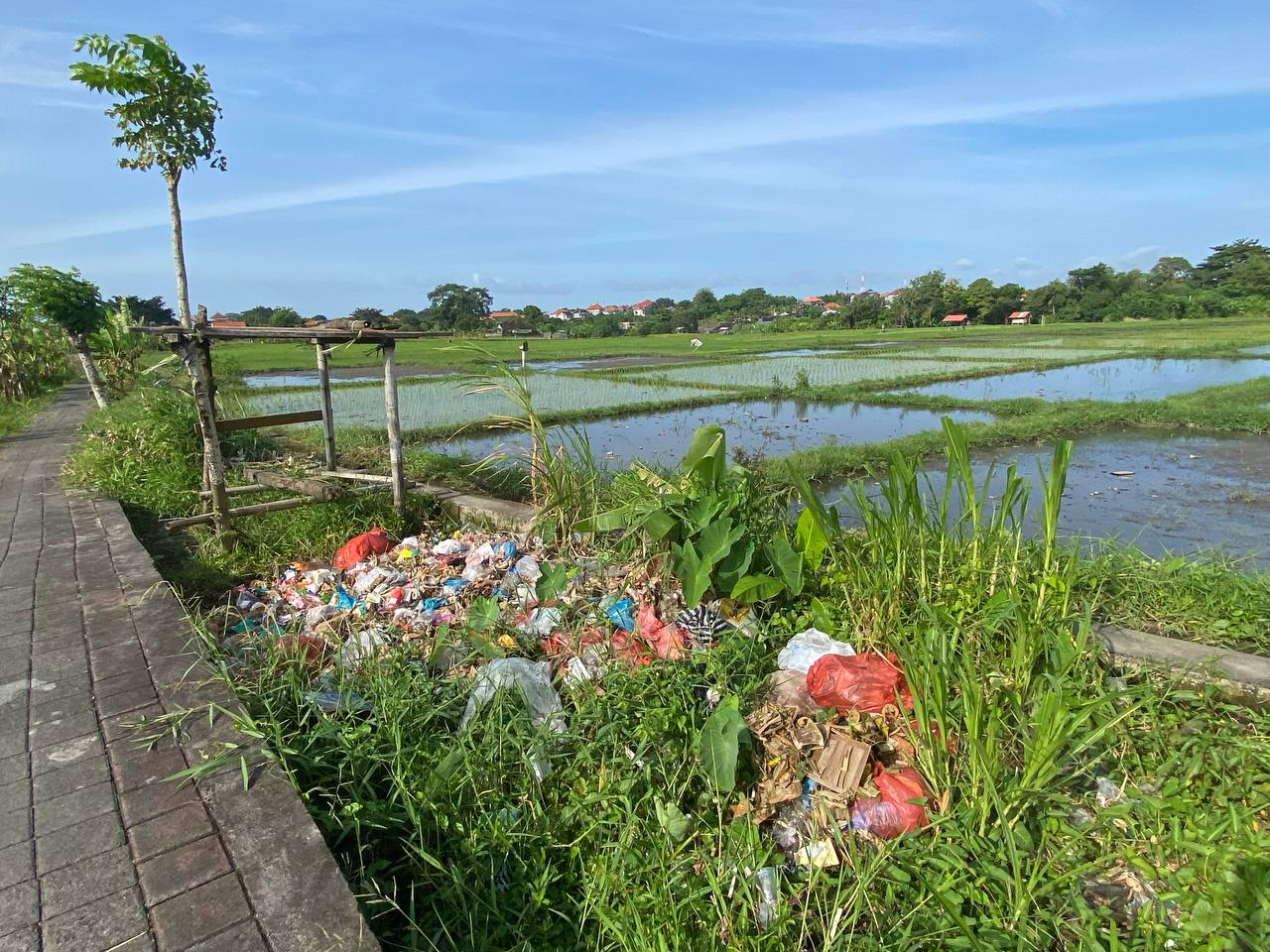
However, the reality on the ground paints a much bleaker picture. The ban has triggered a surge in illegal dumping. With many residents and businesses lacking the knowledge or infrastructure to compost organic waste, trash has begun piling up in residential areas, on roadsides, and along riverbanks. In Denpasar, "makeshift" landfills have appeared in vacant lots and even in the middle of rice fields.
Gusti, a local waste truck driver, shared the frustrations of those on the front lines. "We used to pick up waste twice a week; now we can only manage once because the sorting process takes so long, and the queues at the processing centers are endless," he said. He noted that he has had to drop several long-time customers because his team cannot keep up with the labor-intensive requirement of sorting organic from inorganic waste before transport.
Scientific Evidence of Environmental Poisoning
The legal case against Teja is bolstered by recent scientific findings. A 2025 study conducted by Ni Komang Ayu Dghe Ananda from the Denpasar Health Polytechnic revealed that the pollution from TPA Suwung has reached the groundwater, directly affecting the health of local residents.
The research focused on "sumur gali" (dug wells) located within a 50 to 300-meter radius of the landfill. Out of 11 water samples tested on April 24, 2025, researchers found that several wells exhibited a distinct "fishy" or metallic odor (bau anyir). This odor is a primary indicator of contamination by organic compounds and heavy metals leaching from the massive piles of decomposing waste.
Furthermore, the study measured high levels of Total Dissolved Solids (TDS), suggesting that the leachate has permeated the aquifer. For residents living in the shadow of the landfill, these wells are often their only source of water for washing and, in some cases, cooking. The study concluded that the "open dumping" practice at Suwung had created a permanent environmental debt that would take decades to remediate, even after the site is closed.
Broader Implications for Bali’s Future
The prosecution of I Made Teja serves as a warning to other regional heads across Indonesia. As the central government tightens environmental regulations through the KLHK, the "business as usual" approach to waste management—characterized by simply moving trash from one place to another—is no longer legally viable.
For Bali, the stakes are even higher. The province is currently attempting to position itself as a leader in sustainable tourism. However, the visual of trash-choked rivers and the smell of burning plastic at Suwung stands in stark contrast to the "Wonderful Indonesia" marketing campaigns. The failure to provide a seamless transition from the Suwung landfill to functional TPST facilities has created a gap that is currently being filled by illegal dumping, which may cause even more decentralized environmental damage.
The legal case is expected to proceed to court later this year. If convicted, Teja’s case will set a significant precedent in Indonesian environmental law, potentially shifting the focus from corporate polluters to the government officials responsible for the oversight of public utilities.
As the July 31st closure deadline for TPA Suwung approaches, the provincial government faces the monumental task of operationalizing several new TPST facilities (such as those in Kesiman Kertalangu and Tahura). Until these facilities can operate at full capacity, the "waste emergency" in Bali is likely to persist, leaving the public to deal with the consequences of decades of mismanagement. The outcome of the Teja trial will likely determine whether future officials prioritize environmental standards over administrative convenience.