Nila Kartika Wati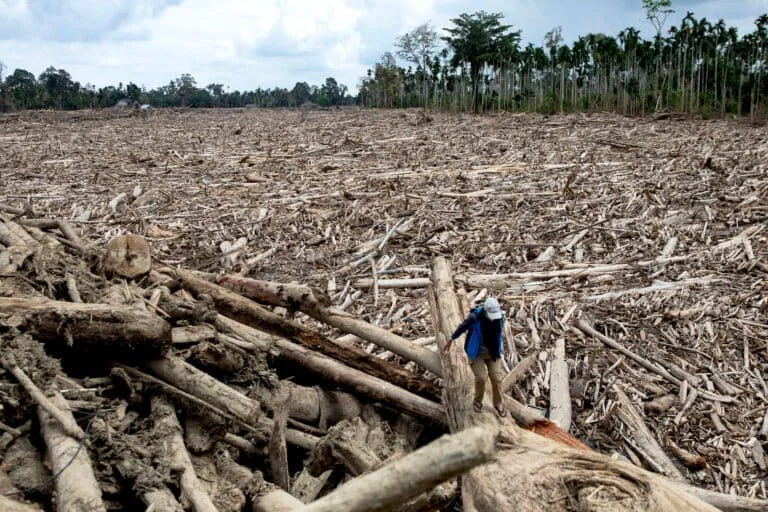
The Indonesian government’s decision to reinstate the mining permit for the Martabe gold mine in South Tapanuli, North Sumatra, has ignited a firestorm of criticism from environmental advocates, legal scholars, and local communities. This move, which allows PT Agincourt Resources to resume its operations in one of the world’s most biodiverse and geologically sensitive regions, is being viewed by many as a significant regression in the state’s commitment to environmental protection and disaster mitigation. Critics argue that the reinstatement not only heightens the risk of ecological catastrophe in the Batang Toru ecosystem but also exemplifies a profound inconsistency in national policy following a series of deadly natural disasters linked to extractive industries.
The announcement came through Yuliot Tanjung, the Deputy Minister of Energy and Mineral Resources (ESDM), who confirmed that PT Agincourt Resources is cleared to resume activities. This follows the Ministry of Environment and Forestry’s (KLH) decision to return the company’s environmental permit, which had been previously revoked or suspended as part of a broader crackdown on firms operating in disaster-prone areas. According to government officials, the revocation of sanctions by the KLH serves as the legal basis for the company to restart its gold mining and processing operations.
Katarina Siburian Hardono, Senior Manager of Corporate Communications for PT Agincourt Resources, confirmed the government’s decision. However, she noted that the mine has not yet returned to full operational status. The company is currently in a phase of intensive coordination with various government agencies to ensure that all administrative and technical requirements are met before the machinery begins to turn again. This transitional period is being closely watched by observers who remain skeptical of the company’s ability to operate safely in a landscape that has recently been ravaged by environmental instability.
The Ecological Significance of Batang Toru
To understand the weight of the opposition, one must look at the Batang Toru ecosystem itself. Rianda Purba, Executive Director of the Indonesian Forum for the Environment (Walhi) in North Sumatra, describes the region as the "heart of Sumatra." This primary forest area is a critical life-support system, providing essential ecosystem services to hundreds of thousands of people. Five major rivers originate from these highlands, serving as the primary water source for agriculture, domestic use, and industry for communities spanning several regencies.
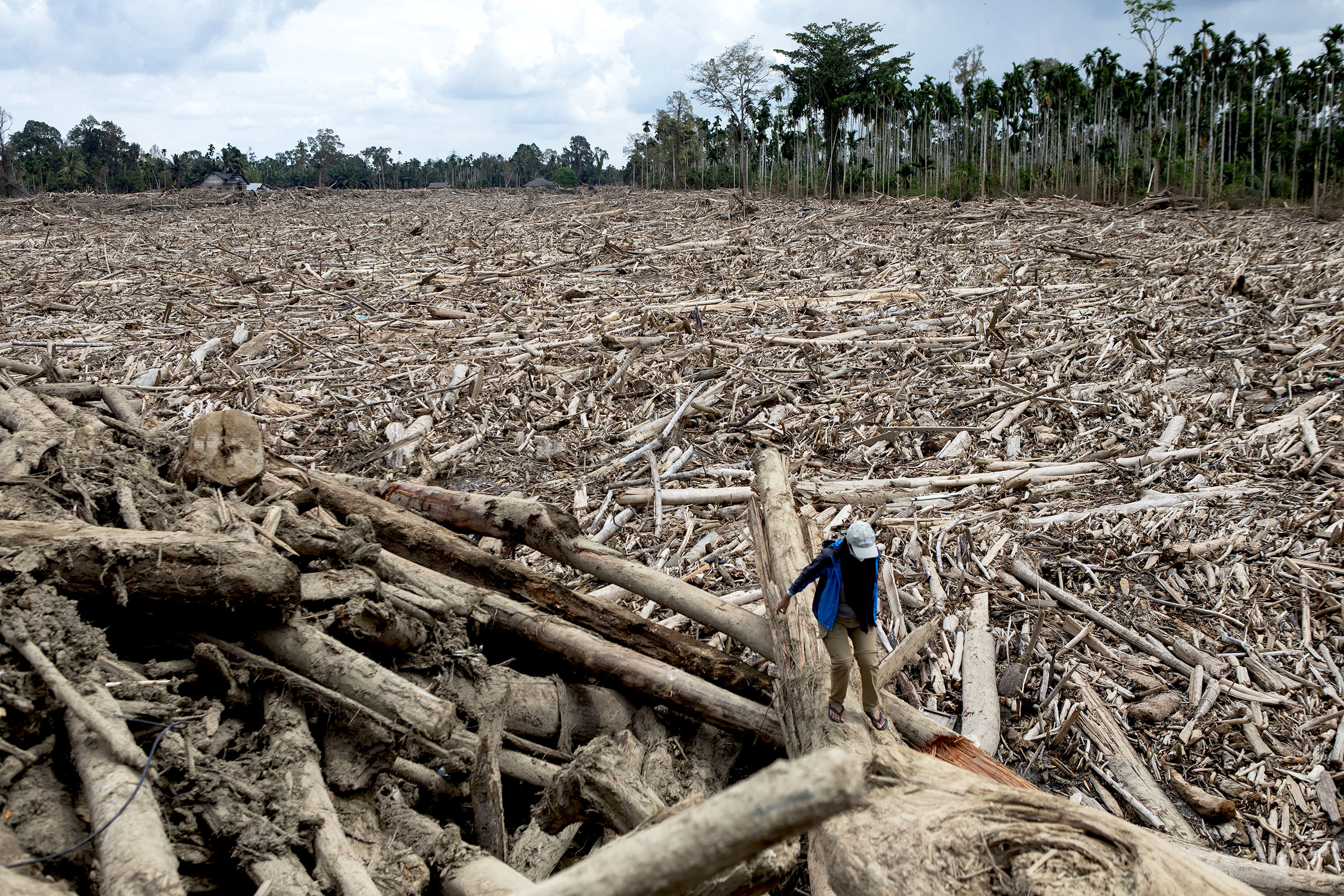
The Batang Toru ecosystem is not merely a collection of trees; it is a complex regulator of the regional climate and a vital buffer against natural disasters. When mining activities involve large-scale land clearing and the excavation of mountainsides, the forest’s ability to absorb rainwater is severely compromised. This leads to a dangerous hydrological shift: water that was once slowly filtered through the soil now rushes downstream as surface runoff, dramatically increasing the frequency and intensity of flash floods.
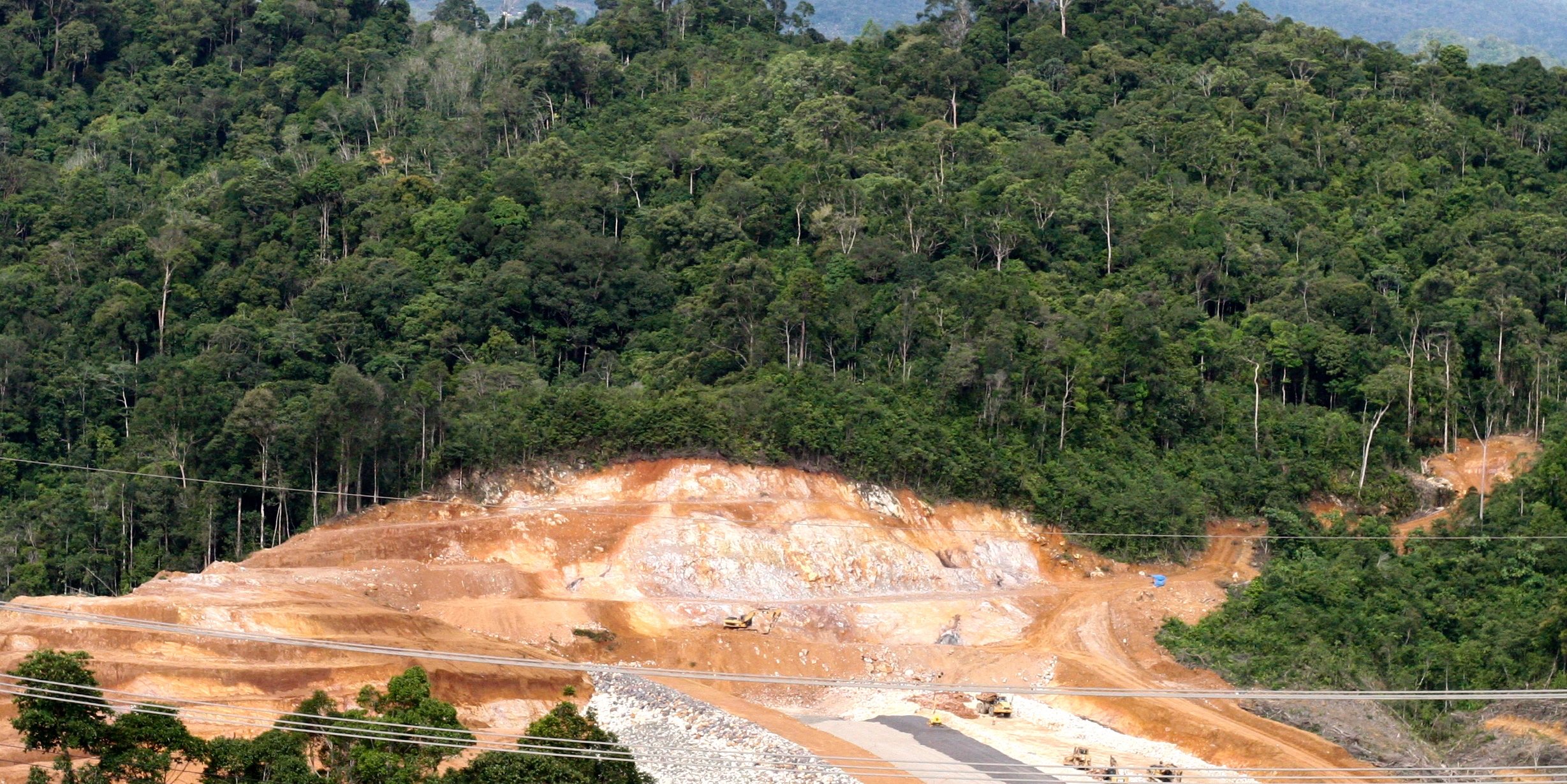
Furthermore, the region is situated on a highly active tectonic zone. The presence of the Great Sumatran Fault makes the area prone to earthquakes, which, when combined with steep terrain and high rainfall, creates a "perfect storm" for landslides. Environmentalists argue that any large-scale industrial intervention in such a volatile landscape is a high-stakes gamble with human lives.
A Chronology of Disaster and Policy Reversal
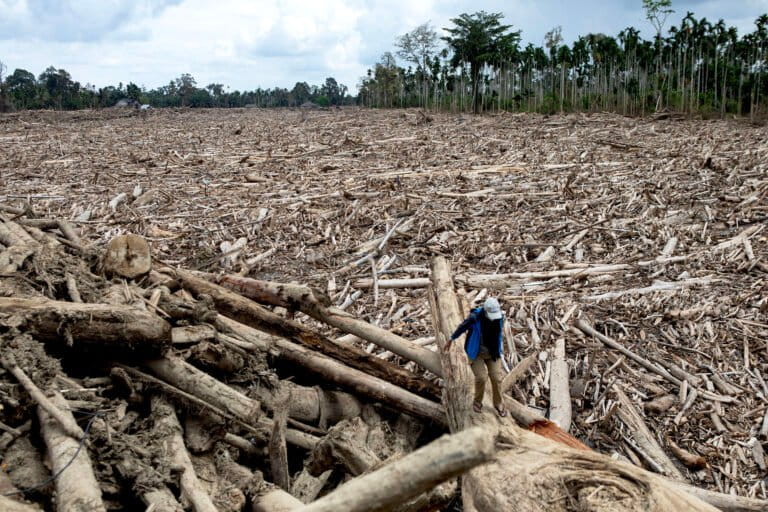
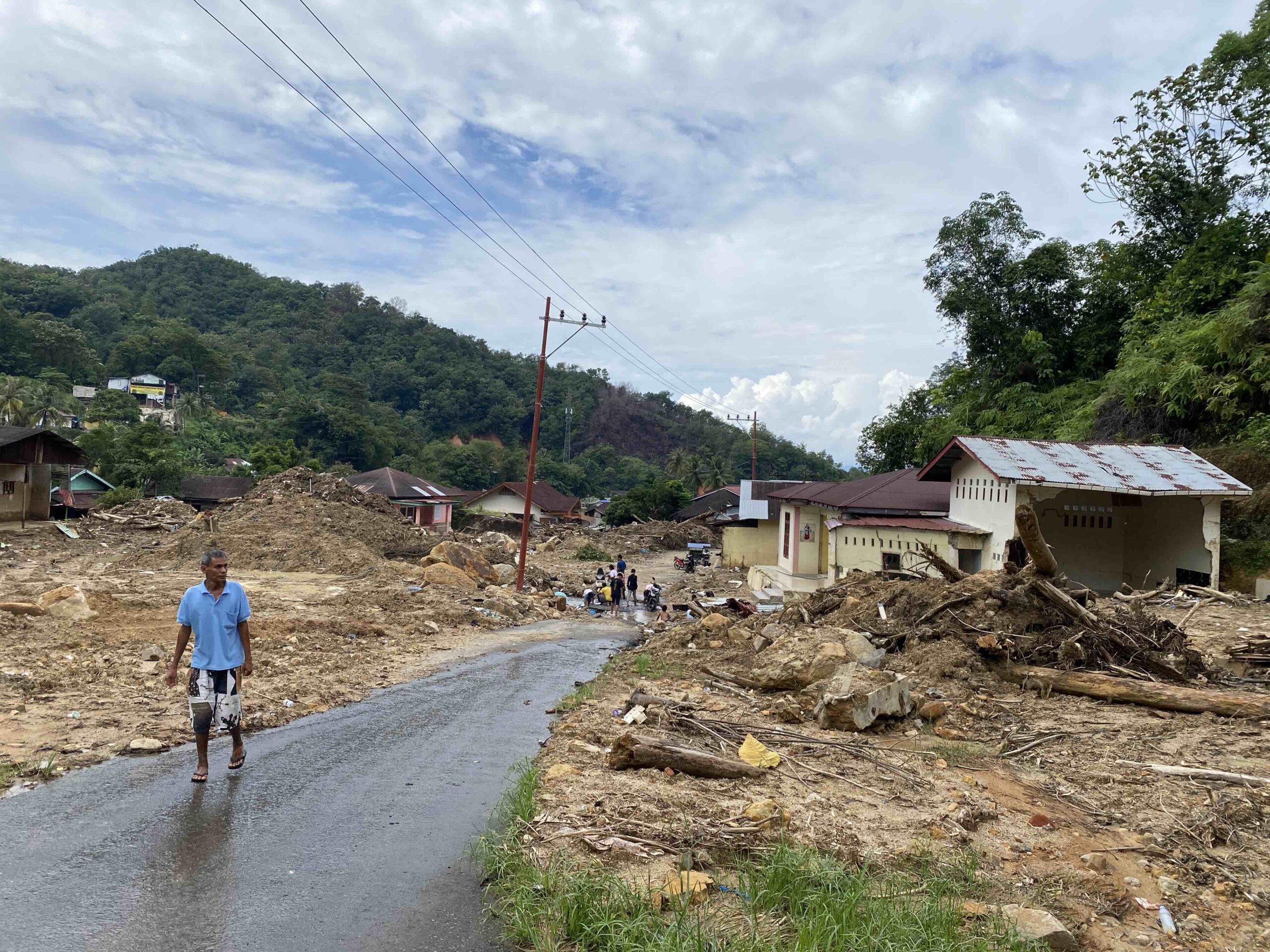
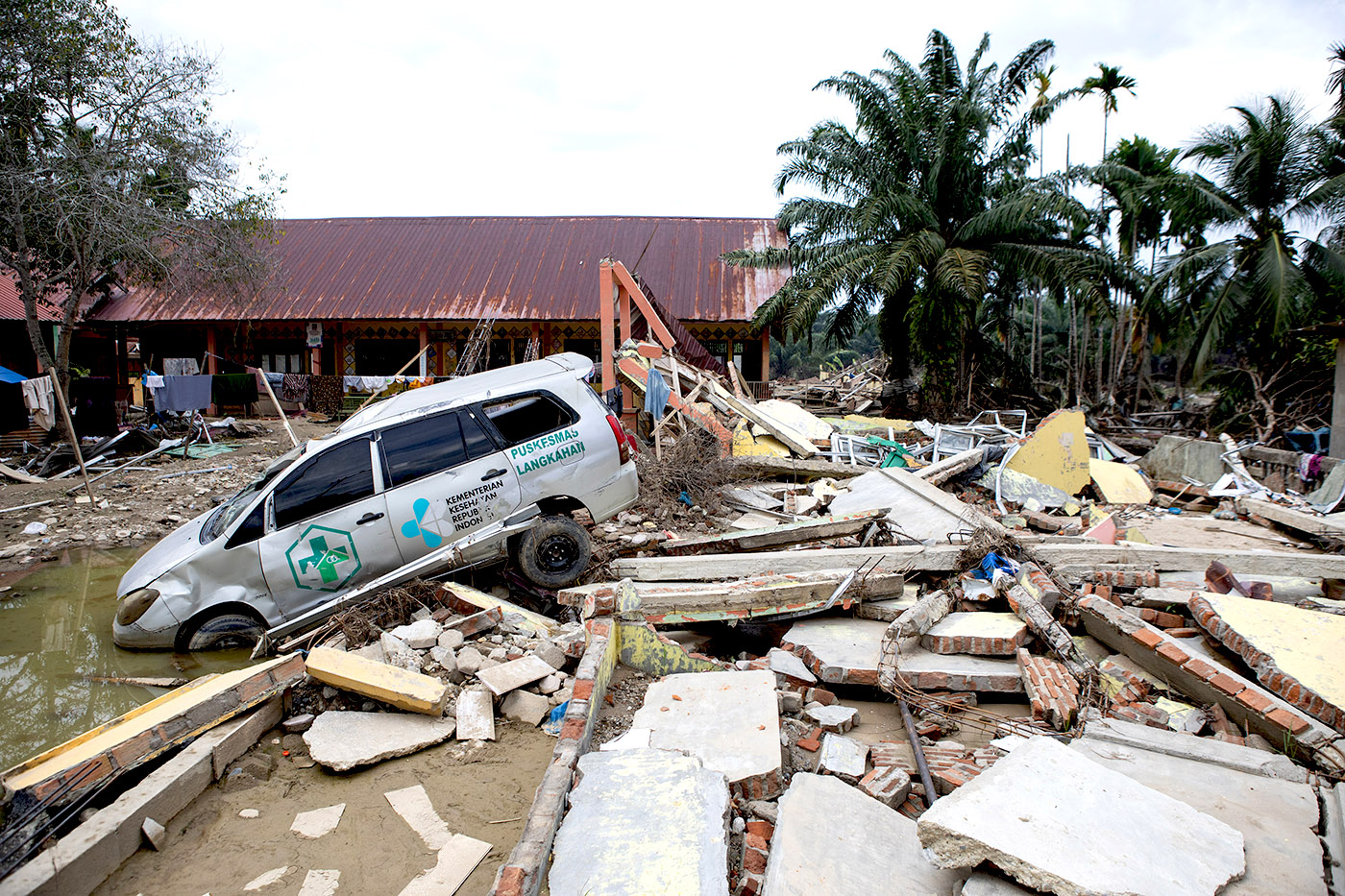
The controversy is deeply rooted in the events of late 2025 and early 2026. In November 2025, North Sumatra and surrounding provinces were hit by devastating flash floods and landslides. The scale of the destruction was unprecedented, resulting in the loss of hundreds of lives, the destruction of thousands of homes, and the wiping out of vast tracts of agricultural land. Public outcry was immediate, with many pointing to the rampant deforestation and mining activities in the highlands as a primary cause of the disaster’s severity.
In response to the tragedy and the subsequent public pressure, the Indonesian government took a seemingly bold step in January 2026. It revoked the permits of 28 mining companies, including PT Agincourt Resources. At the time, the government justified the move by stating that these companies had contributed to the environmental degradation that exacerbated the floods. This was hailed by environmental groups as a landmark moment for corporate accountability in Indonesia.
However, the recent decision to return these permits just months later has been labeled by critics as "policy whiplash." Eko Cahyono, a researcher at the Sajogyo Institute, questioned the integrity of the initial revocation. He suggested that the move might have been a "smoke and mirrors" strategy designed to pacify public anger in the immediate aftermath of the deaths, rather than a genuine effort to reform land-use policy. Cahyono warns that if permits are revoked and then quietly reinstated without transparent, long-term changes in environmental management, it constitutes a form of maladministration and an abandonment of the "precautionary principle" that should guide state decisions.
Impact on Local Communities and Biodiversity
The human cost of mining in Batang Toru is already visible in villages like Batu Horing. Located in close proximity to the Martabe operational area, the village has become increasingly uninhabitable. Residents have reported that their traditional way of life is no longer sustainable due to the environmental changes surrounding the mine. The lack of certainty regarding their future and the absence of a comprehensive relocation or compensation plan have left many families in a state of limbo.
Beyond the human impact, the reinstatement of the mine poses an existential threat to some of the world’s rarest species. The Batang Toru forest is the only known habitat of the Tapanuli Orangutan (Pongo tapanuliensis), the most endangered great ape species on the planet, with a population estimated at fewer than 800 individuals. The expansion of mining infrastructure—roads, power lines, and excavation sites—fragments the orangutans’ habitat, making it impossible for isolated populations to breed and survive. The area is also home to the Sumatran Tiger and the Sunda Pangolin, both of which are facing severe pressure from habitat loss and increased human-wildlife conflict.
Institutional Critiques and Legal Concerns
The Mining Advocacy Network (Jatam) has been vocal in its condemnation of the government’s "inconsistency." Alfarhat Kasman, a campaigner for Jatam, argues that the government’s willingness to compromise indicates that the state is prioritizing corporate interests over the safety of its citizens. Jatam asserts that the environmental impact assessments (AMDAL) used to justify the mine’s operations are often treated as mere administrative hurdles rather than rigorous scientific evaluations of ecological risk.
From a legal perspective, the reinstatement raises questions about the transparency of the audit process. If the government previously concluded that the mine contributed to a deadly disaster, what specific changes have been made to ensure that such a disaster will not happen again? Critics point out that the results of the environmental audits and the conditions for the permit’s return have not been fully disclosed to the public.
Eko Cahyono further suggests that the flip-flopping on permits creates a "negotiation space" that could be vulnerable to corrupt practices. When the state holds the power to take away and then give back multi-billion dollar permits, the potential for backroom deals increases, especially in a sector as lucrative as gold mining. He argues that the narrative of "economic stability" is often used to mask the fact that the primary beneficiaries of these mines are often distant shareholders and political elites, while the local population bears the entirety of the environmental and social costs.
Broader Implications for Indonesia’s Environmental Future
The case of the Martabe mine is seen as a litmus test for the administration of President Prabowo Subianto. While the President has previously spoken about the need for strict enforcement against environmental violators, the reinstatement of Agincourt’s permit suggests a continuation of the "business-as-usual" approach to the extractive sector.
Environmental organizations are now considering legal action. Jatam and Walhi have signaled that they may challenge the reinstatement in the Administrative Court (PTUN), arguing that the decision violates the rights of the citizens to a healthy and safe environment as guaranteed by the Indonesian Constitution. They are calling for a permanent closure of mines in high-risk zones and a transition toward a more sustainable economic model that does not rely on the destruction of primary forests.
As the global community shifts toward more stringent Environmental, Social, and Governance (ESG) standards, Indonesia’s handling of the Batang Toru ecosystem will likely come under international scrutiny. For the 100,000 people who depend on the five rivers of Batang Toru, the stakes could not be higher. As Rianda Purba of Walhi North Sumatra concluded, "Extracting gold can be finished in a matter of years, but restoring a broken ecosystem can take generations." The decision to prioritize short-term mineral extraction over long-term ecological security may well define the legacy of Indonesia’s current environmental policy, potentially setting a dangerous precedent for other sensitive regions across the archipelago.