Nila Kartika Wati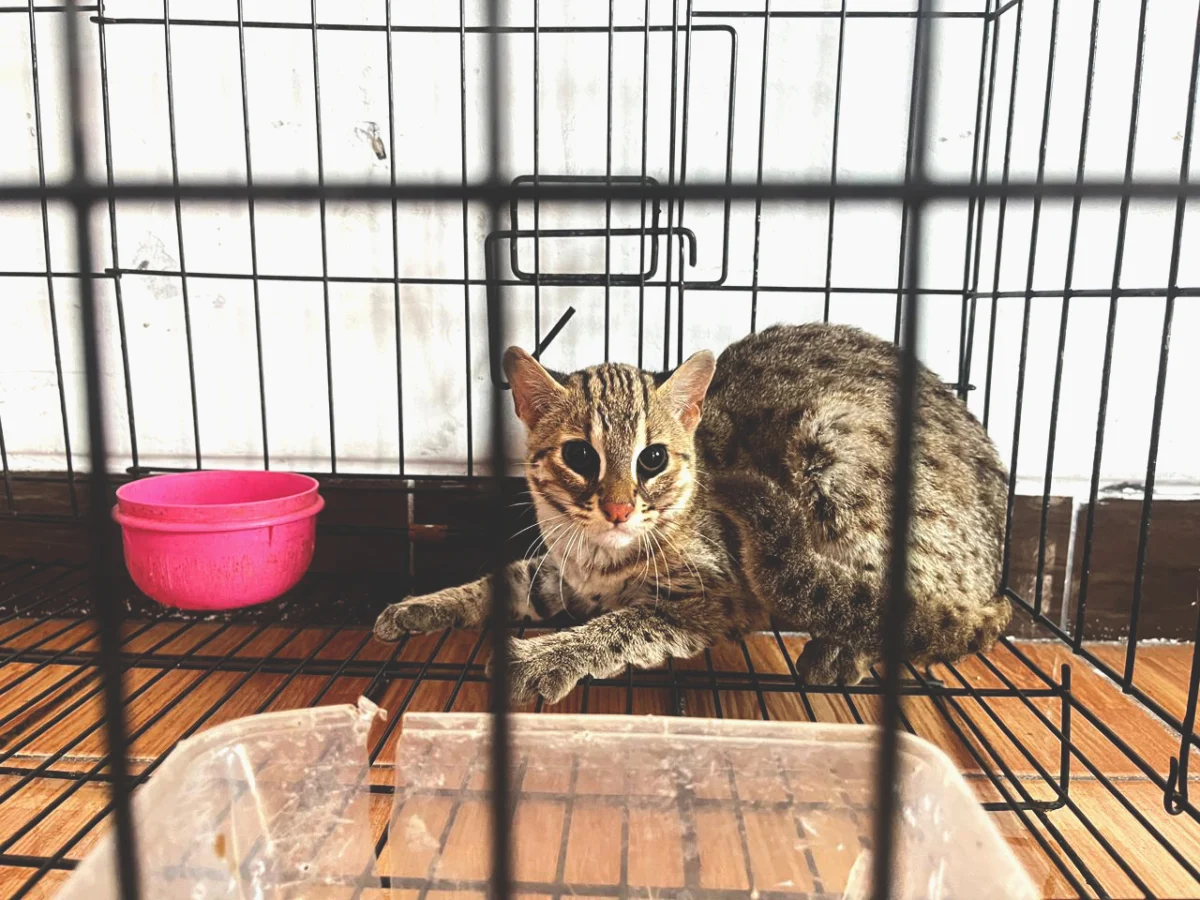
The landscape of wildlife conservation in the Special Region of Yogyakarta is undergoing a significant cultural shift as local residents increasingly demonstrate a sophisticated understanding of the region’s delicate biodiversity. Recent reports from the Yogyakarta Natural Resources Conservation Agency (BKSDA) indicate a growing trend of voluntary wildlife surrenders, specifically involving the Leopard Cat (Prionailurus bengalensis), locally known as the kucing kuwuk or kucing congkok. This shift marks a departure from a long-standing tradition of keeping wild felids as domestic pets, reflecting the success of sustained educational campaigns and a heightened public awareness regarding the legal and ecological ramifications of possessing protected species.
Darmanto, the Head of BKSDA Yogyakarta, confirmed that the community’s perception of the Leopard Cat has evolved. No longer viewed merely as an exotic variation of the domestic cat, the species is increasingly recognized as a vital component of the forest ecosystem that must remain in its natural habitat. According to Darmanto, the agency has observed a notable increase in residents proactively contacting authorities to surrender animals that were either found in the wild or obtained through informal social networks. This proactive behavior is viewed by conservationists as a critical turning point for the survival of the species in a province where forest cover has been significantly reduced.
A Chronology of Voluntary Surrenders
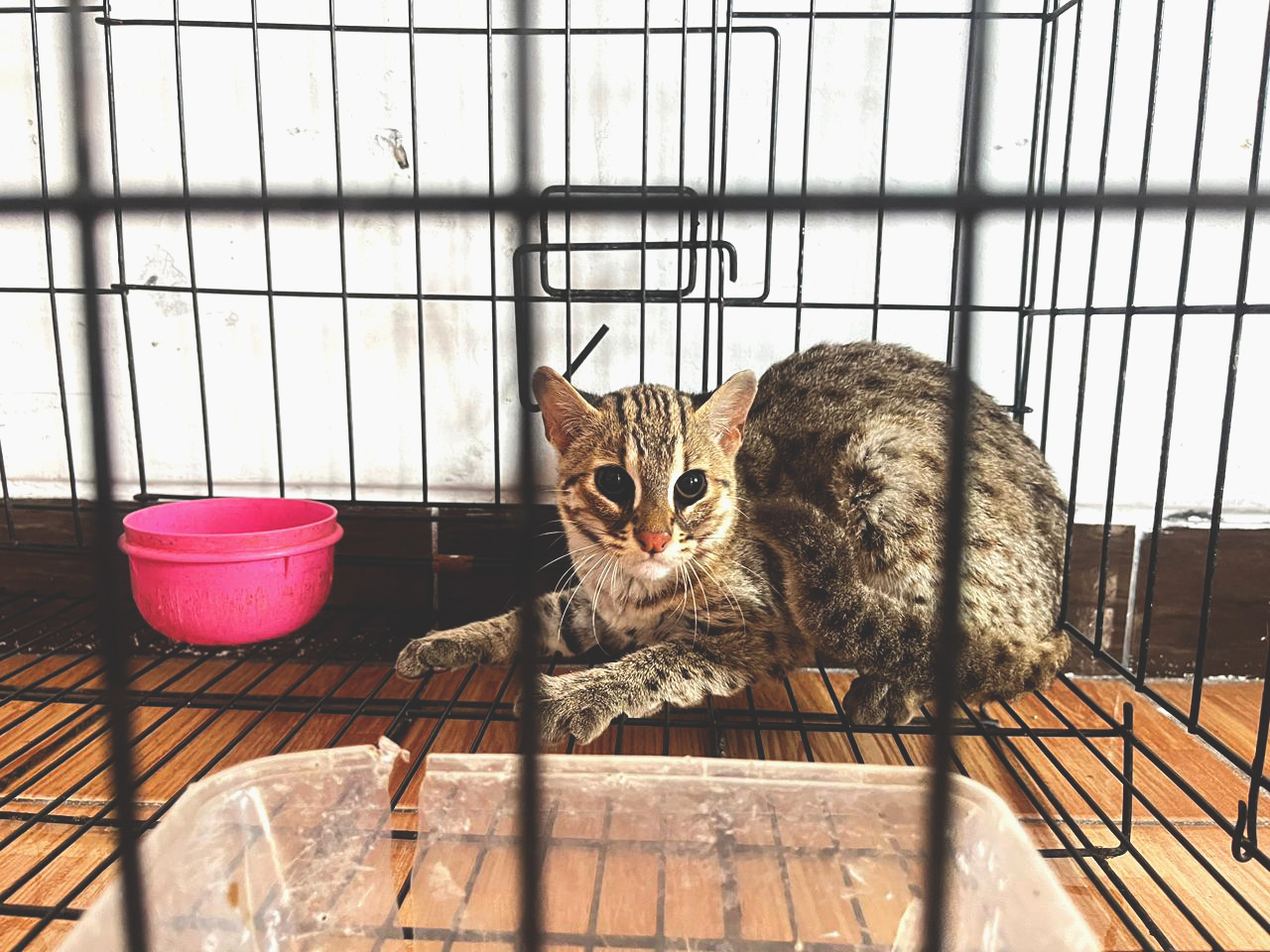
The most recent high-profile instance of this growing awareness occurred on March 2, 2026, when a resident of Sleman Regency, identified as Fitria, contacted BKSDA Yogyakarta to surrender a Leopard Cat. Fitria had reportedly come into possession of the wildcat through a friend and had kept the animal for approximately three weeks. During this period, she realized that the animal’s behavioral patterns—marked by intense nocturnal activity and a fierce, solitary nature—were inconsistent with domesticity. Upon researching the species and discovering its protected status under Indonesian law, she opted to hand the animal over to the state for rehabilitation and eventual release.
This incident is not an isolated case. Data provided by BKSDA Yogyakarta reveals that between early 2024 and March 2026, the agency received six individual Leopard Cats from the public. The circumstances of these acquisitions vary; while some were kept briefly as pets, others were discovered by farmers or villagers after wandering into human settlements in search of food or as a result of habitat displacement. Each of these surrenders represents a successful intervention that prevents the animal from entering the illegal wildlife trade or suffering from the physiological stresses of improper captivity.
Biological Profile and Behavioral Ecology
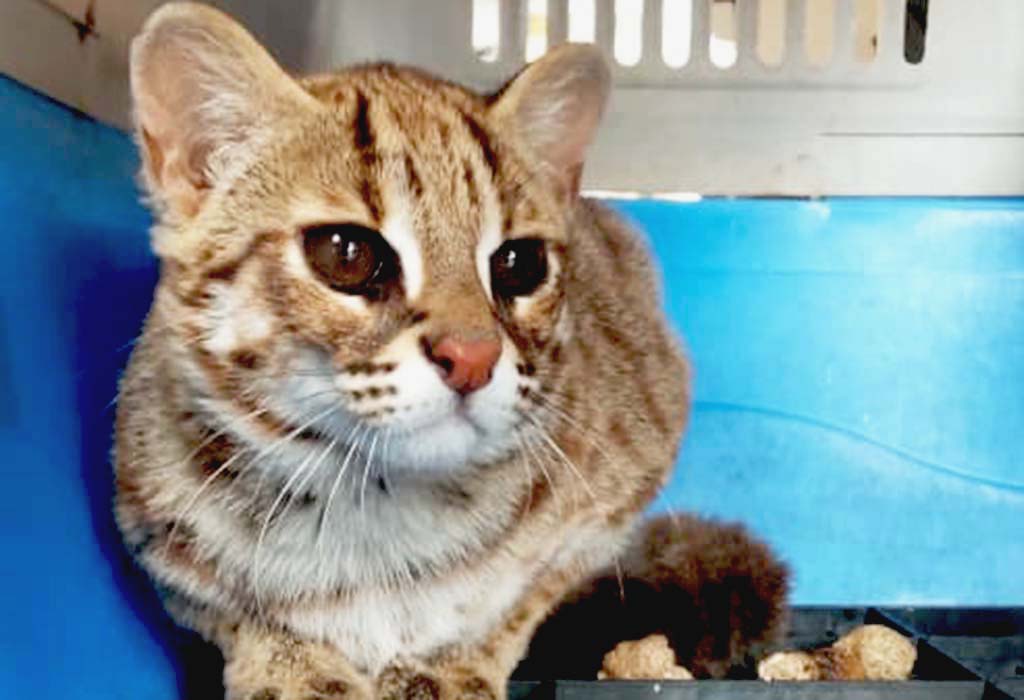
The Leopard Cat is a small wild cat native to South, Southeast, and East Asia. While it shares a similar size with the domestic cat (Felis catus), its physical and behavioral traits are distinct. It is characterized by its striking leopard-like spots, a slender build, and relatively long legs. In the context of Java, the subspecies Prionailurus bengalensis javanensis is particularly significant, though it faces unique pressures due to the island’s high human population density.
Darmanto emphasized that the Leopard Cat is a master of stealth. As a primarily nocturnal and solitary hunter, it is rarely seen by the naked eye in the wild. Most data regarding its presence in Yogyakarta’s remaining forests comes from camera traps and indirect evidence, such as tracks and scat (feces). The species is highly adaptable, capable of thriving in a variety of environments ranging from tropical rainforests and secondary forests to scrublands and even agricultural plantations. However, this very adaptability often brings them into close proximity with human populations, leading to the "accidental" captures that BKSDA is currently working to manage.
The Ecological Role: A Natural Guardian of Agriculture
Beyond its intrinsic value, the Leopard Cat serves a functional role that is indispensable to the regional economy, particularly in the agricultural sector. As an apex predator in its micro-habitat, the Leopard Cat specializes in hunting small vertebrates, including rodents, birds, and small reptiles. By maintaining a check on the population of rats and other pests, these cats act as a biological control mechanism.
In the agricultural heartlands of Sleman and Bantul, the presence of Leopard Cats can significantly reduce the need for chemical pesticides. "The kucing kuwuk is a predator that plays a crucial role in controlling prey populations in nature," Darmanto explained. If these predators are removed from the ecosystem, the resulting imbalance can lead to population explosions of rodents, which in turn causes massive crop failures and economic losses for local farmers. Thus, the conservation of the species is not merely an act of environmental altruism but a pragmatic necessity for food security.
The Crisis of Fragmented Habitats
The primary challenge facing the Leopard Cat in Yogyakarta is the scarcity of suitable habitat. Current estimates suggest that the province’s total forest cover has dwindled to between 18,000 and 19,000 hectares. This limited space is fragmented, meaning that small pockets of forest are separated by roads, villages, and industrial developments.
Specific sites such as the Wonosadi Traditional Forest in Gunungkidul and the Wanagama Education Forest serve as vital refuges for the species. However, as Darmanto noted, the connectivity between these areas is increasingly compromised. When habitats are fragmented, young cats searching for new territory are forced to cross human-dominated landscapes, leading to road accidents or capture by residents who mistake them for abandoned kittens. The limited acreage of protected land means that every individual cat surrendered by the public is genetically significant for the survival of the local population.
Scientific Data Gaps and Genetic Risks
While the increase in public surrenders is a positive social indicator, the scientific community warns that social awareness alone is insufficient. Zulqarnain Assiddiqi, the Executive Director of the Endemic Indonesia Society, highlighted a critical lack of empirical data regarding the Leopard Cat population in Java. Despite being a protected species, there has been no comprehensive census to determine exactly how many individuals remain in the wild or the health of their genetic diversity.
"We must ask ourselves about the risk of genetic erosion," Zulqarnain stated during an interview on April 8, 2026. He explained that when populations are isolated in small forest patches like those in Yogyakarta, the lack of "genetic flow"—the ability of animals to move and mate with different groups—can lead to inbreeding. This makes the population more susceptible to diseases and less able to adapt to environmental changes or climate change.
Zulqarnain argued that the Leopard Cat suffers from a lack of "political position" in the conservation narrative. Unlike iconic species such as the Javan Hawk-eagle or the Javan Tiger (now extinct), the Leopard Cat does not carry the same symbolic weight, which often results in less funding and fewer dedicated research projects. He called for a unified database that integrates BKSDA’s rescue data with academic field research to create a more accurate map of the species’ status.
Legal Implications and Social Education
The Leopard Cat is protected under Indonesian law, specifically Law No. 5 of 1990 concerning the Conservation of Living Natural Resources and Their Ecosystems. Under this regulation, the capture, injury, killing, trade, or possession of a protected species is a criminal offense punishable by up to five years in prison and significant fines.
BKSDA Yogyakarta has shifted its strategy from purely punitive measures to a heavy emphasis on "preventive education." This involves environmental education programs in schools and community meetings in villages bordering forest areas. By explaining the legal risks and the ecological benefits of the Leopard Cat, the agency has fostered an environment where citizens feel safe coming forward to surrender animals rather than hiding them for fear of prosecution.
"Our efforts, ranging from environmental education in schools to community gatherings, are yielding results," Darmanto said. The goal is to ensure that the public understands that these animals are not pets, but essential workers of the ecosystem that belong in the wild.
Future Outlook and Conservation Strategy
The long-term survival of the Leopard Cat in Yogyakarta depends on a multi-faceted approach. First, there is an urgent need for habitat restoration and the creation of "wildlife corridors"—strips of natural habitat that connect fragmented forest patches, allowing for safe movement and genetic exchange.
Second, the rehabilitation process for surrendered cats must be rigorous. Animals that have spent time in human households often lose their natural hunting instincts or become too accustomed to human presence, making them easy targets for poachers if released too early. BKSDA’s rehabilitation protocols are designed to minimize human contact and ensure the cats are physically and behaviorally ready for the wild.
In conclusion, while the Leopard Cat may lack the "celebrity status" of larger megafauna, its role as a sentinel of Yogyakarta’s remaining forests is undeniable. The recent trend of voluntary surrenders by citizens like Fitria provides a glimmer of hope. However, as Zulqarnain Assiddiqi and Darmanto both suggest, this social momentum must be backed by robust scientific research and aggressive habitat protection if the kucing kuwuk is to remain a permanent fixture of the Javanese landscape. The transition from viewing wildlife as a commodity to viewing it as a shared natural heritage is well underway in Yogyakarta, setting a potential blueprint for other regions in Indonesia to follow.