Chalifah Fatihah
Wednesday, April 15, 2026, 10:30 PM WIB – Jakarta, CNN Indonesia – A series of seemingly innocuous nighttime routines, often indulged in as a well-deserved reward after a demanding day, are silently wreaking havoc on cardiovascular health. These habits, frequently overlooked due to their perceived harmlessness, are contributing to the insidious development of heart disease over years, driven by a cumulative effect on blood pressure regulation, inflammatory responses, glucose control, and sleep quality. The choices made in the hours leading up to sleep significantly influence these critical bodily functions.
The insidious progression of heart disease is a well-documented medical concern, often taking years to manifest symptoms. Underlying this development are recurring disruptions to the body’s delicate regulatory systems. Chronic imbalances in blood pressure, persistent low-grade inflammation, impaired glucose metabolism, and poor sleep hygiene are all significant contributors. While many factors influence these systems, the routines adopted during the evening hours play a particularly pivotal role, often acting as unseen saboteurs of long-term cardiovascular well-being.
Leading cardiologists have identified several common evening practices that, despite their superficial appeal as relaxing rituals, can actively degrade heart health. Understanding these pitfalls is the first step towards mitigating their detrimental effects and safeguarding one’s cardiovascular future.
The Unseen Dangers: Evening Habits Detrimental to Heart Health
1. Late-Night Indulgences: The Metabolic Downside of Eating After Dark
The human body operates on a sophisticated internal clock, known as the circadian rhythm, which dictates various physiological processes. As evening descends, the body’s sensitivity to insulin, the hormone responsible for regulating blood sugar levels, naturally decreases. This biological shift means that the body becomes less efficient at processing carbohydrates and fats consumed late at night.
Dr. Sanjay Bhojraj, an interventional cardiologist, highlights the physiological consequences of late-night eating. "Consuming meals late in the evening is associated with elevated blood glucose levels post-ingestion, disruptions in lipid metabolism, and an exacerbation of inflammatory signals within the body," he explained in a recent commentary published on CNBC Make It. This means that the sugars and fats ingested are more likely to remain circulating in the bloodstream for longer periods, contributing to metabolic stress and increasing the risk of conditions like insulin resistance and type 2 diabetes, both significant risk factors for heart disease. The body is simply not designed to efficiently process heavy meals when it should be preparing for rest and repair.
2. The Paradox of Exercise: Intense Evening Workouts and Their Cardiovascular Cost
While regular physical activity is undeniably beneficial for heart health, the timing and intensity of exercise can dramatically alter its impact, particularly in the evening. Engaging in strenuous workouts close to bedtime can have a counterproductive effect. Intense exercise triggers the release of cortisol, a stress hormone, and can prolong the body’s "fight-or-flight" response, making it difficult to transition into a relaxed state conducive to sleep.
Dr. Bhojraj elaborates on this phenomenon: "Such activities can delay the onset of sleep, elevate resting heart rate throughout the night, and diminish heart rate variability, which is a crucial indicator of cardiovascular resilience." A lower heart rate variability suggests that the heart is less adaptable to physiological demands, a marker often associated with increased cardiovascular risk. Instead of promoting rest, intense evening exercise can leave the cardiovascular system in a heightened state of alert, compromising the body’s ability to recover and repair overnight. Opting for lighter forms of exercise, such as a gentle walk, is a more advisable approach for the evening hours.
3. The Evening Libation: Alcohol’s Disruptive Impact on Sleep and Cardiovascular Function
The consumption of alcohol, particularly in the evening, poses a multifaceted threat to cardiovascular health, extending beyond its well-known long-term detriments. While often perceived as a sleep aid, alcohol actually disrupts the natural sleep architecture, significantly reducing the duration and quality of REM (rapid eye movement) sleep, a vital stage for cognitive function and emotional regulation. Furthermore, it interferes with the production of melatonin, the hormone that governs the sleep-wake cycle.
"Alcohol consumption in the evening also leads to an increased resting heart rate and blunts the normal dip in blood pressure that occurs overnight, a pattern that is strongly linked to an elevated risk of cardiovascular events," Dr. Bhojraj noted. The reduction in nocturnal blood pressure decline is a critical physiological process that allows the cardiovascular system to rest. When this is inhibited, the heart is subjected to greater strain over the course of the night, contributing to long-term damage and increasing the likelihood of hypertension and other cardiac issues.
4. The Tyranny of Bright Lights: Suppressing Melatonin and Disrupting Circadian Rhythms
Exposure to bright artificial light after sunset can have a profound and detrimental effect on the body’s natural biological rhythms. Light, particularly blue light emitted from electronic devices and modern lighting, acts as a powerful signal to the brain, suppressing the production of melatonin. Melatonin is not only crucial for regulating sleep but also plays a role in managing blood pressure and supporting antioxidant activity within the cardiovascular system.
To mitigate this effect, Dr. Bhojraj recommends a conscious effort to create a more conducive sleep environment. "Utilizing warm-toned lighting and employing desk lamps at eye level can help mimic the dimmer, warmer light conditions experienced during sunset," he advises. This gradual reduction in light intensity signals to the brain that it is time to wind down, facilitating melatonin production and preparing the body for restorative sleep.
5. The Caffeine Conundrum: Evening Stimulants and Their Lingering Effects
While a cup of coffee or tea in the evening might seem like a comforting ritual, the presence of caffeine can have significant and prolonged repercussions on cardiovascular health. Caffeine is a potent stimulant that can keep the nervous system on high alert, leading to an elevated heart rate and delaying the onset of sleep.
The consequences of this stimulation can extend well into the following day, manifesting as poor sleep quality and elevated blood pressure. Caffeine’s half-life can be as long as six hours or more, meaning that a beverage consumed at 7 PM can still be actively affecting the body’s systems at midnight. This sustained stimulation prevents the body from entering its natural restorative processes, placing undue stress on the cardiovascular system.
6. The Digital Drain: Screen Time Before Bed and Its Impact on Sleep Cycles
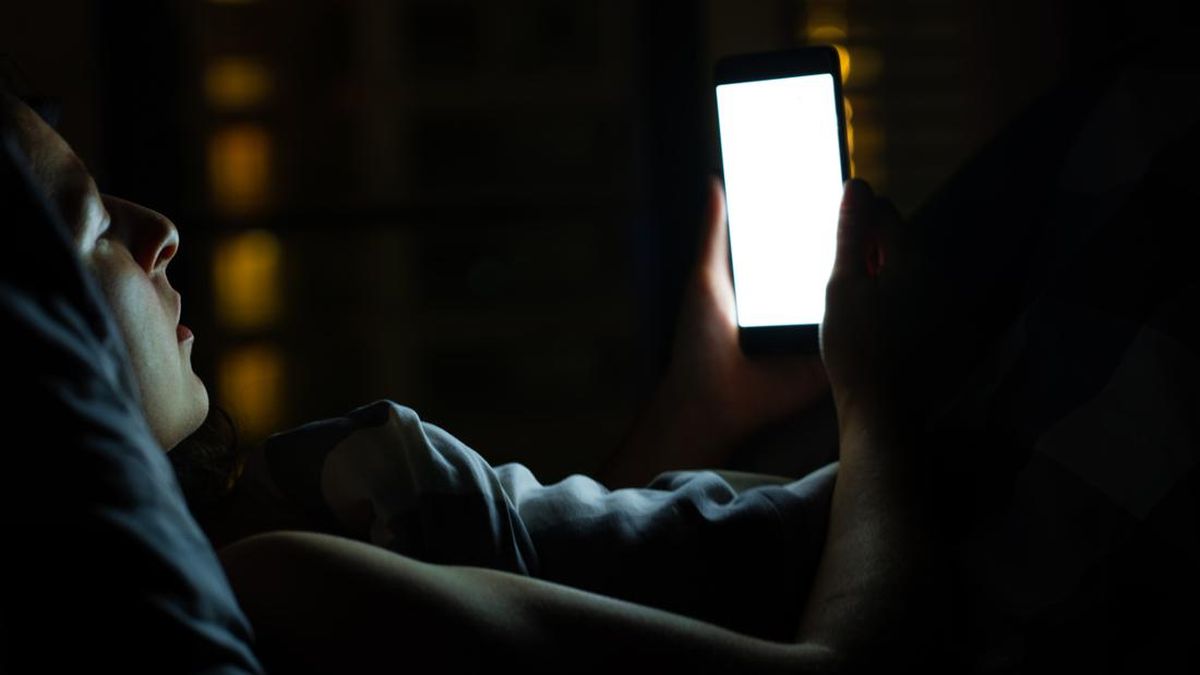
The ubiquitous habit of scrolling through smartphones or watching television in the hours before sleep is a significant contributor to poor sleep hygiene. The blue light emitted from these screens sends a powerful signal to the brain, tricking it into believing that it is still daytime. This artificial stimulation disrupts the natural release of melatonin, leading to shorter sleep cycles and a diminished overall quality of sleep.
Dr. V.P. Sharma, a senior consultant cardiologist, emphasizes the severity of this issue. "Exposure to light at night can increase the risk of cardiovascular disease by as much as 30% to 50%," he stated in an interview with the Times of India. The chronic disruption of the sleep-wake cycle, driven by late-night screen use, is not merely an inconvenience; it is a significant risk factor for a range of serious health problems, including cardiovascular disease.
7. The Overtime Trap: Late-Night Work and Its Stressful Toll
For many busy professionals, the evening hours are often dedicated to catching up on work, sometimes accompanied by smoking as a coping mechanism for stress. This practice, however, is a potent cocktail for cardiovascular distress. Late-night work can elevate cortisol levels, further stimulating the heart and disrupting the body’s natural relaxation response.
The addition of smoking introduces nicotine, a vasoconstrictor that narrows blood vessels and significantly increases blood pressure. This combination of stress hormones and nicotine creates a highly unfavorable environment for the heart, increasing the risk of acute cardiac events.
The Long-Term Consequences of Sleep Deprivation
The cumulative effect of these detrimental nighttime habits, particularly those that lead to chronic sleep deprivation or disruption, is a significant increase in the risk of serious cardiovascular events. Dr. Sharma further elaborates on this point: "A persistent ‘night owl’ sleep pattern is consistently associated with an up to 16% higher risk of heart attack or stroke."
Sleep is not merely a period of inactivity; it is a critical time for the heart and the entire body to engage in vital repair and restoration processes. When sleep is consistently cut short or of poor quality, these essential recovery mechanisms are compromised. This deprivation weakens the cardiovascular system over time, making it more vulnerable to damage and disease.
Moving Towards Healthier Evenings: Proactive Steps for Cardiovascular Well-being
By recognizing and actively avoiding these common yet harmful evening habits, individuals can take significant steps towards optimizing their cardiovascular health. The journey to a healthier heart begins with conscious choices made each evening. Implementing small, sustainable changes can lead to substantial improvements in long-term well-being. Prioritizing restorative sleep, managing stress effectively, and making mindful choices about diet and screen time are crucial investments in a healthier future. The time invested in creating healthier nighttime routines will pay dividends in the form of a stronger, more resilient heart.