Chalifah Fatihah
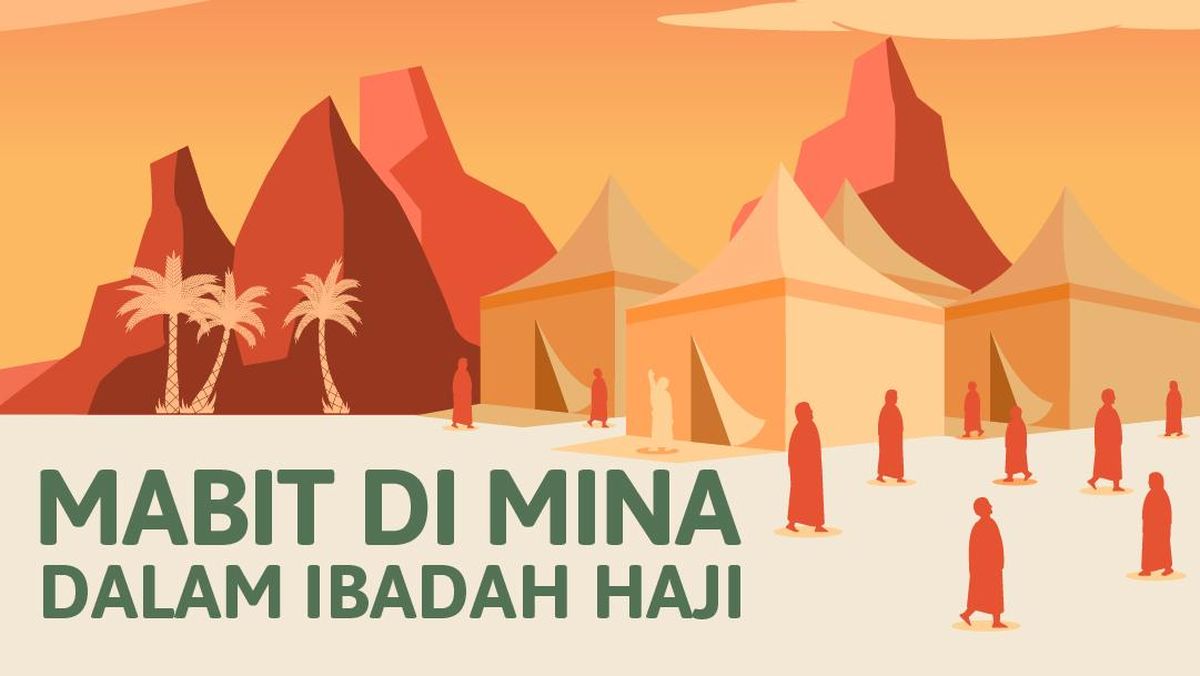
The ritual of Mabit in Mina, a mandatory observance for pilgrims during the Hajj, involves spending the nights in tents located in the valley of Mina during the Days of Tasyrik, which fall on the 11th, 12th, and 13th of Dzulhijjah. This period is a cornerstone of the Hajj pilgrimage, following the momentous day of Arafah and the symbolic stoning of the Jamarat.
The Significance of Mabit in Mina
Mabit, meaning to stay overnight, in Mina is a vital component of the Hajj rituals. It is a demonstration of unity and submission to Allah, where millions of pilgrims from diverse backgrounds gather in one sacred space. The valley of Mina transforms into a temporary city, bustling with pilgrims engaged in devotion, reflection, and adherence to the prescribed rites.
The Days of Tasyrik, often referred to as the "days of eating and drinking," are an integral part of the Hajj. While pilgrims are encouraged to remember Allah during these days, they also symbolize a period of rest and reflection after the intense spiritual exertions of Arafah and Muzdalifah. Spending the nights in Mina during this time is not merely about physical presence; it is about participating in a collective spiritual journey that has been undertaken by Muslims for centuries.
The tents in Mina, though modern and organized, represent a continuation of the tradition established by Prophet Ibrahim (Abraham) and later followed by Prophet Muhammad (peace be upon him). This communal living fosters a sense of equality and brotherhood, transcending social, economic, and national distinctions.
Historical Context and Evolution of the Mina Experience
The practice of Mabit in Mina has a rich history intertwined with the very foundations of Islam. Prophet Ibrahim, upon being commanded by Allah, brought his wife Hajar and son Ismail to the barren valley of Mecca. Later, during the Farewell Pilgrimage, Prophet Muhammad (peace be upon him) performed the Mabit in Mina, solidifying its place as an essential Hajj rite.
Historically, pilgrims would camp in Mina under the open sky or in rudimentary shelters. The logistical challenges of accommodating millions of people in such a confined space have led to significant infrastructural developments over the years. The Saudi Arabian government has invested heavily in creating a safe, organized, and comfortable environment for pilgrims. This includes the construction of a vast network of air-conditioned tents, equipped with essential amenities, and elaborate systems for sanitation, waste management, and crowd control.
The tent city of Mina is a marvel of temporary urban planning. Spanning several square kilometers, it houses millions of pilgrims, each assigned to a designated sector and tent. The Saudi Ministry of Hajj and Umrah meticulously plans the deployment of resources, including healthcare facilities, security personnel, and logistical support, to ensure the smooth execution of the Hajj.
The Chronology of the Days of Tasyrik and Mabit
The journey to Mina typically begins after the pilgrims have spent the day of Arafah in prayer and supplication, and then proceeded to Muzdalifah for a night of rest and gathering pebbles for the stoning ritual.
10th Dzulhijjah: After spending the night in Muzdalifah, pilgrims usually return to Mina on the morning of the 10th Dzulhijjah. This day is significant for the Ramy al-Jamarat al-Kubra, the stoning of the largest pillar representing Satan. After performing this ritual, many pilgrims offer their sacrifice (Qurbani) and then shave or trim their hair (Halq or Taqseer). Following these acts, they can exit the state of Ihram, except for certain restrictions. However, they are required to perform Mabit in Mina on the nights of the 11th, 12th, and 13th of Dzulhijjah.
11th Dzulhijjah (First Day of Tasyrik): Pilgrims are required to spend the night in Mina. During the day, they perform the stoning of all three Jamarat (small, middle, and large) in sequence. This ritual is repeated on the subsequent days.
12th Dzulhijjah (Second Day of Tasyrik): Pilgrims again spend the night in Mina and perform the stoning of the three Jamarat. After this, those who wish to expedite their Hajj can choose to depart from Mina before sunset, thus concluding their Mabit.
13th Dzulhijjah (Third Day of Tasyrik): For those who did not depart on the 12th, the third night in Mina is mandatory. On this day, they perform the stoning of the three Jamarat for the final time. After completing the stoning, they can then depart from Mina.
The concept of Mabit in Mina extends to spending the majority of the night there. However, Islamic jurisprudence allows for certain exemptions and considerations, such as needing to attend to urgent matters or perform other Hajj rituals that might require leaving Mina temporarily. Nevertheless, the intention and general adherence to spending the nights in Mina are paramount.
Supporting Data and Scale of Operations
The scale of the Mabit in Mina is staggering, underscoring the immense logistical undertaking of the Hajj. Millions of pilgrims converge on this valley, transforming it into the largest temporary tent city in the world.
- Pilgrim Numbers: In recent years, the number of pilgrims has consistently exceeded two million, with some years reaching close to 2.5 million or more. For instance, in 2023, the number of Hajj pilgrims was reported to be around 1.8 million.
- Tent Capacity: The Mina tent city is designed to accommodate millions, with each pilgrim allocated a specific space. The Saudi government continuously upgrades and expands these facilities to enhance safety and comfort.
- Infrastructure: The infrastructure includes a vast network of roads, bridges, tunnels, and public transport systems to manage the movement of pilgrims. Water, electricity, and sanitation services are provided on a massive scale, requiring sophisticated planning and execution.
- Healthcare: Numerous field hospitals and medical centers are established in Mina, staffed by thousands of medical professionals and equipped with advanced medical supplies to cater to any health emergencies.
- Security: A robust security apparatus, comprising local and international security forces, is deployed to ensure the safety and security of all pilgrims, managing crowd flow and preventing any untoward incidents.
Official Responses and Management Strategies
The Saudi Arabian government, through its Ministry of Hajj and Umrah and other relevant bodies, dedicates significant resources and manpower to the management of the Hajj, with a particular focus on the Mabit in Mina. Their strategies aim to ensure the safety, comfort, and spiritual fulfillment of the pilgrims.
- Integrated Planning: A comprehensive, multi-agency approach is employed, involving meticulous planning that begins months, even years, in advance. This includes coordinating with various government ministries, international Hajj missions, and service providers.
- Technological Integration: Advanced technologies are increasingly being utilized for crowd management, real-time monitoring of pilgrim movements, and efficient communication. This includes smart card systems for pilgrims and advanced surveillance systems.
- Pilgrim Services: Emphasis is placed on providing essential services such as clean water, sanitation facilities, food, and medical care. Regular cleaning and maintenance of the tent city are carried out throughout the Hajj period.
- Safety Protocols: Strict safety protocols are implemented, especially concerning fire prevention in the tent city and managing the flow of pilgrims during the stoning of the Jamarat. Emergency response teams are on standby at all times.
- Communication and Guidance: Clear communication channels are established to provide pilgrims with necessary information and guidance. This includes multilingual announcements, information kiosks, and mobile applications.
Broader Impact and Implications
The Mabit in Mina is more than just a physical requirement of the Hajj; it carries profound spiritual, social, and economic implications.
- Spiritual Fortification: The collective experience of living in Mina fosters a sense of deep spiritual connection. The shared purpose and devotion create an atmosphere conducive to introspection, repentance, and strengthening one’s faith. It is a period where pilgrims are encouraged to reflect on their lives, seek forgiveness, and reaffirm their commitment to Islamic principles.
- Global Unity and Brotherhood: Mina serves as a powerful symbol of the global Muslim Ummah (community). The sight of millions of people from all walks of life, dressed in similar Ihram attire, praying and supplicating together, underscores the unity and brotherhood that Islam promotes. It transcends racial, ethnic, and national boundaries, reinforcing the concept of equality before Allah.
- Economic Significance: The Hajj, including the period of Mabit in Mina, represents a significant economic event for Saudi Arabia. The influx of millions of pilgrims generates substantial revenue through accommodation, transportation, food, and various services. This economic activity also benefits businesses and individuals involved in supplying goods and services to the Hajj operations.
- Logistical Challenges and Innovations: The sheer scale of managing the Mabit in Mina presents immense logistical challenges. The continuous efforts to improve infrastructure, safety, and services in Mina drive innovation in urban planning, crowd management, and resource allocation. The lessons learned from organizing the Hajj are often applied to large-scale events globally.
- Test of Patience and Resilience: Despite the modern amenities, the Hajj, and by extension the Mabit in Mina, can be physically and mentally demanding. The sheer number of people, the climate, and the adherence to a rigorous schedule test the patience and resilience of pilgrims, offering an opportunity for spiritual growth through overcoming these challenges.
In conclusion, the Mabit in Mina is a deeply significant ritual within the Hajj pilgrimage. It is a period of communal worship, reflection, and spiritual discipline that has been practiced for centuries. The meticulous planning and execution by Saudi authorities, alongside the unwavering devotion of millions of pilgrims, ensure that this essential rite continues to be a cornerstone of the Hajj experience, fostering unity, faith, and a profound connection to Allah.