
 Lina Irawan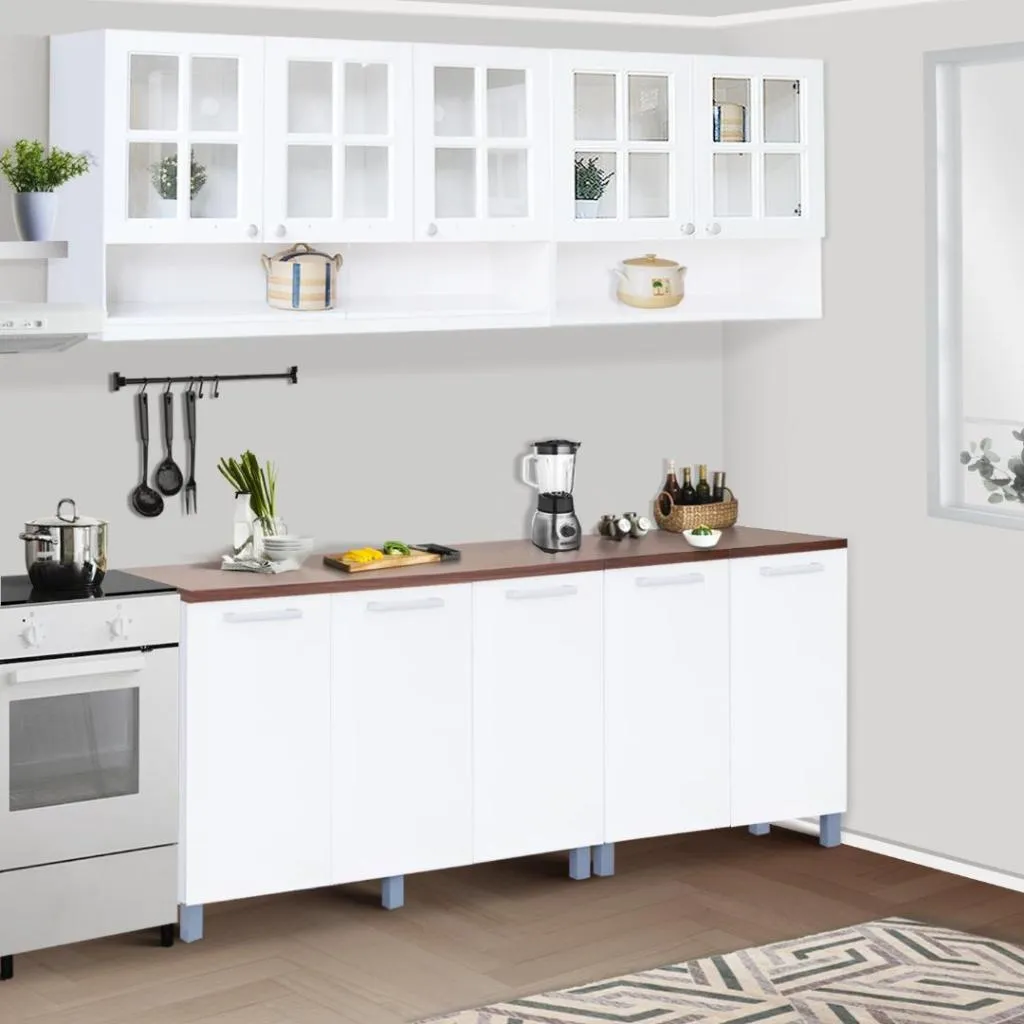
InteriorDesign.ID reports a significant surge in demand for minimalist kitchen sets crafted from Polyvinyl Chloride (PVC), a robust polymer plastic known for its simple design lines. This material is increasingly becoming the preferred choice for homeowners grappling with humid kitchen environments and the persistent threat of termites. The cost-effectiveness of PVC, offering a more accessible price point compared to solid wood or aluminum, positions it as an ideal solution for those seeking a modern aesthetic on a limited budget. According to data compiled by InteriorDesign.ID, the demand for synthetic kitchen materials has experienced rapid growth over the past three years, driven by a growing disillusionment among consumers with the recurring repair costs associated with traditional wooden cabinetry prone to decay.
The Growing Preference for PVC in Kitchen Design

Kitchens in tropical and subtropical regions, such as Indonesia, frequently contend with high humidity levels, which foster mold growth and attract pests like termites. Traditional engineered wood products like particle board or Medium Density Fiberboard (MDF), while initially inexpensive, often succumb quickly to water damage from spills around the sink area. This vulnerability leads to swelling, warping, and structural degradation, necessitating frequent and costly replacements.
PVC board emerges as a compelling solution to these endemic problems. Manufactured under high pressure, these boards are dense and non-porous, effectively preventing water absorption. This inherent water resistance ensures that the material’s structure remains intact, impervious to swelling or decay. Crucially, PVC contains no cellulose fibers, rendering it entirely unappealing and indigestible to termites, thereby eliminating one of the most destructive threats to kitchen cabinetry in susceptible climates. This dual advantage of moisture and pest resistance underpins PVC’s escalating popularity as a pragmatic and durable material choice for contemporary kitchens.
Comparative Analysis: PVC, Plywood, and Aluminum

Each kitchen material presents a distinct set of characteristics, enabling homeowners to align their choices with specific budgetary constraints and functional requirements. Understanding these differences is key to making an informed decision.
1. PVC Kitchen Sets
PVC boards are notably lightweight, which significantly expedites the installation of wall-mounted cabinets. Their uniformly smooth surface readily accepts various external laminates, such as High-Pressure Laminate (HPL), allowing for diverse aesthetic finishes including realistic wood grains or natural stone patterns.
- Advantages: PVC is inherently waterproof, impervious to termites, generally affordable, and remarkably easy to clean. Its non-porous nature prevents stains and odors from permeating the surface.
- Disadvantages: The screw retention strength of PVC is not as robust as wood. Repeated forceful impacts on cabinet doors can lead to the loosening of hinge screws over time, potentially causing doors to sag. This necessitates the use of high-quality hardware and careful handling.
2. Plywood (Multiplek) Kitchen Sets
Plywood, or multiplek, is engineered from multiple thin layers of wood veneer bonded together with adhesive, with grains arranged in alternating directions for enhanced strength. This cross-graining makes plywood exceptionally strong for screw retention, ensuring that hinges are firmly anchored and cabinet doors remain stable even when supporting heavy loads.

- Advantages: Plywood offers superior structural rigidity, making it highly suitable for intricate classic profile designs. It also provides an excellent base for smooth duco paint finishes, resulting in a refined appearance.
- Disadvantages: Despite its strength, plywood remains susceptible to rot if its external layers are compromised by moisture. It also requires periodic treatment with insecticides to prevent termite infestations, adding to long-term maintenance costs and environmental considerations.
3. Aluminum Kitchen Sets
Aluminum is often chosen for its unparalleled durability and longevity. Kitchen frameworks made from aluminum are commonly paired with glass or Aluminum Composite Panel (ACP) doors, lending an industrial, restaurant-style aesthetic.
- Advantages: Aluminum is fire-resistant, rust-proof, completely waterproof, and boasts an exceptionally long lifespan, making it a truly ‘set-it-and-forget-it’ option.
- Disadvantages: This material typically comes with the highest price tag among the three. The metallic structure can produce a noticeable clang when cabinet doors are closed forcefully, and aesthetic options, particularly in terms of finishes and textures, are more limited compared to PVC or plywood.
Core Advantages of PVC Kitchen Sets
The escalating embrace of PVC for kitchen cabinetry is rooted in several compelling benefits that address critical homeowner concerns.

- Exceptional Water Resistance: The area beneath the sink is notoriously prone to water splashes and leaks. Traditional wooden cabinets in this zone quickly swell and deteriorate. PVC boards, however, maintain their size and shape even when submerged, ensuring structural integrity and longevity. This non-porous characteristic also prevents the growth of mold and mildew, contributing to a more hygienic kitchen environment.
- Termite-Proof Durability: Kitchen cabinets, often positioned against walls in humid conditions, are prime targets for insect infestations. Utilizing PVC for the cabinet body inherently eliminates this problem. This translates into significant long-term savings by negating the need for annual pest control services and costly repairs associated with termite damage.
- Effortless Maintenance: Spills of oil, spices, or coffee are easily managed on PVC surfaces, especially when coated with HPL. The non-porous finish prevents absorption, meaning spills can simply be wiped away with a damp microfiber cloth and a mild dishwashing soap, preserving the cabinet’s pristine appearance with minimal effort.
- Budget-Friendly Solution: The lower manufacturing cost of PVC allows homeowners to allocate their budget more flexibly. Savings from cabinetry can be redirected towards upgrading other kitchen appliances, such as energy-efficient inverter refrigerators, or enhancing other aspects of the home, offering a higher overall value for money.
- Clean and Modern Aesthetics: Precision cutting of PVC boards using specialized machinery results in sharp, even edges. When combined with neatly pressed edge banding, PVC cabinets contribute to a "clean look" aesthetic, which can visually expand smaller kitchens, making them feel more spacious and organized. This modern, seamless appearance is highly sought after in contemporary interior design.
Anticipating Potential Drawbacks of PVC
While offering numerous advantages, PVC also has specific limitations that warrant consideration during planning and use.
- Vulnerability to Extreme Heat: As a polymer plastic, PVC has a lower melting point compared to wood or metal. It is crucial to avoid placing hot pots or pans directly onto PVC cabinet surfaces immediately after they are removed from the stove. Always use heat-resistant mats or trivets. Additionally, ensure adequate safe distances between hanging cabinets and stove flames to prevent heat deformation or damage.
- Risk of Sagging Under Heavy Loads: PVC boards are inherently more flexible than plywood. If used for long upper shelves without adequate central support, the material can sag over time under the weight of heavy dishware. To prevent this, it is recommended to limit the span between shelf dividers to a maximum of 80 cm, ensuring structural integrity and preventing aesthetic distortion.
- Hinge Screw Loosening: The plastic fibers of PVC do not grip screws as firmly as the cross-grain structure of wood. Repeated forceful closing of cabinet doors can gradually strip the screw holes in the cabinet body. To mitigate this, it is highly advisable to install slow-motion (soft-close) hinges, which gently guide doors to a close, preserving the integrity of the screw holes and extending the lifespan of the hardware.
Popular Kitchen Layouts with PVC Cabinetry

PVC’s versatility makes it suitable for various kitchen layouts, catering to different space constraints and functional needs.
- Linear Layout: Ideal for studio apartments or smaller homes, this design features all kitchen elements aligned along a single wall. Employing a two-tone color scheme, such as dark wood-grain lower cabinets paired with bright white upper cabinets, can prevent monotony and add visual interest to the compact space.
- L-Shape: This corner layout is widely adopted in many homes, particularly in Indonesia, due to its efficiency in maximizing workspace. For the corner section of the lower cabinets, integrating a stainless steel rotating rack (carousel) can significantly improve accessibility, allowing easy retrieval of pots and pans stored deep within the corner.
- Galley Layout: Characterized by two parallel rows of cabinets flanking a central aisle, the galley kitchen is highly functional. To prevent the narrow passage from feeling confined, opt for light-colored finishes. Incorporating finger-groove handles (recessed edge pulls) ensures a smooth, unobstructed walkway, free from protruding metal handles.
- U-Shape with Bar Counter: For larger kitchens exceeding 12 square meters, one arm of the U-shaped layout can be transformed into a functional breakfast bar. Reinforce the PVC frame in this bar area and cap it with a durable countertop material like granite or solid surface to ensure stability and resilience for dining and food preparation.
Technical Specifications for PVC Kitchen Construction
Adhering to specific technical guidelines is crucial to ensure the longevity and performance of PVC kitchen sets.

- PVC Board Type: The market offers two primary types: hollow and solid. While hollow boards are significantly cheaper, they are inherently fragile. Homeowners should explicitly request the use of Solid PVC Board with a density ranging from 0.55 – 0.60 g/cm³ to guarantee robust structural strength for the cabinet framework.
- Standard Thickness: For the main framework and cabinet doors, a thickness of 15 mm or 18 mm is mandatory. For the back panels that lie flush against the wall, a thickness of 6 mm to 9 mm can be utilized to optimize cost efficiency without compromising essential stability.
- External Finishing (Laminate): High-Pressure Laminate (HPL) is considered the gold standard for kitchen areas due to its superior scratch resistance and durability. Decosheet laminates should ideally be avoided. Their thin material is prone to tearing or damage from sharp objects like knife tips or pot edges, leading to premature wear and aesthetic degradation.
Estimated Pricing for PVC Kitchen Sets per Linear Meter
The cost of manufacturing PVC kitchen sets is typically calculated per linear meter (m1), with separate pricing for upper and lower cabinets. These estimates reflect average prices in major Indonesian cities.
- Base Cabinets: Designed to support the countertop, stove, and sink, base cabinets are priced approximately between IDR 2,500,000 and IDR 3,500,000 per linear meter. This figure generally includes slow-motion hinges, double-track drawer slides, and standard HPL finishes. It typically excludes the cost of stone countertops, sinks, and stoves.
- Upper Cabinets: Used for storing dishes and lighter items, upper cabinets are estimated to cost around IDR 2,200,000 to IDR 3,000,000 per linear meter. Opting for aluminum frame doors with frosted glass panels usually incurs an additional charge of IDR 300,000 to IDR 500,000 per door.
For a quick calculation, a 3-meter linear kitchen with full upper and lower cabinets would involve:

- Base Cabinets: 3 m x (Rp 2,500,000 – Rp 3,500,000)
- Upper Cabinets: 3 m x (Rp 2,200,000 – Rp 3,000,000)
The total estimated cost would range from approximately IDR 14,100,000 to IDR 19,500,000, excluding appliances and special countertops.
Critical Oversight During Installation
Diligent supervision during the installation phase is paramount to ensuring the quality and longevity of PVC kitchen sets.
- Cabinet Plinth/Toe Kick: The base of the lower cabinets should never directly touch the ceramic floor. Install plastic or metal adjustable feet (adjuster legs) with a height of 10-15 cm. The front of these feet should then be covered with a PVC plinth or toe kick. This elevates the cabinets, protecting them from floor water during cleaning and preventing food debris from accumulating underneath.
- Board Connection Method: Installers should utilize specialized plastic adhesive and coarse-thread screws for assembling PVC components. It is crucial to ensure that a small pilot hole is drilled before inserting screws. Forcing screws directly into the board can cause the edges to crack, compromising structural integrity.
- Silicone Sealant Application: The junctions between the granite countertop and the wall backsplash, as well as around the perimeter of the sink, must be meticulously sealed with anti-fungal silicone sealant. Any unsealed gaps can allow water from washing to seep down, leading to dampness and unpleasant odors inside the cabinets.
Best Practices for PVC Kitchen Cabinet Maintenance

Proper maintenance is essential to preserve the aesthetic and functional quality of PVC kitchen sets over their extended lifespan.
- Daily Cleaning Routine: Immediately wipe away any spills of sauces, oil splatters, or liquids after cooking. Dried oil can become difficult to remove and may require stronger cleaning agents that could damage the HPL finish. Avoid using wire brushes, abrasive sponges, or harsh chemicals like acetone or thinner, as these can irreversibly damage the laminate surface.
- Hinge Quality Preservation: Kitchen environments are often filled with cooking vapors, which can accelerate corrosion on metal components. Apply a lubricant (such as WD-40) to cabinet door hinges and drawer slides every six months. Promptly tighten any loose screws with a screwdriver to prevent doors from sagging or becoming misaligned.
- Adequate Ventilation: Even within sealed cabinets, air can become stagnant and musty. On a weekly basis, open all cabinet doors for about 15 minutes. Operating an exhaust fan during this time can facilitate the circulation of fresh air, replacing stale air inside the cabinets and preventing the buildup of odors.
Dispelling Common Myths and Highlighting Facts about PVC Material
Several misconceptions surround PVC as a furniture material, which warrant clarification.

- Myth 1: PVC emits toxic substances.
Fact: Solid PVC boards intended for furniture undergo a stabilization process during manufacturing and do not release volatile organic compounds (VOCs) at room temperature. They are safe for storing packaged dry food items. Reputable manufacturers adhere to strict safety standards, ensuring the material is inert and harmless in typical home environments. - Myth 2: HPL laminates on PVC peel easily.
Fact: The peeling of HPL is rarely attributable to the PVC base material itself. The issue typically stems from the use of low-quality, inexpensive adhesives or inconsistent pressing techniques during the lamination process. When applied correctly with suitable adhesives, HPL forms a durable and long-lasting bond with PVC. - Myth 3: PVC kitchens appear cheap.
Fact: The perceived luxury or affordability of a kitchen is primarily determined by the proportions, design choices, and external finishes. A PVC cabinet with an elegant gray wood-grain finish, complemented by sophisticated gold handles, can easily rival the aesthetic appeal of kitchens costing hundreds of millions, demonstrating that design and execution, not just material, dictate perceived value.
Selecting a Reputable Vendor and Contractor
Choosing the right professional for your PVC kitchen set is critical for a successful outcome.
Ensure your interior contractor possesses a clear and verifiable track record. Request to see photos or videos of previous PVC kitchen projects completed within the last year. A transparent contractor should be able to provide these portfolio examples, demonstrating their expertise and quality of work.

Thoroughly review the Bill of Quantity (Rencana Anggaran Biaya – RAB). It should explicitly detail the use of "solid PVC board" to prevent substitutions with inferior hollow types. Additionally, pay close attention to the brand of hinge accessories specified. Brands like Huben represent economic options, Taco falls into the mid-range, while Blum is considered a premium, high-end choice, offering superior durability and soft-close mechanisms. Understanding these specifications ensures you receive the quality of hardware you expect and pay for.
Frequently Asked Questions (FAQ) on Minimalist PVC Kitchens
1. How long can a PVC kitchen cabinet last?
With normal usage and consistent maintenance of hinge screws, solid PVC board cabinets can effectively last between 10 to 20 years, offering excellent long-term value.

2. Can the color be changed or repainted later?
Yes. Existing HPL layers can be covered with thick interior film stickers for a new look. Skilled technicians can also apply duco paint finishes using specialized spray techniques suitable for plastic surfaces.
3. Is it safe to install a built-in oven?
It is safe, provided the installer creates adequate ventilation gaps for heat dissipation at the back of the cabinet body. Dedicated oven cabinets are typically reinforced with a thick aluminum foil protective layer on their interior sides to manage heat.
4. Can the cabinets be disassembled and reinstalled if I move houses?
Yes, but it requires meticulous care. PVC screw holes are prone to loosening with repeated unscrewing and rescrewing. When reassembling in a new location, the technician should use screws with a slightly larger diameter to ensure a secure and tight bond.

5. How can I differentiate between solid PVC and hollow PVC (hollow)?
Inspect the cut edges of the board. Hollow boards will exhibit visible, lengthwise gaps resembling a series of plastic straws. Solid boards, in contrast, appear uniformly thick and dense without any internal voids. Always request the contractor to show you a sample of the cut board before committing to a down payment.
The rise of minimalist PVC kitchen sets represents a significant shift in interior design, driven by practical needs for durability, hygiene, and affordability, particularly in challenging climates. As material science continues to evolve, PVC stands as a testament to how synthetic polymers can provide elegant and sustainable solutions for modern living spaces.








