Nila Kartika Wati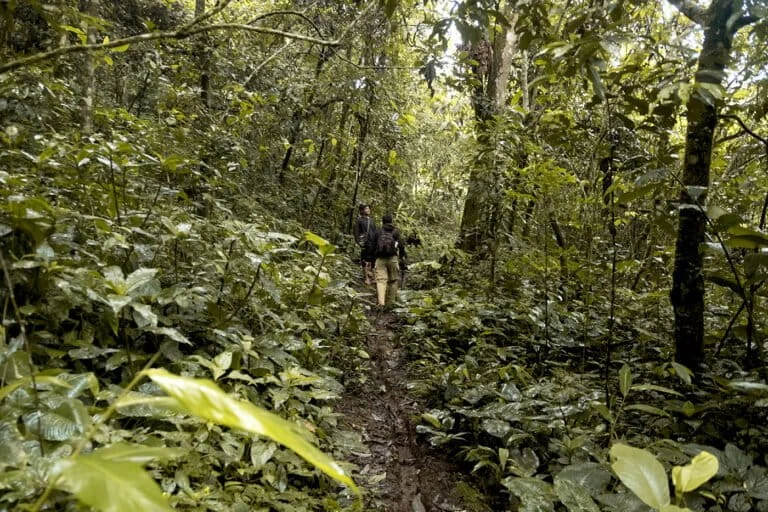
In the bustling coastal cities and lowlands of Indonesia, salted fish (ikan asin) is often regarded as a staple of simplicity, a modest accompaniment to a daily meal. However, in the rugged highlands of South Sumatra—specifically within the Besemah cultural sphere encompassing Semende, Lahat, and Pagaralam—this humble ingredient historically transcended its status as a mere food item. For the people of these mountains, salt and the products preserved by it were once symbols of immense luxury and profound hospitality. To serve a guest a dish seasoned heavily with salt or a plate of salted fish was not merely a culinary choice; it was a high honor, a gesture of respect that acknowledged the arduous journey required to bring that flavor to the table.
The scarcity of salt in the Besemah highlands was a geographical reality that shaped the region’s social and culinary identity for centuries. While the surrounding rainforests and rivers provided an abundance of sweet and sour flavors through wild fruits and vegetation, the mineral sharpness of salt was entirely absent from the local ecosystem. Every grain of salt consumed in the highland villages had to be transported across one of the most formidable terrains in the Indonesian archipelago. This scarcity birthed a unique cultural preference where saltiness became the dominant flavor profile of the region, outshining the sour, sweet, and spicy notes common in other Sumatran cuisines.
The Logistics of the Salt Trail: A Perilous Journey
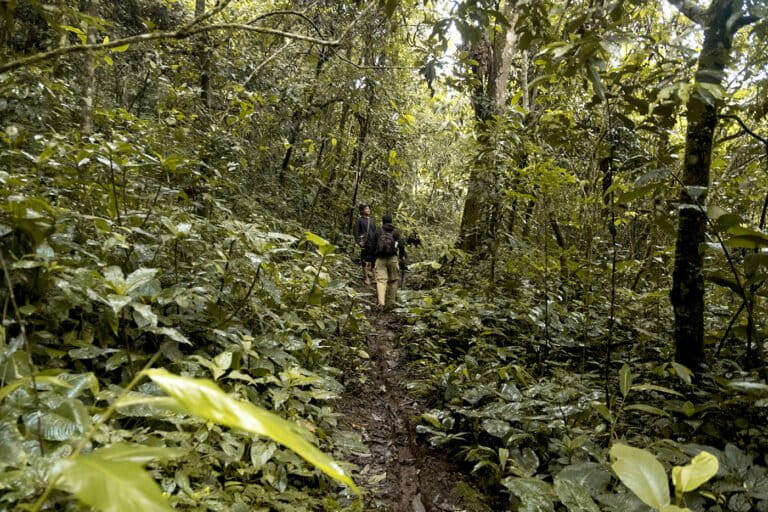
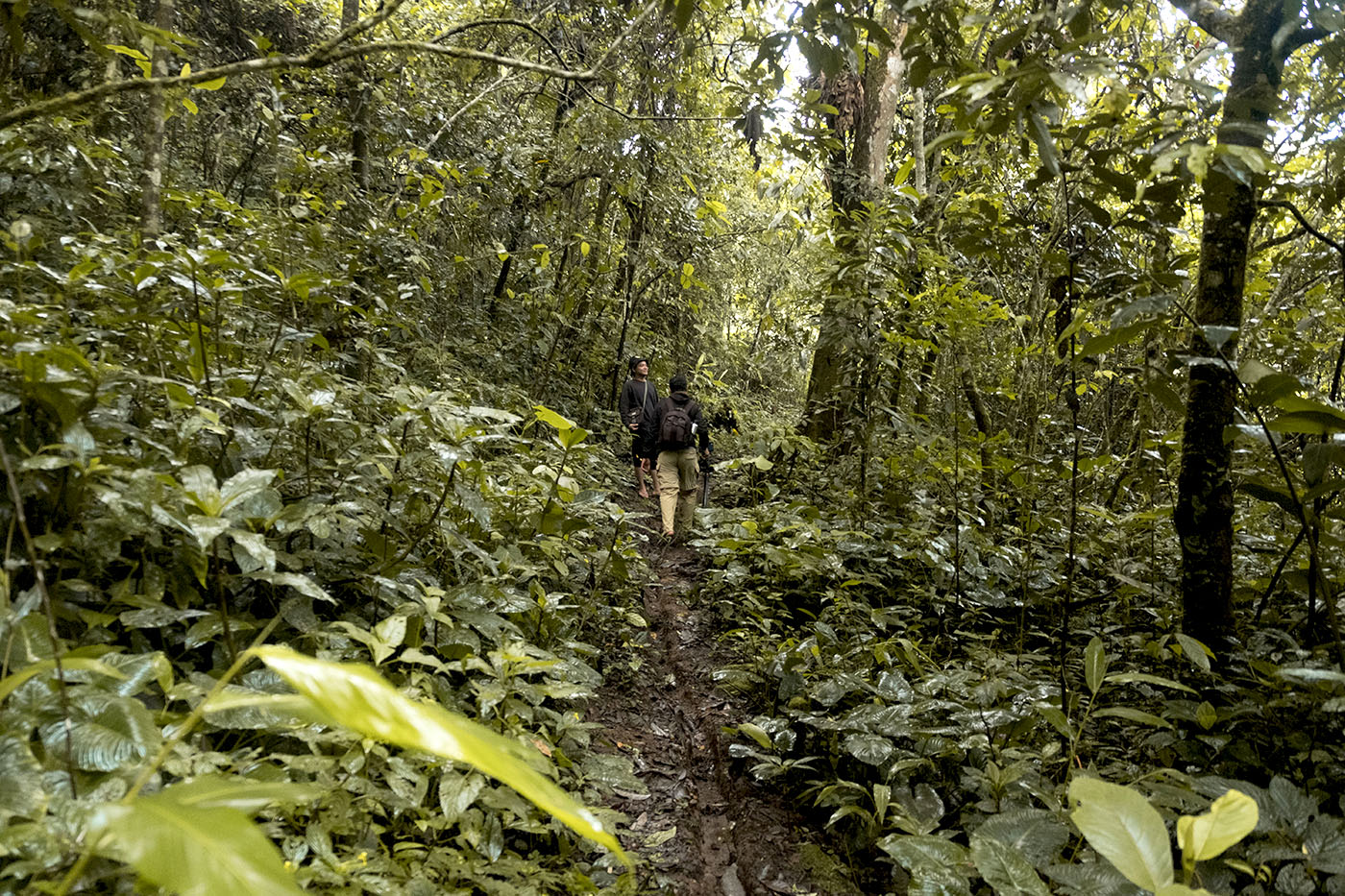
Until the late 1970s, the procurement of salt for the Semende community was a feat of endurance and logistics. The primary source of salt was the southern coast of Bengkulu, a maritime region separated from the highlands by the towering peaks of the Bukit Barisan Selatan mountain range and the formidable Gunung Patah. According to Mansir, a 53-year-old resident of Tanjung Tiga Village in the Muara Enim Regency, the journey was a test of both human and animal mettle.
The backbone of this trade was the Sandelwood pony (Equus caballus). Originally developed on Sumba Island in East Nusa Tenggara, these sturdy, small-statured horses were prized for their agility and stamina in mountainous terrain. In the Besemah highlands, these horses were the primary vehicles of the "Salt Path." They carried heavy sacks of salt through narrow forest tracks, navigating mud, steep inclines, and river crossings that would have been impassable for larger livestock or primitive wheeled vehicles.
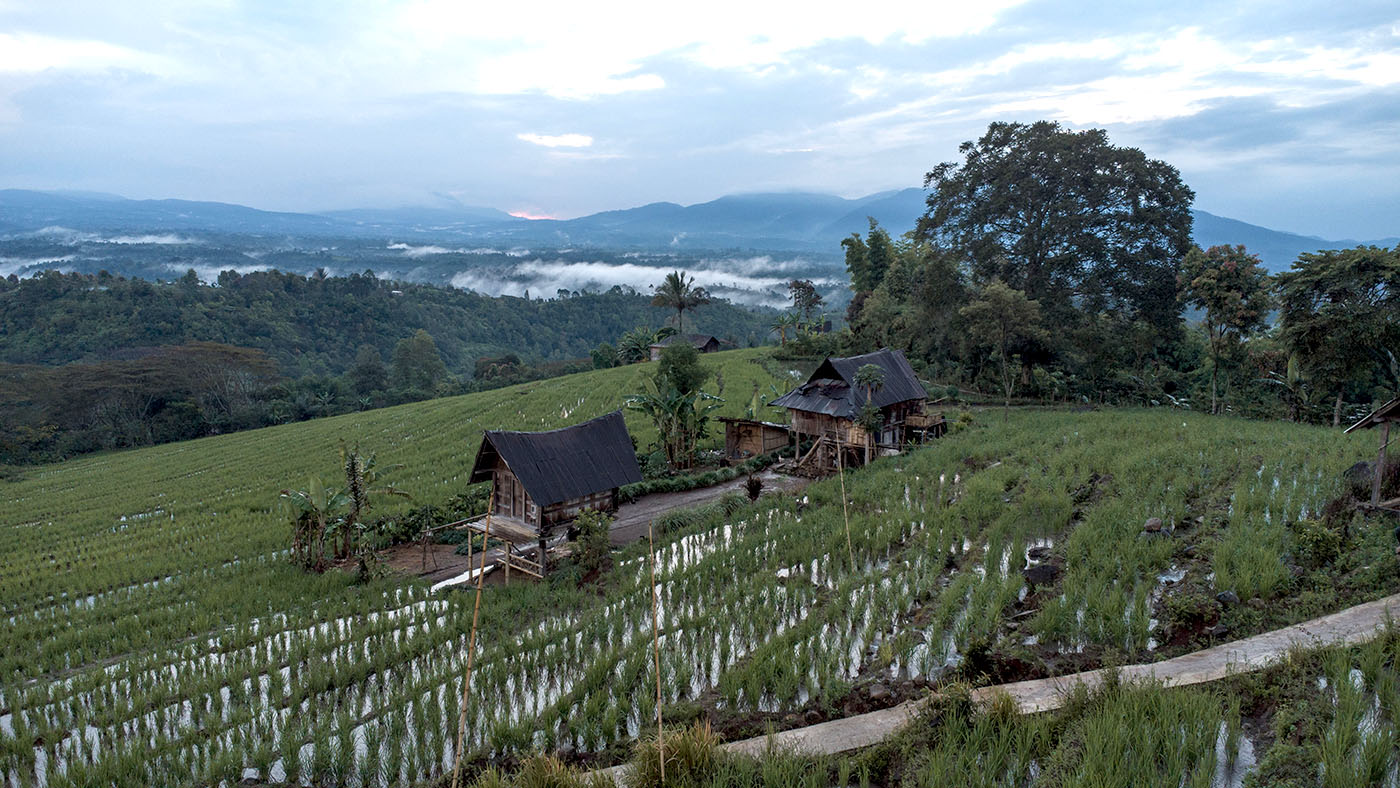
The "Salt Path" was not merely a road but a gauntlet of natural hazards. Traders and their horses had to traverse the Bukit Lumut Balai and the dense jungles of the Bukit Barisan. The journey was fraught with the threat of encounters with Sumatra’s apex predators. The Sumatran tiger (Panthera tigris sumatrae) and the sun bear (Helarctos malayanus) were constant shadows along the trail. To mitigate these risks, travel was strictly restricted to daylight hours. As dusk fell, traders would seek refuge in established transit huts—simple wooden structures built at strategic intervals along the path—where they and their horses could rest under the protection of fire and numbers.
Economic Barter and the Migration of People
The trade of salt was rarely a simple cash transaction in its early days. Instead, it functioned on a sophisticated barter system that linked the mountain economy with the coastal markets. The highlands of Besemah were, and remain, a premier coffee-producing region. Traders would descend toward the Bengkulu coast with horses laden with coffee beans, which were then exchanged for salt in the coastal towns like Manna in South Bengkulu.
This economic exchange had deep demographic implications. Pauzan, a cultural worker from Lahat, suggests that the Salt Path was a primary driver for the migration and intermingling of the Besemah and Bengkulu peoples. The constant movement of traders led to the establishment of klan (clans) and family lineages that bridge the two regions. Today, descendants of families from Bengkulu Selatan are found in highland districts like Bintuhan, Merapi, and Simpang Meo. Conversely, significant Semende communities have settled in the Kaur Regency of Bengkulu, where they continue to practice their traditional "Tunggu Tubang" matrilineal inheritance system.
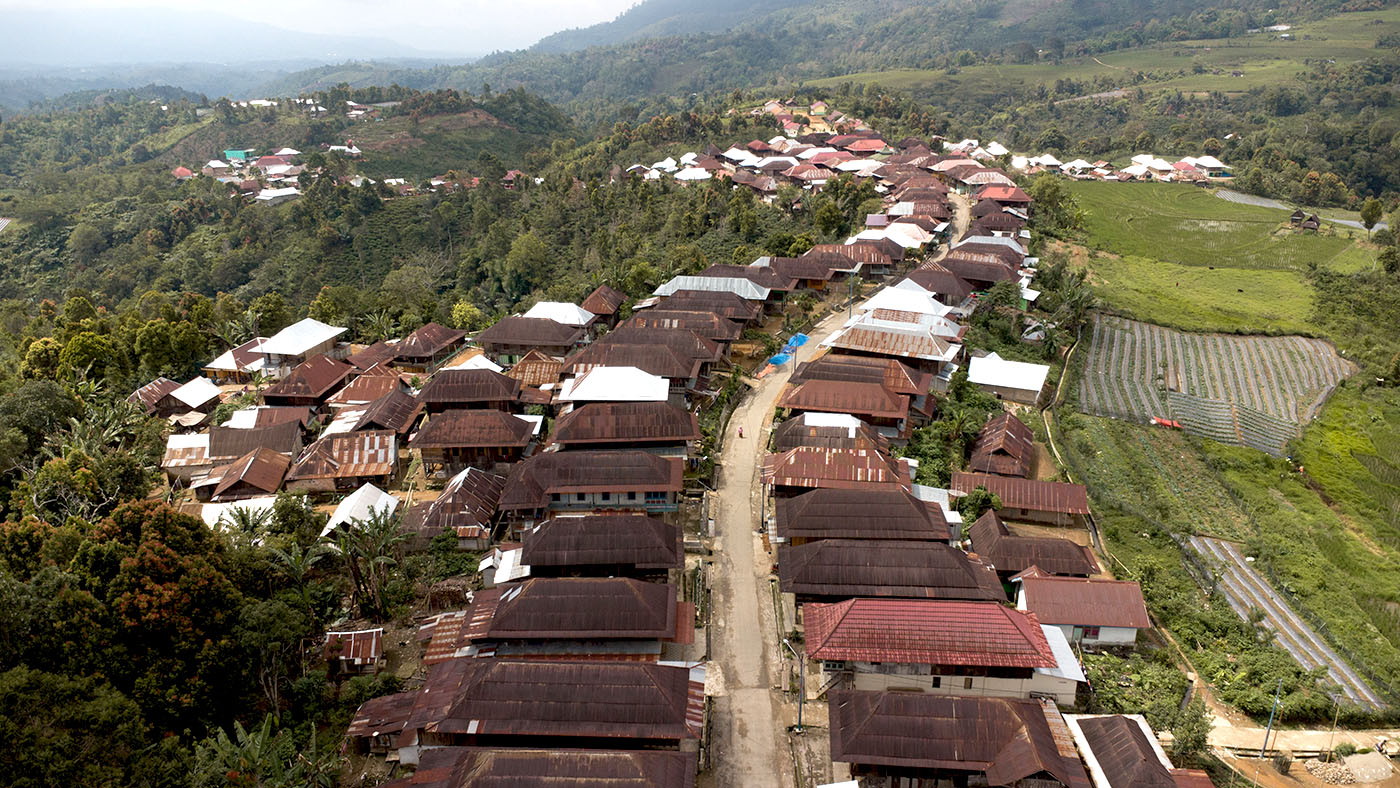
The village of Tanjung Tiga itself stands as a testament to this history. Serving as the "gateway" for the Salt Path, the village was originally established as a coffee plantation outpost by residents from older settlements like Muara Tenang. Over six generations, it evolved from a seasonal camp into a permanent community centered around the flow of goods between the mountains and the sea.
Salt as a Spiritual and Protective Element
Beyond the kitchen, salt occupied a central place in the spiritual life of the Besemah people. Its value as a rare commodity translated into a belief in its metaphysical potency. In a region where the line between the village and the wild jungle was thin, salt was utilized as a protective barrier.
Coarse salt was frequently scattered around the perimeter of homes, garden huts, and forest campsites. This practice served a dual purpose: it was believed to ward off physical threats like venomous snakes and to act as a spiritual deterrent against "roh jahat" (evil spirits) and negative energies. In traditional medicine and customary rituals, salt remains an essential ingredient, used to purify spaces and sanctify ceremonies. This elevated status reinforces why the flavor of salt is so prominent in local dishes; it is a mineral that represents safety, purity, and the triumph of human civilization over the untamed wilderness.
The Impact of Modern Infrastructure and Health Transitions
The landscape of the Semende highlands began to change rapidly with the development of modern transportation infrastructure. As the Indonesian government expanded road networks and motor vehicles became accessible, the grueling trek via the Salt Path became obsolete. By the 1980s, salt began arriving in the highlands via trucks from Palembang, Tanjung Enim, and Lahat, drastically lowering the price and increasing the supply.
This transition had an immediate impact on the local ecosystem of labor. The Sandelwood ponies, once the lifeblood of the highland economy, began to vanish. Without the need for pack animals to navigate the forest trails, the horses were either sold or left to die out, replaced by motorcycles that could carry coffee sacks more efficiently on paved roads. "They are almost gone now," Mansir noted, reflecting on the disappearance of the horses that once defined his ancestors’ lives.
Furthermore, the culinary habits of the region are undergoing a subtle shift. While the preference for strong, salty flavors remains a hallmark of Semende cuisine—especially when compared to the sweeter profiles found in the provincial capital of Palembang—health consciousness is beginning to permeate the highlands. Elianah, a resident of Kota Agung, observed that younger generations are starting to reduce salt intake due to concerns over hypertension and other health issues. Despite this, the cultural "muscle memory" of the region ensures that salt remains the dominant seasoning, a lingering echo of the time when salt was as precious as gold.
Historical Context: Salt as a Global and National Power
The experience of the Besemah people mirrors a broader global history where salt has dictated the fate of empires and the health of economies. Historically, salt was so valuable that it was used as currency in ancient Africa and was a key commodity along the Silk Road. In West Africa, between the 2nd and 15th centuries, salt was frequently traded weight-for-weight with gold.
In the Indonesian context, salt production has been documented since at least the 9th century. By the 15th century, salt pans were largely managed by Chinese settlers, with Madura eventually emerging as the "Salt Island" (Pulau Garam) due to its ideal climatic conditions for solar evaporation. During the colonial era, the Dutch East Indies government and the British briefly recognized the strategic importance of salt, establishing a "Zoutregie" or salt monopoly. This monopoly controlled everything from production in Kalianget to distribution across the archipelago, ensuring that the colonial government could extract tax revenue from every grain consumed.
For the inland communities of Sumatra, this monopoly and the natural geography of the island created a "salt hunger" that could only be satisfied through the heroic efforts of local traders and their Sandelwood ponies.
Implications and Cultural Legacy
The story of the Salt Path in South Sumatra is more than a footnote in culinary history; it is a narrative of human adaptation and the creation of culture through scarcity. The fact that "saltiness" is equated with "respect" in Semende today is a direct result of the physical labor expended by previous generations.
As the region continues to modernize, the physical markers of the Salt Path—the transit huts and the hoofprints of the Sandelwood ponies—are being reclaimed by the jungle. However, the social bonds formed between the people of Bengkulu and the highlands of Besemah remain intact. The "ikan asin" served to a guest in a Semende home today may have been bought at a local market for a few thousand rupiah, but it carries with it the weight of a history where a single sack of salt was worth a journey of a hundred miles through the domain of the tiger.
In conclusion, the evolution of the salt trade in South Sumatra serves as a microcosm of Indonesia’s broader developmental journey. It highlights the shift from a barter-based, isolationist economy to an integrated modern society. Yet, it also serves as a reminder of what is lost in the process of modernization: the deep, ritualistic connection to the food we consume and the recognition of the labor required to bring flavor to our lives. For the people of Besemah, salt will likely always be more than a seasoning; it is a mineral link to their ancestors and a testament to their endurance.