Tyo Susilo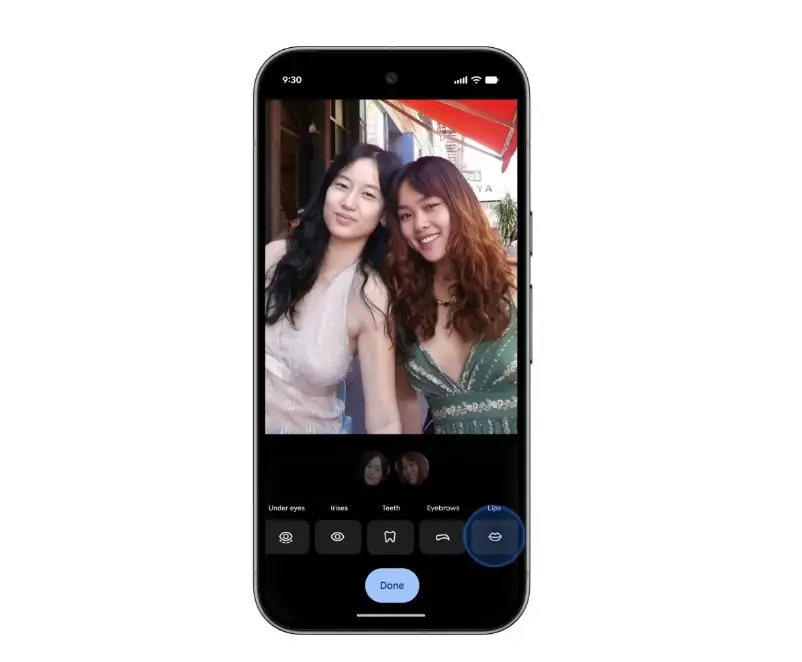
Google Photos has rolled out a significant update, introducing a suite of AI-powered facial touch-up features designed to allow users to make subtle yet impactful adjustments to portraits directly within the application. This enhancement eliminates the need to switch to third-party editing software for common retouching tasks, streamlining the photo editing workflow for millions of users worldwide. The new tools focus on delivering natural-looking results, maintaining the integrity of the original image while improving its aesthetic appeal.
The update, which began its global rollout recently, brings a range of intuitive editing options directly to the user’s fingertips. These new functionalities are integrated into the existing editing suite of Google Photos, making them easily accessible to both novice and experienced photographers. The objective is to empower users to refine their portraits with minimal effort, achieving polished outcomes without requiring advanced technical skills. This move signifies Google’s ongoing commitment to enhancing the utility and user-friendliness of its popular photo management service.
Unveiling the New Touch-Up Capabilities
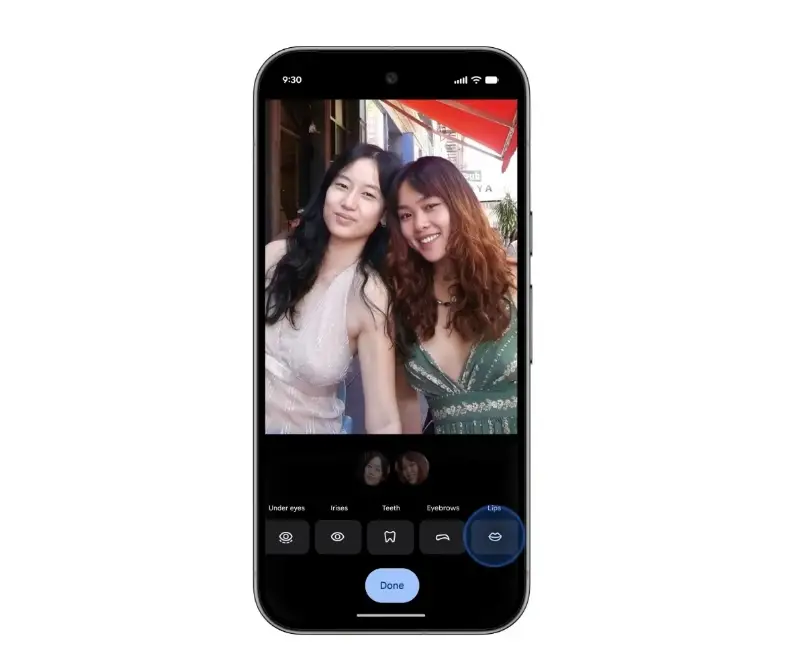
At the core of this update are features designed for precise facial refinement. Users can now access tools to address common portrait imperfections, including options for "heal," "smooth," and adjustments for specific features like eyes and teeth. The process is designed to be straightforward: users simply select a face within a photograph, identify the area they wish to modify, and then fine-tune the intensity of the applied effect. This granular control ensures that edits appear natural and avoid the over-processed look that can sometimes plague digital retouching.
The "heal" function, for instance, is likely powered by sophisticated AI algorithms capable of identifying and intelligently removing minor blemishes, temporary marks, or distractions from the skin’s surface. Similarly, the "smooth" tool aims to reduce the appearance of fine lines or uneven skin texture without completely erasing the natural character of the skin. The ability to adjust the intensity of these effects is crucial, allowing users to achieve a balance between enhancement and authenticity. This thoughtful approach to editing suggests Google’s understanding that users often prefer subtle improvements that enhance, rather than fundamentally alter, a person’s appearance.
Adjustments to eyes and teeth, often focal points in portraits, are also part of the new suite. These tools could offer options for brightening eyes, enhancing their clarity, or subtly whitening teeth. The key will be how these adjustments are implemented – the goal is to make them look natural, not artificial. Early indications suggest that Google has prioritized maintaining the realistic qualities of the photograph, a crucial factor for many users who value authenticity in their digital memories.
A Commitment to Natural Aesthetics
Google appears to have placed a strong emphasis on ensuring that the results of these new touch-up features remain natural. Instead of an aggressive smoothing effect that can render skin unnaturally flawless, the platform aims to retain the inherent details and texture of the skin. This approach is critical for producing images that still feel authentic and relatable. By preserving these nuances, Google Photos ensures that edited portraits do not lose their lifelike quality, making them more visually pleasing and emotionally resonant.
This focus on naturalism is a significant differentiator in the competitive landscape of photo editing applications. Many tools can achieve dramatic transformations, but the ability to make subtle, undetectable improvements is often more valuable for everyday users. The promise of cleaner, more visually appealing images without sacrificing realism suggests that Google Photos is catering to a broad audience that seeks to enhance their photos without compromising their integrity. This can be particularly important for personal photographs where maintaining a genuine representation of loved ones is paramount.
Accessibility and Performance
A notable aspect of this update is its accessibility. Google has confirmed that the new facial touch-up features do not require high-end hardware. The only prerequisites are a smartphone with a minimum of 4GB of RAM and an operating system of Android 9 or newer. This inclusive approach ensures that a vast number of Android users, across a wide spectrum of devices, can benefit from these advanced editing capabilities. The decision to make these tools widely available reflects Google’s strategy to integrate powerful features into its core services, democratizing access to sophisticated editing tools.
The global distribution of this feature means that users across different regions will soon have access to these new editing functionalities. This widespread availability is a testament to Google’s infrastructure and its ability to deploy updates efficiently to its massive user base. As more users gain access, the collective feedback and adoption rates will provide valuable insights into the success and future development of these AI-driven editing tools within Google Photos.
Broader Implications for Photo Editing
The integration of advanced AI-powered facial touch-up tools directly into Google Photos marks a significant step in the evolution of mobile photo editing. It signifies a trend towards more intelligent, context-aware editing capabilities that are seamlessly integrated into everyday applications. This move could further diminish the reliance on dedicated, often more complex, photo editing software for routine tasks.
Supporting Data and Context:
The rise of smartphone photography has led to an exponential increase in the volume of images captured and shared daily. According to various industry reports, billions of photos are uploaded to cloud storage services like Google Photos every month. This massive scale necessitates user-friendly and efficient editing solutions. Google’s own data likely indicates a high demand for tools that can quickly improve portrait quality, a common subject for amateur and professional photographers alike. The introduction of these features aligns with Google’s broader strategy of leveraging AI and machine learning to enhance user experiences across its product ecosystem, from search to productivity and, now, creative tools.
Timeline and Rollout:
While the exact date of the initial development and testing phases is not publicly disclosed, the global rollout indicates a mature and tested feature. Such updates typically undergo extensive internal testing and gradual public release to ensure stability and gather user feedback. The current phase suggests that the feature has moved beyond beta testing and is being made available to a broad audience. The trend in tech releases is often to roll out features incrementally to manage server load and address any emergent issues without disrupting the entire user base.
Analysis of Implications:
The implications of this update are multifaceted. For individual users, it means enhanced control over their photos, enabling them to present themselves and their subjects in the best possible light with greater ease. This can boost confidence in sharing personal images and improve the overall aesthetic quality of a user’s digital photo library.
For Google, this enhancement further solidifies Google Photos’ position as a comprehensive photo management and editing solution. It adds a compelling reason for users to choose Google Photos over competing services, especially those who value convenience and quality in their editing workflow. By offering these sophisticated tools for free within a widely adopted application, Google is setting a new benchmark for what users can expect from their default photo apps.
Furthermore, this move could influence the competitive landscape. Other cloud storage and photo management providers may feel compelled to introduce similar AI-driven editing features to remain competitive. This ultimately benefits consumers by driving innovation and improving the quality and accessibility of photo editing tools across the board. The emphasis on natural results also suggests a growing user preference for authenticity, a trend that developers are increasingly catering to.
Potential Future Developments:
Looking ahead, it is plausible that Google will continue to expand the capabilities of its AI-powered editing suite. Future updates could introduce more advanced object recognition and manipulation tools, potentially allowing for more complex edits such as background adjustments, lighting enhancements, or even style transfers, all while maintaining a focus on natural and intuitive results. The integration of these features into Google Photos underscores the platform’s evolution from a simple storage solution to a robust creative hub for digital imagery. The success of these initial facial touch-up tools will undoubtedly pave the way for more ambitious AI-driven enhancements in the future.
In conclusion, the addition of AI-powered facial touch-up tools to Google Photos represents a significant advancement in mobile photo editing. By offering powerful yet user-friendly features that prioritize natural results, Google is enhancing the value proposition of its popular service and empowering millions of users to elevate their photographic endeavors with unprecedented ease. This update is a clear indicator of Google’s commitment to leveraging artificial intelligence to make sophisticated creative tools accessible to everyone.