Chalifah Fatihah
Jakarta, CNN Indonesia – In a significant testament to urban planning and pedestrian-centric design, Seoul, the vibrant capital of South Korea, has been awarded the title of the world’s most walkable city for 2026. This prestigious recognition comes from the annual Time Out City Survey, which canvassed thousands of urban dwellers worldwide to assess the ease with which they can navigate their home cities on foot. While other urban centers boast trendy cultural spaces, lively nightlife, and delectable culinary scenes, the ability to access these amenities through simple, enjoyable walks is increasingly recognized as a crucial attribute of a truly great city.
The survey, a comprehensive annual assessment by Time Out, a global media and hospitality company, delves into the lived experiences of city residents. Participants were asked to rate their city’s walkability, with factors such as the presence of safe and well-maintained sidewalks, accessible public transportation hubs, appealing streetscapes, and proximity of key attractions playing a pivotal role in their evaluations. This year’s findings highlight a shift in urban priorities, emphasizing that a city’s size is not a determinant of its pedestrian-friendliness.
Seoul’s victory is particularly noteworthy as it triumphed over many smaller, traditionally pedestrian-friendly cities, especially those in Scandinavia. The survey results reveal that a remarkable 93 percent of Seoul residents rated their city’s pedestrian facilities as "good" to "excellent." This high satisfaction score underscores Seoul’s success in integrating extensive pedestrian infrastructure within a densely populated and dynamic metropolis.
Seoul’s Pedestrian Paradise: Infrastructure and Innovation
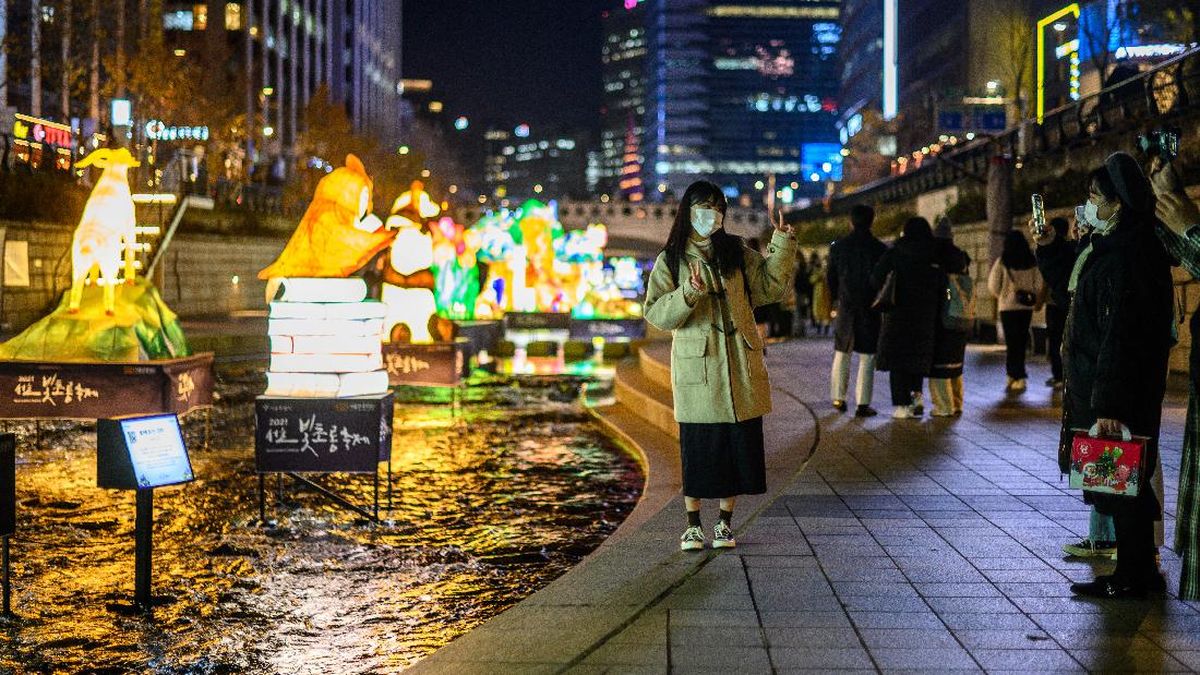
Seoul’s success can be attributed to several key initiatives and enduring features that prioritize the pedestrian experience. A prime example is the Cheonggyecheon stream restoration project. This ambitious urban renewal initiative transformed a long-forgotten, over-covered stream into a 10.9-kilometer (6.8-mile) public recreational space running through the heart of downtown Seoul. The stream is now flanked by meticulously planned, clean, and accessible sidewalks that connect seamlessly to numerous metro stations and major tourist attractions. This revitalized urban artery not only offers a tranquil escape from the city’s hustle and bustle but also serves as a vital pedestrian corridor, enhancing connectivity and encouraging exploration on foot.
Further bolstering Seoul’s walkability is the Seoullo 7017 Skygarden. This innovative 1,074-meter (3,524-foot) elevated park was ingeniously constructed on the site of a former highway overpass in central Seoul. It provides a unique and safe elevated walking experience, completely separating pedestrians from vehicular traffic. The park is adorned with a diverse array of trees, shrubs, and flowers, offering a green oasis in the urban landscape and a novel perspective of the city. This project exemplifies Seoul’s commitment to repurposing urban infrastructure for the benefit of its residents and visitors, transforming a concrete barrier into a vibrant public space.
The survey’s methodology, which relies on direct resident feedback, offers a genuine reflection of urban life. Unlike purely data-driven analyses, the Time Out survey captures the subjective experience of navigating a city, incorporating elements of enjoyment, safety, and convenience that are paramount for walkability. The high rating for Seoul suggests that its urban planners have successfully balanced the demands of a major global city with the fundamental human need for accessible and pleasant pedestrian environments.
Edinburgh’s Historic Charm and Unexpected Walkability
Securing a close second place, with a margin of just 0.08 percent, is Edinburgh, the historic capital of Scotland. Despite its renowned hilly terrain and charming, albeit sometimes challenging, cobblestone streets, Edinburgh garnered an impressive 93 percent satisfaction rating from its residents regarding its walkability. This achievement highlights the enduring appeal of its compact city center and the strategic placement of its key attractions.
Edinburgh’s walkability is deeply intertwined with its rich history and iconic landmarks. The UNESCO World Heritage sites of the Old Town and Edinburgh Castle, along with institutions like the National Galleries of Scotland, are all situated within comfortable walking distance of each other. This geographical concentration allows residents and tourists alike to immerse themselves in the city’s cultural heritage without the need for extensive travel by car or public transport. The city’s well-preserved architecture and picturesque alleyways, known as "closes," further enhance the pedestrian experience, offering a journey through time with every step.
The survey’s findings for Edinburgh suggest that a city’s walkability is not solely dependent on flat terrain or modern infrastructure. The historical context, the density of attractions, and the intrinsic beauty of the urban environment can significantly contribute to a positive pedestrian experience. Residents likely appreciate the ability to stumble upon hidden courtyards, historic pubs, and breathtaking viewpoints, all accessible on foot.
Global Perspectives: Asia’s Presence and Notable Absences
The 2026 Time Out survey also shed light on the global distribution of walkable cities. Out of the top 20 cities recognized for their pedestrian-friendliness, only four are located in Asia. Seoul leads the Asian contingent, followed by Singapore, Taipei in Taiwan, and Macau in China. This representation indicates a growing focus on pedestrian infrastructure within several Asian urban centers, aligning with global trends toward sustainable urban development and enhanced quality of life.
The absence of several major Southeast Asian capitals from the list, including Jakarta, Indonesia, and Kuala Lumpur, Malaysia, is a point of consideration. While these cities are dynamic economic hubs, their rankings suggest that challenges remain in developing comprehensive and universally accessible pedestrian networks. Factors such as traffic congestion, the prioritization of vehicular infrastructure, and the availability of safe and continuous pedestrian pathways likely contribute to these lower scores.
The Top 20 Most Walkable Cities in the World 2026: A Snapshot
The full list of the top 20 most walkable cities, as determined by the Time Out survey, provides a comprehensive overview of global urban pedestrian-friendliness:
- Seoul, South Korea
- Edinburgh, Scotland
- New York City, USA
- Copenhagen, Denmark
- Oslo, Norway
- Stockholm, Sweden
- Paris, France
- Singapore
- Helsinki, Finland
- Kraków, Poland
- Riga, Latvia
- Vienna, Austria
- Amsterdam, Netherlands
- Tallinn, Estonia
- Zurich, Switzerland
- Taipei, Taiwan
- Vancouver, Canada
- Macau, China
- Melbourne, Australia
- Munich, Germany
The presence of major North American and European cities like New York City, Copenhagen, Oslo, Stockholm, Paris, Helsinki, Vienna, Amsterdam, and Zurich in the top rankings is consistent with their long-standing reputations for prioritizing public transport and pedestrian infrastructure. These cities have often invested heavily in developing extensive public transit systems that complement walkable neighborhoods, making it easier for residents to move around without relying on private vehicles.
Implications for Urban Development and Quality of Life
The findings of the Time Out survey carry significant implications for urban planners, policymakers, and city dwellers worldwide. The emphasis on walkability reflects a broader societal shift towards sustainability, health, and community well-being. Cities that are highly walkable tend to experience:
- Improved Public Health: Increased opportunities for physical activity through walking contribute to lower rates of obesity, cardiovascular disease, and other sedentary lifestyle-related health issues.
- Reduced Environmental Impact: A greater reliance on walking and public transport leads to decreased carbon emissions, improved air quality, and a smaller urban carbon footprint.
- Enhanced Economic Vitality: Walkable neighborhoods often foster more vibrant local economies, with increased foot traffic supporting local businesses and creating more dynamic commercial districts.
- Stronger Social Cohesion: Pedestrian-friendly environments encourage chance encounters and social interactions among residents, fostering a greater sense of community and belonging.
- Increased Property Values: Areas with high walkability scores often command higher property values due to their desirability and convenience.
The success of Seoul and Edinburgh serves as a compelling case study for other cities aspiring to improve their pedestrian infrastructure. It demonstrates that even in large, complex metropolises, strategic investments in public spaces, transit integration, and innovative design can transform the urban experience. As urban populations continue to grow, the focus on creating cities that are not just functional but also enjoyable to traverse on foot will undoubtedly become an even more critical benchmark for urban success in the years to come. The 2026 Time Out survey reinforces that the future of urban living is, quite literally, a step in the right direction.