Nila Kartika Wati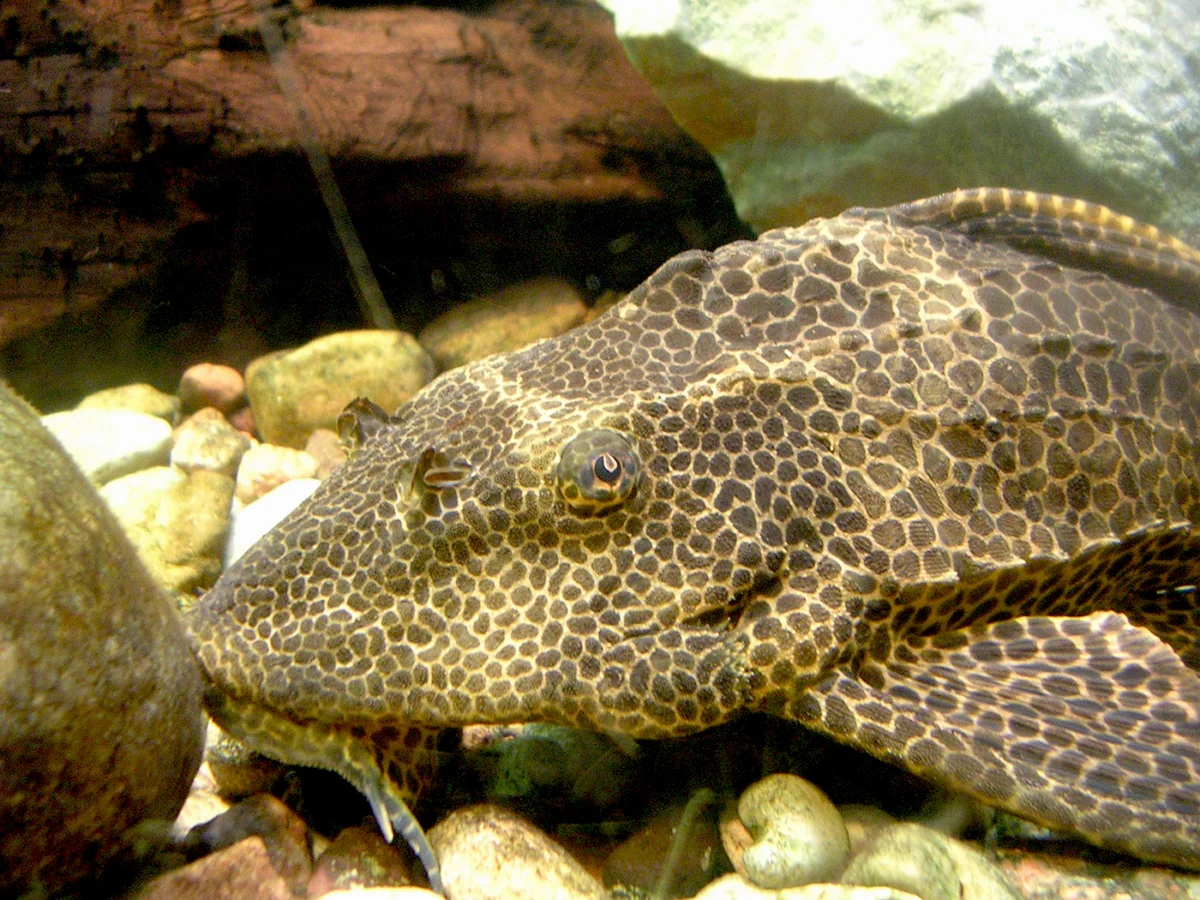
The provincial government of Jakarta recently conducted a massive, coordinated operation across its five administrative cities to address the surging population of the invasive suckermouth catfish, locally known as ikan sapu-sapu. According to data released by the Jakarta Maritime, Agriculture, and Food Security Agency (Dinas KPKP), the operation resulted in the capture of 68,880 individual fish, totaling approximately 6,979.5 kilograms—nearly seven metric tons of biomass removed from the city’s heavily polluted waterways. While the government frames this intervention as a vital step toward restoring ecological balance and protecting native habitats, environmental researchers and socio-ecological experts suggest that the sheer volume of the catch reveals a much deeper, more systemic failure in urban river management.
The operation, which gained significant traction across social media platforms like TikTok and Instagram, was presented as a decisive strike against invasive species. However, the visibility of the intervention stands in stark contrast to the stagnant condition of the rivers themselves. Despite the removal of seven tons of fish, the fundamental characteristics of Jakarta’s rivers remain unchanged: the water continues to be characterized by high turbidity, persistent foul odors, and a heavy load of upstream debris. This discrepancy highlights a growing debate among policymakers and scientists regarding whether such operations address the root causes of environmental degradation or merely manage the symptoms of a "regime shift" in the city’s aquatic ecosystems.
The Biological Profile of the Invader
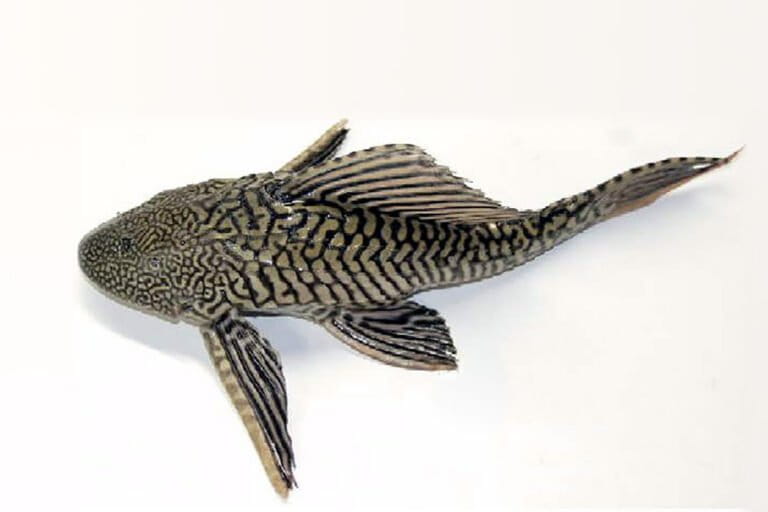
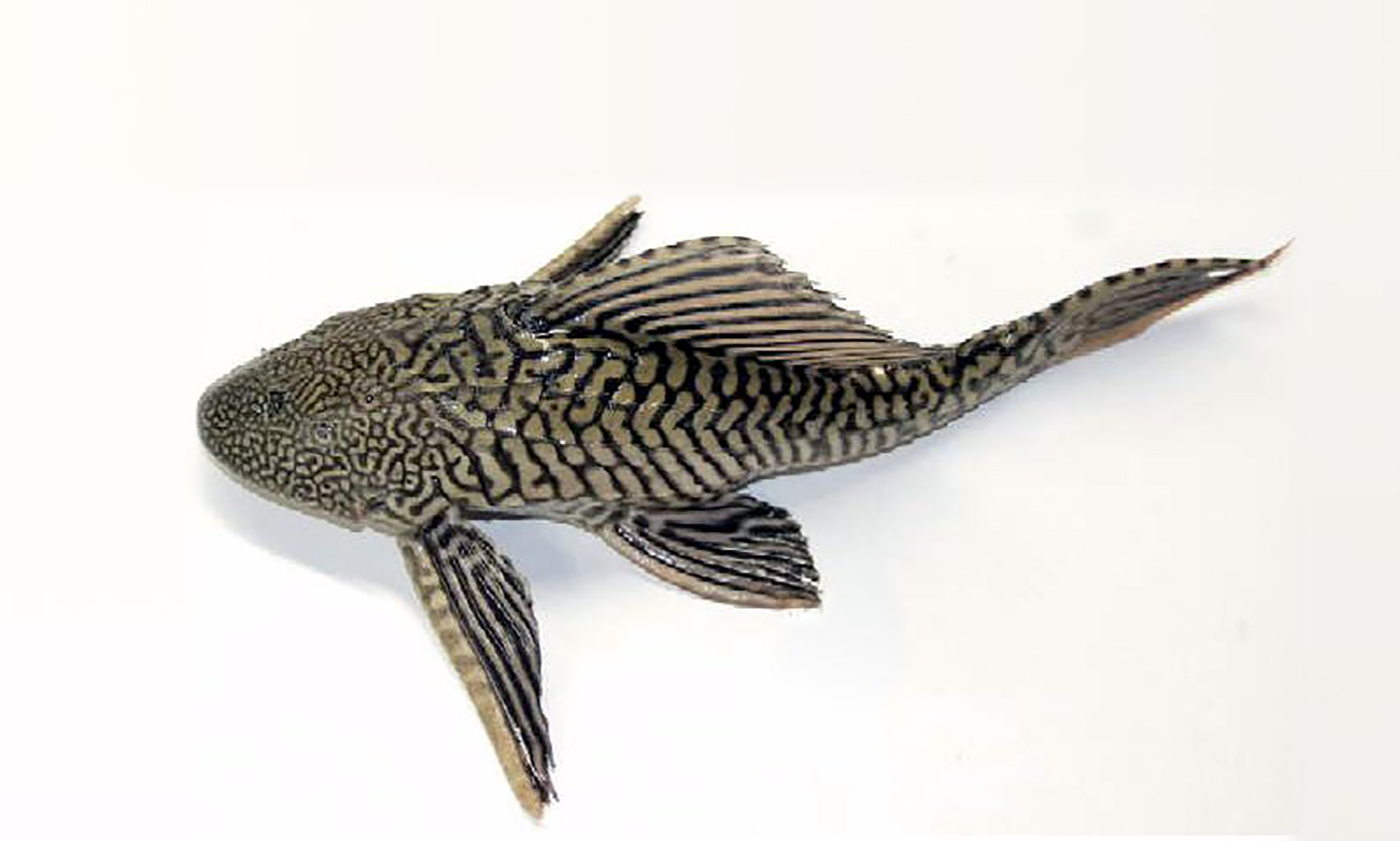
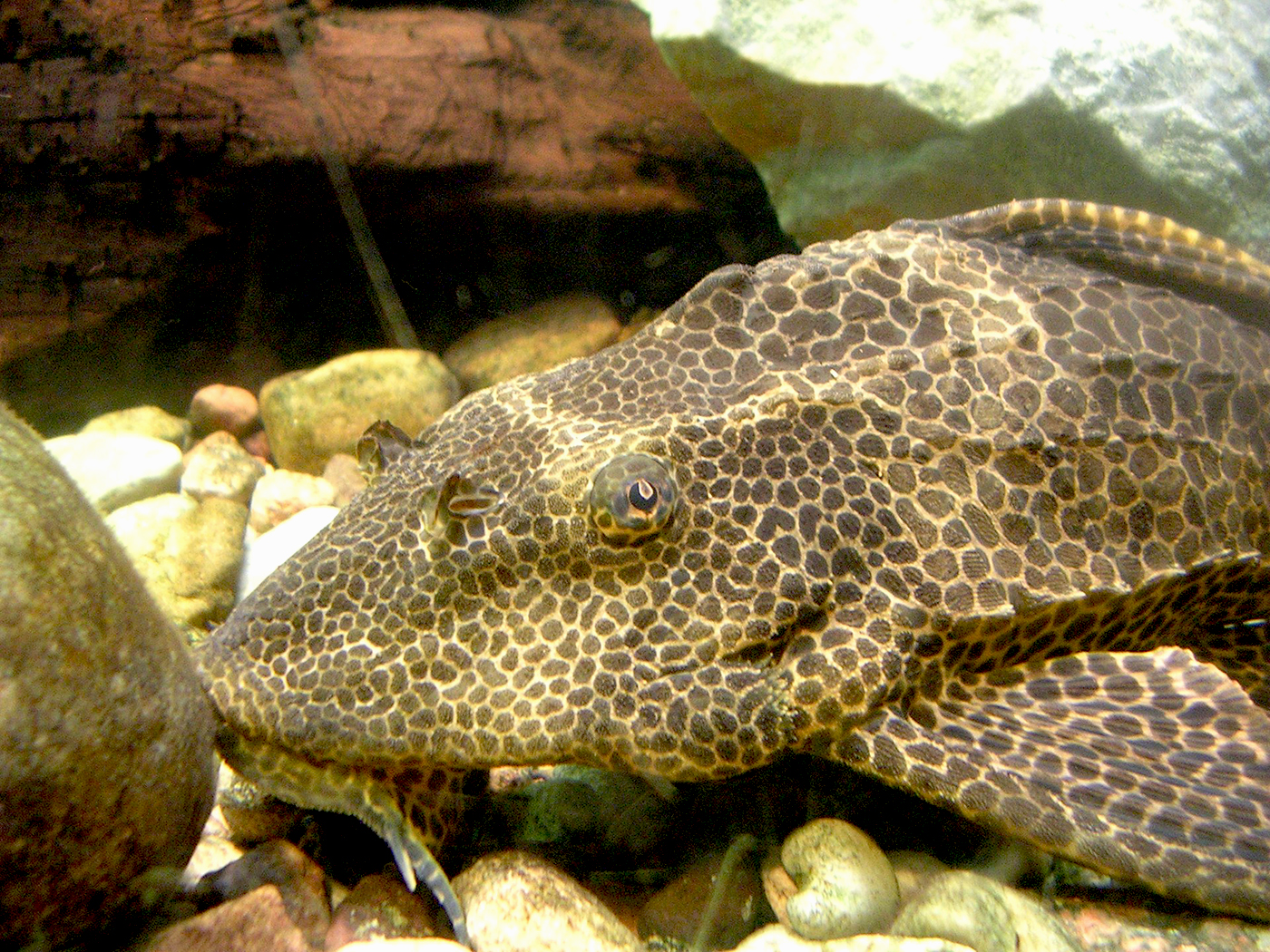
The suckermouth catfish, primarily belonging to the genus Pterygoplichthys (family Loricariidae), is a species native to South America. Often misidentified in popular discourse as Hypostomus plecostomus, these fish were originally introduced to Indonesia through the ornamental aquarium trade. Due to their hardy nature and ability to consume algae and detritus, they became popular "cleaner fish" for domestic tanks. However, their release into natural waterways has led to an ecological explosion.
Biologically, Pterygoplichthys is uniquely equipped to thrive in the harsh environments of Jakarta’s rivers. They possess a modified digestive tract that allows them to breathe atmospheric air, enabling survival in low-oxygen (hypoxic) waters where native Indonesian fish species perish. Furthermore, their bodies are covered in thick, bony plates rather than scales, providing a natural defense against predators. In the context of Jakarta’s rivers, which are often saturated with heavy metals and organic pollutants, these catfish have found a niche with virtually no competition and no natural predators.
Chronology of Jakarta’s River Degradation
The dominance of the suckermouth catfish is not a sudden occurrence but the result of decades of ecological shifts. To understand why seven tons of these fish could be harvested in a single operation, one must look at the timeline of Jakarta’s urban development and its impact on water quality.
In the late 20th century, Jakarta’s rivers still supported a variety of native fauna. However, as the population surged and industrialization accelerated without commensurate sewage infrastructure, the rivers began to transition. By the early 2000s, studies indicated a significant rise in domestic waste discharge and nutrient loading (nitrogen and phosphorus) from household detergents and unmanaged septic systems.
By 2010, many of Jakarta’s 13 major rivers had reached a tipping point. The high organic load led to eutrophication, stripping the water of oxygen. It was during this period that the "regime shift" became most apparent. Sensitive native species disappeared, and the suckermouth catfish, alongside the equally hardy Nile tilapia (Oreochromis niloticus), became the dominant residents. The recent 2026 data from Dinas KPKP is simply a quantitative confirmation of a biological reality that has been brewing for over twenty years.
Analyzing the Intervention: Performance vs. Restoration
The removal of 68,880 fish serves as a powerful performance indicator for municipal agencies. In the world of urban governance, metrics that can be easily counted and reported—such as tons of trash collected or thousands of fish caught—are often prioritized because they demonstrate immediate action to the public. Researchers from the National Research and Innovation Agency (BRIN) note that this approach, while visually satisfying, may create an "illusion of resolution."
This phenomenon is often described as "performative governance." By focusing on the removal of an invasive species, the government positions the fish as the "villain" of the river. Yet, ecological data suggests the causality is reversed: the fish did not destroy the river; the destruction of the river’s quality created the perfect habitat for the fish. If the water quality were restored to its natural state—clearer, oxygen-rich, and free of heavy pollutants—the suckermouth catfish would likely lose its competitive advantage, and native species could be reintroduced.
The Socio-Ecological System (SES) Perspective
The crisis in Jakarta’s rivers is a classic example of a broken Socio-Ecological System (SES). In this framework, the environment and human society are not separate entities but are linked in a continuous feedback loop. The "problem" of the suckermouth catfish is inextricably tied to Jakarta’s waste management crisis, urban planning, and the socioeconomic pressures faced by residents living along the riverbanks.
Supporting data from various environmental studies (Rachmawati et al., 2020) indicates that the Krukut and Ciliwung rivers receive thousands of tons of domestic waste daily. This waste provides the nutrient base that sustains the massive catfish population. Furthermore, the fragmentation of governance—where different agencies handle water flow, waste collection, and biological conservation—means that interventions are rarely holistic.
When the problem is "moved" rather than "solved," it often reappears elsewhere in the system. For instance, pollutants that are not filtered by the river eventually reach the Jakarta Bay. This impacts coastal communities and traditional fishermen who find their nets filled with the same invasive catfish and plastic debris rather than the high-value sea fish they once caught. The decline in water quality at the estuary is a direct consequence of the failures upstream, proving that the river is a single, interconnected artery.
Comparative Policy Analysis: Air vs. Water
A parallel can be drawn between the management of Jakarta’s water and its air quality. In air pollution discourse, the focus is often on vehicle emissions because they are visible and identifiable, while structural issues like industrial regulations, urban heat islands, and regional coal-fired power plants are often sidelined in policy discussions.
Similarly, in river management, the suckermouth catfish becomes the "emission" of the water—a visible target for regulation and removal. Meanwhile, the structural drivers—the lack of a city-wide integrated sewage system, the encroachment of concrete on natural floodplains, and the discharge of industrial chemicals—remain largely unaddressed due to the high cost and long-term political commitment required to fix them.
The Resilience of Degraded States
Ecologically, Jakarta’s rivers have entered a state of "degraded resilience." This means the system has become very stable in its polluted state. Even after a massive harvest of seven tons of catfish, the remaining population will likely rebound rapidly. Because the environmental conditions (the "regime") have not changed, the biological response will remain the same. The niche remains open, the food source (detritus and algae) is abundant, and the catfish’s reproductive rate will quickly fill the void left by the captured individuals.
True ecological recovery requires more than the subtraction of a species; it requires the addition of environmental quality. This includes:
- Upstream Waste Control: Implementing decentralized wastewater treatment plants (IPAL) in densely populated neighborhoods to prevent raw sewage from entering the rivers.
- Riparian Restoration: Moving away from "normalization" (concreting riverbanks) toward "naturalization," which allows plants and soil to naturally filter water and provide habitats for diverse species.
- Integrated Governance: Creating a single authority responsible for the biological, chemical, and physical health of the rivers to prevent fragmented, performative interventions.
Conclusion: Beyond the Seven-Ton Metric
The capture of nearly 7,000 kilograms of suckermouth catfish in Jakarta is a staggering statistic that serves as a wake-up call for the city. While the efforts of the Dinas KPKP and the field officers deserve recognition for their labor, the operation must be viewed as a short-term emergency measure rather than a long-term solution.
As noted by Ulfa Sevia Azni, a researcher at BRIN, the catfish is a mirror reflecting the health of the city. If the mirror shows a distorted and unpleasant image, breaking the mirror—or in this case, removing the fish—does not change the reality of the person standing before it. The future of Jakarta’s rivers depends on the government’s willingness to move beyond performative metrics and engage in the slow, difficult, and often invisible work of systemic environmental reform. Until the rivers are treated as living ecosystems rather than drainage canals, the suckermouth catfish will remain the silent, hardy witnesses to Jakarta’s ongoing ecological struggle.