Paryono Ramadhan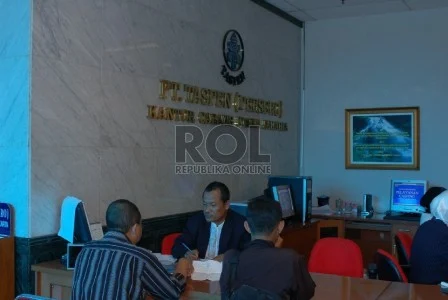
PT Taspen, the state-owned enterprise responsible for civil servant social insurance and pension funds, is set to commence the repayment of the Civil Servant Housing Savings (Taperum PNS) program on June 1. This significant move marks a crucial phase in the government’s commitment to civil servant welfare, ensuring that retiring personnel receive their long-contributed housing funds. The payouts are specifically earmarked for all civil servants reaching retirement age starting from June 1, with the notable exception of personnel within the Ministry of Defense, the Indonesian National Armed Forces (TNI), and the Indonesian National Police (Polri), who are covered under separate, specialized housing and welfare schemes.
The repayment process is designed for maximum convenience, as stated by Taspen Corporate Secretary Iwan Soeroto. These Taperum funds will be disbursed as a single, consolidated package, alongside the recipient’s first pension payment and Old Age Savings (Tabungan Hari Tua – THT), at the respective Taspen branch offices across the archipelago. This integrated approach aims to streamline the collection process, allowing retirees to access all their entitlements efficiently and without undue administrative burden. Soeroto emphasized that "The payment is made as one package for the convenience of civil servants in receiving their rights," underscoring Taspen’s dedication to service excellence and ease of access for its beneficiaries.
The Genesis of Taperum PNS: A Historical Overview
To fully appreciate the significance of this payout, it is essential to understand the historical context of Taperum PNS. The program was established with the noble objective of assisting civil servants in acquiring suitable housing, a fundamental necessity and a significant concern for many public sector employees. It functioned as a mandatory savings scheme, where civil servants contributed a small portion of their monthly salary into a dedicated fund managed by the Civil Servant Housing Savings Board (Badan Pertimbangan Tabungan Perumahan Pegawai Negeri Sipil – Bapertarum-PNS).
Bapertarum-PNS was initially established through Presidential Decree No. 14 of 1993, later refined by Presidential Decree No. 46 of 1994, which also stipulated the contribution amounts. The primary goal was to provide financial support, often in the form of down payments or subsidies, to civil servants aspiring to own a home. This initiative reflected the government’s recognition of the critical role civil servants play in national development and the need to ensure their welfare, including access to affordable housing. For decades, these contributions, though modest, accumulated, forming a substantial pool of funds intended to support housing aspirations across the vast civil service cadre.
Transition and Consolidation: From Bapertarum to Taspen
The journey of Taperum PNS has not been without its complexities, leading to a significant structural reform that paved the way for the current payout. Over the years, Bapertarum-PNS faced various challenges, including administrative inefficiencies, limited fund utilization for direct housing benefits, and an increasing need for more integrated and transparent management of civil servant welfare programs. These issues prompted the government to reassess the operational model of Taperum PNS.
A pivotal moment arrived with the issuance of Presidential Regulation No. 66 of 2017 concerning the Dissolution of Bapertarum-PNS. This regulation mandated the transfer of all assets, liabilities, and operational responsibilities of Bapertarum-PNS to PT Taspen (Persero). The rationale behind this consolidation was multifaceted: to streamline the management of civil servant social security funds, enhance governance and transparency, and integrate housing savings into a broader, more robust social insurance framework already managed by Taspen. This strategic merger was seen as a move towards greater efficiency and effectiveness in delivering benefits to civil servants, ensuring that their accumulated savings would be managed by an entity with extensive experience in financial management and social security administration.
The transfer process involved meticulous data reconciliation and fund integration, a complex undertaking given the sheer number of civil servants involved and the decades of accumulated contributions. Taspen’s established infrastructure, robust IT systems, and extensive network of branch offices were deemed well-suited to handle this expanded mandate, offering a more centralized and coordinated approach to civil servant welfare. The June 1 payout represents the culmination of this transitional period, actualizing the government’s commitment to disburse these funds following the dissolution of Bapertarum-PNS.
Taspen’s Mandate and Expanded Role
PT Taspen (Dana Tabungan dan Asuransi Pegawai Negeri) has historically served as the cornerstone of social security for Indonesian civil servants, managing pension funds and Old Age Savings (THT). Its core functions include providing retirement benefits, death benefits, and other social insurance services to millions of state apparatus members. With the integration of Taperum PNS, Taspen’s role has been further solidified as the comprehensive provider of welfare benefits for civil servants.
This expanded mandate means Taspen is now responsible for managing a broader spectrum of financial entitlements, ensuring a holistic approach to civil servant welfare from active service through retirement. The scale of Taspen’s operations is immense, serving approximately 4.2 million active civil servants and over 2.9 million retirees across Indonesia. Managing the Taperum PNS payout for potentially hundreds of thousands of retiring civil servants annually adds another layer of administrative complexity, yet it also underscores Taspen’s capacity and readiness to adapt to evolving government policies and beneficiary needs. The company’s nationwide network of offices is crucial in facilitating the accessible and efficient disbursement of these funds, particularly in remote areas.
Scope of the Payout and Exclusions
The June 1 payout is directed at "all PNS" (Pegawai Negeri Sipil) who enter retirement phase from that date onwards. This encompasses a vast majority of the civil service across various ministries, agencies, and regional administrations. However, as previously noted, specific exclusions apply. Personnel from the Ministry of Defense, the Indonesian National Armed Forces (TNI), and the Indonesian National Police (Polri) are not included in this Taperum PNS payout. This distinction arises because these specific government branches operate their own distinct housing and welfare programs, tailored to the unique operational and residential needs of military and police personnel. These separate schemes, such as housing programs managed by entities like the National Police’s Social Security Fund (ASABRI), cater to their members, thus preventing overlap with the general civil servant Taperum system.

While exact numbers for the initial payout beneficiaries are dynamic and depend on monthly retirement figures, it is estimated that tens of thousands of civil servants retire annually. For instance, based on historical data, around 50,000 to 70,000 civil servants retire each year across Indonesia. This suggests that the Taperum payout will benefit a significant cohort of individuals, providing them with a welcome financial boost as they transition into retirement. The structured and systematic approach ensures that each eligible retiree will receive their due entitlement as part of their comprehensive retirement package.
Financial Aspects: Current Contributions and Future Reforms
The original contribution structure for Taperum PNS, as stipulated by Presidential Decree No. 46 of 1994, was based on fixed monthly amounts tied to the civil servant’s salary grade (Golongan). These amounts were relatively modest and had remained unchanged for decades:
- Golongan I (Grade I): Rp 3,000 (approximately $0.20 USD) per month
- Golongan II (Grade II): Rp 5,000 (approximately $0.35 USD) per month
- Golongan III (Grade III): Rp 7,000 (approximately $0.50 USD) per month
- Golongan IV (Grade IV): Rp 10,000 (approximately $0.70 USD) per month
These fixed contributions, while easy to administer, did not proportionally reflect salary increases over time or the varying economic capacities of civil servants across different grades. Recognizing this, Taspen is actively pursuing a significant reform in the contribution model. Iwan Soeroto indicated that Taspen is advocating for a new system where contributions would be set at 2.5 percent of the civil servant’s total salary.
This proposed shift from fixed nominal amounts to a percentage-based contribution holds several implications. Firstly, it would introduce greater equity, as higher-earning civil servants would contribute proportionally more, reflecting their greater capacity. Secondly, it would make the Taperum fund more dynamic and responsive to salary adjustments, ensuring that contributions keep pace with economic realities and inflation. Thirdly, a higher, percentage-based contribution could lead to a more substantial accumulation of funds for individual civil servants over their careers, potentially providing a more meaningful sum upon retirement to address housing needs. This reform is part of a broader effort to modernize civil servant welfare programs, making them more sustainable and equitable in the long term, and ensuring that future housing benefits are more substantial and reflective of current economic conditions.
Official Statements and Stakeholder Reactions
The announcement of the Taperum PNS payout has been met with positive anticipation across various stakeholders. From PT Taspen’s perspective, the timely disbursement reinforces its image as a reliable and efficient social security provider. Beyond Iwan Soeroto’s statements emphasizing convenience, Taspen’s leadership is likely to underscore their commitment to fulfilling the government’s mandate and ensuring the financial well-being of retiring civil servants. This payout serves as a tangible demonstration of Taspen’s capacity to manage complex fund transfers and deliver on its expanded responsibilities following the Bapertarum-PNS dissolution.
Civil servant representative bodies and unions are expected to welcome this development warmly. For many retirees, these funds represent long-awaited entitlements, and their disbursement provides a sense of financial security and recognition for their years of service. Leaders of organizations like the Indonesian Civil Servants Corps (KORPRI) would likely commend the government and Taspen for streamlining the process and ensuring that these critical funds reach their intended beneficiaries promptly. There might also be calls for continued improvements in civil servant housing programs, perhaps leveraging the proposed 2.5% contribution model to build more robust and accessible housing schemes in the future.
From a governmental perspective, particularly from the Ministry of Finance or the Ministry of State-Owned Enterprises, the successful implementation of this payout signifies a commitment to good governance and improved public sector welfare. It demonstrates the administration’s resolve to address legacy issues and modernize social security provisions for its workforce. This move aligns with broader national strategies aimed at enhancing the welfare and productivity of the state apparatus, recognizing that a well-supported civil service is fundamental to effective public administration and national development.
Broader Implications and Future Outlook
The initiation of Taperum PNS repayments carries several significant implications, both for individual retirees and the broader framework of civil servant welfare in Indonesia. For retiring civil servants, the financial injection provides immediate relief and flexibility. These funds, which could range from several hundred thousand to millions of Rupiah depending on the length of service and grade, can be crucial for various purposes: augmenting retirement savings, covering healthcare costs, home renovations, or even serving as capital for small post-retirement businesses. This directly contributes to the financial stability and quality of life for a significant segment of the elderly population.
For PT Taspen, this event reinforces its enhanced role as a comprehensive social security provider. It demonstrates the institution’s capability to absorb and manage complex programs, thereby strengthening its position as the central pillar for civil servant welfare in Indonesia. This successful integration and payout will likely bolster public trust in Taspen’s administrative capacity and financial stewardship.
From a governmental standpoint, the payout underscores a firm commitment to the welfare of public servants, ensuring that long-standing contributions are honored. It represents a step towards streamlining and modernizing the overall social security landscape for civil servants, moving towards a more integrated and efficient system. The proposed shift to a 2.5% salary-based contribution model for future housing savings signals a forward-looking approach, aiming to create a more sustainable, equitable, and impactful housing benefit scheme for the next generation of civil servants. This reform could pave the way for more robust and transparent housing programs, potentially through partnerships with housing developers or subsidized financing initiatives.
Ultimately, the Taperum PNS payout is more than just a financial transaction; it is a testament to the government’s enduring commitment to its civil servants. It signifies the successful transition from an older, less efficient system to a modernized, integrated approach under Taspen’s stewardship. As Indonesia continues to develop, ensuring the well-being and financial security of its dedicated civil service remains a paramount objective, and this initiative represents a significant stride in that direction, setting a positive precedent for future welfare programs.