Nila Kartika Wati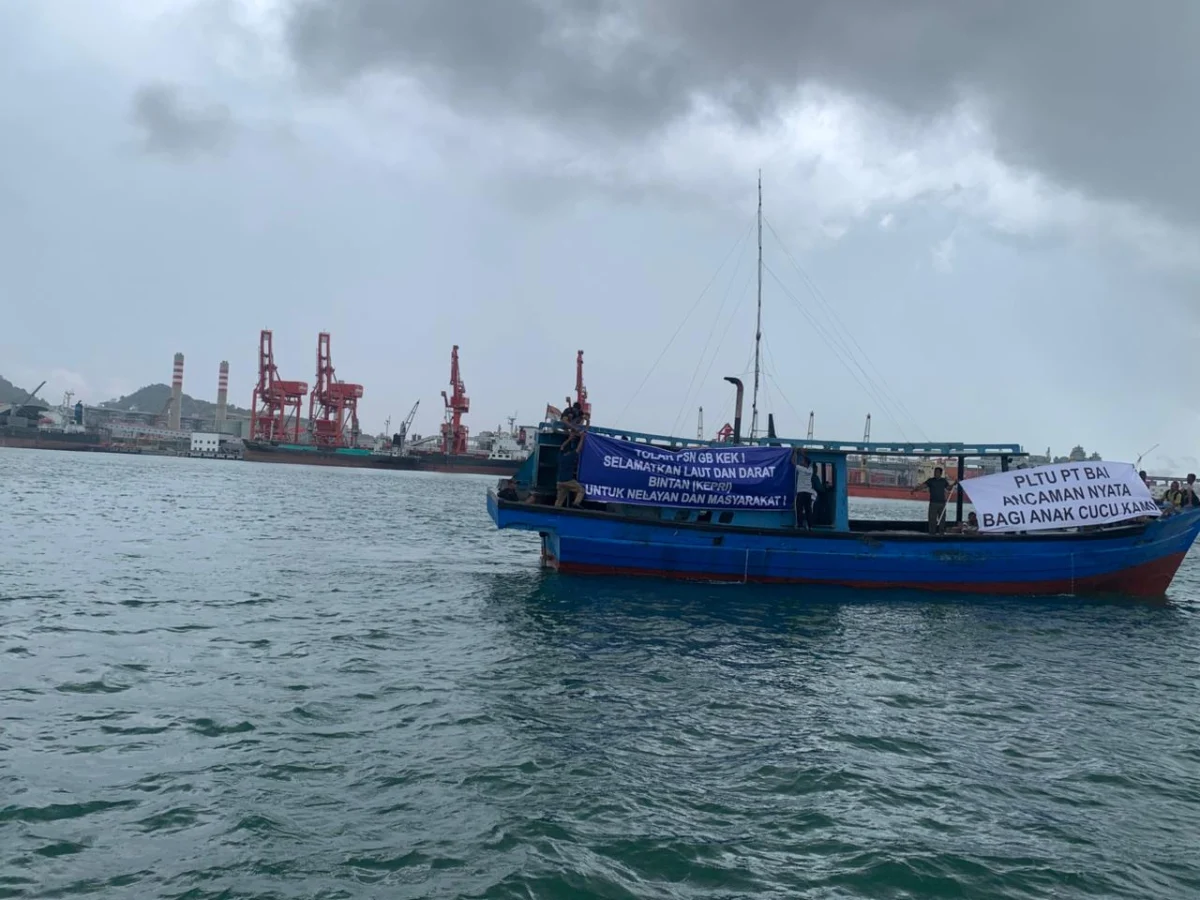
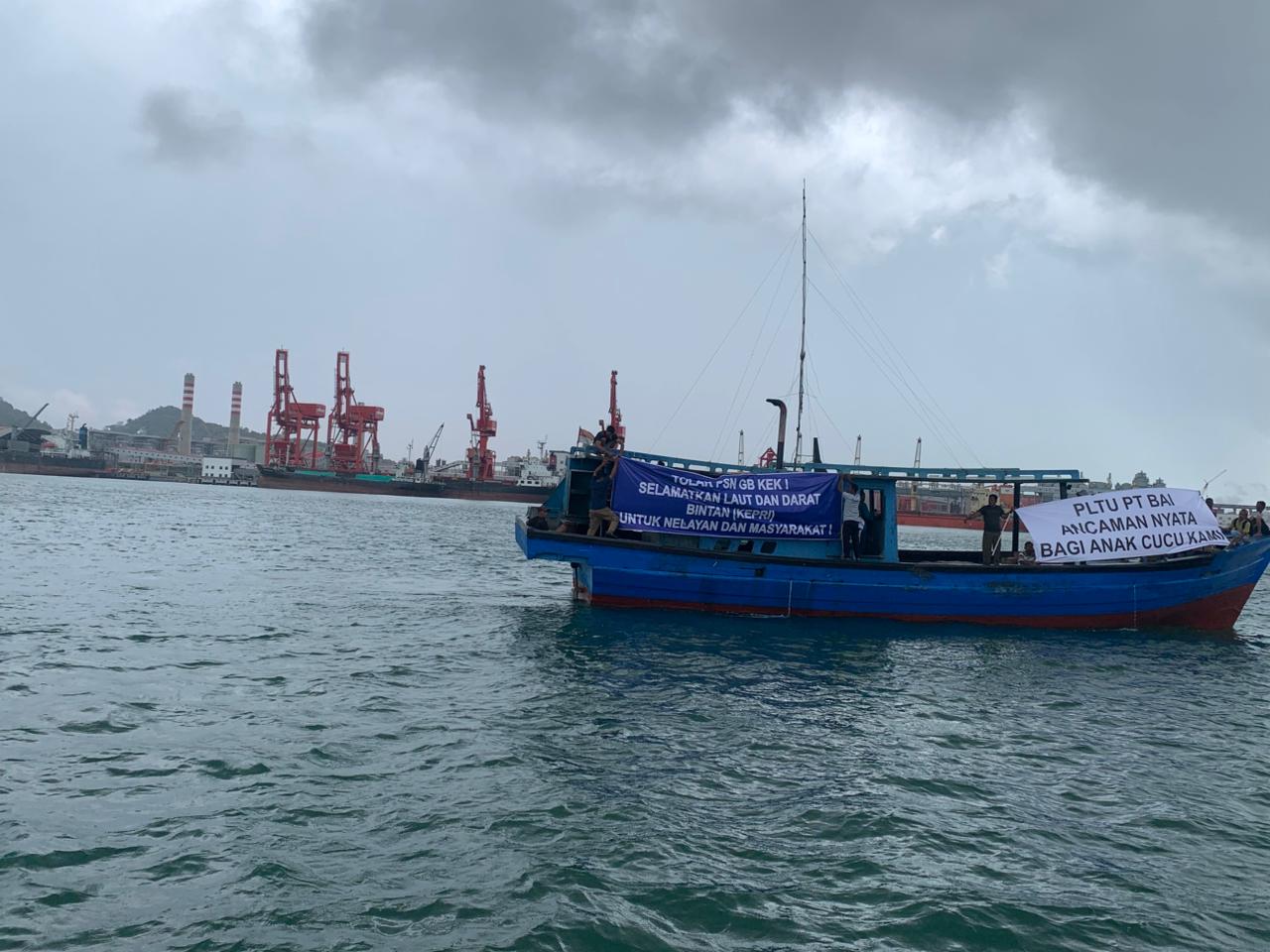
On April 21, 2026, the coastal waters of Bintan in the Riau Islands became the site of a significant maritime demonstration as dozens of fishermen from various coastal villages converged on the operational area of PT Bintan Alumina Indonesia (BAI). Navigating their traditional fishing vessels, the protesters staged a waterborne rally to voice their adamant opposition to the planned expansion of the Galang Batang Special Economic Zone (KEK-GB). The demonstration, marked by the unfurling of large protest banners, highlights a deepening rift between Indonesia’s ambitious industrial development goals and the preservation of traditional maritime livelihoods and fragile island ecosystems.
The banners displayed by the fishermen carried pointed messages directed at the highest levels of government. Slogans such as "Reject the Galang Batang KEK National Strategic Project! Save Bintan’s Sea and Land for Fishermen and the Community" and "Save the People’s Living Space" underscored a growing sense of desperation among the local populace. The timing of the protest is particularly notable, as community leaders explicitly expressed their hope that their grievances would reach the desk of President Prabowo, signaling a demand for federal intervention in what they perceive as a localized environmental crisis with national implications.
A Chronology of Growing Resistance
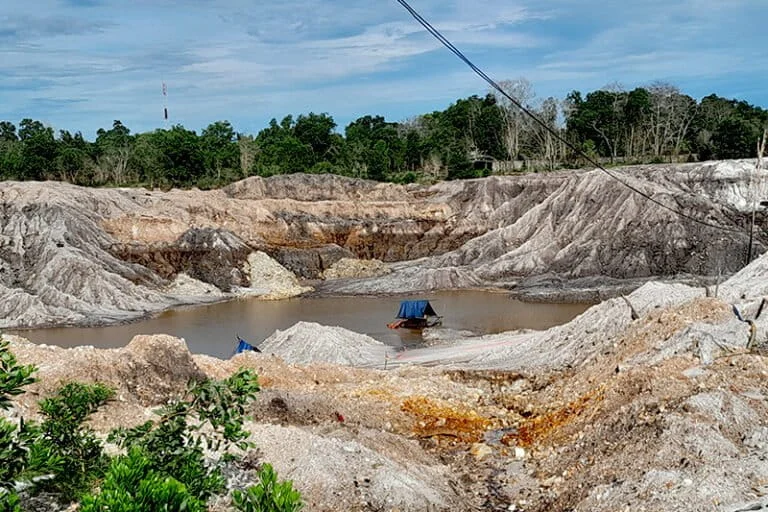
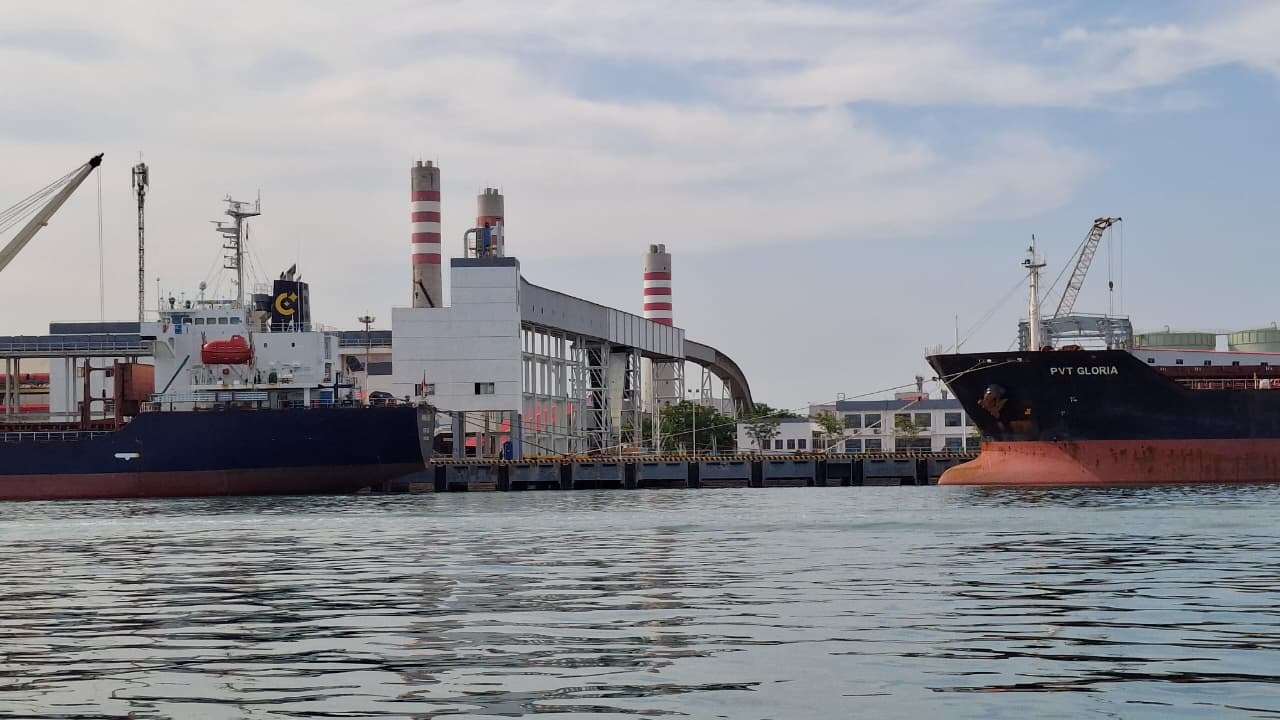
The tension in Bintan is not a new phenomenon but rather the culmination of years of industrial encroachment. PT Bintan Alumina Indonesia began its significant operations in the region several years ago, focusing on alumina refining and the operation of a coal-fired power plant (PLTU) to sustain its energy-intensive industrial processes. While the initial phases of the project were met with some local resistance, the current escalation stems from the company’s move to expand its footprint beyond the mainland of Bintan onto neighboring smaller islands, most notably Poto Island.
Residents of Desa Kalong and surrounding areas, such as Musthofa Bisri, have become the faces of this resistance. Bisri noted that the presence of the industrial zone has already fundamentally altered the ecological balance of the region. The expansion into Poto Island is viewed by the community as a "red line." As a small island of approximately 15 square kilometers, Poto is considered by environmentalists and locals alike to be ecologically incapable of sustaining the heavy industrial load proposed by the KEK-GB expansion.
Furthermore, the community has raised serious allegations regarding the lack of transparency in the development process. Despite claims by the company that social mapping and environmental impact assessments (AMDAL) have been conducted with community participation, residents like Bisri insist they have been left in the dark. The lack of accessible information regarding the specific construction plans for Poto Island has fostered an environment of distrust, leading to repeated protests that, according to the residents, have largely been ignored by both the corporate entity and local authorities.
The Legal Status of Poto Island and Environmental Protections
A central point of contention in this dispute is the legal classification of Poto Island. Under Indonesian law, specifically Law No. 27/2007 on the Management of Coastal Areas and Small Islands (later amended by Law No. 1/2014 and Law No. 11/2020), a "small island" is defined as a landmass with an area less than or equal to 2,000 square kilometers. These islands are afforded specific protections because their ecosystems are highly vulnerable to external shocks and industrial pollution.
Ahlul Fadli, the Advocacy and Campaign Manager for WALHI (The Indonesian Forum for the Environment) Riau, argues that Poto Island—measuring only 15 square kilometers—falls squarely within this protected category. According to Fadli, the island should not be burdened with heavy industrial activities such as steel smelting, oil refining, or large-scale machinery manufacturing. The legal framework was designed to prevent the destruction of biodiversity and the displacement of traditional communities on such fragile landmasses.
Conversely, PT BAI’s leadership has challenged this interpretation. Santoni, the President Director of PT BAI, claimed that based on studies from the Ministry of Maritime Affairs and Fisheries, Poto Island does not meet the criteria for a protected small island because its area is roughly 2,000 hectares. However, critics point out that even at 2,000 hectares, the island remains a fraction of the 2,000-square-kilometer threshold mentioned in the law, suggesting a potential misinterpretation of the regulatory boundaries by the project’s proponents.
Socio-Economic Impact on Coastal Communities
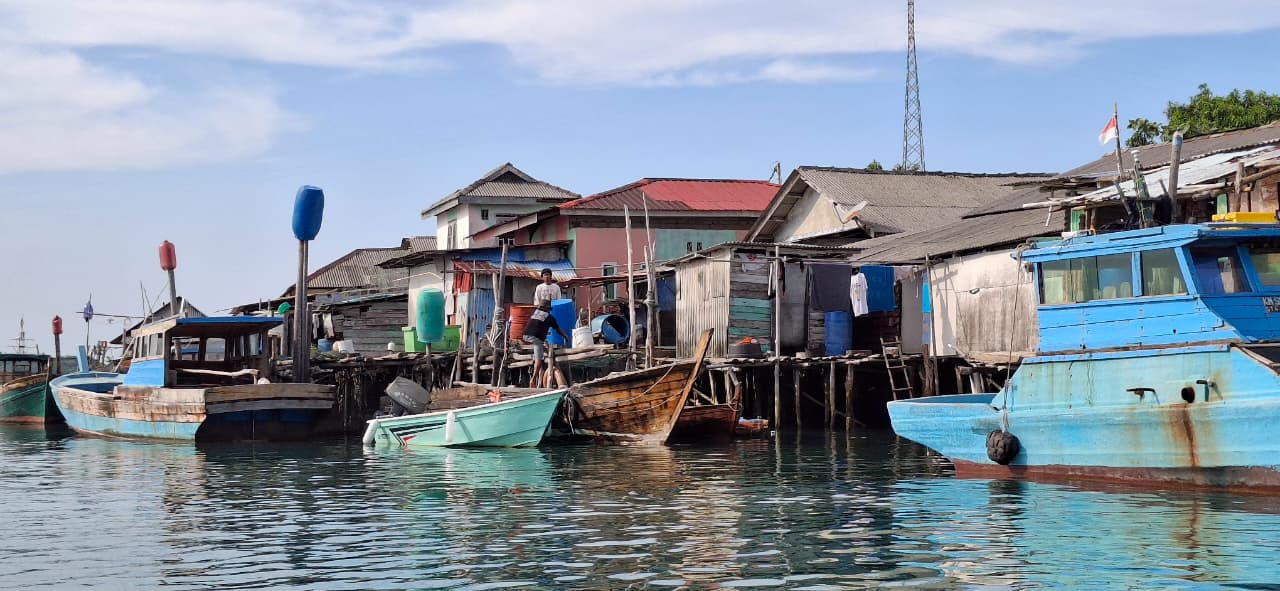
The human cost of the industrial expansion is already being felt by the more than 100 families residing on Poto Island. For generations, these communities have relied almost exclusively on the sea for their survival. Andi, a resident of Poto Island, testified that since PT BAI began its operations on the mainland, fish stocks in the surrounding waters have noticeably dwindled. The perimeters of the industrial zone often overlap with traditional fishing grounds, forcing fishermen to travel further out to sea, which increases operational costs and safety risks.
The environmental degradation associated with the existing coal-fired power plant (PLTU) is a primary concern. Coal-fired plants are known to release thermal pollution into the water, which can disrupt coral reef health and drive away local fish populations. The prospect of a refinery and further industrial units on Poto Island raises fears of chemical runoff and oil spills, which would effectively end the viability of traditional fishing in the area.
In response to these economic concerns, PT BAI has maintained that it provides "assistance" rather than formal "compensation." This assistance includes periodic distributions of basic food supplies (sembako) and some educational support. However, for the fishermen, these gestures are seen as inadequate substitutes for the permanent loss of their "living space" and autonomous livelihoods. While the company claims to have hired approximately 50 local workers, this represents a small fraction of the population whose traditional economy is being dismantled.
Corporate Defense and the "Green BRI" Framework
PT BAI has characterized the protests as a result of "incomplete information" among the public. Santoni stated that the company operates under strict environmental regulations and possesses all necessary AMDAL documents. However, when requested by observers and journalists, the company has declined to release these documents for public scrutiny, citing "internal policy." This lack of transparency has only fueled the arguments of research organizations like Trend Asia.
Zakki Amali, Research Manager at Trend Asia, highlighted that the KEK Galang Batang project is a significant component of China’s Belt and Road Initiative (BRI). As such, it is theoretically subject to the "Green BRI" guidelines issued by the Chinese government. These guidelines mandate that Chinese companies operating abroad must:
- Conduct rigorous Environmental Impact Assessments (EIA) before investment decisions are made.
- Ensure meaningful public participation.
- Adhere to international best practices or the host country’s environmental standards, whichever are higher.
Amali argues that the current situation in Bintan suggests a failure to meet these international benchmarks. The exclusion of local fishermen from the planning process and the apparent disregard for the "small island" legal protections indicate that the project may be violating the very principles that the "Green BRI" aims to uphold. Consequently, environmental advocates are calling on international financiers to reconsider their support for the expansion.
Broader Implications and Future Outlook
The conflict in Bintan serves as a microcosm of the broader tensions within Indonesia’s "National Strategic Projects" (PSN). While these zones are designed to attract foreign investment and boost industrial output, they often collide with the rights of indigenous and traditional communities. In the case of KEK Galang Batang, the planned construction of an oil refinery and other facilities over the next three to five years is expected to require up to 10,000 workers. While this is touted as a boon for the regional economy, the long-term ecological sustainability of the Bintan archipelago remains in question.
The silence of local government officials, including the Head of the Riau Islands Environmental and Forestry Office (DLHK), has added to the community’s sense of isolation. Without a robust regulatory check on the expansion, the burden of proof has fallen entirely on the shoulders of the local fishermen and environmental NGOs.
As the construction phase for the Poto Island expansion begins—marked by soil sampling and foundational work—the window for a negotiated settlement is closing. The fishermen’s appeal to President Prabowo underscores a critical juncture for the administration: the need to balance the "downstreaming" (hilirisasi) industrial policy with the constitutional mandate to protect the environment and the rights of traditional coastal citizens.
For the people of Bintan and Poto Island, the stakes are existential. If the expansion continues without significant modifications to protect the marine environment and the legal status of small islands, the region may see a permanent shift from a self-sustaining maritime culture to an industrial enclave, with the local population left to grapple with the long-term environmental consequences long after the construction jobs have vanished. The ongoing protests at PT BAI are not merely a dispute over land use; they are a battle for the future of the Riau Islands’ socio-ecological identity.