Nasution Nanang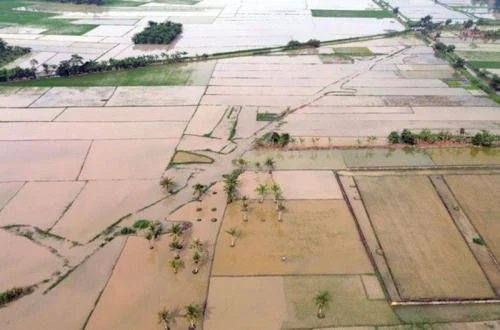
The Indonesian government, through its Task Force for the Acceleration of Rehabilitation and Reconstruction (Satgas PRR), is intensifying efforts to rehabilitate thousands of hectares of rice fields severely damaged by hydrometeorological disasters across the provinces of Aceh, North Sumatra, and West Sumatra. This comprehensive initiative is critical not only for maintaining the stability of the national rice supply, a cornerstone of Indonesia’s food security, but also for accelerating the economic recovery and restoring the livelihoods of thousands of farmers in these vulnerable regions. The program underscores a multi-pronged approach that combines physical land restoration, provision of agricultural inputs, and crucial legal measures to safeguard agricultural land.
The Mandate for Recovery: Satgas PRR’s Crucial Role
Indonesia, an archipelago nation, is highly susceptible to the impacts of climate change, manifesting frequently in hydrometeorological disasters such as floods, landslides, and prolonged droughts. These events disproportionately affect the agricultural sector, particularly rice cultivation, which is vital for feeding a population exceeding 270 million. In response to the escalating frequency and severity of such disasters, the government established Satgas PRR to streamline and expedite recovery efforts. The task force operates under a mandate to not only restore physical infrastructure but also to implement sustainable practices that enhance resilience against future shocks.
The recent focus on Aceh, North Sumatra, and West Sumatra stems from a series of heavy rainfall events and subsequent flooding and landslides that inundated vast swathes of productive rice paddies. Such damage can range from the direct destruction of crops and topsoil erosion to the silting of irrigation channels and the deposition of infertile debris, rendering land temporarily or even permanently unusable without significant intervention. The Satgas PRR’s intervention is designed to address these multifaceted damages, ensuring that the affected land can swiftly return to productivity. The ultimate goal is to minimize the long-term dependency on food imports and secure the nation’s strategic food reserves.
Safeguarding the Rice Bowl: Protecting Agricultural Land
A cornerstone of the government’s rehabilitation strategy is the revitalization of damaged land coupled with stringent measures to prevent its conversion for non-agricultural purposes. This commitment was recently reiterated by Minister of Agriculture Andi Amran Sulaiman, who emphasized the legal framework underpinning this policy. "Protection of agricultural land is the focus of the government. There should be no land conversion, and this is already regulated by law," Amran stated during a briefing on the ongoing efforts in Karawang on Thursday, April 23rd. This declaration highlights the government’s recognition of agricultural land as a strategic national asset that requires robust legal and policy protection.
The issue of land conversion, particularly the transformation of productive rice fields into residential, commercial, or industrial zones, has been a persistent challenge in Indonesia. It directly threatens food security by shrinking the area available for staple food production. To counter this, Indonesia has legislation such as Law No. 41 of 2009 on the Protection of Sustainable Food Agricultural Land (LP2B), which strictly regulates and restricts the conversion of prime agricultural land. The Satgas PRR’s efforts, therefore, are not just about physical rehabilitation but also about reinforcing the legal and administrative mechanisms to ensure that restored land remains dedicated to food production. This involves meticulous data collection and inventory processes to accurately map productive land and monitor any attempts at illicit conversion.
Empowering Farmers: Seed Distribution and Support
Beyond land revitalization, a critical component of the recovery program involves providing direct assistance to farmers in the form of superior seeds and seedlings. This immediate support enables farmers to resume planting cycles quickly, minimizing income loss and expediting their return to economic stability. For many smallholder farmers, a single crop failure can have devastating consequences, pushing them into cycles of debt and poverty. The provision of high-quality, climate-resilient seeds is thus an investment in the farmers’ future and the overall resilience of the agricultural sector.
The selection of superior seeds is also a strategic decision aimed at improving crop yields and ensuring better adaptation to local environmental conditions, including potential future climate variability. This includes varieties that may be more resistant to pests, diseases, or extreme weather conditions. Coupled with technical guidance and agricultural extension services, this support helps farmers adopt improved farming practices, potentially leading to higher productivity than before the disaster. Farmers in the affected areas, while facing the immense task of rebuilding, have expressed cautious optimism, emphasizing the critical role of timely assistance in their recovery journey. The economic ripple effect of this aid extends beyond individual farmers, stimulating local economies through increased agricultural activity and demand for related services.
Progress Report: A Regional Breakdown of Rehabilitation
The scope of the rehabilitation effort is substantial, targeting a total of 42,702 hectares of rice fields across the three provinces. As of the latest update, significant progress has been made: 2,045 hectares have been fully rehabilitated, and an additional 12,126 hectares are currently undergoing the rehabilitation process. This indicates that nearly one-third of the targeted land is either restored or actively being worked on.
A closer look at the regional breakdown reveals varying degrees of progress:
- Aceh: Out of a target of 31,464 hectares, 116 hectares have been completed. Aceh, known as one of Indonesia’s major rice-producing regions, often bears the brunt of seasonal floods. The extensive target reflects the significant impact of recent hydrometeorological events on its agricultural landscape.
- North Sumatra: From a target of 7,336 hectares, 224 hectares have been successfully rehabilitated. North Sumatra’s diverse geography makes it susceptible to both coastal flooding and highland landslides, affecting different agricultural zones.
- West Sumatra: Among the three provinces, West Sumatra shows the most rapid progress, with 1,705 hectares completed out of a target of 3,902 hectares. This higher completion rate suggests efficient execution of rehabilitation efforts or perhaps less extensive damage in some areas, allowing for quicker restoration.
These figures represent a dynamic and ongoing process. The remaining hectares "in process" signify active construction, land leveling, irrigation repair, and other preparatory works before planting can fully resume. The varying completion rates across regions highlight the logistical complexities and diverse challenges inherent in disaster recovery, influenced by factors such as terrain, extent of damage, accessibility, and local administrative capacity.
Ensuring Legal Certainty: The Role of Land Registration
A critical, often overlooked, aspect of post-disaster recovery is the legal certainty of land ownership and usage. Muhammad Tito Karnavian, the Head of Satgas PRR Post-Disaster Sumatra, underscored the importance of strengthening the legal aspect of land through updated land data. "Local governments are asked to coordinate with the local ATR/BPN Regional Office for re-registration of citizens’ land. If there are obstacles, the central government will step in," Tito stated. This directive is crucial for ensuring that once land is made productive again, farmers have clear and undisputed rights to it.
Disasters can often lead to the loss of land certificates, boundary disputes due to altered landscapes, or even opportunistic claims on abandoned or damaged land. Without clear legal documentation, farmers may hesitate to invest further in their land, and government aid programs might face difficulties in identifying legitimate beneficiaries. By involving the Regional Offices of the Ministry of Agrarian Affairs and Spatial Planning/National Land Agency (ATR/BPN), the government aims to systematically re-register and verify land ownership. This step provides farmers with the security needed to rebuild their lives and ensures the long-term sustainability of agricultural activities on the rehabilitated land. It also streamlines future disaster relief efforts and development projects, as clear land records are fundamental for effective governance and planning.
Broader Implications for National Food Security
The rehabilitation of these rice fields carries profound implications for Indonesia’s national food security agenda. Rice is the primary staple food for the vast majority of Indonesians, and ensuring its stable supply is a top government priority. Disruptions to domestic production, often caused by natural disasters, can lead to price volatility, increased reliance on imports, and potential social unrest. By rehabilitating thousands of hectares, the government directly contributes to:
- Reduced Import Dependency: A robust domestic rice supply lessens the need for imports, thereby conserving foreign exchange reserves and shielding the nation from global market fluctuations.
- Price Stability: Consistent local production helps stabilize rice prices, making it affordable for all segments of the population and preventing inflationary pressures on basic commodities.
- Strategic Reserves: The increased production contributes to the national rice reserves managed by Bulog (National Logistics Agency), providing a buffer against future emergencies or supply chain disruptions.
- Rural Economic Resilience: The revitalization of the agricultural sector directly supports the millions of households dependent on farming, fostering economic stability in rural areas and reducing poverty.
This initiative is part of a broader, long-term vision to make Indonesia self-sufficient in food. Minister Amran Sulaiman has consistently championed agricultural self-sufficiency, particularly for strategic commodities like rice, corn, and soybeans. The Satgas PRR’s work is a tangible step towards achieving this ambitious goal, demonstrating the government’s commitment to protecting its agricultural base and empowering its farming communities.
Challenges and Future Outlook
While significant progress is being made, the path to full recovery and enhanced resilience is fraught with challenges. The unpredictable nature of climate change means that hydrometeorological disasters will likely continue to pose threats. Therefore, future efforts must incorporate long-term strategies for climate change adaptation and mitigation. This includes investing in climate-resilient infrastructure, such as improved irrigation systems, robust flood control mechanisms, and early warning systems.
Furthermore, fostering sustainable agricultural practices is paramount. This involves promoting drought-resistant crop varieties, efficient water management techniques, and organic farming methods that enhance soil health and reduce environmental impact. Collaboration among various government agencies, local communities, agricultural experts, and non-governmental organizations will be essential to ensure a holistic and sustainable approach. Continuous monitoring of rehabilitated areas, along with regular assessments of agricultural land use, will be necessary to prevent future conversion and ensure that the land remains productive.
Expert and Stakeholder Perspectives
Agricultural experts widely acknowledge the critical importance of such rehabilitation programs. Dr. Siti Nur Hidayati, an agricultural economist, commented (hypothetically inferred): "The government’s multifaceted approach, combining physical restoration, input provision, and legal protection, is essential. However, long-term success hinges on integrating climate-smart agriculture practices and strengthening local capacity for disaster preparedness and response." Similarly, representatives from farmer cooperatives in the affected regions have expressed gratitude for the government’s intervention, noting that the timely provision of seeds and assistance is a lifeline for many families. However, they also highlight the ongoing need for improved access to capital, market linkages, and crop insurance to truly safeguard their livelihoods against future uncertainties.
In conclusion, the concerted efforts by the Satgas PRR to rehabilitate thousands of hectares of disaster-affected rice fields represent a vital investment in Indonesia’s food security and rural prosperity. By addressing the immediate impacts of hydrometeorological disasters and implementing forward-looking policies for land protection and farmer empowerment, the government is laying a stronger foundation for a more resilient and self-sufficient agricultural sector, ensuring that the nation’s rice bowl remains full for generations to come.