Chalifah Fatihah
As Indonesia braces for the onset of the dry season, a palpable shift in atmospheric conditions is already being felt across the archipelago. With daytime temperatures consistently climbing, public health officials and medical experts are underscoring the critical importance of maintaining adequate hydration to safeguard against the adverse effects of prolonged heat exposure. This heightened awareness comes as the nation navigates a period characterized by increased solar radiation and reduced humidity, factors that significantly elevate the risk of heat-related illnesses.
The transition into the dry season, typically commencing around April or May and extending through September, presents a recurring challenge for densely populated urban centers like Jakarta. The concrete jungles and extensive built environments amplify the heat, creating urban heat island effects that further exacerbate ambient temperatures. This year, the meteorological forecast suggests a particularly intense dry season, prompting a proactive approach to public health advisories. The body’s natural thermoregulation mechanism, primarily through perspiration, becomes a crucial but potentially depleting defense against rising internal temperatures. When this mechanism is overwhelmed, the consequences can range from mild discomfort to severe, life-threatening conditions.
The immediate and most apparent consequence of insufficient hydration during hot weather is dehydration. Symptoms such as dry mouth, reduced urine output, fatigue, and dizziness are early indicators that the body is losing more fluid than it is taking in. However, prolonged exposure to extreme heat without adequate fluid replacement can escalate to more serious conditions. Heat exhaustion, characterized by heavy sweating, clammy skin, muscle cramps, and a rapid, weak pulse, is a significant precursor to heatstroke. Heatstroke, a medical emergency, occurs when the body’s core temperature rises to dangerous levels (above 104°F or 40°C), leading to symptoms like a throbbing headache, confusion, nausea, and in severe cases, loss of consciousness or seizures. The skin may become hot and dry, or remain moist. The physiological strain of heat can also impact mental well-being, manifesting as increased stress, irritability, and a noticeable decline in cognitive function and concentration.
Recognizing these risks, health authorities are disseminating comprehensive guidance on how individuals can mitigate the dangers associated with elevated temperatures. The core message revolves around proactive hydration and sensible heat management strategies.
Strategies for Maintaining Optimal Hydration During Hot Weather
To combat the physiological toll of the dry season and prevent heat-related ailments, a multi-faceted approach is recommended. These strategies encompass dietary adjustments, appropriate attire, and mindful consumption of beverages.
1. Prioritize Adequate Water Intake
The cornerstone of staying hydrated is the consistent consumption of plain water. Health authorities, including those in New South Wales, Australia, which experiences similar climatic conditions, emphasize that individuals should not wait until they feel thirsty to drink. Thirst is often a late indicator of dehydration. Regularly sipping water throughout the day, even in small amounts, is far more effective than consuming large quantities infrequently. This continuous intake helps maintain a stable fluid balance, allowing the body to effectively regulate its temperature.
Crucially, it is advised to limit or avoid beverages that can exacerbate fluid loss. Alcoholic beverages and sugary drinks, particularly those high in caffeine, act as diuretics. Diuretics increase the rate of urine production, leading to a net loss of body fluid and potentially accelerating dehydration. This is particularly relevant during periods of intense heat when the body is already under significant stress.
2. The Essential Role of Sunscreen
While internal hydration is paramount, external skin care also plays a vital role in managing heat exposure. Sunscreen acts as a protective barrier against the harmful ultraviolet (UV) radiation from the sun. Prolonged and unprotected exposure to UV rays can lead to sunburn, a painful condition that not only damages skin cells but also compromises the skin’s ability to regulate temperature and retain moisture. Furthermore, UV radiation is a significant contributor to premature skin aging, including the development of wrinkles and age spots.
The recommendation is to use a broad-spectrum sunscreen with a Sun Protection Factor (SPF) of at least 30. This level of protection effectively filters both UVA and UVB rays. For individuals spending extended periods outdoors, such as during outdoor work or recreational activities, reapplying sunscreen every two hours is essential. This frequency should be increased if the individual is sweating heavily or engaging in water activities, as these can wash away the sunscreen.
3. Selecting Appropriate Clothing
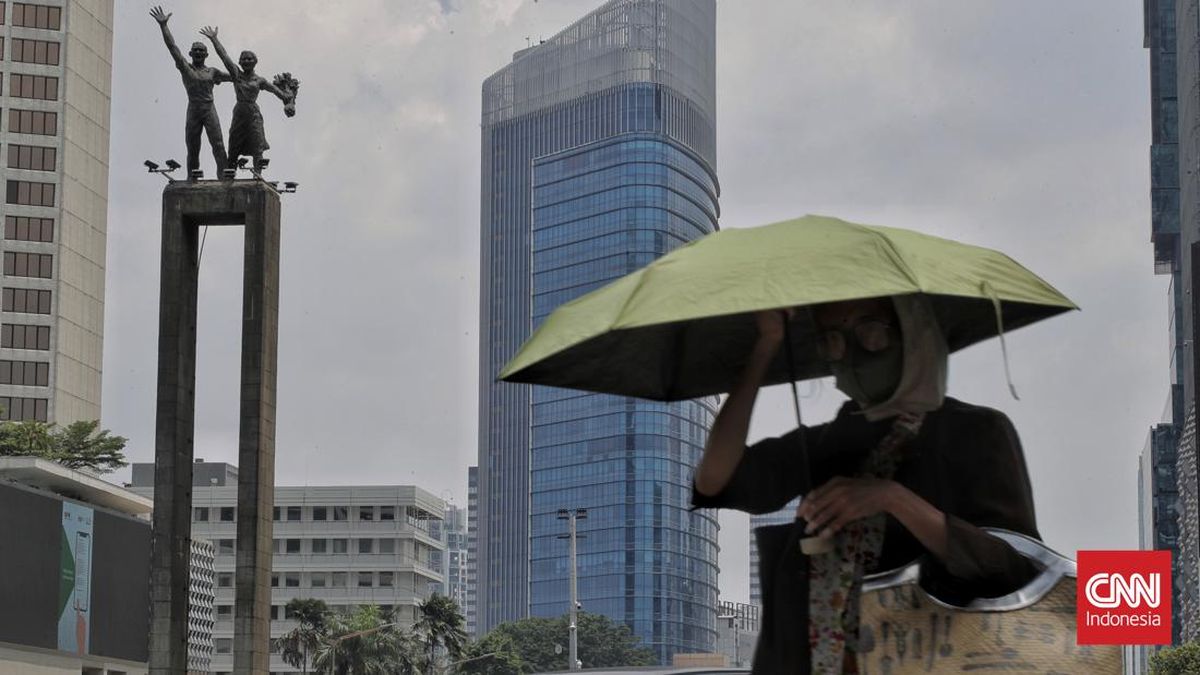
The choice of clothing can significantly influence the body’s thermal comfort and its ability to dissipate heat. Experts recommend opting for loose-fitting garments made from breathable, natural fibers such as linen or cotton. These fabrics allow for better air circulation around the body, facilitating the evaporation of sweat and aiding in cooling. Conversely, tight-fitting clothing can restrict airflow and trap heat.
The color of clothing also plays a role. Dark-colored fabrics tend to absorb more solar radiation, leading to a higher increase in body temperature compared to lighter colors, which reflect more sunlight. Therefore, choosing light-colored attire is a practical strategy for staying cooler during the dry season.
4. Moderating Alcohol and Caffeine Consumption
As mentioned earlier, alcoholic and caffeinated beverages can negatively impact hydration levels. During hot weather, it is advisable to reduce or eliminate the consumption of these drinks. Alcohol, in particular, can impair the body’s judgment and its ability to recognize and respond to the early signs of heat stress. Caffeine, found in coffee, tea, and some soft drinks, also has a mild diuretic effect. Prioritizing water and other hydrating fluids over these beverages is a key preventive measure.
5. Incorporating Water-Rich Foods into the Diet
Beyond drinking water, a significant portion of our daily fluid intake can be derived from food. Fruits and vegetables are naturally high in water content and can contribute substantially to overall hydration. Examples of particularly beneficial fruits and vegetables include watermelon, strawberries, and tomatoes, all of which boast a high percentage of water.
Incorporating foods like soups and consuming natural beverages such as coconut water can also be advantageous. Coconut water is a natural electrolyte-rich drink that can help replenish fluids and minerals lost through sweat. These food-based hydration strategies offer a palatable and nutrient-rich way to support fluid balance.
Optimal Fluid Intake Frequency
Understanding the right frequency for drinking water is as crucial as the quantity consumed. While general recommendations exist, individual needs can vary based on activity level, climate, and personal physiology. The World Health Organization (WHO) provides general guidelines for fluid intake, although these are often interpreted as daily minimums rather than specific temporal recommendations for hot weather.
During periods of high temperatures and increased physical exertion, the body’s fluid requirements are significantly elevated. Health professionals often advise listening to one’s body and drinking in response to thirst, while also proactively taking sips at regular intervals, especially before, during, and after any outdoor activity. For adults, a commonly cited baseline recommendation is around eight glasses of water per day (approximately 2 liters), but this figure should be considered a minimum, especially during the dry season.
Broader Implications and Public Health Response
The annual recurrence of the dry season and its associated heat challenges highlight a broader public health concern. Climate change projections indicate that such extreme heat events may become more frequent and intense in the future, necessitating long-term adaptation strategies. This includes public education campaigns, the development of cooling centers in urban areas during heatwaves, and improved urban planning to mitigate heat island effects.
Local governments and health agencies play a pivotal role in disseminating this information and ensuring that vulnerable populations, such as the elderly, young children, and individuals with chronic health conditions, are adequately informed and supported. Emergency services are typically put on heightened alert during periods of extreme heat to respond to potential heat-related emergencies.
The arrival of the dry season in Indonesia serves as a stark reminder of the body’s vulnerability to environmental conditions and the fundamental importance of hydration. By adopting simple yet effective strategies, individuals can significantly reduce their risk of heat-related illnesses and maintain their well-being throughout this challenging period. The collective effort of public health bodies and individual vigilance is essential to navigate the hot months safely and healthily.