Nila Kartika Wati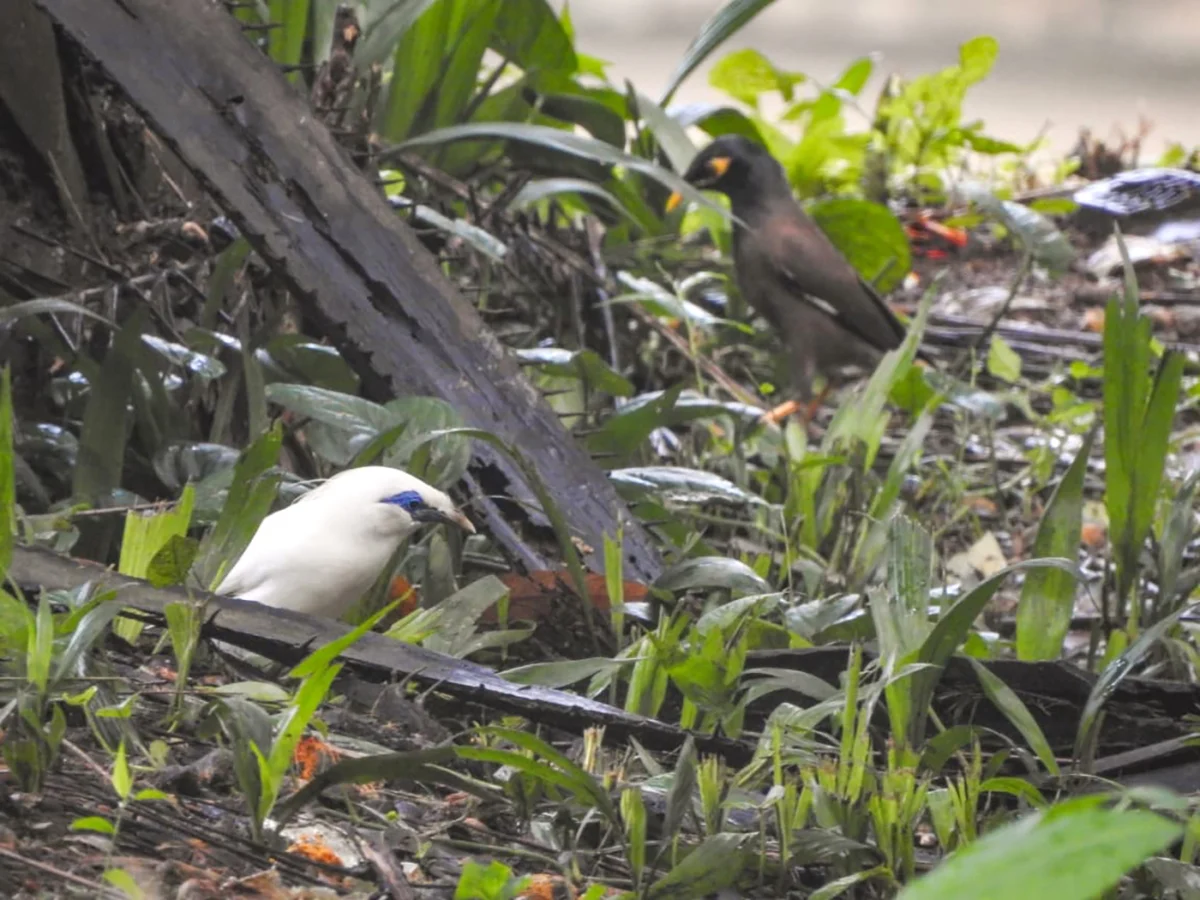
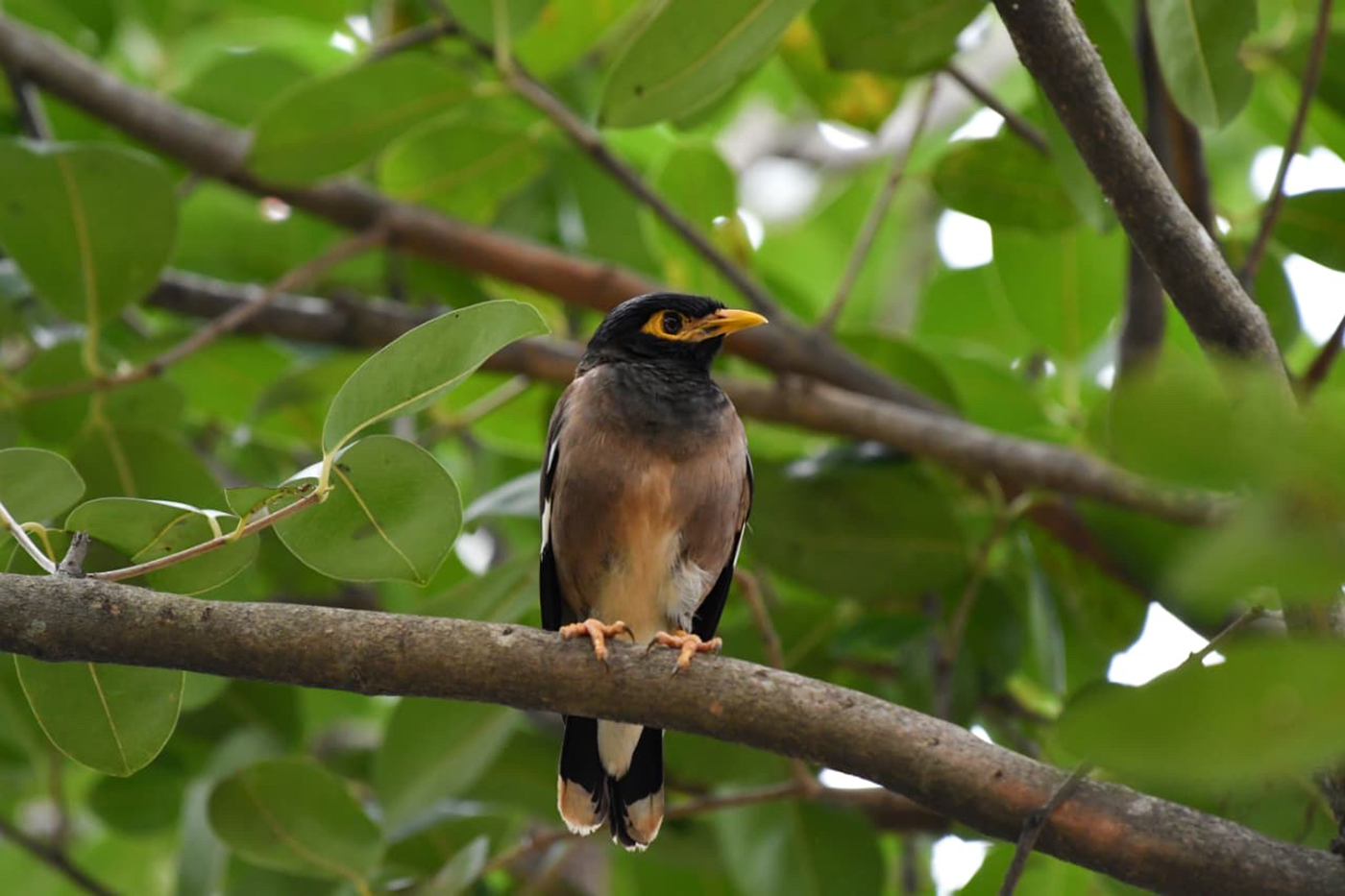
The presence of the Common Myna (Acridotheres tristis), locally known as kerak ungu, has become an increasingly frequent sight across the sprawling metropolis of Jakarta, marking a significant shift in the city’s avian landscape. From the manicured lawns of the Gelora Bung Karno (GBK) sports complex to the historic grounds of the National Monument (Monas), this non-native species has transitioned from a rare curiosity to a permanent fixture of the capital’s urban ecology. Unlike more dramatic environmental shifts, this avian introduction has occurred quietly, with the birds seamlessly integrating into pedestrian paths and city parks, often perching alongside the Javan Myna (Acridotheres javanicus), a local species that has long dominated the urban environment.
This phenomenon, while appearing benign to the casual observer, represents a complex ecological challenge. The Common Myna is not indigenous to Indonesia; its natural range extends from Iran across South Asia, including India, Pakistan, and Nepal, reaching into mainland Southeast Asia such as Thailand and Malaysia. Its establishment in Jakarta is widely attributed to human intervention—specifically through the pet trade and accidental or intentional releases—highlighting the unintended consequences of urban wildlife management and the unregulated trade of exotic species.
The Eyes on the Ground: Citizen Science and Urban Monitoring
The tracking of this silent invasion has been largely spearheaded by citizen scientists, individuals who bridge the gap between the general public and professional researchers. Melisa Qonita, a 26-year-old citizen scientist, has been documenting the presence of the Common Myna in Central Jakarta since 2023. Her observations suggest that the bird is no longer a transient visitor but a settled resident. According to Qonita, the birds are now almost always present in the city’s core, often sharing the same trees and foraging grounds as the native Javan Myna.
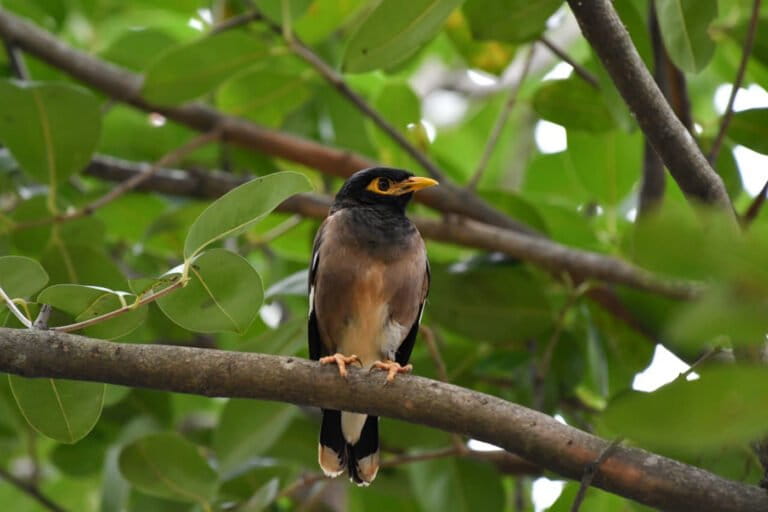
"They are almost always there," Qonita noted in a recent observation. "In a single tree, you can often find them side-by-side with the Javan Myna." While this might suggest a peaceful coexistence, ecological theory warns of a more competitive reality. Invasive species like the Common Myna are frequently more adaptive and efficient in resource utilization. This efficiency allows them to exploit urban niches—such as food waste from human activity and nesting sites in man-made structures—more aggressively than local species.
The data provided by citizen scientists is crucial because it offers a granular look at how these birds occupy space. In the Ragunan area of South Jakarta, Hammas Zia Urrohman Anshari, another dedicated observer, has noted a consistent pattern in the birds’ behavior. His records indicate that the Common Myna has established specific "home trees" for nesting, with groups of two to three individuals frequently spotted in the same locations. This site fidelity is a strong indicator that the species has moved past the initial introduction phase and has entered a period of established residency.
The Mechanics of Adaptation and Territoriality
The success of the Common Myna in Jakarta can be attributed to its remarkable behavioral plasticity. By observing and mimicking the foraging patterns of local birds, the Common Myna quickly identifies safe zones and reliable food sources within the "concrete jungle." Hammas Zia points out that this "learning behavior" accelerates their adaptation. By following the Javan Myna, the invasive species bypasses the typical trial-and-error period usually required for a new animal to survive in a foreign environment.
"It is as if they are learning from the other species," Zia explained. "This makes the adaptation process significantly faster." Once the Common Myna identifies a territory and successfully breeds, the potential for a population explosion increases. Although current numbers remain relatively low, the stability of their presence suggests they have secured an ecological foothold. If a species can return to the same tree over several seasons, it has effectively claimed that space as its territory, potentially displacing local birds that previously occupied that niche.
From Cages to the Wild: The Human Element in Avian Introduction
The primary driver behind the Common Myna’s arrival in Indonesia is the domestic bird trade. Ady Kristanto, Manager of Animalia Welfare at Animalium under the National Research and Innovation Agency (BRIN), explains that the species’ presence is an "anthropogenic introduction." Historically, the Common Myna was a popular commodity in bird markets like Jakarta’s Pramuka Market. Because they were relatively inexpensive compared to prized songbirds, they were frequently purchased for "merlepas" (ceremonial release) practices.
These ceremonial releases, often conducted without an understanding of ecological impacts, have served as a direct pipeline for invasive species into the wild. Furthermore, bird hobbyists sometimes use the Common Myna as a "master" bird to train the songs of other species, such as the White-rumped Shama (Copsychus malabaricus). When these birds escape or are intentionally released when they are no longer needed, they find the urban environment of Jakarta remarkably similar to the disturbed habitats they occupy in their native ranges.
The resilience of the Common Myna is well-documented globally. The International Union for Conservation of Nature (IUCN) has previously listed the Common Myna as one of the world’s 100 worst invasive species. In countries like Australia and South Africa, the bird has caused significant damage to local biodiversity and even agricultural interests. While Jakarta has yet to see such extreme impacts, the historical data from other regions suggests that proactive monitoring is essential.
Ecological Competition and Niche Displacement
The most pressing concern for biologists is the concept of "niche displacement." Every species in an ecosystem occupies a specific role—a niche—defined by what it eats, where it lives, and how it interacts with other organisms. The Javan Myna and the Common Myna occupy nearly identical niches. When two species compete for the exact same resources, the more aggressive or adaptive species usually prevails, leading to the decline of the other.
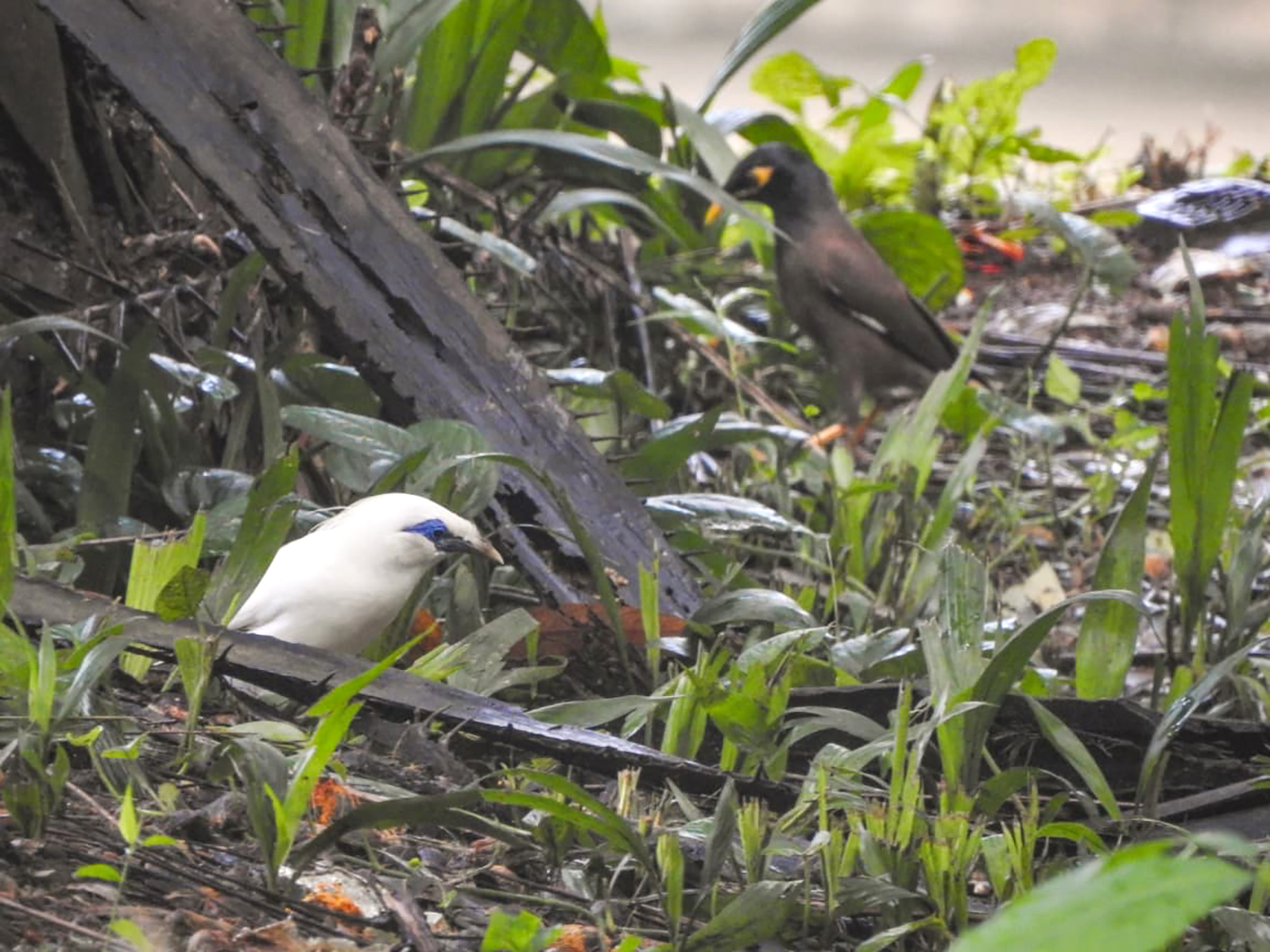
Ady Kristanto emphasizes that while the two species may appear to coexist now, the long-term outlook for the Javan Myna is concerning. "If the Javan Myna is outcompeted, its niche will be filled by the Common Myna," Kristanto warned. This is not merely a swap of one bird for another; it involves a fundamental change in ecosystem services. In rural and peri-urban areas, the Javan Myna performs a vital role by consuming parasites, such as ticks, from the backs of water buffalo and cattle. There is currently no evidence to suggest that the Common Myna performs this same symbiotic function, meaning its dominance could lead to an increase in livestock parasites in areas where the two species overlap.
Furthermore, the Common Myna is known for its aggressive nesting behavior. In other parts of the world, they have been observed evicting native birds from nesting hollows, sometimes even destroying eggs or killing fledglings to secure a spot. In a city like Jakarta, where green space and natural nesting sites are already at a premium, this competition for "real estate" could be the deciding factor in the survival of local avian populations.
Data Gaps and the Need for Systematic Research
Despite the anecdotal evidence and the diligent work of citizen scientists, there remains a significant gap in formal scientific data regarding the Common Myna in Indonesia. Most of the current knowledge comes from sporadic sightings and individual reports. To truly understand the scale of the invasion, there is a need for systematic, long-term population studies.
Researchers at institutions like BRIN and various universities are beginning to advocate for more rigorous tracking. Key questions remain: What is the current rate of population growth? Are they spreading beyond the capital into suburban West Java and Banten? What is the specific impact on the breeding success of the Javan Myna? Answering these questions requires a coordinated effort between the government, academic institutions, and the public.
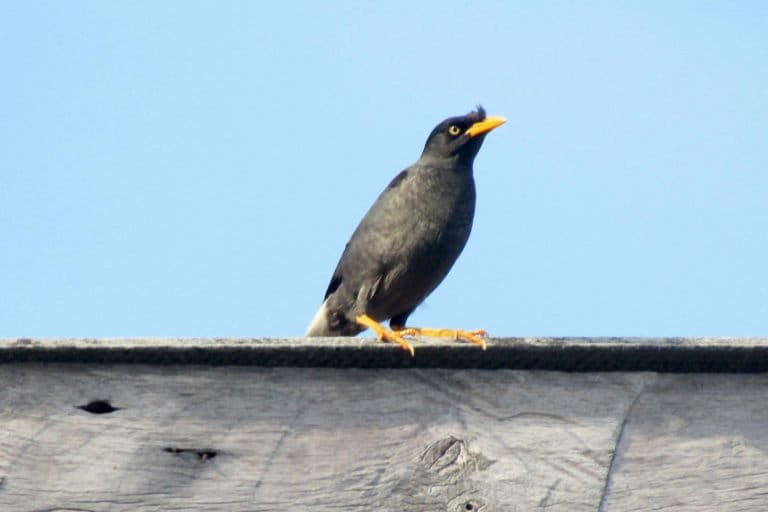
The use of digital platforms like eBird and iNaturalist has become a cornerstone of this effort. These tools allow observers to upload photos and location data in real-time, creating a living map of the Common Myna’s spread. This "big data" approach is often the only way to track a fast-moving urban invasion in a city as large and dense as Jakarta.
Implications for Urban Biodiversity Policy
The emergence of the Common Myna as a resident of Jakarta serves as a wake-up call for urban biodiversity management in Indonesia. It highlights the need for stricter regulations on the trade and release of non-native species. While Indonesia has laws regarding protected species, the management of "invasive" but non-protected species often falls through the regulatory cracks.
Policy experts suggest several avenues for intervention:
- Public Awareness Campaigns: Educating the public on the dangers of releasing non-native birds during religious or cultural ceremonies.
- Market Regulation: Implementing better oversight of bird markets to ensure that invasive species are not being sold as "disposable" pets.
- Habitat Enhancement for Native Species: Creating urban green spaces that specifically favor the nesting and foraging requirements of native birds like the Javan Myna and the Black-winged Starling (Acridotheres melanopterus), which is already critically endangered.
The story of the Common Myna in Jakarta is a reminder that cities are not ecological voids; they are dynamic, evolving ecosystems where human choices directly shape the natural world. The "silent invasion" currently unfolding in the parks of Central Jakarta may seem minor today, but without intervention and careful study, it could lead to a permanent loss of the city’s unique avian heritage. As the Common Myna continues to sing from the branches of Jakarta’s trees, the challenge for the city is to ensure that its own native voices are not silenced in the process.