Lusiana Hamidun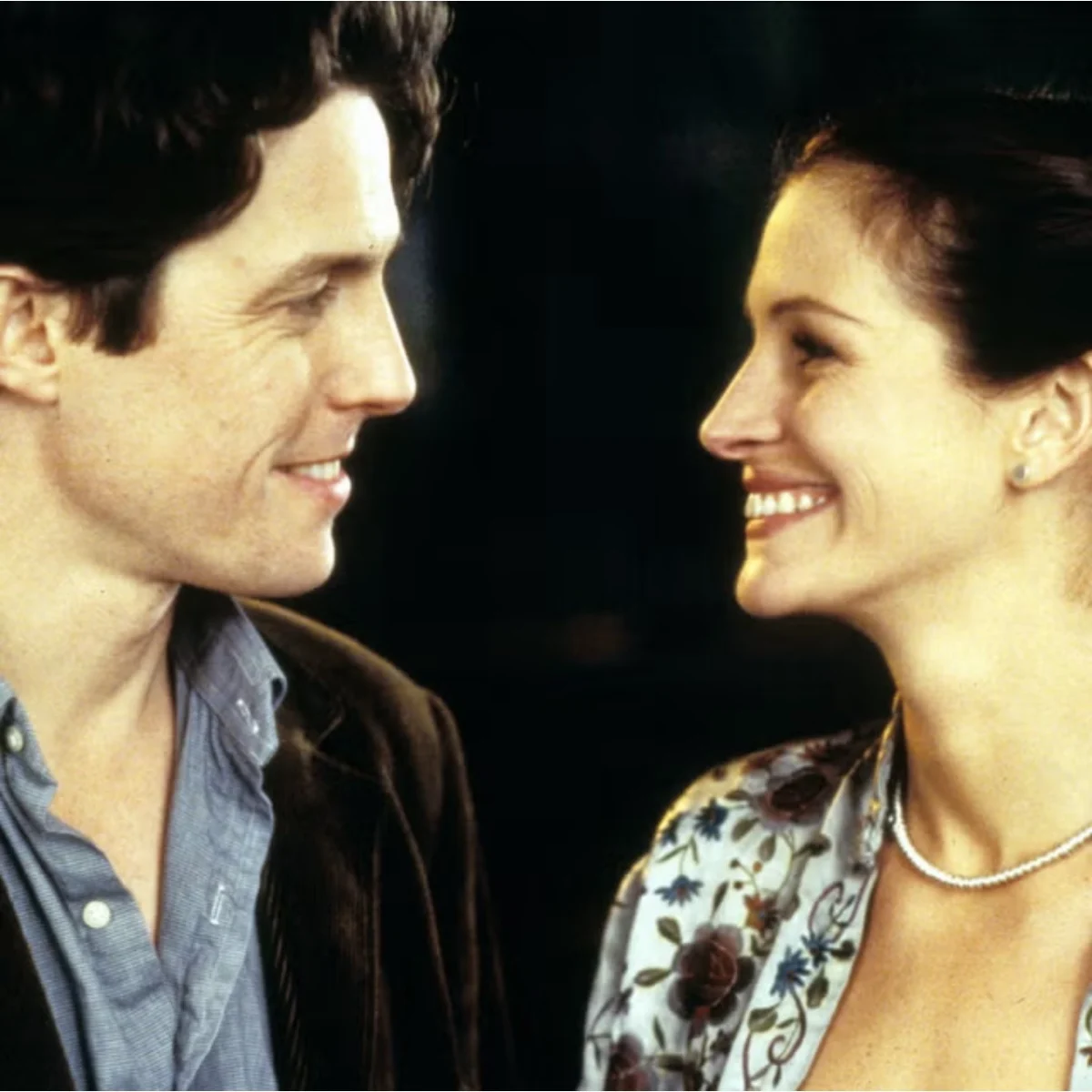
The enduring allure of a bygone era’s romantic narratives continues to captivate contemporary audiences, offering a stark contrast to the complexities of modern dating. This fascination is not merely a fleeting trend but a profound reflection of a generation’s yearning for a perceived simplicity and depth in human connection. The recent surge in interest, amplified by media portrayals and social media trends, underscores a collective nostalgia for a time when romance unfolded at a gentler pace, unmediated by the constant connectivity and curated realities of the digital age.
The phenomenon is evident in the widespread embrace of media that revisits the romantic landscapes of the 1990s. A prime example is the intense audience engagement with Ryan Murphy’s drama, "Love Story," which meticulously chronicles the relationship between John F. Kennedy Jr. and Carolyn Bessette Kennedy. This series, alongside other cultural touchstones, taps into a deep-seated admiration for the aesthetics, atmosphere, and, most importantly, the romantic dynamics of the decade. Carolyn Bessette Kennedy, in particular, has become an icon of ’90s style, embodying an effortless chic that resonates with current fashion sensibilities. Her association with the high-powered world of Calvin Klein, a realm steeped in the glamour of supermodels, industry gossip, and exclusive clientele, further fuels this fascination. The visual tapestry of this era—from the iconic white calla lilies adorning office desks to the simple yet sophisticated pairing of jeans and a blazer—conjures a specific mood, amplified by the era’s distinctive soundtrack featuring artists like Pulp and Mazzy Star.
However, the magnetic pull of these narratives extends beyond stylistic elements. At its core lies the romantic entanglement itself, a testament to a love story that unfolded in a period the current generation may not have fully experienced but profoundly feels connected to. This fascination is akin to discovering a time capsule, a portal to a romantic ideal that feels both distant and remarkably relatable.
The Era of Analog Romance: A Stark Contrast to Digital Dating
The romantic landscape of the 1990s, as depicted in popular culture and recalled by those who lived through it, stands in stark contrast to the contemporary dating scene. This bygone era is often characterized by a perceived simplicity and a more organic progression of relationships. The absence of dating apps, the nascent stages of social media, and the reliance on face-to-face interactions created a different kind of romantic experience.
"Before the era of dating apps, before Instagram, and before flirting with strangers at parties," the narrative goes, "first dates involved dinner. Calling a landline to arrange the next meeting. An approach filled with curiosity, and a slow, warm process of getting to know someone. Getting to know someone in person, over time, rather than instantly ‘reading’ them from a curated online profile." This sentiment is echoed by individuals who experienced romance in the late 1980s and early 1990s.
Pamela Marshall, a clinical aesthetician now in her 50s, reflects on her dating experiences during that period. "Most of us met through friends, dinner parties, bars, or clubs," she recalls. "I met my first husband at a housewarming party." Marshall emphasizes the slower pace of dating back then, noting the absence of constant digital communication between dates. "I loved the anticipation of waiting for the next date," she shares. "We became more enthusiastic because we hadn’t seen each other in a while, and there was always so much to talk about. A lot still felt mysterious because there was no constant communication between dates." This lack of immediate access fostered a sense of anticipation and genuine discovery, allowing relationships to develop organically.
The Collective Yearning for Nostalgic Romance
This collective obsession with nostalgic romanticism shows no signs of abating. Several cultural indicators point to the enduring appeal of ’90s romance. The social media trend "Mom, What Were You Like In The ’90s?"—often accompanied by Goo Goo Dolls’ iconic song "Iris" and featuring celebrities like Courteney Cox, Alicia Silverstone, and Halle Berry—highlights a shared interest in revisiting the past. The 30th anniversary of Baz Luhrmann’s "Romeo + Juliet" this year also serves as a reminder of the decade’s impact on romantic storytelling. Furthermore, platforms like @meetcutesnyc, which share heartwarming stories of couples who have been together for decades recounting their early encounters, underscore the public’s appetite for authentic, unscripted romance. One poignant example shared on the platform features a couple married for 34 years, who, when asked about their favorite aspect of their relationship, simply replied, "Reading to each other." This seemingly small gesture, devoid of grand pronouncements, resonates deeply, emphasizing the quiet intimacy and shared moments that form the bedrock of lasting love.
The Enduring Appeal of ‘Meet-Cutes’ and Analog Charm
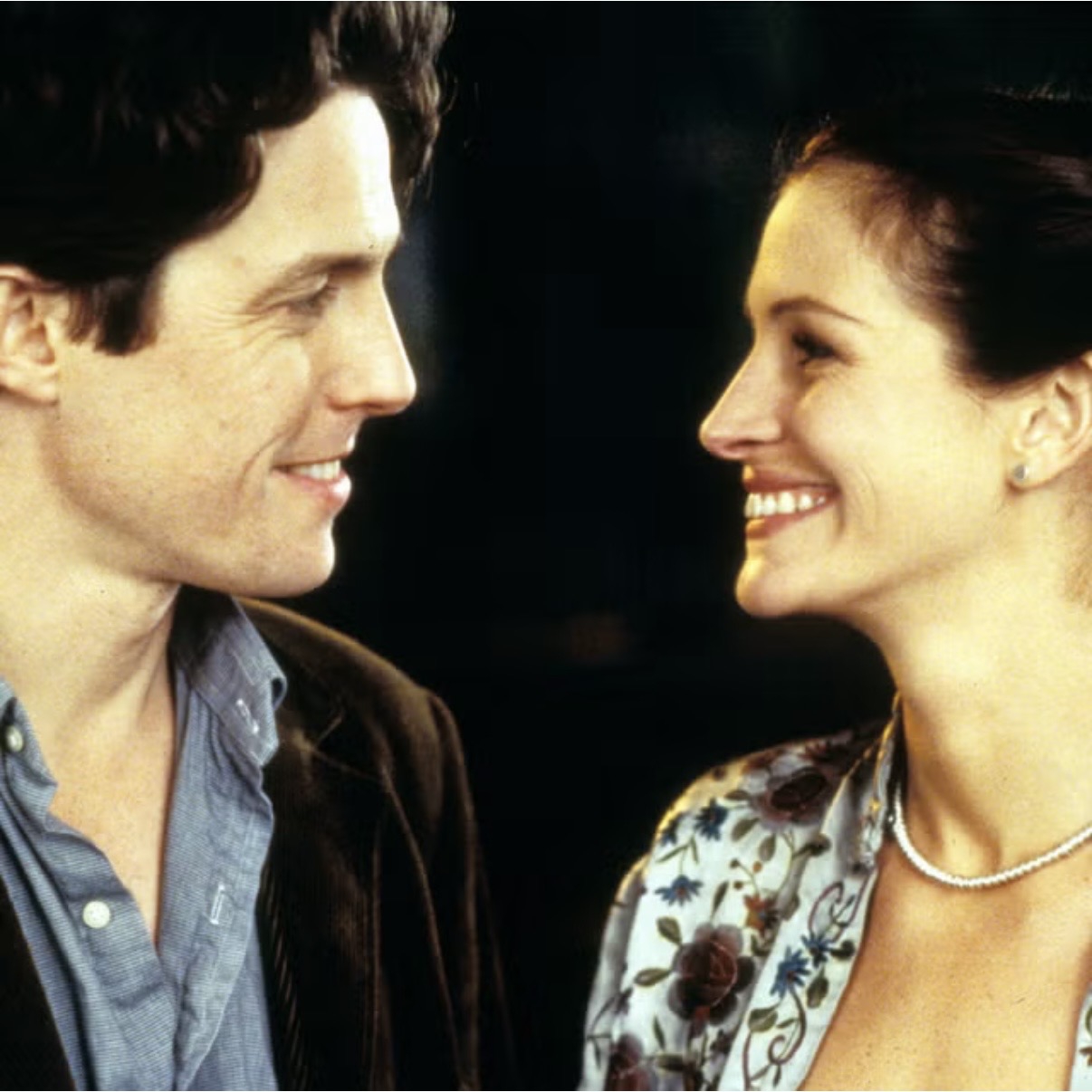
The enduring popularity of ’90s romantic comedies, often rewatched and cherished, stems from more than just grand gestures or dramatic declarations of love. Their charm lies in the palpable sense of analog "meet-cutes"—those serendipitous and often awkward first encounters that feel inherently relatable. The magic is found in their simplicity: a chance meeting in a used bookstore in "Notting Hill," a fateful encounter on a train in "Sliding Doors," or a charming exchange while walking in the park in "You’ve Got Mail." These scenarios, far removed from the algorithm-driven matchmaking of today, tap into a universal desire for organic connection and the thrill of unexpected romance.
The power of these narratives lies in their groundedness. They portray relationships that develop through shared experiences, awkward conversations, and a gradual unfolding of personalities. The lack of instant gratification, a hallmark of modern digital interactions, forced a more deliberate and thoughtful approach to courtship. This allowed for a deeper understanding and appreciation of the other person, fostering a sense of genuine connection that many feel is missing in contemporary dating.
Supporting Data and Analysis: The Psychology Behind the Nostalgia
The persistent fascination with ’90s romance can be analyzed through several psychological and sociological lenses. One significant factor is nostalgia, a complex emotion that involves a sentimental longing for the past. According to research by psychologist Clay Routledge, nostalgia often serves as a buffer against existential anxieties and loneliness, providing a sense of continuity and meaning. In an era marked by rapid technological change, social upheaval, and a perceived fragmentation of social bonds, revisiting the ’90s—a period often remembered for its relative stability and more tangible social interactions—offers a comforting escape.
Furthermore, the rise of "romantic idealism" in younger generations can be linked to dissatisfaction with current dating paradigms. The prevalence of ghosting, the superficiality of online profiles, and the pressure to maintain a curated online persona can lead to feelings of disillusionment. ’90s romance, with its emphasis on genuine connection, slower courtship, and less curated interactions, presents an idealized alternative. Studies on dating app fatigue have shown increasing user dissatisfaction, with many reporting feelings of burnout and a lack of meaningful connections. This sentiment directly fuels the appeal of older romantic narratives that offer a vision of love that feels more authentic and less transactional.
The concept of "slow living" also plays a role. As the pace of modern life accelerates, there’s a growing appreciation for activities and experiences that are more deliberate and less hurried. The slow burn of ’90s romance, characterized by anticipation, thoughtful gestures, and gradual discovery, aligns with this broader cultural shift towards valuing quality over quantity in experiences.
Timeline of Cultural Resonance
The ’90s romance phenomenon isn’t a sudden emergence but a sustained cultural undercurrent that has gained momentum in recent years.
- Early to Mid-1990s: The decade itself produced seminal romantic comedies and dramas that defined the era’s romantic landscape. Films like "Sleepless in Seattle" (1993), "Four Weddings and a Funeral" (1994), "Before Sunrise" (1995), "Clueless" (1995), "Jerry Maguire" (1996), "My Best Friend’s Wedding" (1997), and "You’ve Got Mail" (1998) established tropes and aesthetics that are now viewed with nostalgic affection. The rise of music artists like Goo Goo Dolls and Mazzy Star provided the era’s distinctive sonic backdrop.
- Late 2000s – 2010s: As digital natives began to come of age, a sense of disconnect with the perceived simplicity of past romantic eras started to emerge. Online dating platforms became mainstream, and social media began to reshape social interactions. This period saw the rise of blogs and early online communities discussing the merits of pre-digital romance.
- Late 2010s – Present: The resurgence of ’90s fashion and aesthetics on platforms like TikTok and Instagram coincided with a growing discourse around dating app fatigue. Trends like "Mom, What Were You Like In The ’90s?" gained significant traction. The release of media like Ryan Murphy’s "Love Story," which focuses on iconic ’90s couples, and the enduring popularity of classic ’90s romantic films on streaming services have amplified this interest. The proliferation of accounts like @meetcutesnyc on social media further solidifies this trend, providing a constant stream of romantic anecdotes from bygone eras. The 30th anniversary of "Romeo + Juliet" in 2026 is expected to further reignite interest in the decade’s romantic narratives.
Broader Impact and Implications: Shaping Future Relationships
The sustained obsession with ’90s love stories has several broader implications for contemporary society and the future of relationships.
Firstly, it highlights a generational critique of the current dating landscape. The emphasis on authenticity, depth, and deliberate connection presented in these narratives serves as a benchmark against which modern dating practices are measured. This can encourage individuals to seek more meaningful interactions and question the superficiality that can pervade online dating.
Secondly, it influences aesthetic and cultural trends. The enduring appeal of ’90s fashion, music, and film styles demonstrates how idealized past eras can shape contemporary tastes. This fascination can lead to a conscious effort to integrate elements of that aesthetic into modern life, from personal style to media consumption.
Thirdly, it may foster a re-evaluation of courtship rituals. While a full return to landline calls and handwritten letters is unlikely, the underlying principles of patience, curiosity, and genuine interest in getting to know someone can be consciously adopted. This could lead to a more mindful approach to building relationships, prioritizing quality interactions over a high volume of superficial encounters.
Finally, the enduring romanticism associated with the ’90s serves as a reminder of the timeless human need for connection and love. In a world often characterized by transience and digital ephemerality, these narratives offer a sense of enduring romance and the possibility of deep, meaningful bonds. The collective yearning for these stories suggests that while the methods of connection may evolve, the fundamental desire for authentic love remains a constant. The ’90s, in this context, represents not just a decade, but a potent symbol of an idealized romantic experience that continues to resonate deeply with the present.