Eko Sulistyo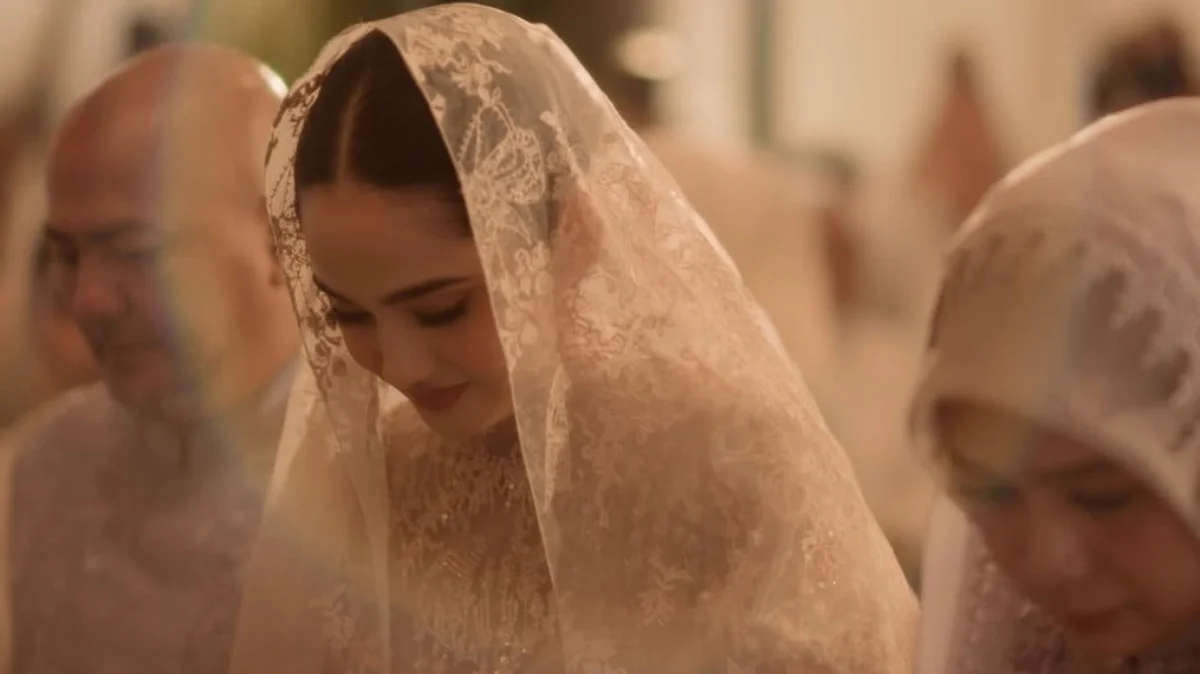
The Indonesian entertainment landscape was recently captivated by a series of high-profile events that dominated public discourse and social media trends during the final week of April 2026. At the forefront of these developments was the long-awaited wedding of actress Syifa Hadju and musician El Rumi, a union that not only celebrated the couple’s romance but also brought to light long-standing questions regarding Syifa Hadju’s family background. Alongside this celebratory news, the digital sphere was stirred by the resurgence of a vintage video involving television host Irfan Hakim and Syekh Ahmad Al Misry, amid ongoing controversies surrounding the latter. This round-up explores the intricate details of these events, providing context, professional analysis, and a chronological overview of the news that shaped the Showbiz sector on April 27 and 28, 2026.
The Union of Syifa Hadju and El Rumi: A National Spectacle
On Sunday, April 26, 2026, Syifa Hadju and El Rumi officially tied the knot in a ceremony that was described by many as the "wedding of the year." The event, held in a prestigious venue in Jakarta, marked the culmination of a highly publicized relationship that had been closely followed by fans and the media alike. El Rumi, the second son of legendary musicians Ahmad Dhani and Maia Estianty, and Syifa Hadju, a prominent figure in the Indonesian film and television industry, have often been viewed as a "power couple" within the domestic entertainment circuit.
While the aesthetics of the wedding—ranging from Syifa’s meticulously crafted traditional attire to the star-studded guest list—were widely praised, the most significant moment occurred during the ijab kabul (Islamic marriage contract ceremony). It was during this sacred process that the identity of Syifa Hadju’s biological father was finally disclosed to the public. For years, the actress had maintained a level of privacy regarding her paternal lineage, leading to various speculations among netizens.
During the recitation of the marriage lineage, the name of Syifa’s biological father was mentioned, confirming his identity but also highlighting his absence at the altar. In Indonesian Islamic tradition, the presence of a wali nikah (marriage guardian), typically the biological father, is a fundamental requirement. However, in this instance, the role was fulfilled by a substitute guardian, or wali hakim, as the biological father did not attend the ceremony. This revelation immediately sparked a wave of curiosity and discussion across social platforms, as fans sought to understand the dynamics of Syifa’s family life.
The Role of the Stepfather and Family Dynamics
Despite the absence of her biological father, the wedding highlighted the strong bond Syifa shares with her stepfather. Observers noted the emotional support provided by her immediate family throughout the wedding preparations and the ceremony itself. The presence of her stepfather as a central figure in her life served as a testament to the modern family structure that Syifa has navigated throughout her career.
The public’s fascination with this detail underscores a broader cultural interest in the private lives of Indonesian celebrities. In a society where family lineage and traditional roles are highly valued, the disclosure of such personal information during a televised or widely reported event often leads to intense scrutiny. Legal and religious experts note that while the absence of a biological father can be managed through the appointment of a wali hakim, the public revelation of such circumstances often brings a mix of empathy and curiosity from the audience.
El Rumi’s Exhaustion and Advice to Dul Jaelani
Another narrative that emerged from the wedding festivities was the sheer scale of the logistical effort required to execute the event. Maia Estianty, El Rumi’s mother, shared insights into the couple’s dedication, revealing that El Rumi and Syifa Hadju chose to manage the majority of the wedding preparations themselves. Eschewing the complete reliance on a wedding organizer that is typical for celebrities of their stature, the couple was deeply involved in everything from conceptual design to technical details.
This hands-on approach, while admirable, reportedly left El Rumi physically and mentally drained. Following the conclusion of the main events, El Rumi was heard offering candid advice to his younger brother, Dul Jaelani. Reflecting on the complexity and stress of organizing a grand wedding, El suggested that Dul and his long-time partner, Tissa Biani, should consider a much simpler route: marrying at the Kantor Urusan Agama (KUA), the local Religious Affairs Office, or a mosque, without the fanfare of a massive reception.
This statement resonates with a growing trend among the Indonesian youth who are increasingly questioning the necessity of expensive and exhausting wedding ceremonies. El Rumi’s "KUA advice" highlights a pragmatic shift, even among the elite, toward prioritizing the legal and religious essence of marriage over the social spectacle. This sentiment has sparked a wider conversation on social media about the financial and emotional burdens of traditional high-society weddings in Indonesia.
The Resurgence of the Irfan Hakim and Syekh Ahmad Al Misry Video
While the wedding dominated the celebratory headlines, a more somber and controversial topic also trended in the Showbiz section. A video from several years ago, featuring the popular presenter Irfan Hakim being subjected to a rukiah (a spiritual healing or exorcism ritual) by Syekh Ahmad Al Misry, went viral once again.
The timing of this video’s resurgence is not coincidental. It follows recent allegations and legal discussions involving Syekh Ahmad Al Misry. As is common in the digital age, when a public figure faces controversy, netizens often scour the internet for past associations and "digital footprints." The video in question features Irfan Hakim, Soimah, and the Sheikh in a spiritual session where Irfan’s reactions and facial expressions were particularly intense.
Public reaction to the re-emergence of this footage has been divided. Some viewers analyze Irfan Hakim’s gaze and demeanor during the ritual as a sign of the spiritual intensity of the moment, while others use the video to critique the Sheikh in light of current events. For Irfan Hakim, a veteran presenter known for his clean public image, the revival of this content serves as a reminder of how celebrity reputations can be tangentially affected by the controversies of their past collaborators.
Broader Implications for the Indonesian Entertainment Industry
The events of late April 2026 illustrate several key themes currently defining the Indonesian entertainment industry:
-
The Transparency of Personal Life: The revelation of Syifa Hadju’s father’s name during her wedding illustrates that even the most private details of a celebrity’s life are subject to public exposure during major milestones. The "Round Up" of these stories by outlets like VIVA shows a high consumer demand for intimate family details.
-
The "Wedding Economy" vs. Practicality: The contrast between El Rumi’s lavish wedding and his advice to Dul Jaelani reflects a tension in Indonesian culture. While weddings are significant economic drivers and status symbols, there is an emerging voice—even from within the circle of the wealthy—advocating for simplicity and mental well-being.
-
Digital Permanence and Accountability: The Irfan Hakim video serves as a case study in digital permanence. In the modern media landscape, past content is never truly gone; it remains available as a tool for public scrutiny, often resurfacing at the most inconvenient times for those involved.
-
The Influence of Matriarchs: The role of Maia Estianty in documenting and commenting on her children’s lives continues to be a significant factor in how the public perceives the Dhani-Maia extended family. Her praise for El Rumi’s independence helped frame the wedding narrative as one of maturity and hard work rather than just inherited wealth.
Chronology of Events (April 26 – April 28, 2026)
- April 26, 2026 (Morning): The ijab kabul ceremony of Syifa Hadju and El Rumi takes place. The identity of Syifa’s biological father is officially mentioned in the legal proceedings, sparking immediate social media chatter.
- April 26, 2026 (Evening): A grand wedding reception is held in Jakarta, attended by the elite of the Indonesian entertainment and political worlds.
- April 27, 2026 (Morning): Maia Estianty posts on social media regarding El Rumi’s exhaustion and his involvement in the wedding planning, leading to El’s "KUA advice" to Dul Jaelani going viral.
- April 27, 2026 (Afternoon): Netizens begin recirculating the Irfan Hakim and Syekh Ahmad Al Misry rukiah video as news of the Sheikh’s legal troubles intensifies.
- April 28, 2026 (Midnight): VIVA Showbiz publishes the "Round Up" edition, consolidating these stories into the most-read list, reflecting the peak of public interest.
Conclusion
The intersection of celebrity milestones and resurfacing controversies has created a complex news cycle for the Indonesian public. The marriage of Syifa Hadju and El Rumi served as a moment of joy and a source of long-awaited answers regarding family history, while also prompting a discussion on the pressures of modern celebrations. Simultaneously, the digital echo of Irfan Hakim’s past spiritual encounter serves as a cautionary tale about the enduring nature of media content. As these stories continue to evolve, they provide a window into the values, curiosities, and shifting perspectives of contemporary Indonesian society.