Bambang Pamungkas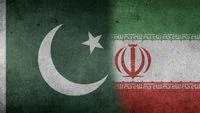
Jakarta, CNBC Indonesia – The Islamic Republic of Iran has delivered a fresh negotiation proposal to the United States, utilizing Pakistan as an intermediary, as reported by state media on Friday, January 5, 2026. This diplomatic overture comes amidst a precarious regional landscape following a recent period of intense conflict and stalled previous attempts at dialogue. The official news agency IRNA stated, "The Islamic Republic of Iran conveyed the text of its latest negotiation proposal to Pakistan, as a mediator in talks with the United States, on Thursday evening." While IRNA did not immediately disclose the specifics or contents of the new proposal, its submission signals a potential shift in the highly volatile relations between Tehran and Washington, which have been exacerbated by recent military confrontations and severe economic pressures.
The move by Tehran is seen by observers as a critical step in de-escalating tensions that have gripped the Middle East, particularly after a fragile ceasefire brought a temporary halt to hostilities stemming from what Iranian state media described as "US-Israel aggression on February 28." This aggression reportedly ignited nearly 40 days of intense warfare across the region, leading to significant disruption and a profound humanitarian toll. The initial round of talks that followed this ceasefire ultimately collapsed due to the imposition of a naval blockade by the United States on Iranian ports and Iran’s retaliatory closure of the strategically vital Strait of Hormuz, severely impeding international shipping and global energy supplies.
The Diplomatic Overture: A New Chapter in Crisis Diplomacy
The delivery of a new proposal through Pakistan underscores the urgency with which Iran seeks to address the ongoing stalemate. Pakistan, with its long-standing diplomatic ties to both Washington and Tehran, has historically played a crucial, albeit delicate, role as an interlocutor in periods of heightened tension between the two adversaries. Its geographic proximity and complex regional relationships position it uniquely to facilitate such sensitive communications. The mere act of submitting a new text, even without immediate public details, suggests a renewed willingness on Iran’s part to explore diplomatic avenues, possibly signaling a shift in its negotiating stance or a more comprehensive approach to resolving the multifaceted disputes.
The absence of detailed information regarding the proposal’s contents has naturally led to widespread speculation among international analysts. Key areas of potential focus could include proposals for a more robust and verifiable ceasefire, mechanisms for de-escalating military confrontations in the Gulf, frameworks for lifting or easing sanctions, and discussions pertaining to Iran’s nuclear program or its regional influence. The vagueness surrounding the proposal’s specifics also allows both sides a degree of flexibility in initial responses, avoiding immediate rejection or commitment before thorough evaluation. This initial opacity could be a deliberate strategy to allow for quiet diplomacy and build confidence before public pronouncements.
A Region on Edge: The Preceding Conflict and Ceasefire
The backdrop to this diplomatic initiative is a deeply troubled regional landscape. The "US-Israel aggression on February 28," which initiated a period of nearly 40 days of intense warfare, represents a significant escalation in the long-standing shadow war between Iran, the United States, and Israel. While details remain sparse from the public domain regarding the precise nature and triggers of this aggression, regional reports indicate it likely involved targeted strikes against military assets, infrastructure, or proxy forces, leading to swift and severe retaliation from all sides. This period of open conflict, which would have spanned through much of March and into April of 2025, pushed the region to the brink of a broader conflagration, causing immense human suffering, displacement, and economic damage across several nations.
The cessation of active hostilities and the subsequent "fragile ceasefire" were the result of intensive international diplomatic efforts, primarily spearheaded by the United Nations and various European powers, which sought to prevent an all-out regional war. This ceasefire, however, proved tenuous from its inception, marked by frequent violations and a pervasive lack of trust between the warring parties. The single round of direct or indirect talks that followed was a fleeting moment of hope, quickly overshadowed by renewed acts of economic and military pressure. This fragile peace underscores the deep-seated grievances and strategic imperatives that continue to drive the actions of regional and international actors.
Stumbling Blocks: Blockades and Maritime Chokepoints
The collapse of the initial post-ceasefire talks was directly attributed to two critical developments: the United States’ imposition of a naval blockade on Iranian ports and Iran’s reciprocal closure of the Strait of Hormuz. The US naval blockade, a severe economic measure, aimed to further cripple Iran’s ability to export oil and import essential goods, thereby increasing pressure on Tehran to accede to Washington’s demands regarding its nuclear program and regional activities. Such a blockade, while not a direct act of war, is widely considered an act of aggression that violates international maritime law and freedom of navigation, significantly exacerbating humanitarian concerns within Iran.
Iran’s response, the closure of the Strait of Hormuz, was a calculated and potent countermeasure. The Strait of Hormuz is the world’s most critical oil transit chokepoint, through which roughly one-fifth of the world’s total oil consumption and a significant portion of global liquefied natural gas (LNG) passes daily. Its closure by Iran, even partially allowing "only a few vessels to pass," immediately sent shockwaves through global energy markets. Oil prices surged, shipping costs escalated dramatically, and supply chains for various commodities were severely disrupted. The economic repercussions extended far beyond the Middle East, impacting consumers and industries worldwide and highlighting the global interconnectedness of the region’s stability. The cessation of nearly all commercial traffic through this vital waterway effectively choked off a significant artery of international trade, underscoring Iran’s capability to inflict severe global economic pain as leverage in negotiations.
Pakistan’s Enduring Role as Mediator
Pakistan’s role as a mediator in this complex geopolitical drama is not unprecedented. Historically, Islamabad has leveraged its unique position as an Islamic nation with strong ties to both the Arab world and Iran, while also maintaining a strategic partnership with the United States, to facilitate backchannel communications. In recent years, Pakistan has been instrumental in easing tensions, particularly when direct communication channels between Washington and Tehran have been severed or become highly strained. Its diplomatic efforts often focus on discreet facilitation rather than public grandstanding, which makes it a trusted conduit for sensitive messages.
For Pakistan, success in this mediation effort would bolster its standing as a responsible regional player and enhance its diplomatic influence. It also carries significant risks; failure could expose Pakistan to criticism from either side or drag it deeper into regional rivalries. However, the potential for contributing to regional stability, particularly in a neighborhood directly impacting its own security and economic interests, makes the endeavor worthwhile for Islamabad. The current global economic climate, already fragile from recent conflicts and supply chain disruptions, further incentivizes Pakistan to promote a peaceful resolution that could stabilize energy markets and foster trade.
Regional Diplomatic Blitz: Araghchi’s Outreach
On Friday, concurrent with the news of the proposal’s submission, Iranian Foreign Minister Abbas Araghchi engaged in a flurry of diplomatic activity, holding telephone conversations with his counterparts from Saudi Arabia, Qatar, Turkey, Iraq, and Azerbaijan. According to statements from the Iranian Foreign Ministry, these calls centered on "the Islamic Republic’s latest initiative to end the war." This coordinated outreach to key regional players signifies Iran’s recognition of the broader implications of its conflict with the US and its desire to garner regional support for its diplomatic efforts.
Engaging Saudi Arabia, a long-time regional rival, is particularly noteworthy. Despite past hostilities, recent years have seen attempts at rapprochement between Tehran and Riyadh, recognizing that regional stability benefits both. Qatar and Turkey, both influential regional powers with their own unique relationships with Iran and the US, can play significant roles in fostering dialogue and building consensus. Iraq, bordering Iran and caught in the crossfire of US-Iran tensions, has a vested interest in de-escalation. Azerbaijan, sharing a border with Iran and maintaining complex geopolitical relationships, is also a crucial interlocutor. Araghchi’s calls suggest a multi-pronged strategy: not only seeking direct engagement with the US but also building a regional coalition or at least securing tacit approval for its peace initiative, thereby adding weight to its diplomatic push. This broader engagement aims to frame the conflict not just as a bilateral US-Iran issue but as a regional crisis requiring a collective, de-escalatory approach.
The Broader Geopolitical Chessboard
The current crisis and the latest diplomatic overture are deeply rooted in decades of animosity between the United States and Iran, marked by mutual distrust, proxy conflicts, and a complex history of interventions and grievances. The 2015 Joint Comprehensive Plan of Action (JCPOA), the landmark nuclear deal, offered a brief period of reduced tension, but its subsequent collapse in 2018 when the US unilaterally withdrew and reimposed sanctions reignited the cycle of escalation. The US withdrawal was based on claims that the deal did not adequately address Iran’s ballistic missile program or its regional malign activities, while Iran consistently maintained its right to peaceful nuclear technology and viewed US sanctions as economic warfare.
Proxy conflicts in Yemen, Syria, Iraq, and Lebanon have consistently fueled distrust, with both sides accusing the other of destabilizing the region. These conflicts provide fertile ground for indirect confrontations, often drawing in regional allies and exacerbating sectarian divisions. Against this backdrop, any new peace proposal faces immense hurdles in overcoming deeply entrenched animosities and mistrust.
International reactions to any potential US-Iran dialogue are always closely watched. The United Nations, European Union, China, and Russia have consistently called for de-escalation and diplomatic solutions, recognizing the global implications of a volatile Middle East. While these powers would likely welcome any movement towards constructive engagement, they also remain wary of proposals that might destabilize the region further or ignore their own strategic interests. Their influence, both through multilateral institutions and bilateral channels, could be crucial in lending credibility and support to any future agreement.
Potential Roadblocks and Pathways to Resolution
The path to a lasting resolution remains fraught with significant challenges. The key demands of both sides are extensive and often contradictory. The United States typically seeks assurances regarding Iran’s nuclear program, an end to its support for proxy groups, and freedom of navigation in international waters. Iran, conversely, demands the complete lifting of all sanctions, security guarantees against external aggression, and a recognition of its legitimate regional influence. Bridging this gap will require immense diplomatic skill and genuine concessions from both parties.
The most formidable obstacle is the profound "trust deficit." Years of broken agreements, accusations, and confrontational rhetoric have eroded any basis for mutual confidence. Any potential agreement would therefore require robust verification mechanisms and third-party guarantees to ensure compliance. The role of the international community, through institutions like the UN and the IAEA (International Atomic Energy Agency), will be vital in monitoring adherence to any future accords. Furthermore, addressing the underlying regional conflicts, rather than merely papering over them, will be essential for sustained peace.
Economic and Humanitarian Implications
The ongoing conflict and sanctions have inflicted severe economic hardship on the Iranian populace, leading to high inflation, unemployment, and a decline in living standards. A prolonged state of tension and blockade would further exacerbate these conditions, potentially leading to social unrest and a deepening humanitarian crisis. Conversely, a successful diplomatic breakthrough could lead to the lifting of sanctions, revitalizing Iran’s economy and improving the lives of its citizens.
Globally, the economic impact of continued instability in the Persian Gulf cannot be overstated. The consistent threat to oil supplies and shipping lanes creates volatility in energy markets, affecting global inflation and economic growth. A sustained peace would provide much-needed stability, allowing for more predictable trade routes and energy prices. The "40 days of war" itself undoubtedly resulted in significant human casualties, displacement, and destruction of infrastructure, the full extent of which may still be emerging. Any peace initiative must therefore prioritize humanitarian aid, reconstruction efforts, and addressing the needs of those most affected by the conflict.
Conclusion
Iran’s latest peace proposal, delivered through Pakistani mediation, represents a cautious step towards de-escalation in a region perpetually on the brink. While the specifics of the offer remain undisclosed, the move itself signifies a potential opening for dialogue following a period of intense conflict and stalled negotiations. The challenge now lies in whether both Washington and Tehran can find common ground to rebuild trust, address their core grievances, and navigate the complex geopolitical landscape of the Middle East. The diplomatic efforts of regional powers, coupled with international pressure, will be crucial in determining whether this new initiative can pave the way for a more stable and peaceful future, or if it will simply become another footnote in the long, arduous history of US-Iran relations. The world watches with cautious optimism, recognizing the long and difficult path ahead for sustained peace in this highly volatile region.