Chalifah Fatihah
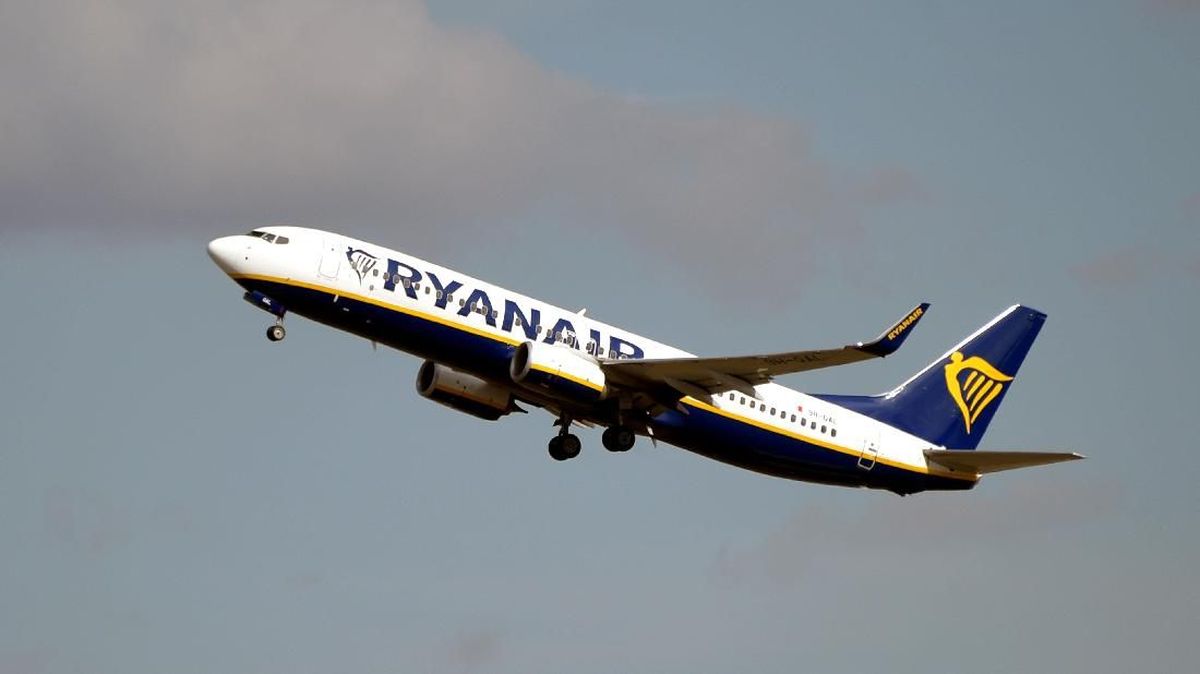
Marseille, France – A scene of escalating chaos and desperation unfolded at Marseille-Provence Airport on Saturday night, April 18, 2026, when approximately 30 irate passengers took the extraordinary and perilous step of breaching security barriers and running onto the tarmac in a frantic attempt to stop their Ryanair flight from departing without them. The incident, which has drawn widespread attention and sparked investigations, left a total of 83 passengers stranded in France after their flight, FR2640 bound for Marrakesh, Morocco, departed significantly behind schedule and without a substantial portion of its intended passengers.
The dramatic events began as a frustrating delay. The flight, scheduled to depart at 10:30 PM local time, was held up not by technical malfunctions or weather, but by an overwhelming backlog at border control. Reports from local media indicate that a severe shortage of immigration personnel at Marseille-Provence Airport led to protracted passport checks, creating a bottleneck that prevented many passengers from reaching their gate on time. This operational oversight by airport authorities and potentially the airline’s rigid adherence to its schedule created a combustible situation.
As the minutes ticked by and the departure time loomed, tension within the terminal escalated. According to one stranded passenger, who spoke to the New York Post, the situation reached a critical point when a Ryanair manager approached the waiting passengers. "Only 50 percent of passengers had cleared checks when the Ryanair manager came to meet us and explained that the plane doors had been closed due to the slow inspection process," the passenger recounted. The manager reportedly conveyed that the airline was determined to maintain its departure schedule, regardless of the circumstances. This inflexible stance from the airline, prioritizing punctuality over passenger accommodation in a situation caused by external delays, fueled the passengers’ anger.
Witnesses described the scene as reminiscent of a disaster movie. In video footage that has since circulated online, a crowd of enraged individuals can be seen surging towards the tarmac, shouting at airport staff in an increasingly desperate plea to halt the aircraft’s departure. The sheer audacity of their actions – a direct violation of airport safety protocols – underscored the depth of their frustration and sense of abandonment. At one point, the pilot of the Ryanair flight was seen looking out of the cockpit window as passengers yelled at him, with one reportedly shouting that the airline’s actions were "not right."
The situation took a further turn when a female passenger was apprehended by law enforcement officers. She was accused of damaging the airport’s fire safety system in a bid to force open access to the tarmac. In footage captured on a mobile phone, the woman, when confronted, appeared to admit to her actions, stating she had done so to gain access to the runway. Her arrest highlighted the extreme measures some passengers were willing to take in their bid to prevent the flight from leaving.
Despite the chaotic scenes and the attempted blockade, the Ryanair flight eventually took off at 1:50 AM on Sunday morning, leaving the 83 stranded passengers to grapple with their unexpected displacement in France. The incident has raised significant questions about the operational coordination between airlines and airport authorities, particularly concerning the management of passenger flow during peak times or unforeseen delays.
Background and Context
This incident at Marseille-Provence Airport is not an isolated case of passenger frustration leading to airport disruptions. Globally, airports and airlines often face challenges in managing passenger flow, especially during periods of high demand, industrial action, or unexpected operational issues. The rise of low-cost carriers like Ryanair, known for their strict adherence to tight schedules and often limited passenger amenities, can exacerbate these issues. Passengers flying with such airlines are frequently aware of the strict boarding times and the potential consequences of missing a flight, including forfeiture of tickets and additional costs for rebooking.
However, the root cause in this specific instance appears to be a systemic failure in airport staffing at the border control. The shortage of immigration officers at Marseille-Provence Airport is a critical factor that directly led to the delay. This points to potential understaffing issues within French immigration services or a miscalculation of staffing needs for the volume of flights operating at that time. Such shortages can have cascading effects, impacting not only departing flights but also the efficiency of arrivals and the overall passenger experience.
The decision by Ryanair to close the aircraft doors and depart, despite a significant number of passengers still being in the process of clearing security, is a contentious one. Airlines often cite operational reasons, such as avoiding further delays that could impact subsequent flights or incurring penalties from air traffic control. However, in situations where the delay is demonstrably caused by external factors beyond the passengers’ control, such as airport staffing shortages, the airline’s response can be perceived as unsympathetic and even punitive.
Timeline of Events
- Saturday, April 18, 2026, Evening: Flight FR2640 from Marseille to Marrakesh, scheduled for 10:30 PM, begins to experience delays.
- Throughout the Evening: Passengers encounter significant delays at border control due to a shortage of immigration personnel at Marseille-Provence Airport.
- Approaching Departure Time: A large number of passengers remain stuck in the security and passport control queues.
- Reported Decision to Depart: A Ryanair manager informs passengers that the aircraft doors will be closed due to the ongoing delays, as the airline aims to maintain its schedule.
- Passenger Outcry and Tarmac Breach: Approximately 30 frustrated passengers, feeling abandoned, breach security and run onto the tarmac in an attempt to stop the departing aircraft.
- On-Tarmac Confrontation: Passengers can be seen in videos shouting at airport staff and the pilot. One female passenger is arrested for allegedly damaging fire safety systems to access the tarmac.
- Flight Departure: Despite the chaos, Ryanair flight FR2640 departs at approximately 1:50 AM on Sunday, April 19, 2026.
- Post-Incident: A total of 83 passengers are left stranded in Marseille. The airport launches an internal investigation.
Supporting Data and Analysis
The incident highlights critical issues within airport operations and airline policies. Globally, passenger traffic at major airports often strains existing infrastructure and staffing levels. For instance, in 2023, major European airports, including those in France, experienced significant disruptions due to staffing shortages in security and air traffic control, leading to widespread flight delays and cancellations. According to Eurostat, passenger numbers across EU airports rebounded strongly post-pandemic, with many airports struggling to recruit sufficient personnel to meet the surge in demand. Marseille-Provence Airport, as a significant international hub, would be susceptible to such systemic pressures.
The financial implications for the stranded passengers are considerable. They will likely incur additional costs for accommodation, food, and alternative transportation to their final destination. Furthermore, if their original tickets were non-refundable, they may face substantial expenses to rebook their flights. This situation underscores the importance of travel insurance and the need for airlines to have robust contingency plans for such eventualities, especially when the delays are caused by factors outside the passengers’ direct control.
The decision by Ryanair to prioritize its schedule over accommodating passengers delayed by external factors also raises questions about passenger rights and airline accountability. While airlines operate under specific regulations, the perception of fairness and customer care can significantly impact public opinion and potentially lead to regulatory scrutiny. The incident could fuel discussions about the adequacy of current passenger protection regulations in cases of airport operational failures.
Official Responses and Investigations
Marseille-Provence Airport has acknowledged the incident and stated that it has launched an internal investigation. The primary objective of this review is to meticulously examine the sequence of events that led to the passengers being unable to board and to evaluate the existing security and operational procedures. The airport authorities will likely be looking at how the shortage of immigration staff was managed and what communication protocols were in place between the airport, immigration services, and the airline.
Ryanair, while not directly quoted in the initial report regarding their specific response to the stranded passengers, has a documented history of operating with a stringent schedule. Their operational model often relies on quick turnarounds to maximize aircraft utilization. However, in the face of such extreme passenger distress and safety breaches, airlines are often compelled to review their procedures. It is anticipated that Ryanair will be involved in discussions with the airport authorities and potentially provide statements regarding their role and the decisions made by their staff on the ground.
French aviation authorities, such as the Direction Générale de l’Aviation Civile (DGAC), may also become involved if the internal investigation reveals significant breaches of safety regulations or systemic operational failures. Such investigations often lead to recommendations for improved procedures, increased staffing levels, or revised contractual agreements between airports and airlines.
Broader Impact and Implications
This incident serves as a stark reminder of the fragility of air travel logistics. It highlights the interconnectedness of various stakeholders – airport operators, immigration services, airlines, and air traffic control – and how a failure in one area can have significant ripple effects. The reliance on adequate staffing at critical points, such as border control, is paramount for the smooth functioning of any international airport.
The events at Marseille-Provence Airport also bring into focus the challenges faced by passengers in an increasingly complex travel environment. While technology and efficiency are key drivers in the aviation industry, the human element – ensuring timely and fair treatment of passengers – remains critical. The desperation displayed by the passengers, while dangerous and unacceptable from a safety perspective, reflects a deep-seated frustration with perceived bureaucratic inflexibility and a lack of empathy from service providers.
Looking ahead, this incident could prompt a reassessment of airline policies regarding schedule adherence versus passenger welfare, particularly when delays are demonstrably outside of passenger control. It may also encourage airports to review their staffing models and emergency response protocols to prevent similar breaches of security and passenger displacement in the future. The public perception of airlines and airports can be significantly impacted by such events, potentially influencing consumer choices and regulatory oversight in the long term. The investigation’s findings will be crucial in determining whether this was an isolated operational hiccup or indicative of broader systemic issues within the French aviation sector.