Chalifah Fatihah
The Balai Taman Nasional Komodo (BTNK), or Komodo National Park Authority, has officially enacted new regulations governing marine tourism activities within its protected waters. Effective immediately, divers wishing to explore the renowned underwater landscapes of Komodo National Park will be subject to a strict time limit of 20 minutes per vessel at each designated dive site. This measure is designed to foster a rotation system among dive boats, ensuring the preservation of the park’s delicate marine ecosystems.
"The time interval between divers from each boat is set at a maximum of 20 minutes. The interval is capped at 20 minutes," stated Hendrikus Rani Siga, the Head of BTNK, in remarks made on Sunday, April 26, 2026, as reported by Detik. This new policy aims to mitigate the cumulative impact of human activity on the vibrant coral reefs and diverse marine life that attract thousands of visitors annually to this UNESCO World Heritage site.
The directive specifically targets scuba diving activities. Snorkeling and surface swimming remain unaffected by these new time restrictions and will continue to adhere to existing guidelines. This distinction highlights the BTNK’s focused concern on the more intensive nature of diving and its potential impact on the seabed and coral formations.
Strategic Rationale Behind the New Time Limits
The implementation of the 20-minute diving limit is underpinned by two primary objectives, as articulated by Head of BTNK, Hendrikus Rani Siga.
Firstly, the regulation seeks to prevent overcrowding at popular dive sites. Simultaneous congregation of multiple dive groups can lead to physical damage to coral structures through accidental contact, anchor drops, and increased sediment disturbance. By staggering the entry and exit of dive boats, the BTNK aims to reduce this risk and allow the fragile underwater environment a chance to recover between visitor periods. This aligns with broader global conservation efforts to manage high-traffic tourist destinations in ecologically sensitive areas.
Secondly, the BTNK anticipates that the regulated rotation will enhance the overall visitor experience. A less crowded dive site, where divers are not constantly navigating around numerous other groups, allows for a more serene and immersive appreciation of the marine biodiversity. This can lead to greater visitor satisfaction and a more profound connection with the natural environment, potentially fostering a stronger sense of stewardship among tourists.
A Rich Tapestry of Marine Life: Understanding Komodo’s Dive Sites
The waters surrounding Komodo National Park are a globally recognized hotspot for marine biodiversity, boasting an extraordinary array of life. From vibrant coral gardens teeming with colorful reef fish to majestic megafauna such as Manta Rays, sharks, and the iconic Napoleon Wrasse, the park offers unparalleled diving opportunities.
Currently, the BTNK has mapped and designated a total of 42 distinct dive sites, strategically distributed across three main geographical zones:
-
Northern Zone: This area presents divers with more challenging yet rewarding encounters. Notable sites include Crystal Rock, known for its clear visibility and abundant marine life; Castle Rock, offering dramatic underwater topography; Shot Gun, named for its strong currents and the thrilling drift dives it facilitates; and Lighthouse, characterized by its unique rock formations and diverse reef inhabitants.
-
Central Zone: This region is a perennial favorite among both local and international tourists due to its accessibility and the consistent presence of large pelagic species. Popular spots include Batu Bolong, a pinnacle that attracts a multitude of fish and sharks; Manta Point (Karang Makassar), a cleaning station where Manta Rays frequently gather; Siaba Besar, a vibrant reef known for its healthy coral and turtle populations; and Tatawa Kecil, offering a chance to observe a variety of reef fish and smaller marine creatures.
-
Southern Zone: The southern waters are renowned for their breathtaking underwater scenery and the opportunity to witness impressive marine congregations. Sites like Cannibal Rock, named for the sheer density of marine life it supports; Manta Alley, another prime location for Manta Ray sightings; and Secret Garden, a visually stunning reef ecosystem, are highlights of this zone.
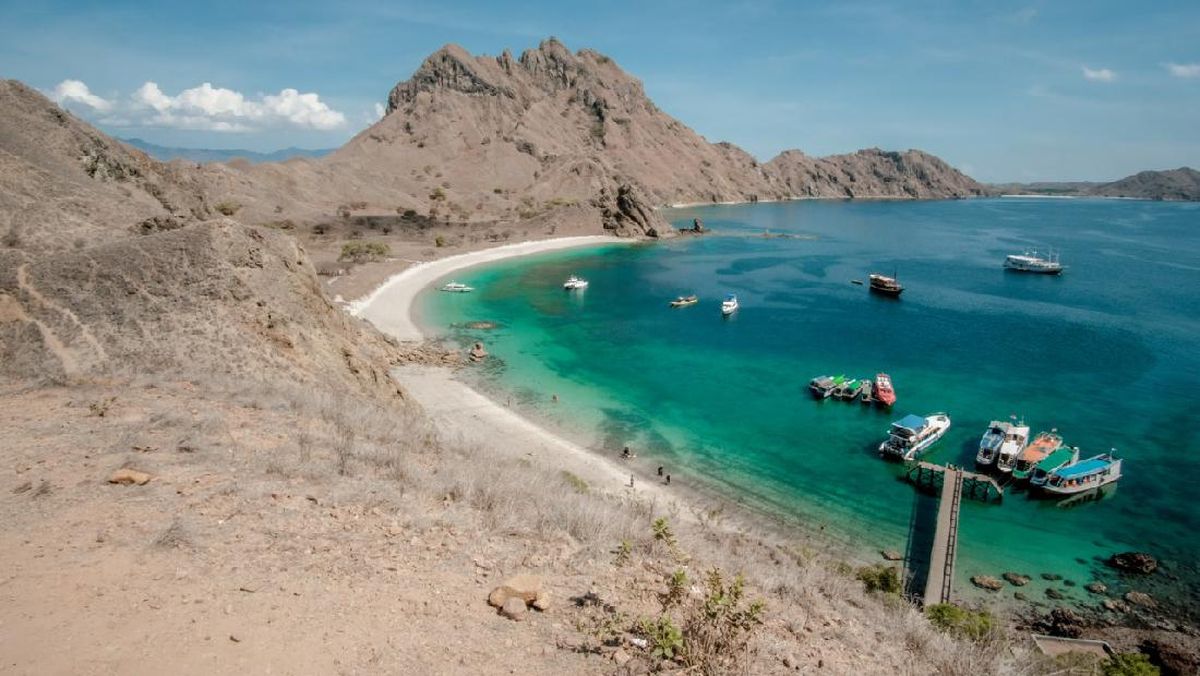
Ande Kefi, the official responsible for the Marine Division at BTNK, emphasized the distinct characteristics of each dive site. "The primary attractions are the coral reefs and the megafauna. However, it is crucial to remember that not all diving locations are suitable for snorkeling due to extremely strong currents," Kefi explained. This underscores the importance of adhering to designated activities and safety protocols at each site.
Safety Protocols and the Imperative of Professional Guidance
The dynamic nature of the currents within Komodo National Park presents significant safety considerations. In certain areas, currents can be exceptionally strong and unpredictable, making independent diving a considerable risk. Consequently, the local authorities have implemented a strict prohibition against solo diving.
To ensure the safety of all visitors, the use of professional dive guides is not merely recommended but is mandatory. These experienced guides possess in-depth knowledge of the local conditions, including current patterns, potential hazards, and the behavior of marine life. Their expertise is invaluable in navigating the underwater environment safely and responsibly.
"We strongly advise and, in fact, require tourists to utilize the services of professional guides to guarantee adherence to safety procedures while underwater," added Henki, reinforcing the BTNK’s commitment to visitor well-being. This requirement serves a dual purpose: safeguarding divers from potential dangers and further contributing to the protection of the marine environment by ensuring that dives are conducted with minimal disturbance.
Broader Context and Implications for Sustainable Tourism
The implementation of these new diving regulations in Komodo National Park is part of a growing global trend towards more sustainable tourism practices, particularly in ecologically sensitive areas. Komodo National Park, established in 1980 and designated a UNESCO World Heritage Site in 1991, faces the challenge of balancing increased visitor numbers with the imperative to protect its unique natural heritage.
The park is not only a sanctuary for the endemic Komodo dragon but also a critical marine protected area. Its waters are part of the Coral Triangle, the global center of marine biodiversity, making its conservation a matter of international importance. Over the years, the park has seen a significant rise in tourism, driven by its stunning landscapes, unique wildlife, and world-class diving opportunities.
This surge in popularity, while economically beneficial, has placed considerable pressure on the marine environment. Reports and scientific studies have indicated localized impacts such as coral degradation and stress on marine populations in high-traffic areas. The new time limits for diving can be seen as a proactive measure to mitigate these impacts and ensure the long-term health of the ecosystem.
The 20-minute limit, while seemingly restrictive, is a calculated step towards managing visitor impact. By requiring rotations, the BTNK is essentially implementing a form of "carrying capacity" management for individual dive sites. This approach aims to prevent the cumulative stress that can arise from continuous, overlapping human activity.
Potential Implications:
- Diversified Visitor Flow: The staggered diving schedules could lead to a more even distribution of visitors throughout the day and across different dive sites, potentially reducing congestion at the most popular locations.
- Enhanced Dive Experience: As noted by the BTNK, a less crowded environment can lead to a more enjoyable and less stressful diving experience for tourists, allowing for better observation and appreciation of marine life.
- Improved Ecosystem Health: The primary goal is the long-term protection of the marine environment. Reduced direct human impact on coral reefs and marine habitats is expected to contribute to their recovery and resilience.
- Economic Adjustments for Dive Operators: Dive operators may need to adjust their scheduling and potentially increase the number of dive trips offered per day to accommodate the new time constraints while meeting client demand. This could lead to changes in operational efficiency and pricing.
- Increased Awareness and Education: The implementation of such regulations often serves as a catalyst for increased visitor awareness regarding conservation efforts. The BTNK’s communication of these rules highlights the importance of responsible tourism.
Timeline of Conservation Efforts in Komodo National Park:
- 1980: Komodo National Park established by Presidential Decree.
- 1984: The park’s boundaries were expanded, and its management was strengthened.
- 1991: Komodo National Park inscribed as a UNESCO World Heritage Site, recognizing its outstanding universal value for both terrestrial and marine biodiversity.
- Late 20th/Early 21st Century: Growing concerns over increasing tourism pressures, including impacts on marine ecosystems and the Komodo dragon population.
- Ongoing: Various initiatives by the BTNK and partner organizations to monitor wildlife, protect habitats, manage visitor access, and promote sustainable tourism practices. This includes the recent introduction of new regulations for diving activities.
The success of these new regulations will likely depend on effective enforcement, clear communication with tour operators and visitors, and ongoing monitoring of their impact on both the marine environment and the tourism industry. The BTNK’s commitment to preserving the natural wonders of Komodo National Park for future generations remains a paramount objective, and these new diving rules represent a significant step in that ongoing endeavor.