Bambang Pamungkas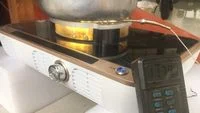
Singapore’s consumer protection authorities have issued a comprehensive ban on the sale and advertising of electric fire stoves, also known as plasma stoves, citing significant safety risks that current international standards are not equipped to assess. The Competition and Consumer Commission of Singapore (CCS), which oversees the Consumer Product Safety Office (CPSO), announced in April that these devices pose a high inherent danger, advising consumers who have already purchased them to use them at their own considerable risk. This decisive action underscores Singapore’s stringent commitment to consumer safety and its proactive approach to regulating novel technologies that may outpace existing safety frameworks.
The ban, officially communicated through a CPSO circular dated April 15, specifically targets these high-voltage appliances for their failure to meet the stringent requirements for a Safety Mark registration. The Safety Mark is a mandatory certification in Singapore for a wide range of household electrical, electronic, and gas appliances, ensuring they have undergone rigorous testing, certification, and registration before being legally sold or supplied within the country. Without this crucial endorsement, products are deemed non-compliant and cannot be distributed or marketed. The prohibition extends to any form of advertising, signaling a complete removal of these products from the Singaporean marketplace until, and if, they can demonstrate full compliance with updated safety protocols.
Understanding the Technology: Electric Fire Stoves and Their Unique Risks
Electric fire stoves, or plasma stoves, represent a relatively new category of cooking appliance that deviates significantly from conventional gas, electric coil, or induction cooktops. Unlike their predecessors, these stoves leverage extremely high voltage electricity to generate an open plasma flame effect. This technology, while potentially offering novel cooking experiences, operates at significantly higher temperatures than traditional methods. For instance, manufacturers have claimed these devices can reach temperatures up to 1,300 degrees Celsius, a stark contrast to induction cooktops which typically operate within a range of 60 to 600 degrees Celsius. This extreme heat, combined with the "open plasma flame" characteristic, introduces a unique set of hazards that conventional safety standards, primarily designed for established cooking technologies, simply do not adequately address.
The fundamental concern articulated by the CPSO is that the current international standards for assessing product safety are not sufficiently robust or specific to evaluate the risks associated with this nascent plasma technology. This regulatory gap creates a dangerous void, as it means potential hazards related to electrical safety, thermal management, material integrity under extreme heat, and the containment of the plasma itself have not been comprehensively studied or codified within existing product safety frameworks. Without clear guidelines for testing and certification, any product utilizing this technology is considered inherently risky, as its long-term safety and operational stability cannot be guaranteed through conventional means.
Chronology of Regulatory Action and Industry Response
The regulatory journey leading to the ban began with the CPSO’s initial assessment of electric fire stoves. As "controlled goods" under Singaporean law, such products are subject to mandatory testing, certification, and registration, culminating in the display of a valid Safety Mark. This proactive regulatory framework is designed to preemptively mitigate dangers such as fires, electric shocks, and explosions that can arise from faulty or unsafe appliances.
On April 15, the CPSO issued its advisory, specifically highlighting that electric fire stoves did not qualify for Safety Mark registration. This immediately rendered them illegal for supply or distribution within Singapore. Following this, on April 23, the CCS reinforced a broader consumer advisory, urging the public to exclusively purchase products bearing a valid Safety Mark. The commission explicitly stated that the use of unregistered products carries inherent risks, for which the user assumes full responsibility. This served as a crucial warning to early adopters and those contemplating purchasing such devices.
The ban prompted a swift response from affected suppliers. While no specific brand was officially named in the initial CCS statement, public inquiries quickly identified Egnite as a prominent seller of electric fire stoves in Singapore. Reports indicated that Egnite’s operational website was undergoing maintenance, and its social media channels had become inaccessible to the public, signaling an immediate impact on their business. On April 24, Egnite publicly acknowledged the regulatory action, stating that it had temporarily suspended all sales and marketing activities in Singapore. The company affirmed its commitment to complying with all necessary certifications, including the Safety Mark. Egnite also confirmed that it had submitted technical documents and test reports to the authorities, pledging to ensure its technology meets all safety requirements before any potential reintroduction to the market. This industry response highlights the immediate commercial implications of stringent regulatory oversight and the pressure on manufacturers to adapt quickly.
The Safety Mark System: A Cornerstone of Consumer Protection
Singapore’s Safety Mark system, administered by the CPSO under the purview of the CCS, is a critical component of the nation’s consumer protection landscape. It acts as a gatekeeper, ensuring that products introduced into the market meet a minimum threshold of safety standards. The mark, typically displayed as a sticker or printed directly on the product, indicates that the item has been tested by accredited laboratories, certified by recognized certification bodies, and registered with the CPSO. This multi-layered process aims to instill confidence in consumers and provide recourse in cases of product failure.
The controlled goods category, to which electric fire stoves belong, includes a diverse range of items from common household appliances like refrigerators, washing machines, and air conditioners, to more specific items such as consumer electronics and heating devices. The inclusion of new technologies like plasma stoves within this classification demonstrates the regulator’s intent to apply a consistent safety standard across all consumer products, regardless of their novelty. The absence of a Safety Mark is not merely a bureaucratic oversight; it signifies that the product’s safety has not been verified against established criteria, leaving consumers vulnerable to potential hazards. This contrasts with, for example, the CE marking in Europe or the UL certification in North America, which serve similar functions in their respective markets, underscoring a global commitment to product safety standards.
Broader Implications and Future Outlook
The ban on electric fire stoves carries significant implications for various stakeholders, from consumers and retailers to technology developers and the regulatory bodies themselves.
For Consumers: The immediate impact is a heightened awareness of product safety labels and the inherent risks associated with purchasing unregistered or uncertified goods. While early adopters of plasma stoves now face the dilemma of using a product deemed high-risk or discontinuing its use, the broader public benefits from clearer guidelines and strengthened consumer protection. This incident reinforces the message that innovation, while desirable, must not come at the expense of safety. Consumer advocacy groups are likely to leverage this case to further educate the public on the importance of regulatory compliance and the need for caution when encountering novel technologies without established safety credentials.
For Retailers and Suppliers: The ban necessitates a re-evaluation of product sourcing and due diligence practices. Retailers must ensure that all products, especially those incorporating new or unconventional technologies, possess the requisite Safety Mark before being offered for sale. The incident could lead to increased scrutiny from authorities and a greater emphasis on supplier accountability. For companies like Egnite, the challenge lies in either adapting their technology to meet existing or newly developed safety standards, or exiting the Singaporean market entirely. This could involve significant investment in research, redesign, and re-testing, highlighting the substantial cost of non-compliance.
For Technology Developers and Innovators: This case serves as a crucial reminder that introducing disruptive technologies to the market requires proactive engagement with regulatory bodies. Developers of cutting-edge appliances must consider safety and compliance from the outset of the design process, rather than as an afterthought. The lack of adequate international standards for plasma technology underscores a broader challenge for regulators worldwide: how to keep pace with rapid technological advancements while ensuring consumer safety. This incident could potentially spur international collaborations to develop new safety benchmarks for emerging technologies, fostering a more harmonized and effective regulatory environment globally.
For Singapore’s Regulatory Landscape: The CCS and CPSO have demonstrated their resolve and agility in responding to emerging product safety threats. This ban reinforces Singapore’s reputation for having a robust and responsive regulatory framework for consumer goods. The commitment to update testing and certification requirements "if and when more appropriate standards become available" reflects a pragmatic approach, balancing immediate consumer protection with a willingness to adapt as technology and safety science evolve. This incident sets a precedent for how Singapore will likely approach future novel products that do not fit neatly into existing regulatory boxes. It showcases a commitment not just to enforcing existing laws but to actively shaping the future of product safety.
In conclusion, Singapore’s prohibition of electric fire stoves is a significant regulatory action driven by an abundance of caution and a firm stance on consumer safety. It highlights the complexities of regulating rapidly evolving technologies and the critical role of certification marks like the Safety Mark in safeguarding public welfare. As technology continues to advance, the ongoing dialogue between innovators, consumers, and regulators will be paramount in ensuring that progress does not compromise safety.