
 Paryono Ramadhan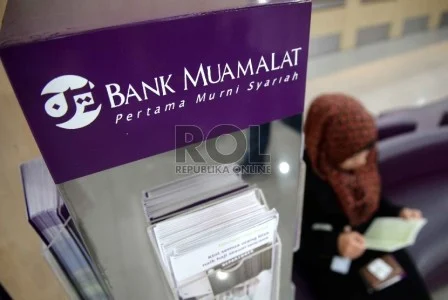
Bank Muamalat, Indonesia’s pioneering Sharia-compliant financial institution, has formally commenced its strategic foray into the property financing sector within North Sulawesi, marking a significant expansion of its credit offerings. Initially concentrating its efforts on providing home ownership credit (KPR) exclusively to employees, this move signals a calculated step towards broadening its market reach and capitalising on the burgeoning property demand in the region. The bank’s commitment to Sharia principles underpins its product suite, aiming to provide ethical and transparent financing solutions to a wider demographic.
Giat Waluyo, the Head of Bank Muamalat’s Manado Branch, confirmed the initiative last week, stating, "We have begun disbursing housing credit in North Sulawesi, albeit currently limited to prospective debtors with stable incomes." This initial phase, he clarified, is part of a centralised program from the bank’s head office designed to first target permanent employees. However, Waluyo articulated a clear vision for the future, emphasising the bank’s intent to progressively expand its market outreach, thereby making Sharia-compliant home financing accessible to the broader public in due course. This phased approach allows the bank to fine-tune its operations and gather insights before a full-scale public launch.
The bank’s entry into the KPR market is facilitated through strategic collaborations with a diverse range of property developers operating in Manado, the provincial capital. Bank Muamalat’s KPR offerings are comprehensive, designed to cover various types of residential and commercial properties. This includes financing for modest homes, luxury residences, shophouses (rumah toko), home offices (rumah kantor), kiosks, and apartments. Crucially, the bank also offers a ‘take-over’ option, allowing individuals to transfer their existing KPR from conventional banks to Bank Muamalat, thus converting their conventional financing into a Sharia-compliant structure. This feature is particularly attractive to customers seeking to align their financial commitments with Islamic ethical principles.
Background: The Evolving Landscape of Islamic Finance in Indonesia
Indonesia, home to the world’s largest Muslim population, has witnessed a robust and sustained growth in its Islamic finance sector over the past few decades. Bank Muamalat, established in 1991 as the nation’s first Sharia bank, has played a pivotal role in this evolution. Islamic finance operates on principles derived from Sharia law, prohibiting interest (riba), excessive speculation (gharar), and investments in industries deemed unethical (e.g., alcohol, gambling). Instead, it promotes risk-sharing, asset-backed transactions, and ethical investments.
The Indonesian government and regulatory bodies, such as the Financial Services Authority (OJK) and Bank Indonesia (BI), have actively supported the development of Islamic finance through various policies and regulations. This supportive ecosystem has fostered the growth of Islamic banks, insurance companies (takaful), and capital market instruments (sukuk). As of recent reports, Indonesia’s Sharia banking assets continue to demonstrate significant growth, often outpacing conventional banking in certain segments, driven by increasing public awareness and demand for ethical financial products. The expansion of Sharia KPR products aligns perfectly with this national agenda, providing an alternative financing model that resonates with a large segment of the population seeking financial transactions compliant with their faith.
North Sulawesi: A Region Primed for Property Growth
Bank Muamalat’s decision to target North Sulawesi for its KPR expansion is rooted in a clear recognition of the region’s strong economic fundamentals and burgeoning property market potential. Giat Waluyo highlighted the high potential of the property market in North Sulawesi, citing a growing trend of investment in the sector. This sentiment is echoed by industry experts and developers alike, who view property as a resilient and profitable asset class. "It is widely believed that the property business will not incur losses, as its value tends to appreciate over time," Waluyo remarked, underscoring the long-term confidence in real estate investments.
North Sulawesi, with Manado as its vibrant capital, has consistently demonstrated robust economic growth, often exceeding the national average. Key drivers include a dynamic tourism sector, supported by international airport connectivity and stunning natural attractions; a thriving trade sector, leveraging its strategic geographical position; and a strong performance in agriculture and fisheries. The region’s ongoing infrastructure development, including improvements in roads, ports, and urban amenities, further enhances its attractiveness as an investment destination and a place to live. Rapid urbanisation in Manado and surrounding areas has fueled a steady demand for both residential and commercial properties, creating an opportune environment for property developers and financial institutions.
Bank Muamalat’s Sharia KPR: Features and Competitive Edge
The KPR Syariah offered by Bank Muamalat is designed with several compelling features that position it competitively against conventional mortgage products. A key differentiator is the extended financing tenure, allowing borrowers up to 15 years to repay their loans. Furthermore, the bank offers a remarkably accessible minimal down payment of just 10 percent of the property’s value. This combination makes homeownership more attainable for a wider segment of the population.

Waluyo elaborated on the financial structure, stating, "The financing value can be as high as 90 percent of the property’s acquisition price recognised by the bank." This high loan-to-value ratio is a significant advantage. Bank Muamalat primarily employs two Sharia-compliant financing contracts for its KPR:
- Murabahah (Cost-Plus Financing): In this model, the bank purchases the property from the developer or seller and then sells it to the customer at a pre-agreed mark-up. The customer repays the total amount (cost + mark-up) in fixed installments over the agreed tenure. This provides transparency and certainty regarding repayment amounts, as there are no fluctuating interest rates.
- Musyarakah Mutanaqisah (Diminishing Partnership): This involves a joint ownership structure where the bank and the customer jointly own the property. The customer gradually buys out the bank’s share over time through regular installments, which consist of a rental component for the bank’s share and a capital repayment component to reduce the bank’s ownership. Eventually, the customer becomes the sole owner. This model embodies the risk-sharing principle of Islamic finance.
The availability of these Sharia-compliant options, coupled with attractive terms, is expected to resonate strongly with customers who not only seek favourable financing conditions but also wish to ensure their financial transactions adhere to Islamic ethical standards.
Developer Confidence: The Holland Village Manado Case Study
The optimism surrounding North Sulawesi’s property market is vividly exemplified by major development projects such as Holland Village Manado. Hendry Leo, CEO of Holland Village Manado, affirmed the high demand for property among North Sulawesi residents. He cited the rapid sales of numerous housing developments in the region as clear evidence of this robust interest. "The potential of the property business in North Sulawesi is exceptionally high," Leo stated, reinforcing the positive market outlook.
Holland Village Manado is a flagship project designed as an integrated luxury residential and commercial development, conceptualised as a "mixed-use smart city integrated development." Spanning an expansive 11.6 hectares, the project allocates 220,000 square meters for construction. This includes 80,000 square meters dedicated to residential complexes, with the remaining 140,000 square meters earmarked for smart city facilities. These facilities are designed to create a self-contained ecosystem, providing residents with comprehensive amenities and services.
The initial response to Holland Village Manado has been overwhelmingly positive. The project plans to construct 500 units in total, with an initial launch phase comprising 260 units. "Demand has already exceeded the allocated quota for the initial phase," Leo revealed, highlighting the strong market appetite for high-quality, integrated developments. This exceptional demand instils confidence among developers, even amidst broader macroeconomic uncertainties. Hendry Leo expressed no concerns about the impact of an unstable macroeconomic environment on their property ventures in North Sulawesi, a testament to the perceived resilience and inherent value appreciation of real estate in the region. The project anticipates accommodating approximately 5,000 residents and users, who will engage in various activities including living, working, conducting business, studying, recreation, and community events within the integrated smart city environment.
Implications and Broader Impact
Bank Muamalat’s strategic entry into the North Sulawesi KPR market carries several significant implications for various stakeholders:
- For Bank Muamalat: This move represents a crucial diversification of its asset portfolio, reducing reliance on other financing segments and tapping into a high-growth sector. Success in North Sulawesi could serve as a blueprint for similar expansions into other regional markets across Indonesia, solidifying the bank’s position as a leading Sharia financial institution. It also enhances the bank’s competitive edge by offering unique, faith-based financing solutions.
- For the Sharia Banking Sector: Bank Muamalat’s proactive stance is likely to stimulate greater competition and innovation within the broader Sharia banking industry. Other Islamic banks may be encouraged to intensify their KPR offerings and explore similar regional expansions, ultimately benefiting consumers through more diverse and competitive products. This further contributes to the overall growth and maturation of Indonesia’s Islamic economy.
- For North Sulawesi’s Economy: By facilitating homeownership, Bank Muamalat directly supports the local economy. It stimulates the construction sector, creates employment opportunities, and attracts further investment into property development and related industries. This aligns with regional development goals focused on improving living standards and infrastructure.
- For Consumers: Residents of North Sulawesi will gain increased access to ethical and transparent home financing options. For those who prioritize Sharia compliance, this offers a valuable alternative to conventional mortgages. The competitive features, such as low down payments and long tenures, also make homeownership more accessible to a broader demographic, potentially contributing to higher rates of property ownership in the region.
Challenges and Future Outlook
Despite the positive outlook, Bank Muamalat will navigate several challenges. Penetrating a market traditionally dominated by established conventional banks requires significant marketing and public education efforts to raise awareness and understanding of Sharia KPR products. Managing credit risk in a new geographic segment will also be paramount. However, the strong underlying demand for property in North Sulawesi, coupled with the growing preference for Sharia-compliant products, positions the bank favourably.
The future outlook for the North Sulawesi property market remains bright. Continued government investment in infrastructure, coupled with the region’s natural appeal and economic dynamism, suggests sustained growth. The increasing sophistication of developers like Holland Village Manado, offering integrated living concepts, will further drive demand. As Bank Muamalat expands its reach beyond employees to the general public, it is poised to become a significant player in shaping the region’s residential landscape. This strategic expansion by Bank Muamalat underscores the increasing maturity and competitiveness of Indonesia’s Islamic finance sector, demonstrating its capacity to meet the diverse financial needs of a rapidly developing nation.








