
 Paryono Ramadhan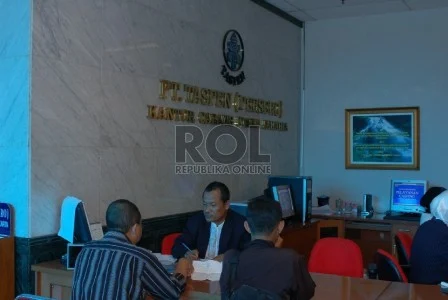
PT Taspen (Persero), the state-owned enterprise responsible for civil servant social insurance and pension funds in Indonesia, has announced the commencement of repayment for the Civil Servant Housing Savings (Taperum PNS) program, effective June 1st. This significant move marks a new chapter in the management of civil servant welfare benefits, ensuring that eligible state employees receive their accumulated housing savings upon retirement. The repayment initiative specifically targets all civil servants who reach retirement age starting from June 1st, with the notable exception of personnel within the Ministry of Defense, the Indonesian National Armed Forces (TNI), and the Indonesian National Police (Polri), who operate under separate housing and welfare frameworks.
The decision to initiate Taperum PNS repayments is rooted in a comprehensive cooperation agreement forged between PT Taspen and the now-dissolved Civil Servant Housing Savings Consideration Agency (Badan Pertimbangan Tabungan Perumahan Pegawai Negeri Sipil, or Bapertarum-PNS). This agreement delineates the operational framework for the transparent and efficient disbursement of these accumulated funds. According to Iwan Soeroto, Corporate Secretary of PT Taspen, the repayment process is designed for maximum convenience, integrated seamlessly with the first pension payment and the Old Age Savings (Tabungan Hari Tua, or THT) at each respective Taspen branch office. This bundled approach aims to streamline the administrative burden for retiring civil servants, allowing them to access their entitlements through a single, coordinated process.
Understanding Taperum PNS: A Historical Perspective
To fully appreciate the significance of this repayment initiative, it is essential to delve into the history and purpose of Taperum PNS. Established decades ago, Taperum PNS was a compulsory savings program designed to assist Indonesian civil servants in acquiring housing. At its core, the program mandated monthly contributions from civil servants’ salaries, with the overarching goal of pooling resources to provide housing facilities or financial aid for housing procurement. This initiative was a direct response to the persistent challenge of housing affordability for state employees, particularly those in lower and middle-income brackets, aiming to improve their welfare and ensure they had access to decent living conditions upon entering retirement or throughout their careers.
The program was primarily managed by Bapertarum-PNS, an autonomous agency specifically created to administer these funds. Bapertarum-PNS played a crucial role in collecting contributions, managing investments, and providing various housing assistance schemes, including down payment subsidies, interest rate differentials for housing loans, and land development programs for civil servants. The legal framework underpinning these contributions, as noted by Iwan Soeroto, included Presidential Decree (Kepres) No. 46 of 1994. This decree stipulated the mandatory monthly contributions based on the civil servant’s employment group (Golongan). For instance, civil servants in Golongan I were required to contribute Rp 3,000, Golongan II Rp 5,000, Golongan III Rp 7,000, and Golongan IV Rp 10,000 per month. While these amounts may seem modest by today’s standards, they represented a significant collective pool of funds over time, intended to make a tangible difference in civil servants’ housing prospects.
The Transition of Authority and Taspen’s Expanded Role
The current repayment initiative by PT Taspen is a direct consequence of a significant restructuring within the Indonesian government’s public service welfare management. In 2018, President Joko Widodo issued Presidential Regulation No. 95 of 2018, which formally dissolved Bapertarum-PNS. This dissolution was part of a broader government strategy to streamline state-owned entities and public service agencies, aiming for greater efficiency, transparency, and synergy in the management of state assets and social welfare programs.
Following its dissolution, the responsibilities of Bapertarum-PNS were systematically transferred to other relevant government bodies. The core function of providing housing assistance and facilitating housing programs for civil servants was largely absorbed by the Ministry of Public Works and Housing (Kementerian Pekerjaan Umum dan Perumahan Rakyat, PUPR). Simultaneously, the crucial task of managing and returning the accumulated Taperum PNS contributions to civil servants fell under the purview of PT Taspen. This strategic reallocation was logical, given Taspen’s established expertise and mandate in managing pension funds, old-age savings, and other social insurance programs for civil servants across the nation.
PT Taspen, as a state-owned enterprise, has a long-standing history of serving civil servants. Its existing infrastructure, extensive branch network across Indonesia, and robust data management systems made it the ideal entity to take over the complex task of processing Taperum PNS repayments. This transfer of authority expanded Taspen’s already critical role in safeguarding the financial well-being of state employees, adding another layer of responsibility to its comprehensive suite of services. The cooperation agreement between Taspen and the former Bapertarum-PNS was crucial in ensuring a smooth handover of data, funds, and operational procedures, facilitating an orderly transition that ultimately benefits the civil servants.
Detailed Repayment Mechanism and Beneficiaries
The commencement of Taperum PNS repayment on June 1st (as announced at the time of the original article’s publication) represents a milestone for thousands of retiring civil servants. The primary beneficiaries are all civil servants who begin their retirement period from this specified date onwards. The key principle, as articulated by Taspen’s Corporate Secretary Iwan Soeroto, is convenience. By bundling the Taperum PNS repayment with the first pension payment and the Old Age Savings (THT), Taspen aims to provide a hassle-free experience for retirees. This means a single point of contact and a single disbursement process at any of Taspen’s numerous branch offices nationwide.
For an eligible civil servant to claim their Taperum PNS funds, along with their pension and THT, they typically need to present standard documentation. While specific requirements may vary slightly, these generally include: their civil servant identification card (Kartu Pegawai Negeri Sipil/Karpeg), a decree of retirement (Surat Keputusan Pensiun), a personal identification card (KTP), a family card (Kartu Keluarga), and a bank account book for direct fund transfer. The integrated payment system is designed to minimize bureaucratic hurdles, reflecting Taspen’s commitment to efficient service delivery for its beneficiaries.

The exclusion of personnel from the Ministry of Defense, TNI, and Polri from this Taperum PNS repayment scheme is a point of clarity. These specific government bodies historically have their own distinct welfare and housing programs tailored to the unique nature of military and defense service. Their housing benefits and savings schemes are typically managed under separate regulations and institutions, ensuring that the Taperum PNS program remains focused on the civilian sector of the state apparatus.
Future of Contributions: A Proposed Shift
Beyond the immediate repayment of existing Taperum PNS funds, PT Taspen is also actively engaged in discussions and efforts to reform the contribution structure for active civil servants. The existing contribution rates, as established by Kepres No. 46 of 1994, are fixed nominal amounts (Rp 3,000 to Rp 10,000) based on employment group. While these amounts were relevant at the time of their inception, their real value has significantly eroded over decades due to inflation and changes in salary structures.
In response to this, Iwan Soeroto confirmed that Taspen is advocating for a more equitable and sustainable contribution model. The proposal currently being championed by Taspen is to shift from fixed nominal contributions to a percentage-based system, specifically 2.5 percent of the civil servant’s total salary. This proposed change holds several significant implications. Firstly, it would ensure that contributions are proportionate to a civil servant’s earning capacity, making the system fairer across different salary scales and employment groups. Higher-earning civil servants would contribute more, while lower-earning ones would contribute a relatively smaller but still meaningful amount from their income.
Secondly, a percentage-based contribution would automatically adjust with salary increases, thus maintaining the real value of contributions over time and strengthening the fund’s overall financial health. This would allow for greater accumulation of funds, potentially leading to more substantial benefits or more impactful housing assistance programs in the future. The transition to such a system would require legislative changes, likely involving amendments to existing presidential decrees or the issuance of new regulations. Such a reform would signify a modernization of the Taperum PNS program, aligning it with contemporary principles of social security and housing finance.
Broader Impact and Implications
The initiation of Taperum PNS repayments by PT Taspen carries multi-faceted implications for various stakeholders. For the hundreds of thousands of retiring civil servants across Indonesia, this repayment represents a well-deserved financial entitlement. It provides a lump sum that can contribute to their post-retirement financial security, whether used for housing repairs, investment, or other personal needs. It acknowledges their long-term contributions to the state and underscores the government’s commitment to their welfare.
For PT Taspen, this new responsibility further solidifies its position as the central pillar of social security for Indonesian civil servants. Managing the Taperum PNS funds adds another layer of complexity and scale to its operations, reinforcing its role as a key state-owned enterprise entrusted with significant public funds. The successful implementation of this repayment scheme will enhance public trust in Taspen’s administrative capabilities and its dedication to serving its beneficiaries.
From a broader government policy perspective, this move reflects an ongoing effort to rationalize and modernize public service welfare programs. The dissolution of Bapertarum-PNS and the transfer of its functions to established entities like Taspen and the Ministry of Public Works and Housing exemplify a commitment to efficiency, accountability, and improved service delivery. It also highlights the government’s continuous engagement with the critical issue of civil servant housing, recognizing that stable and affordable housing is fundamental to the productivity and well-being of the state apparatus. While the direct impact of these repayments on the overall housing market might be localized, the underlying policy evolution around civil servant housing programs remains a significant component of national development strategy.
Chronology of Key Developments
The journey of Taperum PNS and its eventual repayment can be summarized through a key chronology:
- Pre-1994: The concept of housing savings for civil servants existed, possibly through various internal arrangements or nascent programs.
- 1994: Presidential Decree No. 46 of 1994 is issued, formally establishing the mandatory contribution structure for Taperum PNS based on civil servant groups (Golongan I-IV). This decree solidifies the legal basis for the program.
- Establishment of Bapertarum-PNS: The Civil Servant Housing Savings Consideration Agency (Bapertarum-PNS) is formed as the dedicated entity to manage and administer the Taperum PNS funds, including collection, investment, and housing assistance provision.
- Decades of Operation: Bapertarum-PNS operates for several decades, collecting contributions from millions of civil servants and facilitating various housing programs.
- 2018: Presidential Regulation No. 95 of 2018 is issued, formally dissolving Bapertarum-PNS as part of government bureaucratic reform and efficiency drive.
- Transfer of Functions: The responsibilities of Bapertarum-PNS are split: housing program provision is transferred to the Ministry of Public Works and Housing (PUPR), while the management and return of accumulated Taperum PNS contributions are transferred to PT Taspen.
- Cooperation Agreement: PT Taspen and the dissolved Bapertarum-PNS (or relevant successor authorities) finalize a cooperation agreement detailing the framework for Taperum PNS repayments.
- June 1st (as announced): PT Taspen commences the repayment of Taperum PNS funds to eligible civil servants who retire from this date onwards, bundled with their first pension and Old Age Savings (THT).
- Ongoing: PT Taspen continues to advocate for a modernized contribution structure, proposing a shift to a percentage-based contribution (2.5% of total salary) to ensure fairness and sustainability of future housing benefits.
This comprehensive timeline illustrates the evolution of a crucial civil servant welfare program, from its inception to its current phase of structured repayment and proposed modernization, all aimed at enhancing the financial security and housing access for Indonesia’s dedicated state employees.








