Nila Kartika Wati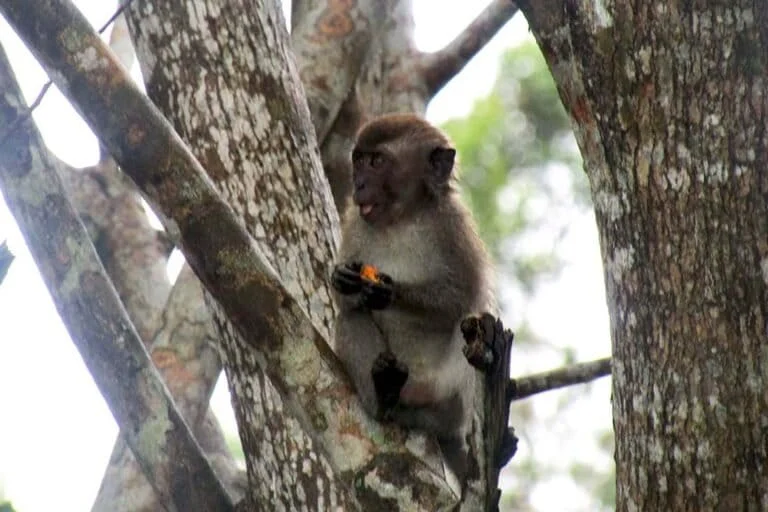
The AfA Macaque Coalition, a prominent collaborative network operating under the umbrella of Asia for Animals (AfA), officially launched the World Macaque Week 2026 global campaign, scheduled to run from May 1 to May 7. This year’s campaign, centered on the theme "Respect Their Nature," seeks to elevate global understanding of macaque behavioral patterns while advocating for more robust legal and environmental protections for these primates. As the world’s most widely distributed non-human primate genus, macaques occupy a unique and often precarious position in the intersection of wildlife conservation and human development. The campaign serves as a critical intervention point for a genus that is increasingly under fire from habitat loss, illegal trade, and the complexities of human-wildlife conflict.
Amanda Faradifa, a representative of the AfA Macaque Coalition, emphasized during the launch on Saturday, May 2, 2026, that the familiarity of macaques to human populations often masks the severity of the crisis they face. Macaques are found across a staggering range of environments, from the snow-capped mountains of Japan to the cedar forests of Morocco and the tropical rainforests of Southeast Asia. Their adaptability has allowed them to persist in diverse habitats, including urban centers, tourist attractions, and sacred cultural sites. However, this proximity to humans has become a double-edged sword, leading to widespread exploitation and a decline in wild populations. Faradifa noted that despite their ubiquity, more than half of the 23 recognized macaque species are currently categorized as threatened with extinction by the International Union for Conservation of Nature (IUCN).
The State of Global Macaque Populations: A Growing Crisis
The launch of World Macaque Week 2026 comes at a time when the conservation status of several macaque species has reached a tipping point. For decades, many macaque species, particularly the Long-tailed Macaque (Macaca fascicularis) and the Southern Pig-tailed Macaque (Macaca nemestrina), were considered common and of "Least Concern." However, a drastic reassessment in recent years has seen these species moved to "Endangered" status due to rapid population declines. The primary drivers of this decline are multifaceted, involving large-scale habitat destruction for agriculture and industrial projects, as well as the pervasive illegal wildlife trade.
In many regions, infant macaques are targeted for the exotic pet trade. The process is inherently violent, often involving the killing of the mother to capture the nursing young. These animals are then sold through social media platforms and underground markets, a practice that not only decimates wild populations but also results in high mortality rates during transport. Furthermore, the rise of "monkey tourism" has led to the commodification of these animals. In many parts of Asia, macaques are forced to perform in street spectacles or are used as props for tourist photographs, environments that are entirely contrary to their natural social structures and biological needs.
The Human Factor: Perception and Legal Loopholes
One of the most significant hurdles in macaque conservation is the prevailing public perception of the species. Unlike charismatic megafauna such as tigers or orangutans, macaques are often viewed as pests or "nuisance animals" due to their frequent interactions with human settlements. Ilham Kurnia, Program Manager of The Long-Tailed Macaque Project, highlighted that the challenges on the ground are deeply rooted in human behavior and the limitations of current regulatory frameworks. Speaking on Sunday, May 3, 2026, Kurnia explained that the lack of protective status for many macaque populations creates a dangerous "valuation gap."
When a species is not legally protected, there is a common misconception among the public that the animals do not require ethical treatment or conservation efforts. This lack of status often leads to aggressive "pest control" measures, where macaques are poisoned, trapped, or shot by residents or farmers without legal consequence. Kurnia pointed out that the current infrastructure for monitoring and enforcing wildlife regulations is often insufficient to prevent these acts. The result is a cycle of violence where macaques, losing their natural food sources to deforestation, enter human areas to survive, only to be met with hostility.
Economic Implications and Agricultural Conflict
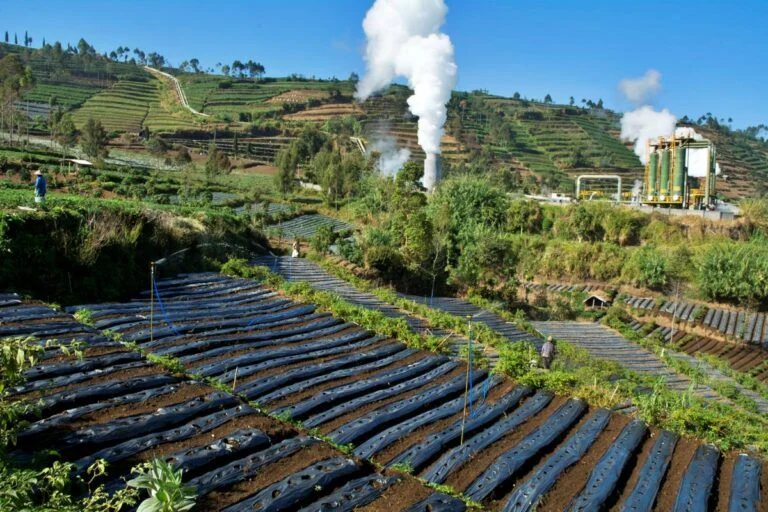
The conflict between humans and macaques is not merely an environmental issue; it is a socio-economic one. For rural communities and small-holder farmers, the presence of macaques in agricultural fields can represent a significant financial burden. Damage to crops such as corn, fruit, and oil palm can threaten the livelihoods of families who have little to no insurance against such losses. In this context, World Macaque Week 2026 advocates for solutions that address the economic realities of those living alongside macaques.
Experts argue that education alone is insufficient if it is not paired with practical, science-based mitigation strategies. These include the implementation of "buffer zones"—transitional areas between forests and farms planted with natural food sources that keep macaques within the forest perimeter. Additionally, providing alternative economic models for communities, such as community-led eco-tourism that focuses on observation rather than interaction, can help shift the perception of macaques from "pests" to "assets."
Macaques as Ecosystem Engineers
To counter the narrative of macaques as nuisances, primatologists are emphasizing their vital role in maintaining forest health. Fahma Wijayanti, a lecturer in Primatology at UIN Jakarta, describes macaques as "ecosystem engineers." This term refers to their ability to significantly alter and maintain their environment through their natural behaviors. As they move through the canopy and forest floor, macaques perform functions that are essential for forest regeneration.
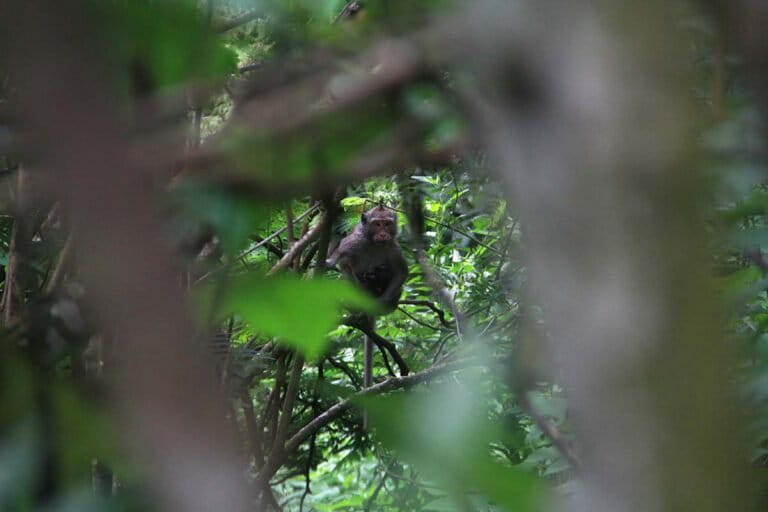
Macaques are prolific seed dispersers. By consuming fruit and defecating seeds as they travel, or by dropping seeds and fruit fragments from the canopy, they facilitate the growth of new trees across large areas. Furthermore, their habit of breaking branches and thinning out certain parts of the canopy allows sunlight to reach the forest floor, stimulating the growth of understory plants. This dynamic process ensures the diversity and resilience of the ecosystem. Wijayanti warned that without the presence of macaques, the natural cycle of forest regeneration could be severely compromised, leading to long-term declines in biodiversity that would eventually affect human water supplies and climate regulation.
A Science-Based Path Forward: Landscape and Behavioral Ecology
The 2026 campaign is pushing for a shift toward science-based management of macaque populations. This involves two primary disciplines: behavioral ecology and landscape ecology. By understanding the specific behavioral patterns of different macaque troops—such as their feeding times, social hierarchies, and movement corridors—researchers can identify high-risk zones for conflict. This data allows for the design of more effective mitigation strategies, such as the strategic placement of deterrents or the timing of agricultural activities to avoid peak macaque activity.
Landscape ecology offers a macro-level solution by focusing on the design of human-dominated landscapes. As urban areas expand, they often fragment macaque habitats into isolated pockets. Creating wildlife corridors that allow troops to move between forest patches without entering residential areas is a key goal of modern conservationists. The design of "buffer zones" mentioned earlier falls under this category, providing a managed space where macaques can find sustenance without crossing the threshold into human territory.
Analysis of Global Implications
The plight of the macaque is a microcosm of the global biodiversity crisis. The transition of species like the Long-tailed Macaque from common to endangered serves as a warning that no species is immune to the pressures of the Anthropocene. If a genus as adaptable and widespread as Macaca is facing extinction in over 50% of its species, it indicates a systemic failure in how humans manage natural resources and land use.
The AfA Macaque Coalition’s 2026 campaign is not just about saving a single genus; it is about redefining the human-wildlife relationship. The "Respect Their Nature" theme calls for a move away from the anthropocentric view that animals only have value if they are useful or aesthetically pleasing to humans. Instead, it promotes a model of coexistence based on ecological reality and mutual respect.
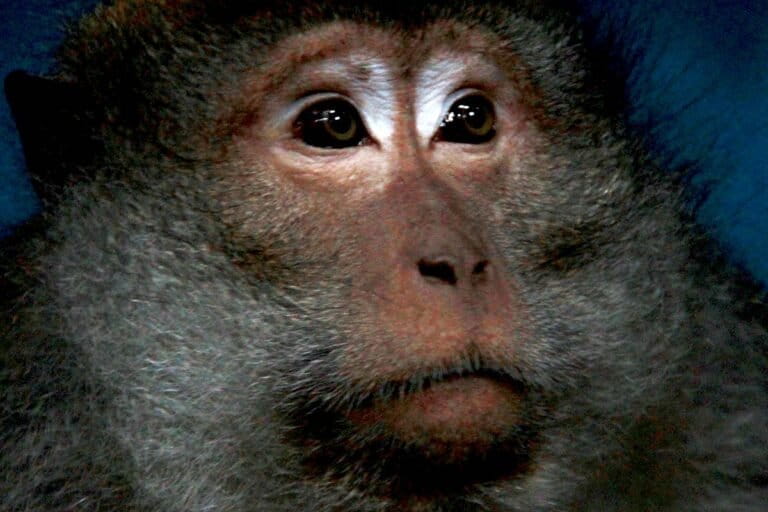
The campaign’s focus on Indonesia is particularly pertinent. As one of the world’s biodiversity hotspots, Indonesia is home to numerous endemic macaque species, such as the Celebes Crested Macaque (Macaca nigra). The country’s rapid industrialization—including the expansion of nickel mining in regions like Morowali—has placed immense pressure on these primates. The loss of habitat in these industrial zones often leads to increased conflict, as displaced animals have nowhere else to go.
Chronology of Conservation Efforts Leading to 2026
The road to World Macaque Week 2026 has been marked by several key milestones in primate conservation:
- 2022: The IUCN officially reclassified the Long-tailed Macaque and the Southern Pig-tailed Macaque as "Endangered," sparking a global outcry and a call for increased trade monitoring.
- 2023: CITES (the Convention on International Trade in Endangered Species of Wild Fauna and Flora) intensified its scrutiny of the trade in macaques for biomedical research, following reports of widespread laundering of wild-caught animals as captive-bred.
- 2024: Regional coalitions in Asia began lobbying for national laws to grant specific protections to "common" macaques, arguing that their ecological role justifies legal safeguarding.
- 2025: A series of high-profile human-macaque conflict incidents in urban centers across Southeast Asia led to the development of the first comprehensive "Coexistence Guidelines" by the AfA Macaque Coalition.
- 2026 (May 1-7): The launch of the current global campaign, aiming to consolidate these efforts into a unified movement for systemic change.
Conclusion: A Call for Systemic Change
As World Macaque Week 2026 progresses, the message from the AfA Macaque Coalition and its partners is clear: the survival of macaques depends on a fundamental shift in human perspective. Protecting these primates requires more than just stopping the illegal trade; it requires a commitment to preserving the integrity of their habitats and acknowledging their right to exist in their natural state.
The campaign concludes that the "Respect Their Nature" philosophy must be integrated into government policy, urban planning, and agricultural management. By viewing macaques not as rivals for space or resources, but as essential partners in the maintenance of the planet’s health, a path toward harmony can be established. The success of these efforts will be measured not only by the stabilization of macaque populations but by the health of the ecosystems they engineer and the resilience of the communities that share their landscape.