Chalifah Fatihah
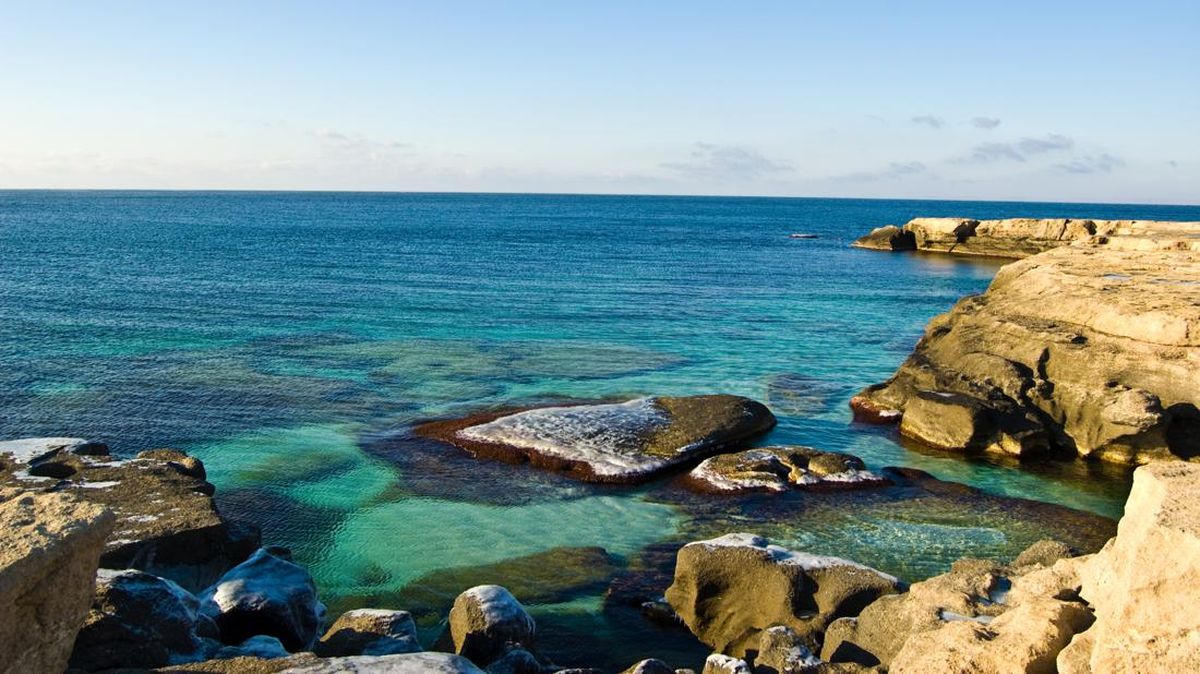
From the staggering number of over 304 million lakes dotting our planet, one stands apart as an unparalleled giant. Its sheer immensity has led to its frequent classification as an inland sea, and it is known globally as the Caspian Sea. Spanning an astounding surface area of 386,400 square kilometers, the Caspian Sea’s size is comparable to that of Japan, making it the largest lake in the world by surface area. This colossal body of water presents a unique geographical phenomenon, straddling the geographical divide between Europe and Asia, and its vast expanse is bordered by five nations: Kazakhstan, Russia, Azerbaijan, Iran, and Turkmenistan.
The Caspian Sea’s distinctive characteristics extend beyond its size and continental overlap. Its surface lies approximately 27 meters below global sea level, a geographical anomaly that contributes to its unique hydrological and ecological profile. This immense lake holds a significant portion of the world’s total lake water, containing an estimated 44 percent. To put its scale into further perspective, the Caspian Sea is nearly five times larger than Lake Superior, the largest of the Great Lakes of North America, which covers an area of 82,000 square kilometers. Despite its name and oceanic characteristics, the Caspian Sea is, by definition, a landlocked lake, a crucial distinction in understanding its ecological dynamics and geopolitical significance.
A Hydrological Marvel with Ancient Roots
The Caspian Sea’s freshwater sustenance is primarily provided by the Volga River, Europe’s longest river. This massive influx of freshwater from the Volga, along with contributions from over 130 other rivers, including the Ural and Kura rivers, results in water that is considerably fresher than that of open oceans, although it does retain a degree of salinity. Geologically, the Caspian Sea is an ancient body of water, believed to be around 30 million years old. Its isolation from the world’s oceans began approximately 5.5 million years ago, a process that has shaped its unique evolutionary trajectory and the species that inhabit it.
A Reservoir of Biodiversity and Economic Wealth
Beyond its immense geographical presence, the Caspian Sea is a vital hub for both biodiversity and economic activity. It serves as the habitat for an estimated 850 species of animals and 500 species of plants, many of which are endemic to the region. Notable among these are the Caspian seal, the only marine mammal found in the lake, and the sturgeon, renowned for producing the world’s finest caviar. The economic importance of the Caspian Sea cannot be overstated. The region is rich in oil and natural gas reserves, making it a strategically significant area for global energy markets. Major cities situated along its shores, such as Baku, the capital of Azerbaijan, Astara in Iran, and Atyrau in Kazakhstan, are centers of economic activity, heavily reliant on the resources and trade facilitated by the sea. Baku, in particular, stands as the largest city on the Caspian coast, a testament to its historical and contemporary importance.
Mounting Environmental Pressures Threaten a Global Treasure
Despite its resilience and ecological significance, the Caspian Sea is currently facing unprecedented environmental threats. Pollution stemming from extensive oil and gas industrial activities, along with the construction of dams on rivers that feed into the sea, has severely disrupted its delicate ecosystem. These human-induced pressures have led to a decline in fish populations, including the critically important sturgeon, and have impacted the health of other endemic species.
A more alarming and potentially catastrophic threat looms on the horizon: climate change. Recent scientific reports indicate that global warming is projected to cause a significant decrease in the Caspian Sea’s water levels, with estimates suggesting a drop of between 9 to 18 meters. Such a drastic reduction in depth would lead to a substantial shrinkage of the lake’s surface area, with profound and far-reaching consequences.
Implications of a Shrinking Caspian Sea
The potential shrinking of the Caspian Sea carries a multitude of implications, extending beyond environmental concerns to impact the geopolitical and economic stability of the region.
Ecological Devastation:
A significant reduction in water volume would lead to a drastic decrease in habitat availability for the diverse flora and fauna that call the Caspian Sea home. Endemic species, already under pressure from pollution, would face an even greater risk of extinction. The unique ecological balance that has evolved over millennia would be irrevocably altered. This could have cascading effects on the food web, impacting not only marine life but also bird populations that rely on the Caspian ecosystem for sustenance and breeding.
Economic Disruption:
The oil and gas industry, a cornerstone of the economies of several Caspian littoral states, would be significantly affected. Reduced water levels could impact offshore drilling operations, transportation routes, and the infrastructure associated with resource extraction. Furthermore, the fishing industry, particularly the lucrative caviar trade, would suffer immensely as sturgeon populations dwindle and their spawning grounds are compromised. Coastal communities, many of which are heavily dependent on fishing and tourism related to the sea, would face severe economic hardship.
Geopolitical Ramifications:
The Caspian Sea is a region of complex geopolitical relationships, with the five bordering nations sharing common interests and potential points of contention. A shrinking sea could exacerbate existing disputes over resource rights, territorial waters, and navigation. The diminishing water resources might also lead to increased competition and potential friction between these nations. The legal status of the Caspian Sea itself—whether it is classified as a lake or a sea—has been a long-standing point of negotiation, and a significant reduction in its size could reignite these debates and complicate international agreements.
Infrastructure and Coastal Communities:
A substantial drop in water levels would expose large areas of dry land along the coast, potentially rendering existing ports and infrastructure unusable or requiring significant and costly adaptations. Coastal cities and towns might find themselves further inland, necessitating extensive planning for adaptation and relocation in some instances. The socioeconomic impact on these communities, who have built their lives and livelihoods around the current coastline, would be immense.
Historical Context and International Efforts
The Caspian Sea’s status as an inland body of water has been a subject of international discussion and negotiation for decades, particularly following the dissolution of the Soviet Union in 1991. The five littoral states have engaged in numerous discussions to define maritime boundaries, allocate resources, and establish cooperative frameworks for environmental protection. The Convention on the Legal Status of the Caspian Sea, signed in 2018, was a landmark agreement aimed at resolving many of these outstanding issues, establishing principles for the division of the seabed and subsoil, and promoting cooperation on security and environmental matters.
However, the challenges posed by climate change and pollution underscore the need for enhanced and more robust international cooperation. The scientific community has been vocal in its calls for urgent action, emphasizing the interconnectedness of the Caspian ecosystem and the shared responsibility of the bordering nations to protect this vital resource. Initiatives focused on reducing pollution, restoring degraded habitats, and developing sustainable resource management practices are crucial.
The Path Forward: A Call for Collective Action
The future of the Caspian Sea, the world’s largest lake, hangs precariously in the balance. Its colossal size and unique position bridging continents make it a natural wonder of immense value. However, the mounting pressures from pollution and, most critically, the existential threat posed by climate change, demand immediate and concerted action. The projected decline in water levels is not merely an environmental concern; it is a multifaceted challenge with profound economic, social, and geopolitical implications for the region and beyond.
The scientific consensus is clear: without significant global efforts to mitigate climate change and robust regional initiatives to address pollution and unsustainable resource management, the Caspian Sea faces a future of diminished grandeur and ecological instability. The current trajectory suggests a future where this magnificent inland sea could shrink dramatically, impacting biodiversity, livelihoods, and regional stability. The urgent need for collaborative conservation efforts, sustainable development strategies, and a global commitment to addressing the root causes of climate change has never been more apparent. The fate of the Caspian Sea serves as a stark reminder of humanity’s interconnectedness with the natural world and the critical importance of safeguarding our planet’s most precious resources for future generations.