Chalifah Fatihah
The act of dining or enjoying a coffee alone in a public space, once potentially fraught with social anxiety, is now being redefined and celebrated, particularly across social media platforms. This burgeoning trend, dubbed the "solo table theory," represents a conscious choice to embrace solitude, disconnect from digital distractions, and find comfort in one’s own company. Once perceived as a sign of loneliness, the solo table experience is increasingly being framed as an act of self-empowerment and mindful presence.
This phenomenon has gained significant traction on platforms like TikTok and Instagram, where individuals are actively sharing their experiences of enjoying meals, coffee breaks, or simply moments of quiet reflection without the accompaniment of others or the constant interruption of their mobile devices. Far from depicting a sense of isolation, these shared moments often convey an aura of calm, self-possession, and deliberate control over one’s time and emotional state. In an era characterized by hyper-connectivity and the relentless pursuit of external validation, the solo table theory offers a refreshing counter-narrative, presenting solitude not as a deficit, but as a valuable and chosen lifestyle.
Historically, the societal pressure to always be accompanied in public spaces has been palpable. Sitting alone in a cafe or restaurant could often elicit sympathetic glances or unspoken assumptions of social isolation. This perceived stigma fostered an environment where individuals felt compelled to either secure a companion for outings or feign engagement with their phones to appear less vulnerable or approachable. This societal expectation, deeply ingrained in many cultures, often overlooked the potential benefits of spending time alone, such as introspection, self-discovery, and genuine relaxation.
Understanding the Solo Table Theory
At its core, the solo table theory is about cultivating a sense of ease and contentment when occupying a table by oneself, free from the need for external companionship or validation. As articulated in discussions on platforms like Medium, it represents a profound act of self-respect and an acknowledgment that not every moment requires sharing or affirmation from others. This concept resonates deeply, particularly with younger generations who are navigating the complexities of demanding work environments, heightened societal expectations, and the pervasive influence of social media.
The constant barrage of work-related demands and the pressure to conform to societal norms can often leave individuals with precious little time for themselves. The solo table theory emerges as a potent antidote to this perpetual busyness, offering a structured way to reclaim personal time and space. Witnessing others comfortably engage in solitary activities in public spaces can be remarkably liberating, signaling that it is indeed acceptable and even beneficial to spend time alone. This is particularly relevant in the age of social media, where the inclination to document and share every aspect of life can overshadow the value of quiet, unobserved moments.
It is crucial to emphasize that the solo table theory is not an endorsement of social withdrawal or a rejection of meaningful relationships. On the contrary, many proponents of this philosophy maintain active social lives, cherishing their friendships and family connections. The distinction lies in their newfound independence from needing constant company to feel fulfilled or to engage in activities. They can now enjoy a solo dinner without feeling a sense of lack, or explore a new city without the prerequisite of waiting for a friend to join them. This self-reliance fosters a deeper sense of personal agency and contentment.
Roots in Travel and Self-Discovery
The genesis of many solo table theory narratives can be traced back to the experiences of solo travelers. When venturing into unfamiliar cities, unburdened by the expectations of those who know them, individuals often find a unique freedom to simply be themselves. In these new environments, devoid of pre-existing social dynamics, the act of sitting alone in a cafe can feel more vibrant and authentic than the often-distracting routines of daily life. It is in these moments of unadulterated solitude that many report feeling a deeper connection, not with others, but with their own inner selves.
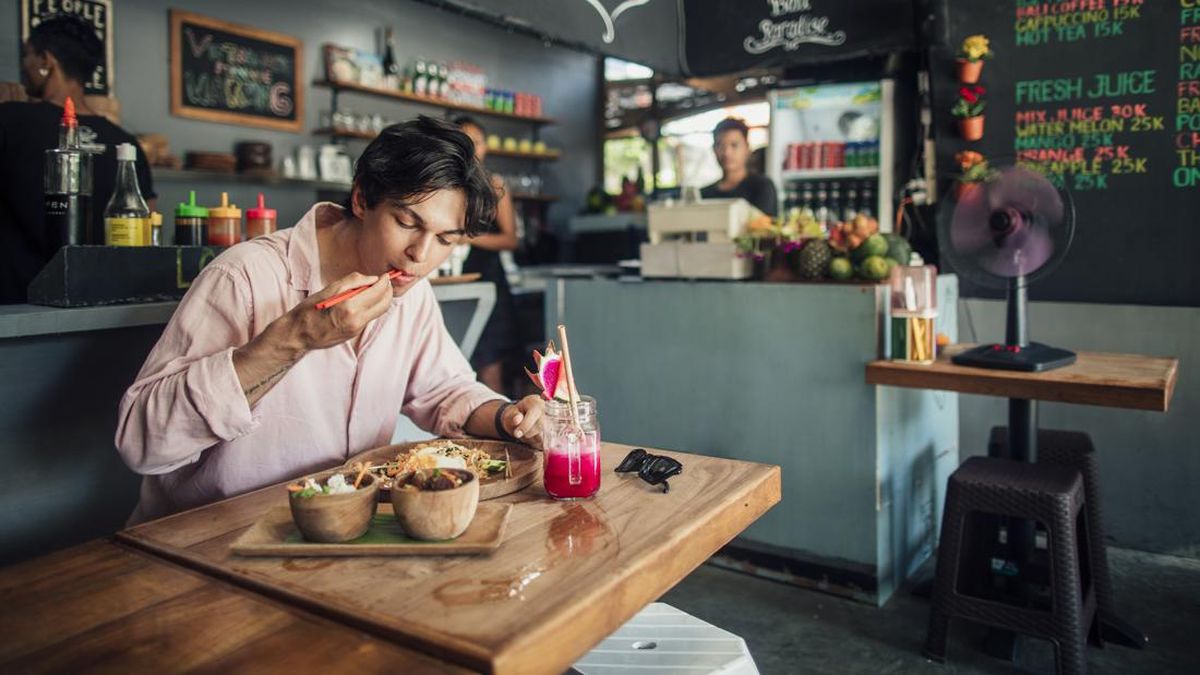
The initial transition to solo dining or public solitude can, for many, be accompanied by a degree of awkwardness. This might manifest as a feeling of being observed, uncertainty about where to direct one’s gaze, or simply an unfamiliarity with the sensation of being unengaged in conversation. However, with practice and a conscious shift in mindset, this discomfort often gives way to a profound sense of enjoyment. Without the demands of conversation or the constant ping of notifications, the mind becomes clearer. The sensory experience of the moment intensifies; the nuanced flavors of coffee, the ambient sounds of the environment, even the rhythm of one’s own breathing, become more palpable and appreciated.
Broader Implications and the Evolution of Self-Care
While seemingly a simple practice, the solo table theory signifies a more profound evolution in how individuals perceive happiness and self-worth. It challenges the long-held notion that joy is inherently an external construct, dependent on the presence or approval of others. For some, embracing the solo table theory is a deliberate act of self-care, a way to nurture their mental and emotional well-being. For others, it serves as a potent tool for introspection and deeper self-understanding. Regardless of the specific motivation, this trend encourages a pause, a moment of deliberate engagement with life as it unfolds, unmediated by the need for external validation.
The rise of the solo table theory is also indicative of a broader societal shift, particularly among younger demographics, towards prioritizing mental health and personal well-being. The increasing prevalence of discussions around mindfulness, self-compassion, and setting healthy boundaries all contribute to an environment where embracing solitude is no longer viewed with suspicion, but with growing understanding and even admiration. As more individuals share their positive experiences with solo activities, it normalizes these practices and encourages others to step outside their comfort zones and explore the benefits of their own company.
The psychological underpinnings of this trend are also worth exploring. The ability to be comfortable with oneself, even in the absence of external stimulation, is a hallmark of emotional maturity. It suggests a well-developed sense of self-identity and a reduced reliance on external validation for self-esteem. In an era where social comparison is rife, the solo table theory offers a sanctuary from the constant pressure to measure up to idealized portrayals of others’ lives. It is an invitation to connect with one’s authentic self, to appreciate the present moment, and to recognize that contentment can indeed be found within.
Furthermore, the solo table theory can be viewed as a practical application of mindfulness principles. By deliberately focusing on the sensory experience of eating or drinking, and by consciously disengaging from digital distractions, individuals can cultivate a deeper appreciation for the present moment. This heightened awareness can extend beyond the cafe or restaurant, fostering a more engaged and appreciative approach to everyday life. The ability to find joy in simple, solitary activities can significantly contribute to overall life satisfaction and resilience in the face of adversity.
The economic implications of this trend are also noteworthy. As more individuals embrace solo dining, restaurants and cafes may need to adapt their offerings and ambiance to cater to this growing demographic. This could include more intimate seating arrangements, menus that are well-suited for single diners, and perhaps even initiatives that encourage a more relaxed and less rushed dining experience for those dining alone. The rise of the solo table theory could, in fact, lead to a more diverse and inclusive public dining scene.
While the trend has gained significant momentum, its long-term impact will depend on its continued integration into societal norms. As more people openly embrace and advocate for the solo table theory, it is likely to become an even more accepted and celebrated aspect of modern life. The ability to be truly comfortable in one’s own company is a valuable life skill, one that fosters independence, self-reliance, and a deeper understanding of oneself. The solo table theory, in its elegant simplicity, offers a pathway to cultivating these essential qualities, empowering individuals to find peace and fulfillment in the quiet moments of life. The question remains: are you ready to set your own table and savor the experience?