Tyo Susilo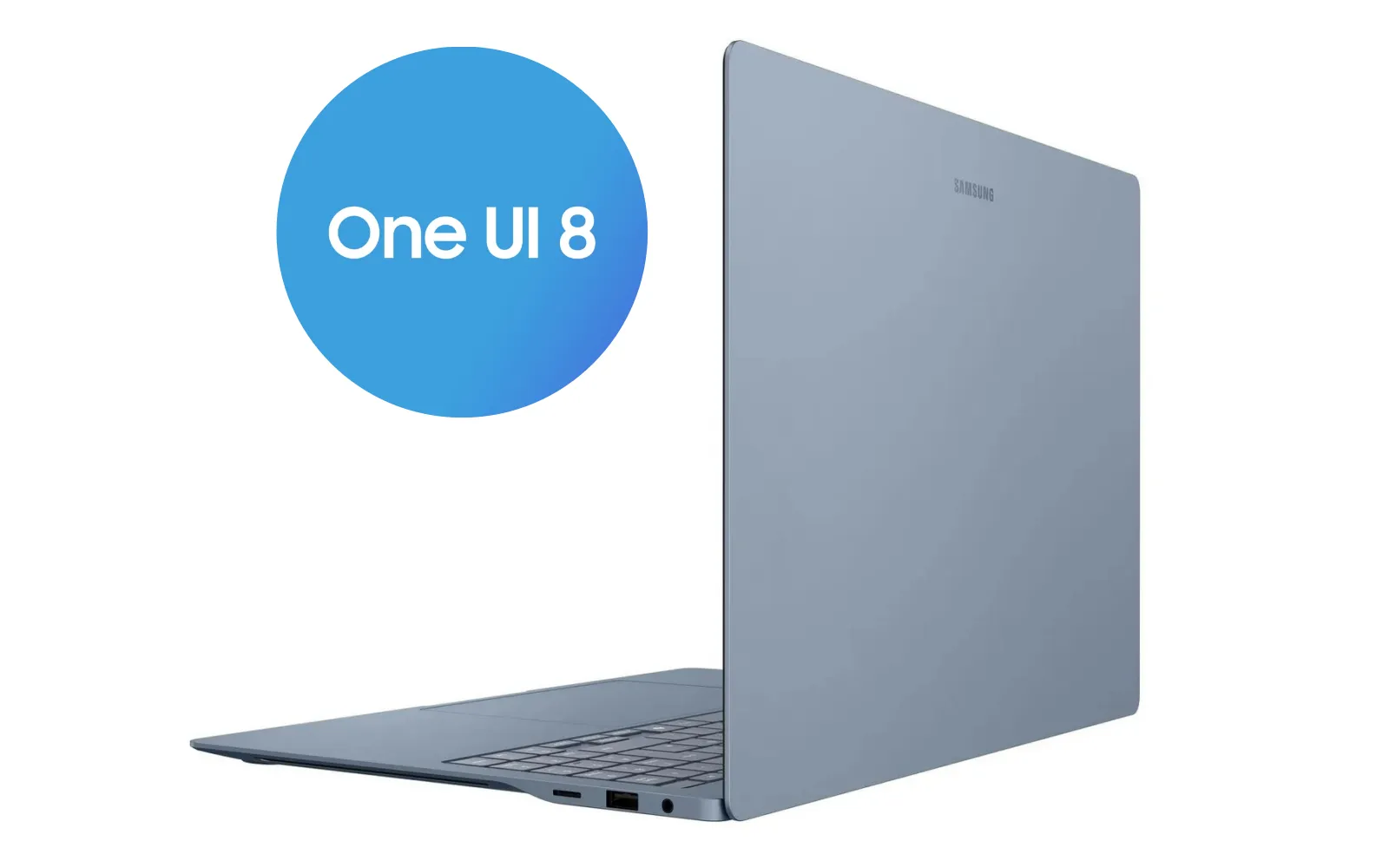
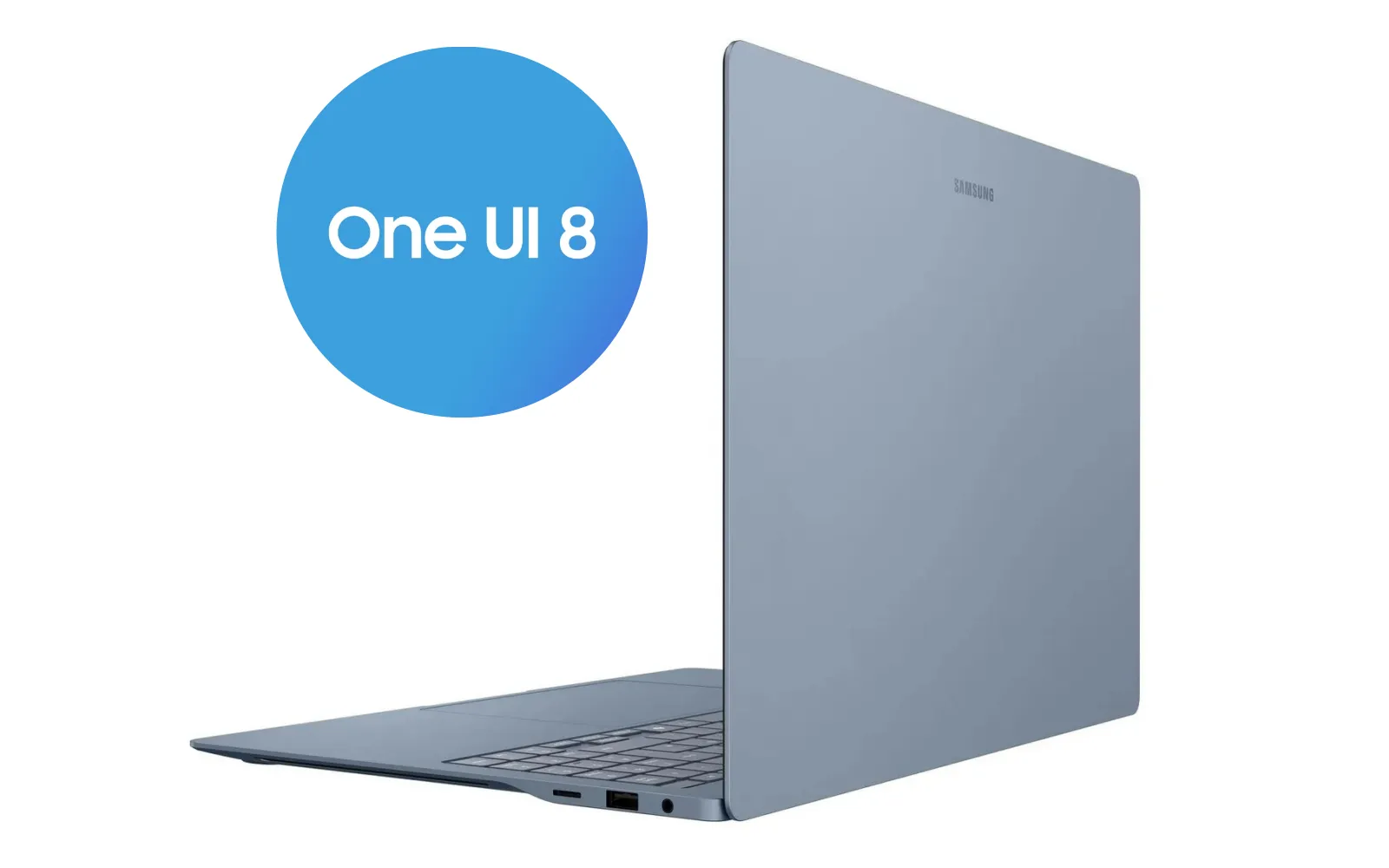
Samsung is reportedly preparing to extend its acclaimed One UI interface, a staple of its Android smartphones, to its laptop offerings, signaling a significant strategic shift that could redefine the user experience for its portable computing devices. This move, if realized, is expected to bring a more cohesive and familiar interface across Samsung’s device ecosystem, potentially leveraging the ongoing evolution of ChromeOS.
The Convergence of Mobile and Desktop: A New Era for Galaxy Books
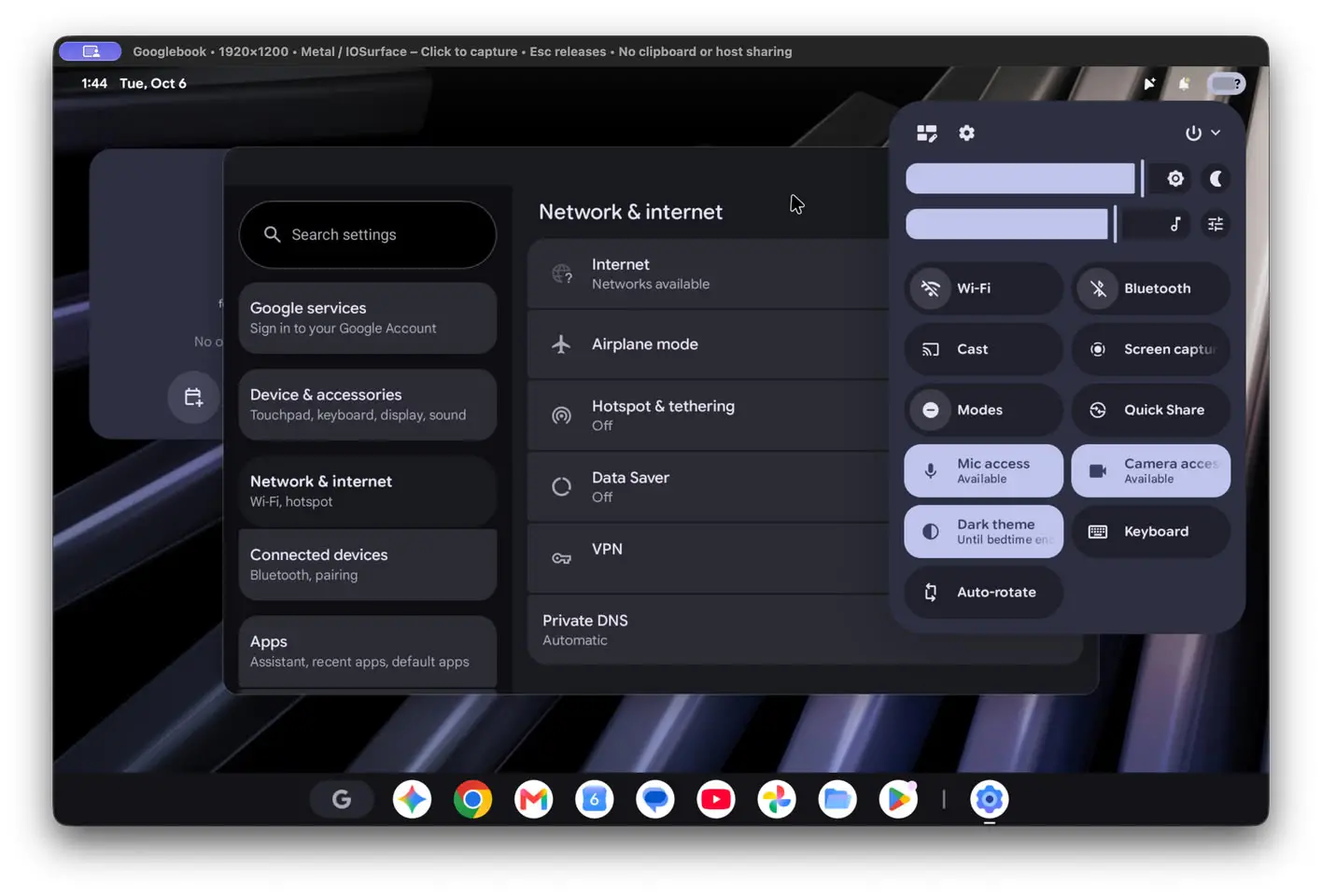
The initial reports suggest that this integration is closely tied to Google’s ambitious "Project Aluminium OS," an initiative aimed at merging the capabilities of ChromeOS with the vast ecosystem of Android applications. For Samsung, a company that has already established a presence in the ChromeOS market with its Galaxy Chromebook line, this development presents a compelling opportunity. Instead of relying solely on the standard ChromeOS "skin," future Galaxy Book devices built on the foundation of Aluminium OS could adopt One UI as their primary user interface. This would allow Samsung to imbue its laptops with the distinct visual language and functional nuances that have made One UI a popular choice among its smartphone users.
The historical context for this potential transition is rooted in Samsung’s long-standing relationship with Google and its commitment to the Android platform. Samsung has consistently been at the forefront of Android device innovation, and its development of One UI has been a key differentiator, offering a refined and feature-rich user experience. By bringing this familiar interface to laptops, Samsung aims to bridge the gap between mobile and desktop computing, fostering a more seamless transition for users who navigate between different Samsung devices throughout their day.
A Strategic Leap: Leveraging Android’s Strengths on a Larger Canvas
The rationale behind this move appears to be multi-faceted. Firstly, it capitalizes on the growing strength and maturity of the Android operating system and its extensive application library. By adopting a unified UI across devices, Samsung can enhance user familiarity and reduce the learning curve for those transitioning from a Galaxy smartphone to a Galaxy Book. This is particularly relevant given the increasing convergence of computing tasks, where users often expect similar functionalities and interfaces regardless of the device they are using.
Secondly, the integration of One UI on laptops could be seen as a strategic response to the evolving landscape of operating systems. While ChromeOS has gained traction for its cloud-centric approach and simplicity, the ongoing integration with Android applications through the Google Play Store has broadened its appeal. Project Aluminium OS represents a more profound step in this direction, and Samsung’s adoption of One UI suggests a belief that this blended approach will offer a superior user experience. It allows Samsung to retain its brand identity and provide a customized experience that goes beyond the standard ChromeOS offering.
Potential Features and User Experience: A Familiar Yet Enhanced Interface
While specific details remain scarce, it is anticipated that the One UI experience on laptops will mirror the sophisticated design and intuitive navigation familiar to Samsung smartphone users. This could translate to a desktop-like interface, akin to an enhanced version of Samsung DeX, which allows users to project their smartphone interface onto a larger screen for a desktop-like experience. The core principle would be to offer a visually appealing and functional environment that feels both familiar and optimized for laptop use.
One of the most significant potential benefits of this integration is the enhanced interoperability between Samsung devices. With a shared operating system base (Android) and a unified user interface (One UI), the seamless transfer of data, applications, and settings between Galaxy smartphones, tablets, and now laptops, could be significantly improved. This could lead to a more fluid workflow for users, enabling them to start a task on one device and seamlessly continue it on another. The potential for a truly interconnected Samsung ecosystem is immense.
Furthermore, the inclusion of Galaxy AI features, which have been a major selling point for recent Samsung smartphones, is highly probable. These AI-powered capabilities, such as real-time translation, advanced photo editing, and intelligent task management, could bring a new level of productivity and convenience to the laptop experience. The synergy between a powerful AI suite and a familiar, user-friendly interface could position these new Galaxy Books as highly competitive offerings in the premium laptop segment.
Market Implications and Competitive Landscape: A Bold Move by Samsung
The implications of Samsung bringing One UI to laptops are significant for the broader consumer electronics market. It signals a bold move to differentiate its laptop offerings in an increasingly competitive landscape. By offering a unique software experience that is deeply integrated with its smartphone ecosystem, Samsung could attract users who are already invested in the Samsung brand and value the convenience of cross-device compatibility.
This strategy could also put pressure on other laptop manufacturers to enhance their software offerings and explore more integrated user experiences. The success of Samsung’s initiative might encourage a broader trend towards unifying user interfaces across different device categories, blurring the lines between mobile and desktop computing even further.
The market for laptops has seen various attempts at integrating mobile-like experiences. Microsoft’s Windows has evolved significantly, incorporating features and design elements that aim for a more touch-friendly and connected experience. However, the deep integration that Samsung is poised to achieve, leveraging its proprietary One UI on an Android-based system, represents a distinct approach.
Timeline and Future Outlook: Anticipating a Late 2024 Debut
While no official launch date has been confirmed, industry speculation suggests that these new Galaxy Books featuring One UI could be unveiled before the end of the current year. This timeline aligns with Samsung’s typical product release cycles and allows ample time for development and testing of the new integrated software experience.
The initial rollout is expected to encompass a range of models, from mid-range devices to high-end flagship configurations. This broad approach would ensure that the new One UI-powered laptops cater to a diverse customer base with varying budget and performance requirements. The focus on flagship models, in particular, would allow Samsung to showcase the full potential of the integrated AI and One UI features.
The development of Project Aluminium OS itself is a crucial factor. If Google’s initiative successfully merges the strengths of ChromeOS and Android, it will provide a robust and flexible platform for Samsung and other manufacturers to build upon. The success of Samsung’s One UI integration will, therefore, be intrinsically linked to the maturity and stability of this new operating system.
Expert Analysis and Anticipated Reception
Industry analysts are watching this development with keen interest. "This move by Samsung could be a game-changer if executed well," commented [Fictional Analyst Name], a senior tech analyst at [Fictional Research Firm]. "The current fragmentation in laptop user experiences can be a barrier for many users. A consistent, familiar, and feature-rich interface like One UI, especially when coupled with the power of Galaxy AI, could offer a compelling value proposition. The key will be ensuring that the laptop implementation of One UI is not just a cosmetic change but offers genuine functional enhancements for productivity and multitasking."
The reception from consumers will likely be shaped by several factors, including the actual performance of the devices, the intuitiveness of the One UI implementation on a larger screen, and the perceived benefits of the integrated AI features. Early adopters and loyal Samsung customers are likely to be most receptive, given their existing familiarity with the One UI ecosystem. However, broader market acceptance will depend on Samsung’s ability to clearly communicate the advantages of this new approach and demonstrate its practical value in everyday computing.
Conclusion: A Bold Step Towards Ecosystem Unification
Samsung’s reported initiative to bring One UI to its laptops represents a significant and ambitious step towards creating a more unified and integrated device ecosystem. By leveraging the strengths of Android and its own refined user interface, the company aims to offer a computing experience that is both familiar and cutting-edge. While official confirmation and further details are awaited, the potential for enhanced user experience, seamless interoperability, and the integration of advanced AI features positions these upcoming Galaxy Books as noteworthy contenders in the evolving laptop market. The success of this endeavor could well set a new standard for cross-device integration and user interface design in the portable computing space.