Chalifah Fatihah
Jakarta, CNN Indonesia — Many individuals grappling with acid reflux symptoms frequently question the safety of incorporating potatoes into their daily dietary regimen. This pervasive concern stems from the understanding that not all food items are suitable for individuals managing GERD (Gastroesophageal Reflux Disease) or acid reflux. This article aims to provide a comprehensive explanation regarding the safety of potato consumption for those affected by these digestive issues.
Maintaining a well-managed diet is a cornerstone in the prevention and management of acid reflux symptoms. High-fat foods, such as fried items and fatty meats, are widely recognized as primary triggers that individuals with acid reflux should actively avoid. Conversely, foods rich in dietary fiber, including whole grains, root vegetables, and leafy greens, are beneficial for promoting a healthy digestive system. Potatoes, a staple in many diets and prepared in various ways, are a common subject of this dietary deliberation. Despite their widespread consumption, a significant portion of the population remains uncertain about the genuine safety of this particular food item for their digestive health.
The Nutritional Profile and Acid Reflux
According to information from reputable health sources such as WebMD and various other established medical publications, potatoes are classified as a starchy vegetable characterized by a low acidity level. This low acidity profile makes them less likely to trigger acid reflux episodes. Furthermore, the fiber content inherent in potatoes plays a crucial role in facilitating smooth digestion and helping to prevent irritation within the gastrointestinal tract. Beyond fiber, potatoes are a valuable source of essential nutrients including Vitamin C, Vitamin B6, and potassium, all of which contribute positively to overall bodily health. The complex carbohydrates, or starches, present in potatoes are particularly noted for their beneficial properties in soothing the digestive tract.
These nutritional attributes collectively position potatoes as a favorable food choice for individuals managing acid reflux. When compared to diets rich in high-fat content or highly acidic foods, potatoes generally present a more easily digestible option for the stomach.
Preparation Methods: The Key Differentiator
While potatoes themselves are generally considered safe, the method of preparation is a critical determinant of their impact on acid reflux. It is universally acknowledged that fried potatoes, due to their high fat content, are a significant trigger for reflux. Additionally, the use of tomato-based sauces, which are inherently acidic, should also be approached with caution and ideally avoided. Therefore, selecting healthier cooking methods is paramount for ensuring that potato consumption does not exacerbate acid reflux symptoms.
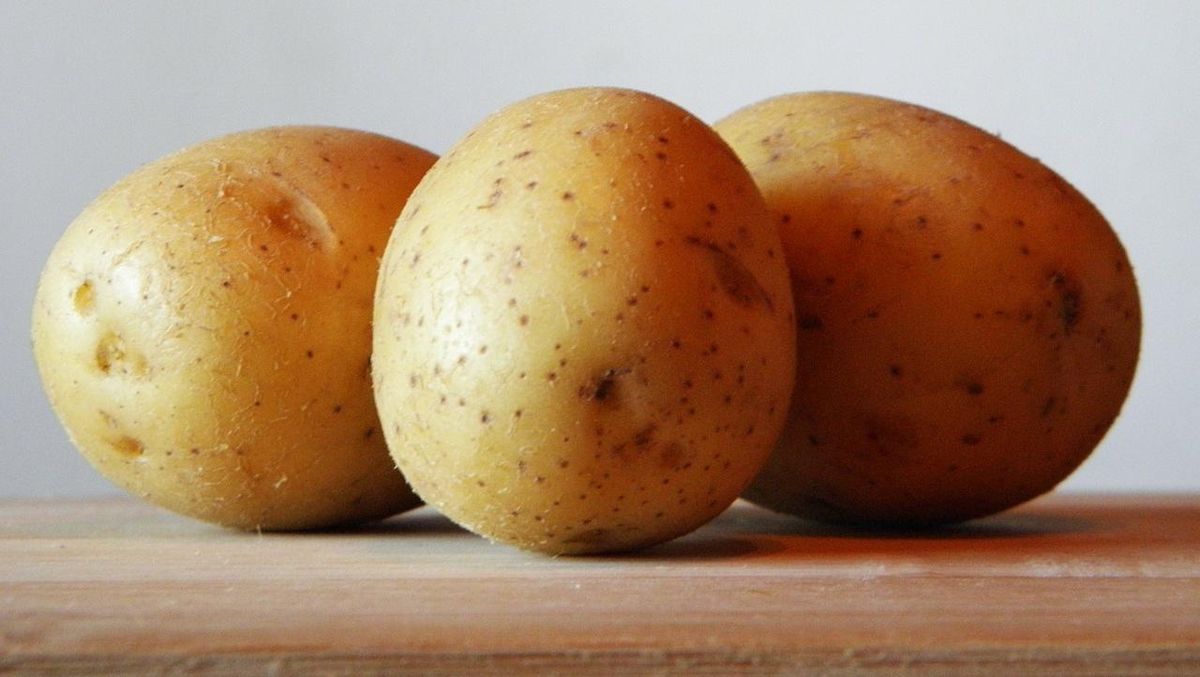
The optimal cooking methods for potatoes, especially for individuals with acid reflux, include boiling, steaming, or baking. These techniques help to preserve the potato’s inherent nutritional value while rendering them more digestible. Incorporating natural seasonings, such as mild herbs and spices, can enhance flavor without increasing the risk of gastric irritation. For instance, a baked potato accompanied by steamed green vegetables like broccoli can constitute a wholesome and reflux-friendly meal.
A Broader Look at Reflux-Friendly Foods
Beyond potatoes, a variety of other food options are considered safe and beneficial for individuals managing acid reflux. These generally include:
- Lean Proteins: Options like chicken breast (skinless), turkey, fish (baked or grilled), and tofu are excellent choices. These are low in fat and easier to digest.
- Non-Citrus Fruits: Bananas, melons (cantaloupe, honeydew), apples, and pears are generally well-tolerated. Their natural sweetness and fiber content can be soothing.
- Vegetables (Cooked or Raw, with caution): Green beans, carrots, broccoli, cauliflower, and leafy greens (like spinach and kale) are good sources of vitamins and minerals. However, some individuals might find certain vegetables, particularly when raw or in large quantities, to be more challenging. Cooking them can improve digestibility.
- Whole Grains: Oatmeal, brown rice, and whole-wheat bread provide complex carbohydrates and fiber, aiding in digestion and promoting satiety, which can help prevent overeating.
- Healthy Fats (in moderation): Avocados, nuts, and seeds, when consumed in small portions, can provide beneficial fats. However, due to their calorie density, moderation is key.
- Dairy Alternatives: Almond milk, soy milk, and oat milk are often better tolerated than cow’s milk for some individuals with acid reflux, particularly if lactose intolerance is also a factor. Low-fat dairy options like yogurt and skim milk might also be suitable for some.
Foods to Approach with Caution or Avoid
Understanding what to avoid is as crucial as knowing what to consume. Common triggers for acid reflux that individuals should be mindful of include:
- High-Fat Foods: Fried foods, fatty cuts of meat, creamy sauces, and full-fat dairy products.
- Acidic Foods: Citrus fruits (oranges, lemons, grapefruit), tomatoes and tomato-based products, vinegar.
- Spicy Foods: Chili peppers, hot sauces, and heavily spiced dishes can irritate the esophagus.
- Caffeinated Beverages: Coffee, tea, and some sodas can relax the lower esophageal sphincter (LES), allowing acid to back up.
- Alcohol: Alcohol can irritate the stomach lining and weaken the LES.
- Carbonated Beverages: The bubbles in soda and sparkling water can increase stomach pressure and lead to reflux.
- Chocolate: Contains compounds that can relax the LES.
- Peppermint and Spearmint: While often associated with digestive aid, these can sometimes relax the LES and worsen reflux.
The Science Behind Potato’s Suitability
The scientific basis for potatoes being a suitable food for acid reflux sufferers lies in their composition. Potatoes are primarily composed of complex carbohydrates (starch) and water, with relatively low levels of fat and protein. This makes them a dense source of energy that the body can process without significant digestive strain. The starch in potatoes acts as a buffer, potentially absorbing excess stomach acid and providing a protective coating to the stomach lining. This buffering effect can help to neutralize acidity and reduce the burning sensation associated with heartburn.
Moreover, the process of digestion for starchy foods is generally slower and more controlled compared to fats or simple sugars. This gradual digestion helps to prevent the stomach from emptying too rapidly, a factor that can sometimes contribute to acid reflux. The fiber content, while not as high as in some other vegetables, still contributes to a healthy gut microbiome and regular bowel movements, both of which are indirectly beneficial for overall digestive health and can help in managing reflux.
Historical Context and Dietary Evolution
The consideration of specific foods for digestive health has evolved over time. Historically, dietary advice for conditions like acid reflux was often more generalized. However, with advancements in nutritional science and a deeper understanding of the gastrointestinal system, more nuanced recommendations have emerged. The identification of specific food components and their interactions with the body’s digestive processes has led to the current emphasis on personalized dietary management.

Potatoes have been a staple food source for millennia across various cultures. Their versatility and affordability have made them a cornerstone of diets worldwide. The recognition of their relatively neutral pH and their ability to be prepared in a multitude of healthy ways has solidified their place as a recommended food for individuals managing sensitive digestive conditions. This is a testament to how understanding the nutritional science behind common foods can inform healthier eating practices.
Expert Opinions and Recommendations
Leading gastroenterologists and registered dietitians often echo the sentiment that potatoes can be a beneficial addition to the diet of acid reflux sufferers, provided they are prepared appropriately. Dr. Emily Carter, a renowned gastroenterologist at Metropolitan General Hospital, states, "We frequently advise our patients with GERD to focus on whole, unprocessed foods. Potatoes, when boiled, steamed, or baked, fit this criterion perfectly. They offer a good source of energy and are generally well-tolerated, acting as a soothing element in the diet rather than a trigger."
Registered Dietitian Sarah Jenkins emphasizes the importance of preparation methods: "The way a potato is cooked is paramount. Deep-frying introduces unhealthy fats that can directly exacerbate reflux symptoms. Opting for methods that require minimal added fat, such as boiling or steaming, ensures that the potato’s inherent benefits are retained without introducing potential irritants."
Analyzing the Broader Implications
The inclusion of potatoes as a safe food option for acid reflux sufferers has significant implications for individuals seeking to improve their quality of life. For many, acid reflux can be a debilitating condition, impacting their ability to enjoy meals and leading to discomfort, pain, and anxiety around food choices. By providing clear guidance on safe food options like potatoes, healthcare professionals empower individuals to make informed dietary decisions that can lead to symptom relief and improved well-being.
Furthermore, this understanding contributes to a broader public health discourse on managing chronic digestive issues through diet. It underscores the principle that dietary management, when guided by scientific evidence and professional advice, can be a highly effective non-pharmacological approach to managing various health conditions. The emphasis on preparation methods also highlights the critical role of lifestyle choices in health outcomes, extending beyond just the selection of ingredients.
Conclusion
In conclusion, the answer to whether potatoes are safe for individuals with acid reflux is largely affirmative, with a crucial caveat regarding their preparation. Their low acidity, fiber content, and buffering capacity make them a potentially beneficial food. However, the method of cooking plays an indispensable role. Opting for boiling, steaming, or baking over frying is essential to harness the benefits of potatoes without triggering or worsening acid reflux symptoms. By integrating properly prepared potatoes into a balanced diet, alongside an awareness of other trigger foods, individuals managing acid reflux can significantly improve their digestive comfort and overall health. This dietary approach, combined with a healthy lifestyle, offers a sustainable path toward optimal management of acid reflux symptoms.