Lina Irawan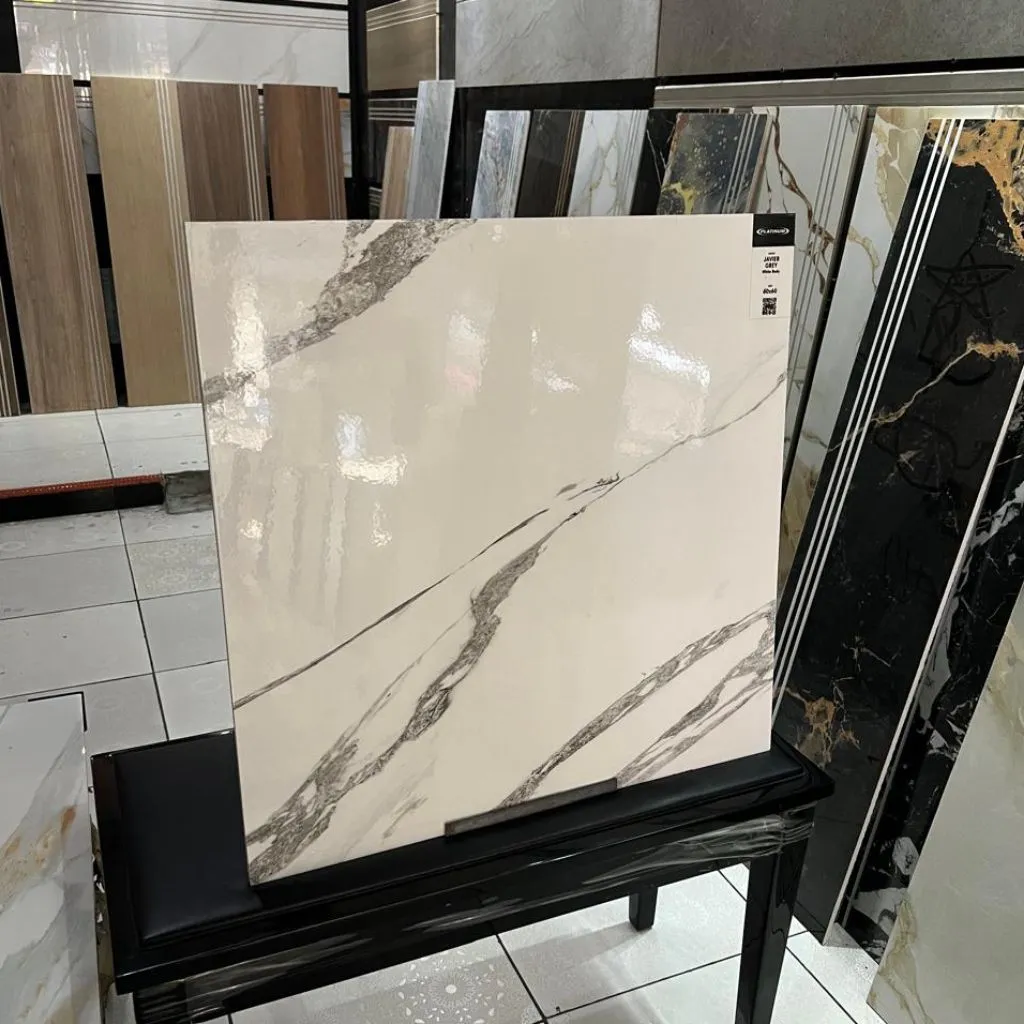
The quest for the perfect flooring is a pivotal decision for any homeowner embarking on a renovation or new build project. Among the myriad choices, 60×60 cm ceramic tiles have emerged as a dominant standard, striking an optimal balance between aesthetics, practicality, and cost-effectiveness. A frequent query directed at interior design experts, including the team at InteriorDesign.ID, revolves around the current market price for these popular tiles. Generally, the price range for 60×60 cm ceramic tiles in Indonesia falls between Rp 85,000 and Rp 250,000 per box. This figure, however, is subject to fluctuations based on several critical factors, including brand reputation, quality grade (often denoted as KW for Kualitas or Quality), and the specific surface finish.
Each box of 60×60 cm ceramic tiles typically contains four pieces, which collectively cover an area of 1.44 square meters. This translates to a price per square meter ranging from approximately Rp 59,000 to Rp 173,000. This foundational calculation is indispensable for any homeowner before stepping into a building materials store, serving as a crucial baseline for budgeting and comparison. The Indonesian construction and home improvement sector has seen steady growth, with an increasing demand for modern, durable, and aesthetically pleasing materials. Ceramic tiles, particularly in larger formats like 60×60 cm, represent a significant portion of this market, driven by evolving design preferences and a greater emphasis on low-maintenance solutions. The shift from smaller formats to these larger modules reflects a broader trend towards minimalist and expansive interior designs, which contribute to a perception of larger, more open spaces within residential properties.
Navigating the Retail Landscape: Smart Buying Strategies
One of the most common pitfalls consumers encounter is comparing prices across different retailers without understanding the underlying specifications. Enticed by seemingly low prices, buyers often overlook crucial details printed on the packaging, which can lead to dissatisfaction later. The building materials industry operates on established standards, and a thorough understanding of these is key to making an informed purchase. This guide aims to equip homeowners with practical methods for deciphering market prices and selecting the appropriate tile specifications, particularly for dry areas within a home.
When engaging with sales assistants, clarity is paramount. A quoted price of "one hundred thousand" could refer to either the price per square meter or per box. Large retail chains frequently display prices per square meter to make their offerings appear more competitive. However, at the point of purchase, this per-square-meter price will be multiplied by the box coverage (1.44 m² for 60×60 tiles). This practice is standard, but it necessitates that consumers be prepared with a calculator and consistently request the conversion of all offers to a per-box price. This ensures a transparent and accurate recording of material costs against the overall budget.
Furthermore, caution should be exercised with "clearance sales" or heavily discounted items. These often consist of residual stock from older production batches. Should a project require additional materials midway, sourcing tiles with an identical color and pattern from the same batch can prove exceptionally challenging, if not impossible. Tile manufacturers produce ceramics in distinct batches, and even subtle variations in production time can result in noticeable color discrepancies. To circumvent this issue, it is always advisable to purchase a slight surplus of tiles from the same production lot. This ensures consistency and provides a buffer against breakage or future repair needs.
The Hierarchy of Quality: Understanding Ceramic Grades (KW)
The price of ceramic tiles is directly correlated with their quality grade, which manufacturers categorize into several tiers. Understanding these classifications is fundamental to matching product quality with project requirements and budget constraints.
-
KW 1 (Export Quality): This represents the pinnacle of ceramic tile quality. KW 1 tiles guarantee precise dimensions, with perfectly square 90-degree corners. This precision allows for the installation of extremely thin and tight grout lines, contributing to a seamless, high-end finish. Furthermore, their surfaces are meticulously inspected to be free from any manufacturing defects. Naturally, tiles of this grade command prices at the higher end of the market spectrum, reflecting their superior craftsmanship and aesthetic integrity. These are often chosen for premium residential projects or commercial spaces where visual perfection and durability are paramount.

-
KW 2 (Standard Quality): For projects with tighter budgetary constraints, KW 2 tiles offer a viable compromise. While still of good quality, they may exhibit minor imperfections that fall below export standards. These typically include slight variations in tile dimensions, often within 1-2 millimeters between individual pieces. A skilled tile installer can effectively mitigate these discrepancies by subtly adjusting grout line spacing, thereby maintaining an acceptable aesthetic outcome. Opting for KW 2 tiles can result in a cost saving of 10% to 20% compared to KW 1, making them a popular choice for homeowners seeking a balance between quality and affordability.
-
KW 3 (Project Quality): This grade comprises "reject" products and is generally unsuitable for personal residential use. KW 3 tiles often feature significant dimensional inconsistencies, noticeable color variations, and other prominent defects. While their initial purchase price might be remarkably low, the hidden costs associated with their installation often negate any savings. Installers will spend considerably more time sorting through pieces, attempting to match sizes and colors, and managing the higher rate of unusable tiles. This inevitably inflates labor costs, making KW 3 tiles a false economy for most projects. These are typically used for temporary installations, back-of-house areas, or very low-budget commercial projects where aesthetic perfection is not a priority.
Beyond the Price Tag: The True Cost of "Cheap" Tiles
Prioritizing the lowest possible price often comes at the expense of other critical attributes, most notably surface durability. Conventional ceramic tiles feature a thin glazed layer atop a clay base. In cheaper variants, this glaze is often less robust and more susceptible to scratches. Even minor abrasions, such as those caused by shifting furniture, can leave permanent marks. In contrast, premium ceramic flooring offers significantly higher wear resistance, thereby reducing the need for costly renovations and replacements in the long term. This durability translates into substantial savings over the lifespan of the flooring, making a higher initial investment a financially prudent decision.
Another crucial differentiator lies in the tile’s edge profile. Most inexpensive ceramic tiles feature curved or slightly rounded edges (non-rectified). This characteristic necessitates wider grout lines, typically ranging from 3-5 millimeters, to accommodate the slight irregularities and achieve a level surface. For those aspiring to a more seamless and contemporary floor aesthetic, rectified tiles are the preferred choice. These tiles are machine-cut with sharp, precise edges, allowing for exceptionally thin grout lines, often as narrow as one millimeter. The resulting visual effect is one of continuous flooring, minimizing the distracting grid pattern created by wider grout lines and enhancing the spaciousness of a room.
The Modern Standard: Why 60×60 Tiles Dominate Dry Areas
The 60×60 cm tile format has firmly established itself as a standard for modern homes, largely superseding the older 40×40 cm format. The larger dimensions of these tiles contribute significantly to making rooms feel more expansive and uncluttered. Dry areas, encompassing living rooms, family rooms, and bedrooms, are ideal candidates for this tile size, as they are not continuously exposed to moisture, unlike bathrooms or kitchens.
For these dry spaces, a polished (glossy) surface is often favored. The reflective quality of polished tiles amplifies natural and artificial light, creating an illusion of greater space, particularly beneficial in minimalist or smaller rooms. From a technical standpoint, larger tiles translate to a significantly reduced number of grout lines across the floor. Fewer lines inherently create a cleaner, more streamlined appearance. Moreover, cleaning becomes a more efficient task, as there are fewer crevices for dust and dirt to accumulate.
The visual impact of 60×60 tiles on minimalist living rooms is transformative. Smaller tile formats can evoke a dated, 1990s aesthetic. The 60×60 module, by contrast, instantly redefines room proportions. A typical 3×4 meter room will feel considerably less confined when floored with these larger modules, as the eye is drawn to the expansive floor area rather than a dense grid of small squares. In terms of color selection, light cream, cloud gray, or ivory tones offer versatile backdrops, allowing for greater freedom in coordinating furniture such as sofas and coffee tables. While dark floors can be striking, they generally require more robust room lighting to prevent the space from feeling dim or oppressive.
Precision in Planning: Calculating Your Tile Needs Accurately

Knowing the price per box is only half the equation if the quantity calculation is flawed. Many homeowners find themselves in the unenviable position of needing to purchase additional tiles individually, often at a higher unit cost, due to underestimation.
The process begins with accurately measuring the length and width of the room using a tape measure. For instance, a living room measuring 4 x 5 meters has a net area of 20 square meters. This area is then divided by the coverage per box (1.44 m² for 60×60 tiles). In this example, 20 / 1.44 yields 13.88 boxes. Since retailers do not sell fractions of a box, this figure must be rounded up to the nearest whole number, resulting in 14 boxes. However, this initial calculation is incomplete.
The Crucial Factor of Wastage (Cut-offs and Breakages):
During installation, tiles inevitably need to be cut to fit around room corners, pillars, doorframes, and other architectural elements. These cut-offs often become unusable waste. Industry standards recommend adding a wastage factor: 5% for straightforward, rectangular rooms, and 10% for rooms with asymmetrical layouts, multiple angles, or intricate designs. Applying a 10% wastage factor to our example of 14 boxes means an additional 1.4 boxes. Rounding up again, this translates to 2 extra boxes. Therefore, the actual required purchase for a 4×5 meter room would be 16 boxes.
Having 1-2 full boxes of surplus tiles at the project’s conclusion is a prudent measure. These should be stored safely, as they serve as an invaluable resource for future repairs. Should a tile crack or break years down the line due to an accidental impact, having an identical spare from the same production lot ensures a perfect match, preventing the frustration of searching for a discontinued or color-mismatched replacement.
Unveiling Hidden Costs: Beyond the Tile Price
The total budget for flooring extends far beyond the simple multiplication of tile price by the number of boxes. Essential supporting materials and professional labor costs represent a significant portion of the overall investment.
Allocating funds for specialized tile adhesive is crucial. While using a conventional cement mixture might seem more economical upfront, it dramatically increases the risk of tiles lifting or "popping" over time, especially with larger format tiles. Specialized tile adhesives ensure maximum bonding strength, critical for the stability and longevity of large ceramic pieces. Typically, one 40-kilogram bag of tile adhesive is sufficient for covering 5-6 square meters of flooring. Additionally, the cost of grout, chosen to match or complement the tile color, must be factored in.
Installation costs for flooring vary, generally ranging from Rp 45,000 to Rp 100,000 per square meter, depending on the complexity of the site and the installer’s expertise. Installing 60×60 cm tiles demands meticulous leveling and precise alignment. Selecting an experienced and reputable installer is paramount to avoid issues such as uneven surfaces, which can compromise both the aesthetic appeal and the structural integrity of the floor.
Essential Installation Tools:

To guarantee a perfectly level floor, professional tile installers utilize a tile leveling system. This system comprises clips and wedges that interlock between adjacent tiles, ensuring uniform height and preventing "lippage" (where one tile edge is higher than its neighbor). If your chosen installer does not own such tools, they are readily available and affordable online, and purchasing them can significantly improve the final outcome. Cross spacers, small plastic crosses inserted between tiles, are also indispensable for maintaining consistent and uniform grout line spacing throughout the installation.
Aesthetic Harmony: Matching Tile Texture to Interior Design
The surface texture of ceramic tiles plays a significant role in defining the overall ambiance of a room. Plain, untextured tiles are generally slightly less expensive than their textured counterparts. There are three primary texture options prevalent in the market:
-
Polished (Glossy) Surface: Ideal for classic or contemporary living spaces, polished tiles create a bright, opulent, and spacious impression due to their high reflectivity. They bounce light around the room, making it feel larger and more open.
-
Matte (Doff) Surface: For those who prefer a softer, more subdued aesthetic without harsh reflections, matte tiles are an excellent choice. Their non-reflective surface diffuses light gently, creating a natural and calming atmosphere often favored in Scandinavian or Japandi interior designs. An added practical benefit is that fine dust tends to be less noticeable on matte surfaces.
-
Textured Surfaces (Wood Grain or Exposed Cement Look): These tiles are designed to mimic the appearance and texture of natural materials such as wood or exposed concrete. They are highly popular in industrial or rustic interior schemes, offering the aesthetic appeal of these materials without the maintenance challenges. For instance, wood-look tiles provide the warmth of timber but are far more durable and easier to clean than actual wood flooring. Similarly, cement-look tiles offer an industrial edge that is significantly easier to maintain than genuine exposed concrete.
Longevity Through Care: Essential Maintenance for Dry Area Tiles
Even in dry areas, ceramic floors are susceptible to wear from furniture friction and external debris. Proactive maintenance is key to preserving their appearance and extending their lifespan.
Placing sturdy doormats at all entry points is a simple yet effective measure to prevent sand and grit from being tracked into the house. These abrasive particles act like sandpaper, slowly eroding the tile’s surface glaze. Additionally, affixing felt pads to the legs of heavy furniture, such as sofas and tables, prevents scratches and scuffs when items are moved.
For routine cleaning, it is imperative to avoid abrasive chemical cleaners. Harsh solutions can gradually degrade the tile’s glossy finish and erode the grout lines over time. For grout lines that begin to darken or accumulate dirt, a small brush combined with warm water and baking soda can effectively dislodge hardened grime without damaging the surrounding tiles or grout.

Preventing Ceramic Popping:
The phenomenon of "tile popping," where sections of the floor lift or detach, is typically caused by a combination of thermal expansion and contraction of the building structure without adequate relief, compounded by poor quality cement adhesion.
Professional installers must incorporate expansion joints – small gaps left between the edges of the tiled floor and the surrounding walls. These gaps, later concealed by skirting boards, allow the floor to expand and contract naturally without stress. If tiles have already popped, the affected area must be completely removed, thoroughly cleaned of old cement residue, and reinstalled with proper adhesive and expansion provisions.
Current Trends: Guiding Your Color and Motif Choices
The world of interior design is constantly evolving, and tile trends are no exception. This year, off-white tones are gradually replacing stark pure white, offering a softer, more inviting aesthetic that beautifully complements wooden furniture and natural textures.
Faux Carrara marble, with its delicate gray veining, remains a perennial favorite. It allows homeowners to achieve the luxurious appearance of natural stone without the prohibitive cost and maintenance requirements of genuine marble. For those who gravitate towards darker palettes, concrete-look gray tiles are highly effective at concealing minor scratches and offer a versatile, sophisticated base for showcasing brightly colored furniture and decorative elements. Gray floors provide a contemporary foundation that allows other design elements to truly pop.
Expert Insights and Broader Implications
The decision-making process for flooring extends beyond immediate costs to encompass long-term value, environmental considerations, and the overall impact on a home’s aesthetic and functional lifespan. Investing in higher quality tiles (KW1 or KW2) and professional installation, while requiring a larger upfront outlay, translates into reduced maintenance, superior durability, and enhanced visual appeal that can significantly increase a property’s resale value. Conversely, opting for the lowest-grade tiles (KW3) often leads to environmental waste due to higher breakage rates and compromised aesthetics. Industry experts consistently advise homeowners to view flooring as a long-term investment rather than a short-term expense. The availability of specialized tools like tile leveling systems has democratized professional installation quality, making it accessible to more projects and ensuring a higher standard of finish across the board.
Conclusion
Selecting the right ceramic tiles for your home is a decision that requires careful consideration and an informed approach. Beyond merely looking at the price per square meter, it is crucial to analyze the cost per box, scrutinize the quality grade (KW), and opt for rectified edges for a precise installation. Always factor in a 10% allowance for wastage and accurately budget for specialized tile adhesive, grout, and professional installation services. A meticulous approach at the building materials store will not only ensure a beautiful and functional floor but also guarantee that your home’s flooring endures for decades without significant issues, enhancing both its comfort and its value.