Lina Irawan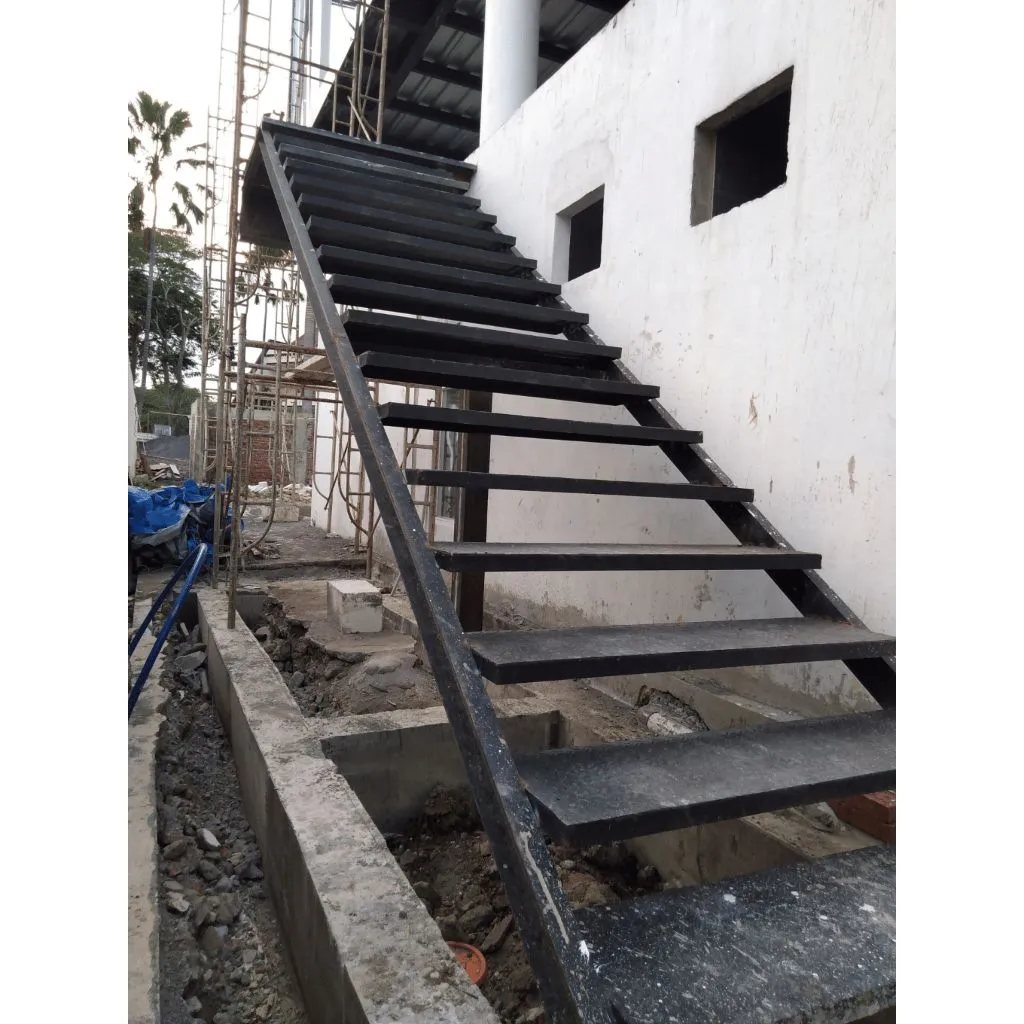
The cost of finished steel plate stair treads currently ranges from IDR 250,000 to IDR 650,000 per step in the market, a price point significantly influenced by plate thickness and the final coating applied. InteriorDesign.ID’s comprehensive analysis aims to demystify this cost structure, providing homeowners and developers with a complete understanding to ensure sound investment decisions. Navigating the nuances of material specifications and fabrication processes can prevent budget overruns and common pitfalls. Many are drawn to lower prices only to find themselves with thin, unstable treads that deform under daily use, compromising both safety and durability. Given that stair treads bear the brunt of daily foot traffic, selecting the appropriate specifications is paramount for the longevity and structural integrity of any staircase.
The Enduring Appeal of Steel Plate Stair Treads in Modern Design
Steel plate treads have garnered immense popularity in contemporary architecture and interior design, primarily due to their unparalleled structural resilience. Unlike traditional wood or plywood alternatives, steel offers superior resistance to common issues such as termite infestation, rot, and structural warping caused by fluctuations in temperature and humidity. This inherent durability translates into a significantly longer lifespan and reduced maintenance requirements.
Aesthetically, the slim profile of steel plates aligns perfectly with the clean lines and minimalist ethos of industrial and modern interior designs. Steel can be engineered to be remarkably thin without sacrificing strength, allowing for open, airy staircases that maximize light penetration and create a sense of spaciousness beneath the stairs. This design flexibility is particularly advantageous for properties with limited footprints, such as mezzanine apartments or compact urban homes, where every square meter counts. The lighter weight of steel compared to solid concrete treads also reduces the overall load on the underlying floor structure, offering additional engineering benefits. Furthermore, steel’s non-combustible nature contributes to enhanced fire safety in residential and commercial buildings. The material’s recyclability also appeals to environmentally conscious designers and clients, aligning with sustainable building practices.
Deconstructing the Cost: A Step-by-Step Fabrication Analysis
Calculating the cost of a single steel stair tread involves more than simply dividing the price of a raw steel sheet. It encompasses a complex fabrication process, each stage requiring specialized equipment and skilled craftsmanship. Understanding these components is crucial for accurate budgeting and quality assessment.

1. Raw Material Cost: The Foundation of Your Investment
The raw steel plate constitutes the largest portion of the overall cost. Typically, steel plates are sold in standard sheet sizes, such as 1.2 x 2.4 meters. From a single sheet, fabricators can usually yield 10 to 12 standard-sized stair treads. A 3mm thick checkered plate, a popular choice for its anti-slip properties, currently costs approximately IDR 900,000 to IDR 1,200,000 per sheet. This translates to a material cost of IDR 90,000 to IDR 120,000 per tread, even before any processing begins. Naturally, opting for thicker plates directly increases this base material cost.
Industry standards dictate a minimum thickness of 3mm for treads spanning up to 80cm to ensure adequate rigidity and safety. While reducing the thickness to 2mm might cut material costs by up to 30%, it introduces a significant risk of flex or "bouncing" when stepped on. This constant deflection can progressively weaken welded joints and compromise the stair’s long-term stability. For wider staircases or those anticipating heavier loads, a 4mm or even 5mm plate might be advisable, although this would correspondingly increase the per-tread cost.
2. Precision in Fabrication: Cutting Services
Once the raw sheet is acquired, it must be precisely cut to the required dimensions for each tread. Manual cutting with an angle grinder is a cheaper option but often results in uneven edges, which can complicate subsequent welding and finishing. Mid-sized workshops typically charge IDR 15,000 to IDR 25,000 per piece for standard cutting.
For superior precision and cleaner edges, plasma or laser cutting technologies are preferred. These methods yield smooth, accurate cuts, minimizing the need for extensive post-cutting grinding. However, this advanced process adds an extra IDR 40,000 to IDR 75,000 per tread. This additional expense is often justified by the enhanced quality and ease of assembly. Precisely cut treads fit seamlessly into the main stair frame, reducing the need for excessive weld filler and improving the overall aesthetic and structural integrity.
3. Shaping for Safety and Strength: Bending (Bending) Costs
A flat, sharp-edged steel plate is neither safe nor structurally optimal for a stair tread. The front edge, in particular, must be bent downwards by approximately 3-4 cm. This "nose" not only eliminates sharp edges that could cause injury but also significantly stiffens the plate, preventing deflection at the leading edge.
Bending a 3mm thick steel plate requires heavy-duty hydraulic press brake machines. The cost for this bending service typically ranges from IDR 20,000 to IDR 35,000 per bend point per tread. In some designs, the rear edge of the tread might also be bent upwards, forming a "U" shape or a box-like profile, further enhancing rigidity. These additional bends, while increasing the cost, contribute to a much more robust and safer stair component.
4. Structural Reinforcement: Stiffener Installation
Even with appropriate thickness and edge bending, the central area of a stair tread, especially for wider spans, remains susceptible to flexing. To counteract this, contractors are obligated to incorporate stiffeners – reinforcing elements made from 3×3 cm angle iron or steel flat bars – welded to the underside of the tread.

The addition of these stiffeners incurs extra costs for both material and welding labor, averaging IDR 30,000 to IDR 50,000 per tread. The stiffeners are often welded in a zigzag pattern to distribute stress evenly and minimize distortion of the main plate due to welding heat. Omitting this crucial component to save costs, particularly for stairs wider than 1 meter, is a critical error that will result in an unstable, vibrating tread, severely compromising safety and user comfort.
5. Longevity and Aesthetics: Finishing and Painting
The final stage involves protecting the steel from corrosion and enhancing its visual appeal. This process typically begins with thorough cleaning to remove rust, scale, and contaminants, followed by the application of an epoxy primer, which provides excellent adhesion and corrosion resistance. This is then topped with a colored finish coat.
Spray painting with polyurethane (PU) paint costs approximately IDR 40,000 to IDR 60,000 per tread. PU paints are known for their superior hardness, abrasion resistance, and chemical resistance compared to standard industrial paints, making them ideal for high-traffic surfaces like stair treads.
For the ultimate in durability and finish quality, powder coating is the superior option. In this process, electrically charged colored powder is sprayed onto the tread, which is then baked in an oven. The heat melts the powder into a smooth, highly durable, and chip-resistant coating. While adding an extra IDR 80,000 to IDR 120,000 per tread, powder coating offers unparalleled adhesion, UV stability, and resistance to scratches and impact, ensuring the finish remains intact for many years. This premium finish is particularly recommended for outdoor staircases or high-traffic commercial applications.
Ensuring Quality: Standard Specifications for Informed Buyers
As a buyer, you have the right to demand clear technical specifications from your fabricator. Never accept a quoted price without understanding the detailed breakdown of materials and processes involved. The following specifications can serve as a benchmark to ensure that the quality you receive is commensurate with the price paid:
| Component | Standard Specification | Rationale |
|---|---|---|
| Plate Thickness | Minimum 3mm for spans up to 80cm; 4-5mm for wider spans or heavy traffic. | Crucial for load-bearing capacity, preventing flex and vibration. |
| Plate Type | Checkered (bordes) for anti-slip; Plain (base plate) for minimalist aesthetics (with anti-slip treatment); Perforated/Expanded for light and air. | Dictates aesthetics, anti-slip properties, and light transmission. |
| Tread Dimensions | Consistent width (e.g., 25-30 cm) and length (matching stair width). | Ensures uniform appearance and comfortable stepping. |
| Front Edge Bend | 3-4 cm downward bend, smoothly rounded. | Enhances rigidity, eliminates sharp edges, and improves safety. |
| Stiffeners | 3×3 cm angle iron or flat bar, welded in zigzag pattern on underside for spans > 80cm. | Prevents central deflection, critical for structural integrity and comfort. |
| Welding Quality | Full penetration welds, clean, slag-free, and ground smooth where visible. | Strong, durable joints; prevents premature failure due to stress concentration. |
| Surface Preparation | Sandblasting or thorough grinding to remove rust and scale. | Ensures optimal adhesion of primers and topcoats, preventing premature paint failure. |
| Primer Coat | High-quality epoxy zinc-rich primer. | Provides excellent corrosion resistance, especially in humid environments. |
| Top Coat | Polyurethane (PU) paint or Powder Coating. | Offers superior abrasion, scratch, and chemical resistance, and UV stability. |
| Warranty | Minimum 1-year warranty on fabrication and welds. | Demonstrates vendor confidence in workmanship and materials. |
Utilize this checklist when formalizing agreements with vendors. A reluctance to meet these standards should prompt you to seek a more reliable fabricator.

Design and Durability: A Look at Different Plate Types
The surface texture and pattern of the steel plate significantly influence the interior ambiance and functional aspects of the staircase. Each variant comes with its own raw material cost and unique characteristics:
1. Checkered Plate (Bordes)
Also known as diamond plate or tread plate, bordes is a perennial favorite due to its raised pattern of lines or diamonds, which provides excellent traction and prevents slipping. This material is strongly associated with industrial and robust architectural styles. Its finished price typically ranges from IDR 300,000 to IDR 450,000 per tread. Visually, checkered plate imparts a strong, utilitarian, and commanding presence to a space.
2. Plain Black Plate (Base Plate)
For those favoring a sleek, modern minimalist aesthetic, plain, untraveled steel plates are an excellent choice. Their smooth, clean surface offers a refined and uncluttered look. The raw material cost for plain plates is slightly lower than that of checkered plates. However, additional budget may be required for anti-slip solutions, such as attaching rubber strips to the edges or mixing silica sand into the epoxy paint for a textured, non-slip finish. Factoring in these anti-slip treatments, the total cost often becomes comparable to that of checkered treads.
3. Perforated Plate
These steel sheets feature precisely punched holes, creating a visually light and permeable surface. Perforated treads are ideal for maximizing light and air circulation, making them a smart solution for smaller homes or areas with limited window access. The specialized punching process increases the manufacturing cost, placing perforated treads in the higher price bracket, typically from IDR 450,000 to IDR 650,000 per tread. Despite the higher price, their transparent effect creates a unique and sophisticated interior statement.
4. Expanded Metal Plate
Expanded metal is produced by simultaneously slitting and stretching a sheet of steel, forming a diamond-shaped mesh pattern. This manufacturing method generates no material waste, making it a more economical option than perforated plates. Expanded metal is also significantly lighter, reducing the load on the supporting structure. Finished expanded metal treads generally cost between IDR 250,000 and IDR 350,000 per tread. Its raw, factory-like appearance makes it a popular choice for loft-style residences and industrial-chic designs. A minor drawback is that the mesh pattern can be uncomfortable to walk on without footwear.
Navigating Market Dynamics: External Factors Influencing Price

Discrepancies in quotes from different fabricators can often be attributed to several external market factors:
- Global Steel Market Fluctuations: The price of steel plate in Indonesia is directly tied to international steel indices and currency exchange rates. Global demand, supply chain disruptions, and raw material costs (like iron ore and coal) can cause significant price shifts, which are then passed down to local distributors and fabricators.
- Location and Accessibility: The geographic location of your project significantly impacts transportation costs. If your home or construction site is in a remote area, has narrow access roads, or is far from the fabricator’s workshop, additional charges for logistics and manual handling of heavy steel plates will be factored into the overall cost.
- Order Volume: The principle of economies of scale applies here. A bulk order for 200 treads for a multi-story apartment complex will typically command a lower unit price than an order for 15 treads for a residential renovation. Larger orders allow fabricators to optimize material utilization, production runs, and labor, leading to cost efficiencies.
Smart Spending: Strategies for Optimizing Your Steel Stair Tread Budget
Cost management in construction does not have to mean compromising structural integrity or safety. Here are several strategies commonly employed by contractors to optimize budgets without sacrificing quality:
- Standardize Tread Dimensions and Shape: Opting for a straight staircase with uniform rectangular treads is the most cost-effective approach. Intricate designs, such as curved or spiral staircases, require trapezoidal or custom-shaped plates. These irregular cuts generate more material waste, which is still factored into your cost. Standardized shapes minimize waste and simplify fabrication.
- Utilize a Bolt-Down System: Instead of directly welding treads to the main stair frame on-site, consider a bolt-down system. This allows the fabricator to complete all welding and painting in their workshop, ensuring a high-quality finish without the risks of on-site welding (e.g., damaging wall paint with sparks, smoke contamination). Installation at the site then becomes a cleaner, faster assembly process. This approach can also allow for easier future maintenance or replacement.
- Direct Material Procurement: For larger projects, consider purchasing raw steel sheets directly from major distributors or wholesalers. Small workshops often buy materials in smaller quantities from local hardware stores, which typically have higher markups. By supplying the raw material yourself, you can then negotiate solely for the fabrication and finishing services, potentially saving on the material component.
- Bulk Ordering: If possible, combine your order with other projects or phase your construction to allow for a larger single order. As discussed, higher volumes often lead to better unit pricing from fabricators.
Beyond Aesthetics: Addressing Noise and Safety
One of the most commonly cited drawbacks of metal staircases is the noise pollution they can generate. The resonant properties of steel plate can amplify footfalls, producing a distinct clang or echo that can be disruptive, particularly in quiet environments or during late-night use.
The most effective solution for noise reduction is to install sound-damping material on the underside of each tread. This can involve bonding 5mm thick neoprene rubber pads or 12mm plywood sheets to the plate. These materials absorb vibrations and significantly dampen the acoustic resonance. The additional cost for this soundproofing typically ranges from IDR 30,000 to IDR 50,000 per tread. This initial investment is highly recommended during the fabrication phase. Attempting to add sound insulation later, by dismantling and re-welding the treads, would incur substantially higher labor and material costs.
Beyond noise, safety must be paramount. Regardless of the plate type, an anti-slip treatment is crucial, especially for plain plates. This can range from integrated anti-slip patterns (like checkered plate) to applied coatings (epoxy with silica sand) or rubber inserts. Proper lighting for staircases is also essential, ensuring each step is clearly visible to prevent trips and falls.

Common Pitfalls in Stair Tread Budgeting
Several common misconceptions and oversights can lead to significant budget discrepancies when planning for steel stair treads:
- Incorrect Cost Calculation: Many mistakenly assume stair tread costs can be derived simply by multiplying the tread’s surface area by a per-square-meter price for steel plate. This is flawed. Fabricators must purchase steel in large sheets, and the cost includes not just the material consumed but also the waste generated from cutting specific shapes. The price per finished tread accounts for all these factors.
- Neglecting Future Maintenance Costs: Stairs, especially those exposed to the elements (outdoor stairs), will require periodic repainting to prevent rust. Opting for cheap, standard iron paint at the outset might save money initially but will inevitably lead to higher long-term costs as rust quickly spreads, particularly around welded joints and fasteners, necessitating more extensive and frequent maintenance. Investing in high-quality primers and topcoats like epoxy and polyurethane or powder coating from the start significantly extends the maintenance cycle and preserves the aesthetic and structural integrity.
- Forgoing a Warranty: Always insist on a written warranty for fabrication, especially for welds, of at least one year. Poorly executed welds can fail under the repeated impact of foot traffic, leading to dangerous structural weaknesses. A reputable fabricator, confident in their workmanship and materials, will readily offer such a guarantee. This warranty provides essential protection against latent defects and ensures accountability.
Conclusion and Expert Outlook
A thorough understanding of the costs associated with steel plate stair treads goes beyond a simple price tag. It encompasses the weight and type of raw material, the precision of cutting, the rigidity provided by hydraulic bending, the essential reinforcement of stiffeners, and the critical protective layers of anti-corrosion finishes. The market price of IDR 250,000 to IDR 650,000 per finished tread reflects this complex fabrication process and represents a reasonable investment for a robust and durable structure.
Steel plate treads offer a distinct interior aesthetic, combining industrial strength with modern minimalism, while also being relatively easy to maintain. The decision regarding plate thickness and the quality of the protective coating made today will directly determine the safety and longevity of the staircase for years to come. Experts universally advise against compromising on plate thickness, recommending a minimum of 3mm, even when aiming to trim expenses. By utilizing the detailed specifications and cost breakdown provided in this guide, homeowners and developers can make informed decisions, select reliable fabricators, and ensure their steel stair treads are both aesthetically pleasing and structurally sound.