Lina Irawan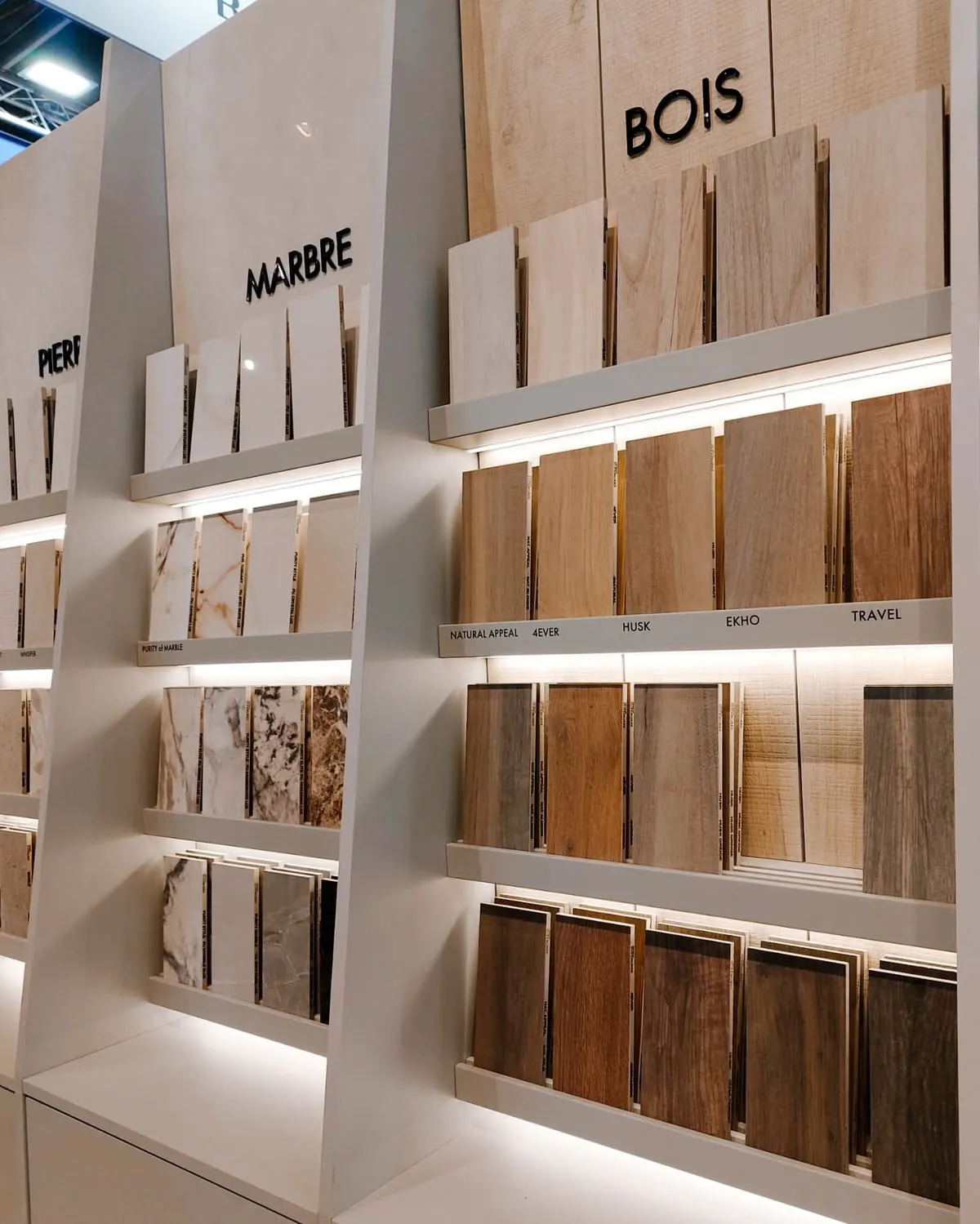
The evolving landscape of home renovation and construction materials presents a complex challenge for consumers and professionals alike, particularly when it comes to sourcing essential items like ceramic tiles. InteriorDesign.ID’s expert team strongly advocates a hybrid purchasing strategy: prioritizing physical stores for bulk orders of standard tiles due to assured stock and color consistency, while leveraging online marketplaces for unique accent motifs. This balanced approach is crucial to avoid significant financial losses, potentially running into millions of rupiah, stemming from color mismatches, quality discrepancies, or transit damage.
The decision of where to procure building materials demands careful consideration. Unlike a minor online clothing mishap that might only cost a few hundred thousand rupiah, an incorrect tile purchase can derail an entire renovation budget. The sheer weight and bulk of ceramic tiles make returns an arduous and costly endeavor. Many consumers are often swayed by seemingly attractive catalog photos and low prices on online platforms, overlooking critical risks such as variations in manufacturing batches, color inconsistencies, and the high probability of breakage during shipping.
The Enduring Advantages of Local Physical Stores and Depots
For decades, contractors and seasoned renovators have consistently favored local building material depots and physical stores for large-scale tile purchases. The rationale is clear: these venues offer unparalleled control over quality and logistics, significantly mitigating potential risks. This preference is rooted in several tangible benefits that digital platforms currently struggle to replicate.

1. Direct Sample and Texture Verification:
One of the most critical advantages of a physical store is the ability to inspect tile samples firsthand. Digital displays, even on high-resolution screens, are inherently limited by varying monitor calibrations and lighting conditions. A light gray tile photographed in a studio might appear considerably darker once installed in a living room, or conversely, a vibrant hue could lose its intensity. In a physical setting, customers can request staff to bring a tile sample outdoors to assess its true color under natural sunlight, ensuring it aligns with their vision.
Beyond color, tactile examination is paramount, especially for functional areas like bathrooms. Directly touching the tile surface allows one to gauge its coarseness and slip resistance—a vital safety factor that digital images simply cannot convey. This immediate sensory feedback is indispensable for making informed choices that impact both aesthetics and functionality.
2. Ensuring Production Batch Consistency:
Ceramic tiles undergo a natural firing process, meaning that different production batches or runs can exhibit subtle variations in color, shade, and even size. Mixing tiles from disparate batches can result in a noticeable patchwork effect on a finished floor, compromising visual uniformity. At a local store, customers can personally inspect the batch codes printed on the side of each tile carton. By ensuring all purchased boxes share the same code, buyers can guarantee a uniform and seamless installation, a critical detail often overlooked in online transactions.
3. Streamlined Returns and Damage Management:
Despite robust packaging, ceramic tiles are susceptible to damage from transit shocks. While external packaging might appear intact, tiles inside can be fractured. Purchasing from a local store vastly simplifies the return process for damaged goods. A simple return of the damaged carton to the store is usually sufficient. Many building material depots even offer direct replacement guarantees, especially if their own delivery trucks are used, bypassing the often-time-consuming process of waiting for chat admin approvals and processing claims typically associated with online purchases. This immediate resolution minimizes project delays and financial overheads.
4. Price Negotiation and Real-time Stock Monitoring:
Direct purchases often open avenues for negotiation, particularly for bulk orders. Store managers are frequently empowered to offer discounts or special rates for substantial quantities, a flexibility rarely found on fixed-price online platforms. Furthermore, customers can visually verify stock levels directly in the warehouse, eliminating the frustrating scenario of an item being out of stock after payment has been processed. In the event of an unexpected shortage during construction—such as needing an extra two boxes—a quick trip to the local store ensures immediate availability, maintaining project momentum.

The Allure and Potential of Online Marketplaces
While traditional methods offer distinct advantages, the appeal of procuring heavy materials online has grown considerably. E-commerce platforms provide access to a broader spectrum of design trends and suppliers, often from different cities, without the need for extensive physical travel. However, this convenience demands an elevated level of diligence and precision from the buyer.
1. Expansive Selection of Unique Patterns:
Traditional building material stores typically stock high-turnover, standard ceramic designs. For those seeking niche aesthetics—such as hexagonal tiles, intricate vintage patterns, or specific terrazzo motifs—online marketplaces are invaluable. They consolidate offerings from numerous large suppliers, making it significantly faster to locate unique or specialized designs that might not be available locally. This wide array fuels the demand for personalized interior design, aligning with contemporary aesthetic trends.
2. Transparent Price Comparison:
Online platforms inherently facilitate transparent price comparison. Within seconds, consumers can review and compare offerings from dozens of different sellers without any social awkwardness or pressure. Beyond pricing, customer reviews and uploaded photos offer crucial insights into the actual appearance of the tiles, often revealing true colors without studio lighting edits, providing a more realistic preview than professional catalog shots. This transparency empowers buyers to make cost-effective decisions.
3. Cost-Effective Cargo Shipping Options:
A single carton of 60×60 cm ceramic tiles can weigh up to 30 kilograms. Shipping such heavy items via regular courier services would be prohibitively expensive. Fortunately, modern marketplaces have integrated various cargo shipping options, including truck freight services, which often charge by weight (per ton) or volume with more economical flat rates. This development has made large-scale online material procurement financially viable, overcoming a significant logistical hurdle. According to a report by Statista, the e-commerce penetration for building materials and home improvement goods has seen a steady increase, with logistics innovation being a key driver.

Strategic Risk Management for Online Purchases
When opting for online tile procurement, proactive risk management is paramount. Engaging in detailed communication with the online seller’s administration is non-negotiable. Key questions should include:
- Can they guarantee shipment from the same production batch?
- Do they offer protective packaging options like wood crating or palletizing to prevent breakage during transit?
Documenting the Delivery Process:
Upon the arrival of the cargo truck, it is imperative to have a mobile phone camera ready. Record the entire unloading process, from the moment the goods are taken off the truck until the sealed cartons are opened, without any interruptions. This uninterrupted video footage serves as mandatory evidence should any tiles be found broken inside, enabling successful claims with the marketplace or the shipping insurance provider. This small step can save thousands of dollars and countless hours in dispute resolution.
When to Choose Direct, When to Choose Online: A Hybrid Approach
The most effective strategy integrates both purchasing channels based on specific project needs and risk tolerance.

- For primary areas requiring substantial tile quantities, such as living room or bedroom floors, direct purchases from a nearby physical store are highly recommended. Ordering hundreds of cartons online carries significant risks; the logistical nightmare of returning mismatched or damaged goods makes it an impractical choice for large-scale applications.
- Reserve online shopping for accent areas that require smaller quantities, such as bathroom wall accents, kitchen backsplashes, or small patio floors. Purchasing three cartons of unique, decorative tiles online is generally manageable, and the associated cargo costs remain reasonable. This hybrid approach optimizes both cost-efficiency and design flexibility.
Beyond Aesthetics: Essential Considerations for Tile Selection
Beyond the purchasing channel, several technical and practical factors are critical for long-term satisfaction and safety.
Extra Guidance for Bathroom Areas:
Wet areas demand specialized attention, where safety must override aesthetic considerations. Prioritize rough-textured tiles to prevent slips, especially when the floor is wet with soap. Look for tiles with a factory-specified R-Rating, aiming for a minimum of R-10 for residential bathrooms. Smaller tile sizes, such as 20×20 cm, are also recommended as they create more grout lines, which enhance foot grip and facilitate water drainage, further reducing slip hazards.
Aligning Grout Lines for Seamless Design:
For a cohesive bathroom design, ensure that wall tile widths are harmonious with floor tiles. For instance, pairing 30×30 cm floor tiles with 30×60 cm wall tiles ensures that vertical grout lines on the floor seamlessly align with the wall tile joints. To prevent the bathroom from appearing too busy, consider designating only one wall for patterned tiles, keeping the remaining walls plain.
Beware of Excessively Low Prices and Quality Grades:
Tiles aggressively discounted or labeled as "second quality" (KW 2 / KW 3) often have inherent imperfections. The primary difference lies in manufacturing precision. First-quality tiles (KW 1) are dimensionally precise, ensuring perfectly straight grout lines upon installation. Lower-grade tiles, however, may have slightly curved or irregular edges, making them challenging for installers to lay evenly, resulting in an unprofessional, uneven finish. While the initial saving might be tempting, the long-term aesthetic and installation difficulties often outweigh the perceived benefit.

Understanding P.E.I. (Porcelain Enamel Institute) Rating for Durability:
The PEI rating indicates a tile’s resistance to abrasion and wear, a crucial specification for determining its suitability for different traffic levels.
- PEI 1: Suitable only for walls.
- PEI 2: Light traffic, typically for residential bathroom floors where foot traffic is minimal.
- PEI 3: Moderate traffic, ideal for general residential interior floors (living rooms, bedrooms).
- PEI 4: Heavy traffic, suitable for all residential and light commercial applications.
- PEI 5: Very heavy traffic, designed for heavy commercial and institutional applications (e.g., shopping malls, airports).
Always match the PEI rating to the intended use; installing a low PEI-rated tile in a high-traffic area will lead to premature wear and damage. For outdoor areas like carports or garages, a minimum of PEI 4 or 5 is essential.
Practicality in Color and Maintenance:
While pure white floors convey a modern aesthetic, they instantly highlight even the slightest dust particles. Conversely, very dark floors tend to emphasize wet footprints and smudges. For optimal practicality and ease of maintenance, colors like gray, earthy brown tones, or randomly speckled terrazzo patterns are highly recommended as they effectively camouflage daily dirt and minor imperfections, reducing the frequency of visible cleaning required.
Key Financial and Logistical FAQs:
- Does online cargo shipping include unloading services? Typically, no. Truck couriers are generally responsible only for delivering the order to the designated address. Customers should arrange for their own labor to move the heavy cartons into the house.
- How much extra tile should be purchased? It is prudent to purchase an additional 10% to 15% of the total area requirement. This buffer accounts for cutting waste, potential breakage during installation, and provides a crucial reserve for future repairs should a tile crack or chip.
- Can different tile brands be installed side-by-side? This is possible only if the thickness of the tiles is absolutely identical. Even a slight variation of a few millimeters can result in an uneven, wavy floor surface, compromising both aesthetics and safety.
- Do building material depots require full upfront payment? Larger retail chains often require full payment upfront. However, smaller, local building material stores, especially those with established customer relationships, may offer more flexible payment terms, such as a down payment option.
In conclusion, the strategic sourcing of ceramic tiles is a pivotal aspect of any successful renovation or construction project. By judiciously combining the tangible benefits of physical stores with the expansive reach of online marketplaces, consumers and professionals can navigate the complexities of material procurement, optimize costs, ensure quality, and achieve their desired aesthetic vision without incurring unnecessary risks or financial setbacks. The future of home improvement material sourcing increasingly points towards an informed, hybrid approach that leverages the strengths of both traditional and digital retail channels.