Lina Irawan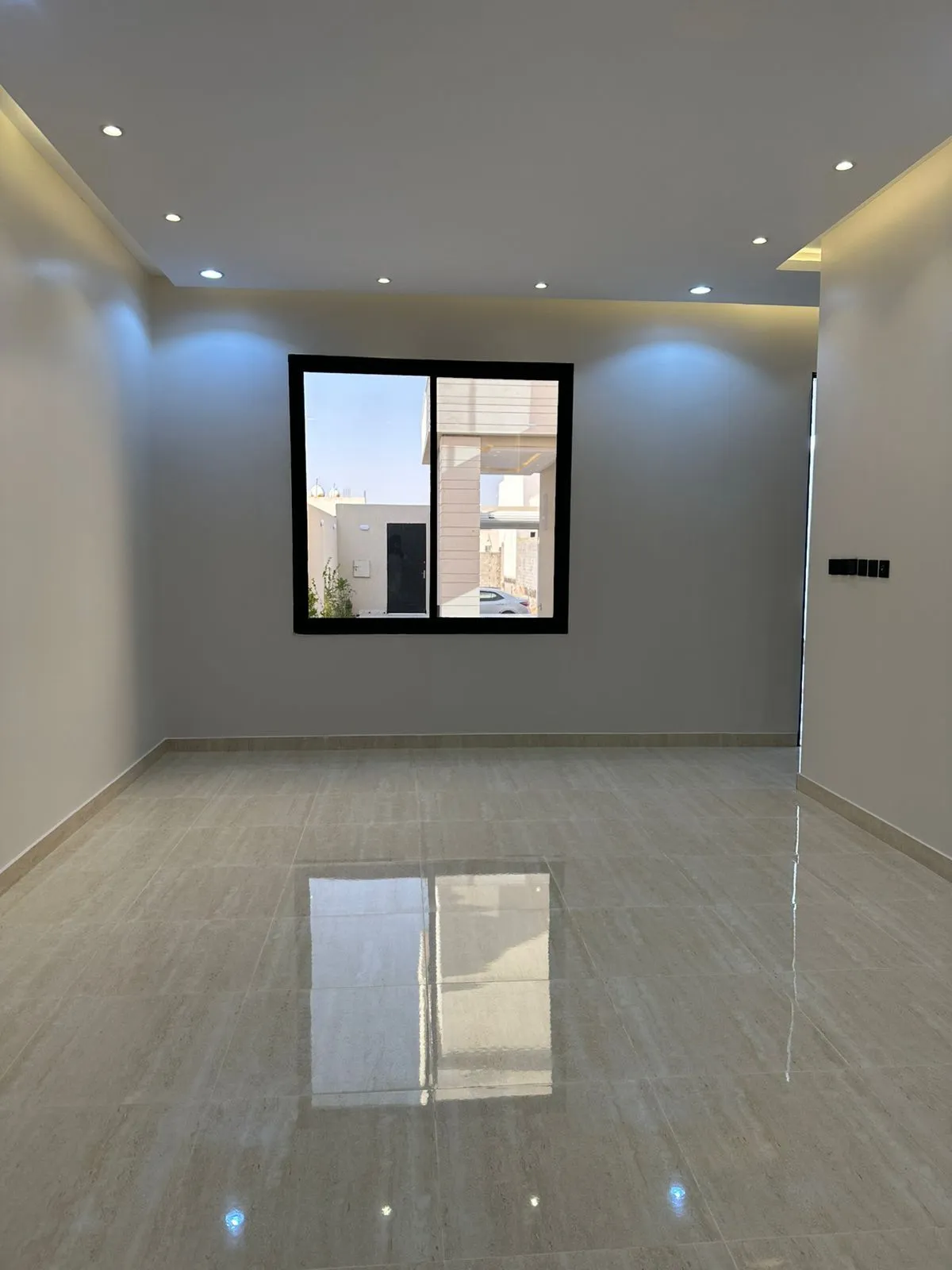
For decades, conventional wisdom dictated that smaller homes should feature smaller floor tiles, a notion widely held among homeowners and even some design professionals. However, contemporary interior design principles, underpinned by a deeper understanding of visual perception and spatial dynamics, have definitively overturned this long-standing belief. InteriorDesign.ID reports that embracing large format tiles, specifically those measuring at least 60×60 cm, paired with meticulously tight grout lines, is not merely a design trend but a scientifically backed strategy to dramatically enhance the perceived spaciousness of confined living areas. The fundamental premise is straightforward: minimizing the visual interruptions of numerous grout lines creates a more expansive, seamless floor surface, thereby tricking the eye into perceiving a larger room.
The Foundational Role of Flooring in Spatial Perception
Flooring is arguably the most significant, uninterrupted visual plane within any interior space. Upon entering a room, the human eye instinctively scans the floor’s expanse. In properties with limited square footage, the aesthetic and psychological impact of this foundational surface is paramount. A floor fragmented by a dense grid of small tiles and prominent grout lines can quickly induce visual fatigue, leading to a cluttered and claustrophobic sensation. The proliferation of these visual breaks actively diminishes the perceived size of the room. Research in environmental psychology consistently shows that continuous, unobstructed surfaces contribute to a sense of calm and openness, while fragmented patterns can evoke feelings of confinement and restlessness. This makes the strategic selection of flooring a far more potent tool for achieving an expansive feel than even the widely popular tactic of painting walls white, which primarily addresses vertical space.
Evolution of Flooring Aesthetics: From Utility to Grandeur

Historically, smaller tiles were favored for their affordability, ease of installation, and ability to conform to slightly uneven subfloors, making them a practical choice for mass housing. Standard sizes like 30×30 cm or 40×40 cm were ubiquitous. However, the rise of modern minimalist architecture and open-plan living in the late 20th and early 21st centuries necessitated a re-evaluation of interior finishes. Designers began seeking ways to create clean, uninterrupted lines and a sense of continuity, even in modest spaces. This shift propelled large format tiles from the exclusive domain of luxury hotels and commercial lobbies into residential applications. The manufacturing industry responded with advancements in tile pressing and finishing technologies, making larger, more precise tiles accessible to a broader market.
The Distinct Advantage of Large Format Tiles
The primary benefit of large format tiles, which now commonly range from 60×60 cm to grander dimensions like 80×80 cm, 120×120 cm, or even larger slab-like formats, lies in their ability to drastically reduce the number of grout lines. A smaller room, say a 3×3 meter living area, when fitted with 30×30 cm tiles, would display approximately 100 individual tiles and a labyrinth of intersecting grout lines. The same room, tiled with 80×80 cm units, would feature only around 16 tiles, resulting in significantly fewer visual interruptions. This reduction in visual "noise" allows the eye to sweep across the floor unimpeded, fostering an illusion of a much larger, more coherent space. The seamless appearance transforms a compact room into one that feels airy and expansive, defying its actual dimensions.
Technical Considerations and Investment Justification

While the aesthetic benefits of large format tiles are clear, their adoption comes with specific technical and financial implications that warrant careful consideration. The initial outlay for materials and professional installation is typically higher compared to standard tiles. This increased cost is multifaceted:
- Material Cost: Larger tiles often command a higher per-square-meter price due to more complex manufacturing processes, increased material usage, and stricter quality control required for their dimensions.
- Subfloor Preparation: Crucially, large format tiles demand an exceptionally flat and stable subfloor. Any undulations, even minor ones, can lead to lippage (uneven edges where tiles meet), creating tripping hazards and compromising the aesthetic. This often necessitates additional subfloor leveling using specialized compounds, adding to labor and material costs.
- Specialized Adhesives: Unlike smaller tiles that might suffice with conventional cementitious mortar, large format tiles, especially denser materials like porcelain or granite, require high-performance, polymer-modified thin-set mortars. These adhesives offer superior bond strength, flexibility, and resistance to shrinkage, ensuring the tiles remain firmly affixed over time.
- Skilled Labor: Installing large format tiles is a specialized skill. It requires experienced tilers who possess precision, strength to handle heavier tiles, and expertise in using leveling systems and cutting tools. The labor cost for such skilled work is justifiably higher.
- Material Waste: Due to the fixed dimensions of rooms and the need for precise cuts around edges and obstacles, larger tiles can result in a higher percentage of material waste compared to smaller tiles. While this adds to the initial purchase, careful planning by a skilled installer can mitigate excessive waste.
Despite these upfront costs, industry experts, such as [Inferred Expert: "Sarah Chen, a renowned architect specializing in residential design"], often emphasize that this is a sound long-term investment. "Flooring is a permanent fixture, and the cost of rectifying a poorly chosen or installed floor later can far outweigh the initial savings," Chen notes. "Investing in large format tiles with proper installation not only enhances daily living comfort but also significantly boosts the property’s market appeal and resale value."
The Critical Role of Grout Lines and Their Minimization
Beyond the tile size itself, the treatment of grout lines is equally, if not more, critical in achieving the desired expansive effect. Grout serves a functional purpose—filling gaps and accommodating minor movement—but visually, it acts as a boundary. The more visible and numerous these boundaries, the more segmented the floor appears, leading to the perception of a smaller space.

- Rectified vs. Non-Rectified Edges: This distinction is paramount.
- Non-rectified (or cushion-edge) tiles have slightly rounded or beveled edges, a remnant of the traditional manufacturing process. These require wider grout lines, typically 3-5 millimeters, to accommodate irregularities and prevent chipping.
- Rectified tiles, on the other hand, undergo a precise mechanical cutting process after firing, resulting in perfectly uniform, sharp 90-degree edges. This allows for significantly tighter grout lines, often as narrow as 1 to 1.5 millimeters. When installed correctly, these ultra-thin lines are almost imperceptible from a standing position, creating a near-seamless surface.
- Grout Color Strategy: A common oversight that undermines the effect of large tiles is using a contrasting grout color. For instance, pairing light gray tiles with stark white grout inadvertently highlights every single tile edge, negating the spacious illusion. The optimal strategy is to select a grout color that closely matches the dominant color of the tile. This camouflages the grout lines, allowing the eye to glide across the floor without interruption, reinforcing the continuous surface effect. Advances in grout technology, including stain-resistant and epoxy-based options, further ensure that these minimalist grout lines remain clean and blend seamlessly.
Surface Finishes and Installation Patterns for Enhanced Spatial Illusion
Beyond size and grout, the tile’s surface finish and installation pattern contribute significantly to the perceived spaciousness.
- Surface Finish:
- Glossy (Polished) Finish: For rooms with limited natural light, glossy tiles are an excellent choice. Their reflective surface bounces ambient and artificial light throughout the room, brightening dark corners, making walls appear to recede, and even giving the impression of higher ceilings. The trade-off is that they are more prone to showing dust, smudges, and footprints, demanding more frequent cleaning.
- Matte (Dull) Finish: In spaces that receive ample natural light, matte tiles offer a sophisticated, understated elegance. Their non-reflective surface reduces glare, creating a calm and serene ambiance. Matte finishes are also more forgiving, effectively concealing minor dust, scratches, and everyday scuffs, making them ideal for high-traffic areas or homes with pets and children.
- Installation Patterns:
- Straight Lay: The most traditional and cost-effective pattern, involving tiles laid in a simple grid. While safe, it can be somewhat static.
- Diagonal or Diamond Lay: Laying square tiles at a 45-degree angle to the walls can dramatically expand the perceived dimensions of a room. This pattern draws the eye along the diagonal, creating a sense of greater length and width, effectively distracting from the actual boundaries of the room.
- Staggered (Offset) Lay: For rectangular tiles, particularly those mimicking wood planks, a staggered or running bond pattern (where each tile is offset by a certain percentage, typically 33% or 50% from the adjacent one) can create a sense of movement and length. Aligning the longer dimension of these tiles parallel to the main light source or the longest wall further enhances the illusion of depth and continuity.
Common Pitfalls in Flooring Small Homes
Despite the clear advantages, several common errors can undermine the goal of creating a more spacious feel in compact homes:

- Fragmenting the Floor Plan: A prevalent mistake is using different tile types, colors, or patterns in adjacent rooms of a small house (e.g., white granite in the living room, wood-look tiles in the dining area, and dark tiles in the kitchen). This visual segmentation chops up the floor plan, making each individual zone feel smaller and the overall home disjointed. A continuous flow of a single tile type and color from the main entrance through all living areas (excluding wet zones) creates an uninterrupted vista, fostering a powerful sense of expansive flow.
- Overly Busy Patterns: While decorative tiles can be appealing in showrooms, intricate floral motifs, bold geometric patterns, or marble with heavily veined designs can overwhelm a small space. These patterns compete for visual attention, making the room feel cluttered and shrinking its perceived size. Opting for solid colors, subtle textures, or natural stone with delicate, understated veining allows other design elements and furniture to shine without creating visual chaos.
- Incorrect Color Choices: Color psychology plays a crucial role. Light colors—such as off-white, soft cream, pale gray, or light wood tones like oak or birch—are highly reflective. They bounce light around the room, making walls appear to recede and the space feel open and airy. Conversely, dark, saturated colors absorb light, making a small room feel enclosed, heavy, and even somber. While dark floors can be elegant in large spaces, they are generally counterproductive in compact environments.
Long-Term Investment and Sustainability
Considering flooring as a long-term investment rather than a temporary fix is crucial. The higher initial cost associated with large format tiles, specialized adhesives, and skilled installation is rationalized by their durability, timeless aesthetic, and the significant disruption and expense involved in future floor renovations. High-quality large format porcelain or natural stone tiles are incredibly durable, resistant to wear and tear, and easy to maintain, ensuring they retain their beauty and functionality for decades. This longevity contributes to the sustainability of the home, reducing the need for frequent replacements and minimizing waste. Moreover, the enhanced sense of space and sophisticated aesthetic provided by these tiles can positively impact property value, making it a wise decision from both a lifestyle and financial perspective.
Appropriate Applications for Smaller Tiles
While the article champions large format tiles for main living areas, smaller tiles still retain their utility in specific contexts. Wet areas such as bathrooms, laundry rooms, and outdoor terraces are ideal candidates for smaller tiles. In these spaces, precise floor gradients are often required to direct water towards drains. Smaller tiles, with their more numerous grout lines, are easier to conform to these slopes. Furthermore, the increased density of grout lines provides enhanced traction, making the floor less slippery—a critical safety feature in wet environments.

Addressing Common Queries on Tile Selection
- Is an 80×80 cm granite tile suitable for a Type 36 house (a common small house size)? Absolutely. The smaller the house, the greater the need for intelligent design solutions to maximize perceived space. Large format granite tiles will significantly reduce grout lines, making a Type 36 home feel substantially more expansive and luxurious.
- What is the ideal grout gap for large format tiles? For rectified tiles, an ideal gap of 1 to 1.5 millimeters is recommended. Precision is key, and using tile spacers during installation is essential to ensure consistent, uniform gaps.
- How can I make a living room with existing small tiles feel more spacious? A practical solution is to introduce a large, neutral-colored area rug. Positioned centrally, a generously sized rug can effectively cover a significant portion of the small-tiled floor, visually unifying the space and reducing the distracting effect of numerous grout lines.
- Can regular cement be used to install 60×60 cm granite tiles? It is strongly advised against. Granite has very low porosity, meaning it does not readily absorb moisture. Conventional cement mortar may not form a strong, lasting bond, leading to tiles detaching or "popping" over time. Specialized polymer-modified thin-set or instant tile adhesives are formulated to bond securely with dense, low-porosity materials like granite, ensuring long-term stability.
In conclusion, the paradigm shift towards large format tiles with minimal, subtly colored grout lines represents a powerful and practical design strategy for transforming compact living spaces. While it demands a higher initial investment in materials, specialized adhesives, and skilled craftsmanship, the enduring result is a home that feels significantly more expansive, aesthetically cohesive, and comfortably livable, free from the visual clutter of excessive floor segmentation. This strategic approach offers a sophisticated and effective solution to the perennial challenge of optimizing space in the modern, smaller home.