Nila Kartika Wati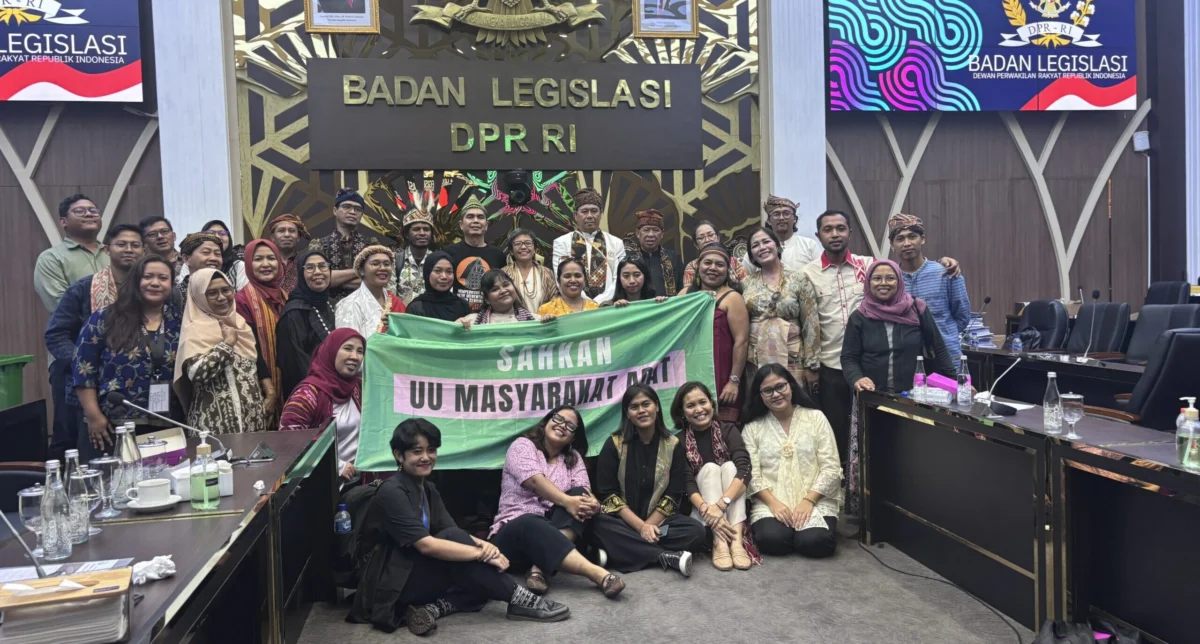
In a decisive move to break a 15-year legislative deadlock, representatives of indigenous communities from across the Indonesian archipelago convened at the House of Representatives (DPR) in early April 2026. Their mission was to engage in a high-stakes Public Hearing Meeting (RDPU) with the Legislative Body (Baleg) regarding the long-delayed Indigenous Peoples Bill (RUU Masyarakat Adat). This legislative initiative, which has been trapped in a cycle of deliberation without ratification for over a decade, is viewed by advocates as the final defense against the systemic erasure of indigenous territories and cultures.
Bob Hasan, the Chairman of the DPR Legislative Body for the 2024–2029 period, opened the session by emphasizing the importance of direct dialogue. He noted that the meeting was essential for lawmakers to hear the factual conditions on the ground and understand the urgency of the bill from the perspective of those it directly affects. This RDPU marked the second major hearing with broad participation, featuring delegates from Sumatra, Kalimantan, Java, Bali, Nusa Tenggara, Sulawesi, Maluku, and Papua.
A Decade of Legislative Stagnation and Environmental Decay
The Indigenous Peoples Bill is not a new concept in the Indonesian legal landscape. Academic drafts for the legislation have existed since 2008, following years of advocacy by the Indigenous Peoples Alliance of the Archipelago (AMAN) and other civil rights groups. Despite being repeatedly included in the National Legislation Program (Prolegnas) as a priority—including for the 2025 legislative year—the bill has consistently failed to reach a plenary vote.
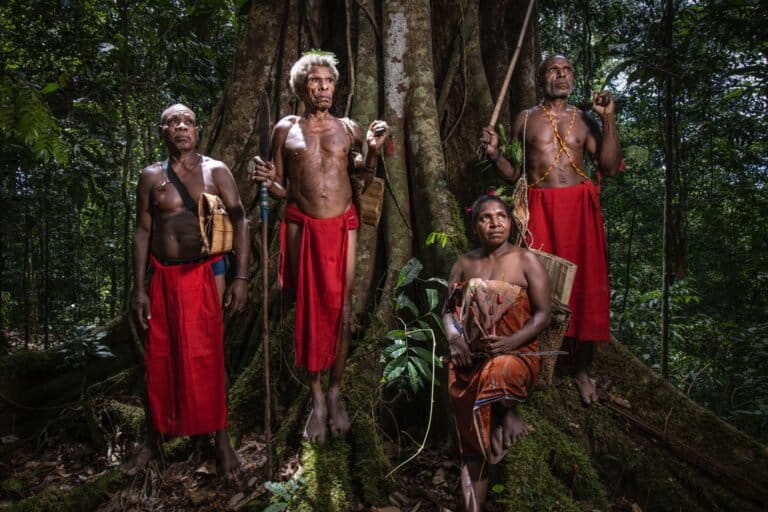
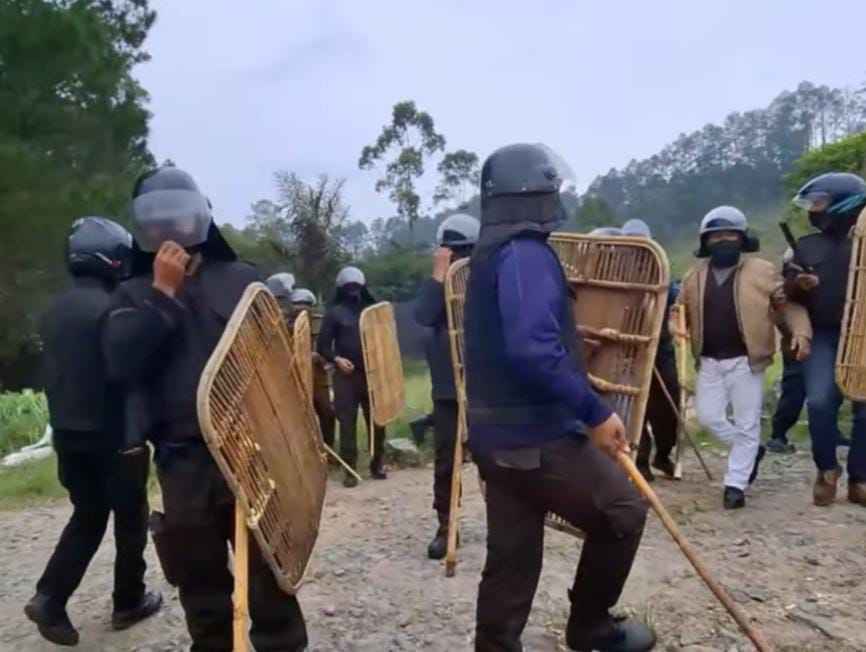
While the bill gathers dust in parliamentary offices, the reality outside the capital is one of rapid environmental and social degradation. Over the last ten years, Indonesia has seen significant forest cover loss, much of it occurring within territories traditionally managed by indigenous communities. According to data from AMAN, indigenous groups have mapped approximately 33 million hectares of customary territory through participatory methods, yet only a fraction of this land has received formal state recognition. This lack of legal standing has left these communities vulnerable to land grabbing, criminalization, and the encroachment of large-scale industrial projects.
The current legislative process has seen some minor progress, such as a shift in nomenclature from "Masyarakat Hukum Adat" (Customary Law Communities) to "Masyarakat Adat" (Indigenous Peoples). Bob Hasan suggested that this change reflects an effort to align the regulation with the social reality of the communities. However, for the representatives present, linguistic shifts are secondary to the primary goal: legal certainty.
Regional Testimonies: A Crisis of Survival
The testimonies delivered during the RDPU painted a grim picture of the challenges facing indigenous groups from the easternmost to the westernmost reaches of the country.
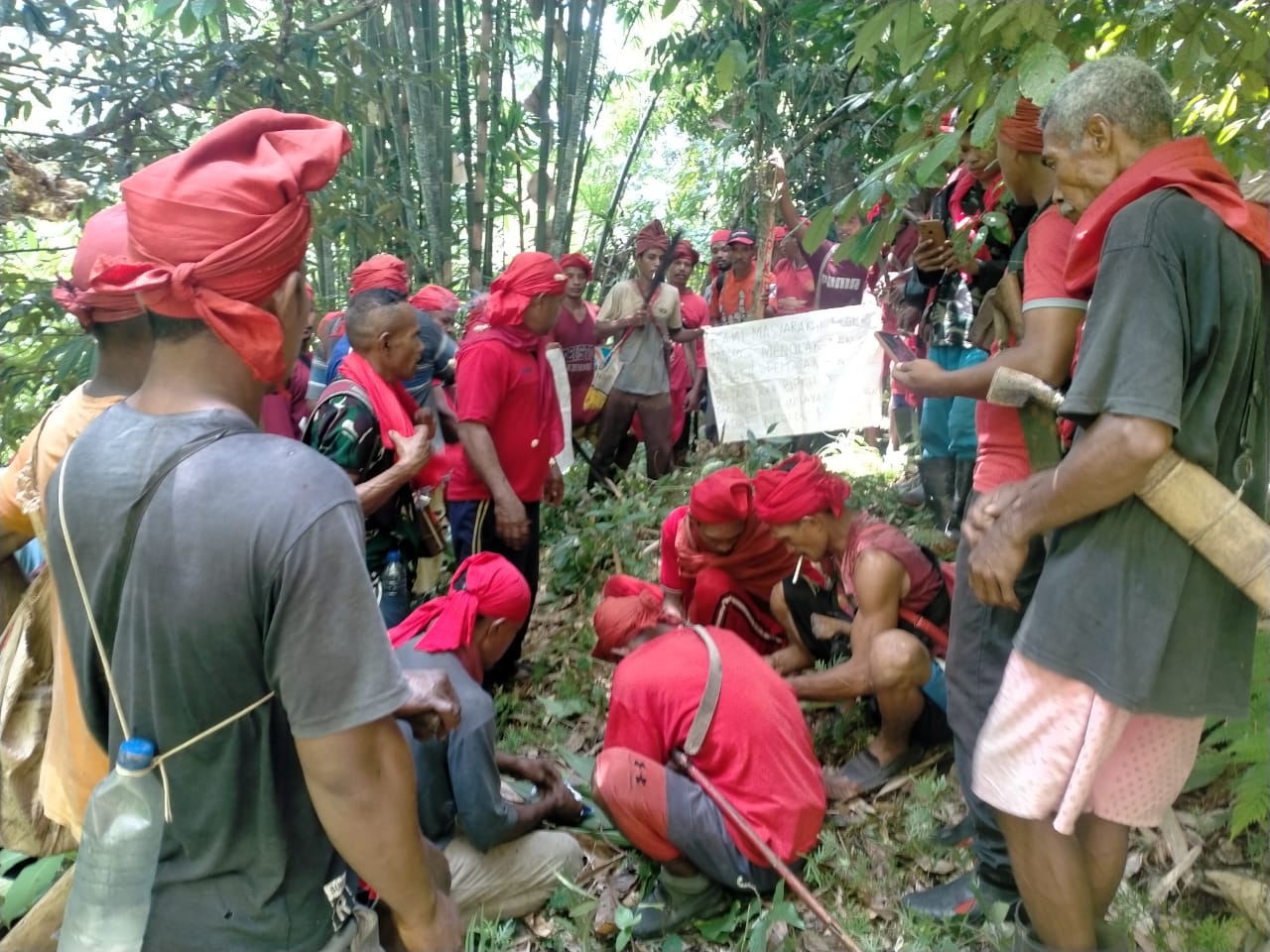
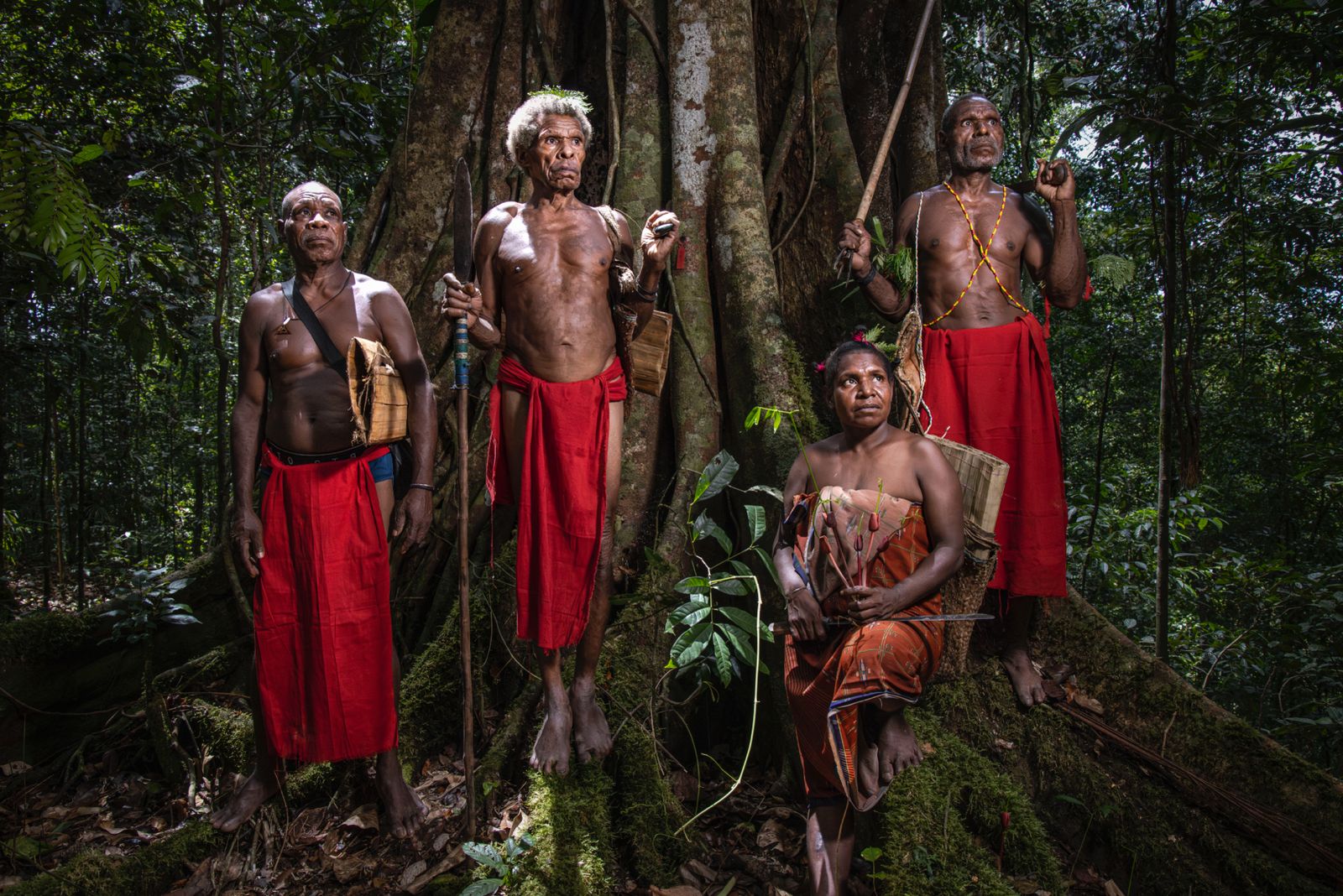
In Papua, Sem Ulimpa described a landscape of "bitter development." He detailed how excavators frequently enter customary forests without warning, leading to the immediate loss of ancestral lands. Ulimpa argued that existing frameworks, such as the Special Autonomy (Otsus) for Papua, have proven insufficient on the ground. "Otsus exists on paper, but in the field, it does not protect us," he stated, adding that the Indigenous Peoples Bill is needed to provide a robust legal shield that works in tandem with regional autonomy.
From the islands of Maluku, Apriliska Titahena highlighted the unique threats to coastal and small-island communities. For these groups, the "living space" is not just the land but the sea. She spoke of the tradition of Sasi—a customary practice of sustainable resource management—which is now threatened by the privatization of marine areas and industrial expansion. Titahena emphasized that the bill must protect these maritime territories to prevent the total displacement of Maluku’s indigenous populations.
In Bali, the concerns were as much spiritual as they were material. Budhawati, a representative from the island, warned that the expansion of the tourism industry and external land ownership are severing the connection between the people, the land, and the divine. She urged the DPR to recognize that indigenous identity is a holistic system where spiritual sites and administrative recognition of customary marriages are vital for cultural survival.
Further north in Halmahera, Afrida Erna Ngato provided a chilling account of the impacts of the nickel and gold mining boom. She reported that rivers have become undrinkable and forests, once the primary source of food, have vanished. "If indigenous peoples disappear, Indonesia loses its identity," she warned. Ngato dismissed the notion that the bill would hinder investment, arguing instead for the principle of Free, Prior, and Informed Consent (FPIC) to ensure a fair and transparent development process.
The Legislative Bottleneck: Political and Technical Hurdles
Despite the emotional and factual weight of the testimonies, the path to ratification remains obstructed. A significant indicator of the bill’s precarious status was the attendance at the RDPU: only five out of the ten political factions in the DPR were present. This lack of full participation suggests that the bill still lacks the broad political consensus required for a swift passage.
A major point of contention within Baleg involves the mechanism for recognizing indigenous communities. Some lawmakers, including Bob Hasan, have suggested that the national law should only provide a broad framework, leaving the specific technical recognition to regional regulations (Perda). However, advocates like Erasmus Cahyadi from the Civil Society Coalition for the RUU MA argue that relying solely on Perda creates a bottleneck.
"The requirement for a Perda has historically been used to stall recognition because local governments often lack the political will or budget to draft them," Cahyadi explained. He proposed alternative mechanisms, such as verification by a designated state agency or recognition through court proceedings, similar to the process for establishing legal heirs. This would bypass the political complexities of local legislatures and provide a more direct route to legal status.
The Role of Women and the Future Generation
The hearing also highlighted the intersectional nature of indigenous rights. Wilhemina Seni, representing the women of Ende, East Nusa Tenggara, reminded the committee that indigenous women are the primary keepers of traditional knowledge and food security. She noted that large-scale energy projects, such as geothermal developments in Flores, often proceed without consulting women, who are frequently the most affected by changes to the local ecosystem.
Parallel to this, youth representatives from the Osing community in East Java expressed a sense of being at a crossroads. They spoke of the pressure to abandon their ancestral homes due to a lack of economic opportunity and the shrinking of their customary lands. For them, the bill represents the possibility of a future where they can build a modern life without being forced to discard their indigenous identity.
Data and Economic Implications
The push for the Indigenous Peoples Bill is backed by growing evidence that indigenous land tenure is a cost-effective strategy for climate change mitigation. Global research consistently shows that forests managed by indigenous peoples have lower deforestation rates than those managed by the state or private entities. In the context of Indonesia’s commitment to the Paris Agreement and its "FOLU Net Sink 2030" goals, the legal recognition of customary forests is increasingly seen as a national environmental necessity.
Furthermore, the lack of a legal framework for indigenous rights has significant economic costs. The Consortium for Agrarian Reform (KPA) has documented hundreds of land conflicts annually, many of which involve indigenous communities and state-owned or private corporations. These conflicts lead to litigation costs, project delays, and social unrest. Analysts argue that the Indigenous Peoples Bill would provide a clear legal "map," reducing uncertainty for investors while protecting the rights of residents.
Conclusion: A Test of the Republic’s Promise
As the RDPU concluded, the sentiment in the room was one of cautious urgency. Nyoman Parke, a member of Baleg, remarked that the bill is not just about a legislative legacy for the current DPR but is a fulfillment of the promise made by the founding fathers in the 1945 Constitution. Article 18B of the Constitution explicitly recognizes the existence of customary law communities, yet 80 years after independence, the enabling legislation remains absent.
Martin Manurung, Vice Chairman of Baleg, stressed the need to bridge the gap between state interests and indigenous perspectives. He noted that the misconception that indigenous groups are "anti-development" must be corrected. "On the contrary, they are at the forefront of ensuring that development is sustainable and beneficial for all," he said.

Rukka Sombolinggi, Secretary General of AMAN, ended the session with a firm commitment to continue the struggle. She reminded the lawmakers that the 33 million hectares of mapped customary land represent millions of lives waiting for the state to acknowledge their existence. "The passage of this bill is no longer a choice; it is a desperate need," she said. "As long as this law does not exist, conflict will continue, and the fabric of our nation will continue to fray."
The coming months will be a critical period for the Indigenous Peoples Bill. As it remains a priority in the 2025–2026 legislative cycle, the eyes of the nation—and the international community—will be on the DPR to see if it can finally deliver on a promise nearly two decades in the making. For the representatives who traveled from the furthest corners of Indonesia to the halls of power in Jakarta, the hope is that this time, their voices have finally been heard.