Tyo Susilo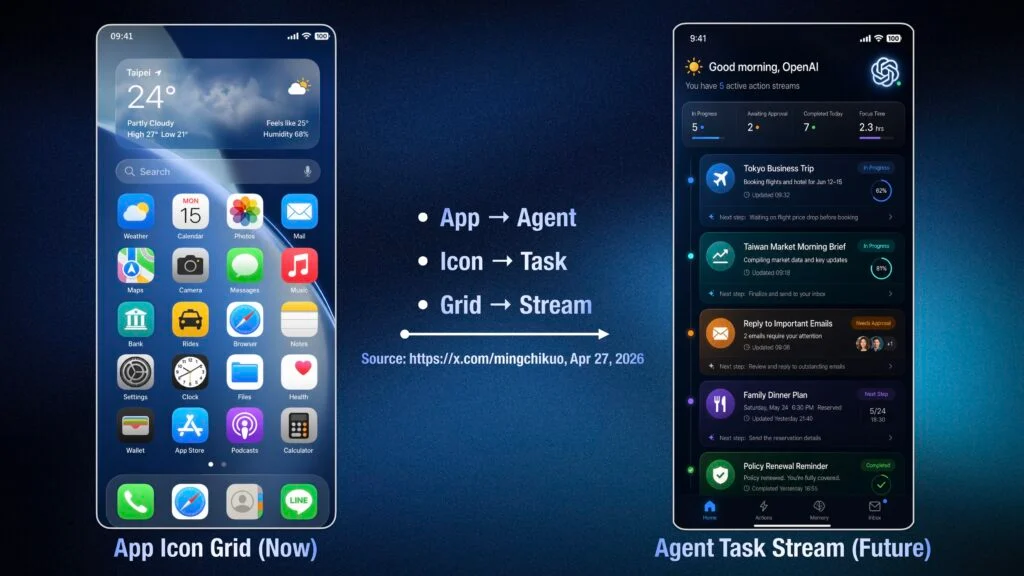
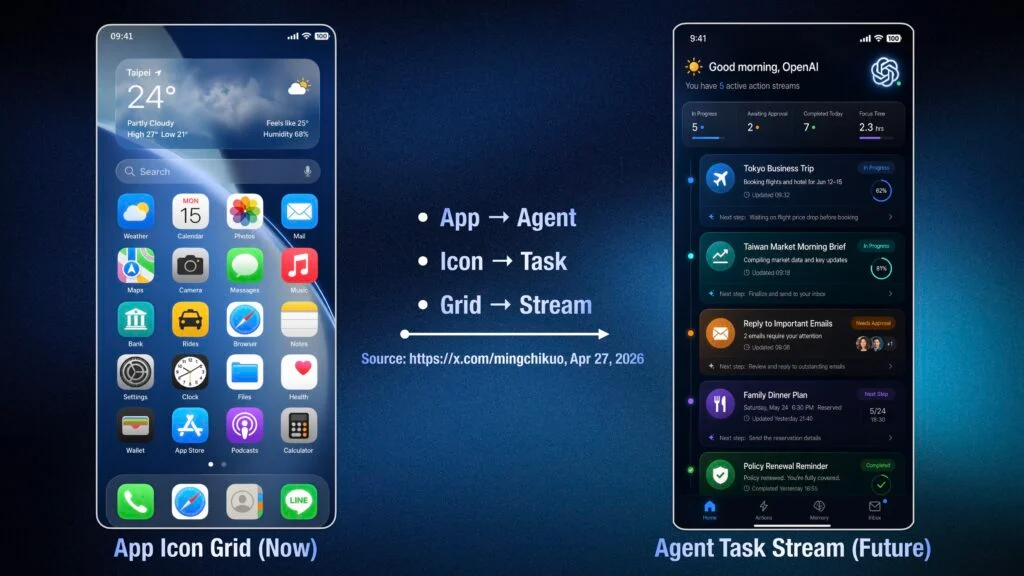
The burgeoning landscape of artificial intelligence continues to push the boundaries of technological innovation, with leading AI research laboratory OpenAI reportedly embarking on a project to develop a novel smartphone. This ambitious initiative, as detailed by renowned industry analyst Ming-Chi Kuo, aims to fundamentally alter the smartphone experience by moving away from the conventional reliance on individual applications. Instead, the proposed device would leverage sophisticated AI agents as its primary control mechanism, streamlining complex tasks and interactions into a more intuitive, command-driven interface. Users would theoretically be able to articulate their needs through natural language, with the AI orchestrating the necessary processes across various functions without the need for manual app switching.
This paradigm shift represents a significant departure from the current smartphone ecosystem, which has been built around the concept of distinct applications for specific functions. The everyday user experience often involves navigating through a multitude of apps to accomplish even simple tasks, such as scheduling an appointment that requires checking a calendar, sending a notification via a messaging app, and perhaps consulting a contact list. The envisioned OpenAI device seeks to consolidate these disparate actions into a seamless, unified workflow, managed entirely by an intelligent agent. This could potentially lead to a more efficient and less fragmented user experience, freeing individuals from the cognitive load of managing multiple applications.
Echoes of Precedent: The Rabbit R1 Precursor
While the concept of an AI-driven device that minimizes app dependency might appear novel, it is not entirely unprecedented. The Rabbit R1, a portable AI device launched earlier in 2024, attempted to explore a similar path by aiming to reduce the need for direct app interaction. The R1 featured a "Large Action Model" (LAM) designed to learn and perform tasks across various applications by observing user interactions. However, its capabilities were primarily limited to specific functionalities and it operated as a standalone device rather than an integrated smartphone component. OpenAI’s rumored project appears to be an ambitious escalation of this concept, aiming to embed this AI-centric paradigm directly into the core of a mainstream smartphone. This suggests a far broader scope and deeper integration than what was offered by early attempts like the Rabbit R1.
Strategic Hardware Collaborations and Production Pipelines
The development of such an advanced AI-focused smartphone would necessitate significant advancements in hardware, particularly in processing capabilities tailored for artificial intelligence workloads. Reports indicate that OpenAI is not undertaking this endeavor in isolation, with key industry players reportedly involved in the hardware development. MediaTek and Qualcomm, two of the leading mobile chipset manufacturers, are rumored to be developing System-on-Chips (SoCs) specifically optimized for the demanding computational needs of advanced AI agents. These specialized SoCs would likely feature enhanced neural processing units (NPUs) and other dedicated AI acceleration hardware, enabling the device to process complex AI tasks efficiently and with minimal latency.
Furthermore, the manufacturing aspect of this ambitious project is also being considered. Luxshare, a prominent electronics manufacturer known for its work with major tech companies like Apple, is reportedly being eyed to handle the production of the device. This strategic selection of partners underscores the seriousness and scale of OpenAI’s rumored smartphone ambitions, suggesting a well-planned approach to both the technological underpinnings and the manufacturing logistics.
A Projected Timeline: From Concept to Consumer
Despite the compelling technological vision, the realization of this AI-centric smartphone is not imminent. Industry projections, based on the current developmental stages and supply chain complexities, suggest that the full specifications and supply chain for such a device are unlikely to be finalized before 2026 or 2027. Following this, mass production could potentially commence in 2028. This extended timeline highlights the significant research, development, and refinement required to bring such a revolutionary product to market. It also suggests that the underlying AI models and hardware infrastructure need considerable maturation before they can reliably support a consumer-grade smartphone experience.
The Ultimate Challenge: Shifting User Habits
The most significant hurdle for OpenAI’s rumored AI smartphone may not be technological, but rather behavioral. The current smartphone paradigm, deeply entrenched in the app-based ecosystem, has shaped user habits over more than a decade. The sheer ubiquity and familiarity of navigating through individual applications have become second nature to billions of users worldwide. Transitioning users to an entirely new interaction model, where natural language commands and AI agents handle most tasks, presents a formidable challenge.
The success of such a device hinges on its ability to demonstrate tangible benefits that outweigh the inertia of established user behaviors. If the AI can truly deliver on the promise of seamless task completion, significantly reducing user effort and time, it could foster a gradual adoption. However, concerns about control, privacy, and the potential loss of granular control over device functions might also emerge. The question remains whether users will embrace the convenience of an AI-managed experience or feel a sense of disempowerment by relinquishing direct command over their devices. This societal adaptation to AI-driven interfaces will be a critical factor in determining the long-term viability of such a product.
Broader Implications for the Tech Industry
The potential introduction of an AI-centric smartphone by OpenAI could have profound implications for the broader technology industry. It could accelerate the development of AI agents and multimodal AI capabilities across the board, prompting other hardware manufacturers and software developers to re-evaluate their product strategies. The competitive landscape of smartphone operating systems and app stores might face disruption, forcing a reconsideration of how software is developed, distributed, and monetized.
Furthermore, the emphasis on AI processing could drive innovation in mobile chip design, leading to the creation of more powerful and energy-efficient AI-accelerated hardware. The entire ecosystem, from chip manufacturers to app developers and even cloud service providers, would likely feel the ripple effects of this paradigm shift. The transition to an AI-first mobile experience could redefine user expectations and pave the way for entirely new categories of smart devices and digital interactions. The success or failure of such a venture by OpenAI will undoubtedly serve as a significant case study in the evolution of human-computer interaction in the age of advanced artificial intelligence.