Tata Titiana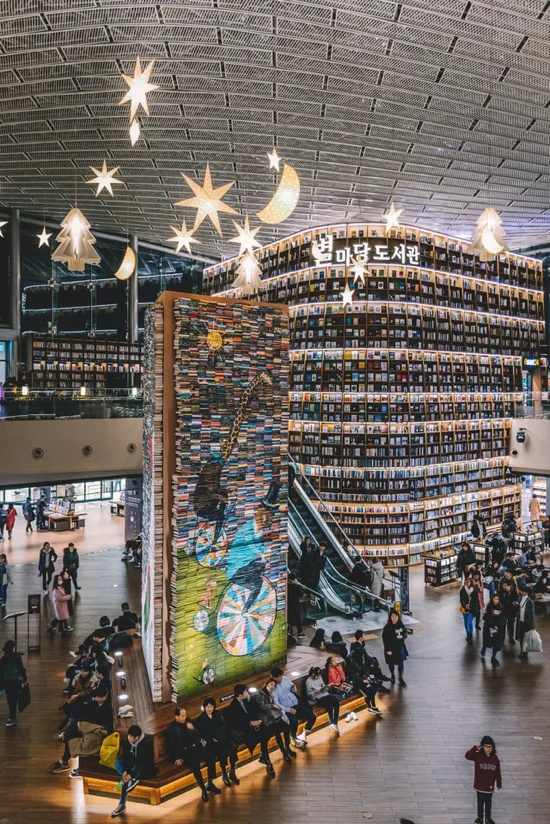
South Korea has rapidly ascended the ranks as a premier travel destination, capturing the imagination of global tourists, including a significant surge from Indonesia. This burgeoning popularity is inextricably linked to the pervasive influence of Korean dramas, or K-dramas, which have cultivated a widespread appreciation for the nation’s aesthetic sensibilities and cultural narratives. The visually captivating backdrops featured in these popular series have translated into a tangible demand for experiencing these iconic locations firsthand. Beyond their scenic beauty, several key destinations in South Korea offer an immersive experience, allowing visitors to step directly into the romantic, dramatic, and often breathtaking settings that have defined countless beloved K-dramas. This article delves into some of these compelling locales, exploring their unique appeal and the cultural significance that makes them must-visit sites for any enthusiast of South Korean culture.
Geonbae: The Electric Pulse of Seoul’s Nightlife
For travelers seeking the vibrant, metropolitan energy that often characterizes the urban scenes in K-dramas, Geonbae presents an unmissable experience. Situated in the heart of Seoul, Geonbae is not a single landmark but rather a bustling street renowned for its dense concentration of bars and eateries. The area radiates a palpable sense of urban dynamism, with neon lights and lively chatter creating an atmosphere that is both exhilarating and quintessentially Korean. This thoroughfare is a constant hub of activity, drawing in a diverse crowd of locals unwinding after work and international tourists eager to soak in the city’s nightlife.
The appeal of Geonbae lies in its authentic representation of contemporary South Korean urban life. It’s a place where the social fabric of the city is on full display, from the clinking of glasses to the convivial conversations spilling onto the sidewalks. Many K-dramas have utilized similar bustling streetscapes to depict characters navigating their personal and professional lives, often featuring pivotal plot points or romantic encounters set against this backdrop. Visitors to Geonbae can partake in this vicarious experience by sampling a wide array of Korean beverages, from traditional soju and makgeolli to more contemporary cocktails, while indulging in popular Korean bar food, known as anju. The accessibility and continuous liveliness of Geonbae make it a prime location for experiencing the city’s nocturnal charm, offering a glimpse into the social dynamics that are so vividly portrayed on screen. The constant flow of people and the visually stimulating environment provide ample opportunities for photography, allowing travelers to capture their own slice of Seoul’s energetic spirit.
Daehakro: A Stage for Culture and Artistic Expression
Daehakro, often referred to as the "Street of Youth" or the "Theater District" of Seoul, offers a different, yet equally compelling, facet of South Korean culture. Stretching approximately 1.6 kilometers, this vibrant avenue is frequently compared to Broadway in New York City due to its profound dedication to the performing arts. Daehakro is a testament to South Korea’s rich theatrical heritage, housing a multitude of active theaters, art galleries, and performance spaces that showcase a continuous stream of artistic endeavors.
The significance of Daehakro extends beyond its physical layout; it is a living, breathing testament to the nation’s thriving arts scene. Visitors can witness a diverse range of performances, including traditional Korean plays, contemporary dramas, musicals, dance recitals, and experimental theater. This artistic concentration makes it a magnet for students and professionals in the arts, contributing to its youthful and energetic atmosphere. Many K-dramas that focus on aspiring artists, musicians, or theater troupes often feature Daehakro or similar arts districts as their primary settings. These narratives frequently highlight the struggles, triumphs, and camaraderie of individuals pursuing their creative passions, with the unique ambiance of Daehakro serving as a fitting canvas for such stories.

The cultural impact of Daehakro is undeniable. It serves as a crucial incubator for new talent and a platform for preserving and evolving traditional Korean performing arts. For tourists, it offers an unparalleled opportunity to engage with the artistic soul of South Korea, moving beyond passive observation to active participation in cultural experiences. Attending a performance here is not merely entertainment; it is an immersion into the creative spirit that drives much of South Korea’s cultural output. The street itself is often adorned with posters and public art installations, further enhancing its artistic character and providing a visually stimulating environment for exploration. The constant buzz of activity, from street performers to lively discussions outside theaters, adds to the immersive quality of the experience, making it feel as though one has stepped directly into a scene from a drama centered on artistic ambition.
Starfield Library: A Sanctuary of Knowledge and Architectural Grandeur
For those seeking a more serene yet equally impressive K-drama-esque experience, the Starfield Library, located within the COEX Mall in Seoul, provides a breathtaking escape. This expansive public library is not just a repository of books; it is a monumental architectural marvel that has become an iconic landmark and a frequent backdrop in numerous visual media. The library’s design is characterized by its towering shelves, which reach an astonishing height of 13 meters, creating an awe-inspiring visual spectacle. These shelves house an extensive collection of over 50,000 books and magazines, encompassing a wide spectrum of genres and topics, from popular novels and academic texts to historical documents and poignant memoirs.
The sheer scale and design of the Starfield Library evoke a sense of wonder and intellectual curiosity, elements often explored in K-dramas that feature characters grappling with complex decisions, seeking solace in knowledge, or discovering hidden truths within libraries. The library’s open-plan layout, illuminated by natural light filtering through its expansive glass facade, creates an inviting and tranquil atmosphere conducive to reading, contemplation, and study. The presence of comfortable seating areas strategically placed throughout the library allows visitors to immerse themselves in the written word amidst the grandeur of their surroundings.
Beyond its impressive collection, the Starfield Library serves as a cultural hub, often hosting author talks, book readings, and exhibitions, further solidifying its role as a significant contributor to Seoul’s intellectual and cultural landscape. Its photogenic qualities have made it a sought-after location for both professional photoshoots and casual visitor snapshots, with many travelers aiming to recreate the iconic shots seen in K-dramas. The library embodies a modern interpretation of traditional knowledge spaces, blending accessibility with aesthetic sophistication. Its presence within one of Seoul’s largest underground shopping malls also offers a unique juxtaposition of commerce and culture, highlighting the multifaceted nature of the city. For many, a visit to Starfield Library is not just about borrowing a book; it’s about experiencing a space that feels both grand and intimately personal, a place where stories—both written and unwritten—can unfold.
Beyond the Spotlight: Uncovering More Korean Gems
While Geonbae, Daehakro, and Starfield Library represent prominent examples of K-drama-inspired travel, South Korea offers a plethora of other destinations that resonate with the charm and beauty showcased in popular series. The nation’s capital, Seoul, is a treasure trove of such locations, from the historic grandeur of its royal palaces like Gyeongbokgung and Changdeokgung, which frequently serve as settings for historical dramas, to the quaint alleyways of traditional villages like Bukchon Hanok Village, offering a picturesque glimpse into Korea’s past.
The natural landscapes surrounding major cities also play a crucial role in the visual storytelling of K-dramas. Destinations like Nami Island, with its picturesque tree-lined avenues, have gained international fame as romantic getaways, often featured in iconic romantic comedy scenes. Similarly, national parks such as Seoraksan and Jirisan offer breathtaking vistas that provide a dramatic and often poignant backdrop for moments of introspection or pivotal plot developments.

The burgeoning popularity of Korean cuisine, further amplified by its presence in K-dramas, adds another layer to the travel experience. From street food stalls in bustling markets like Gwangjang Market, offering a sensory overload of flavors and aromas, to sophisticated dining establishments, the culinary journey in South Korea is as integral to the cultural immersion as visiting its famous landmarks. The practice of enjoying mukbang (eating broadcasts) and the detailed depiction of food preparation and consumption in dramas have significantly heightened global interest in Korean gastronomy.
Implications for Tourism and Cultural Exchange
The synergy between K-dramas and tourism has had a profound and measurable impact on South Korea’s economy and its global cultural standing. The "Hallyu" (Korean Wave) phenomenon, of which K-dramas are a significant component, has transformed the country into a major soft power. This cultural export not only drives tourism revenue but also fosters a deeper understanding and appreciation of Korean culture, language, and products worldwide.
The consistent portrayal of South Korea’s modern infrastructure, historical sites, natural beauty, and vibrant lifestyle in these globally accessible dramas creates a powerful form of destination marketing. This has led to a significant increase in inbound tourism, with visitors often planning their itineraries around recreating scenes from their favorite shows or visiting locations that hold sentimental value from their viewing experiences. This trend necessitates continuous investment in maintaining and enhancing these tourist sites, ensuring they meet the expectations of an increasingly discerning global audience.
Furthermore, the cultural exchange facilitated by this phenomenon goes beyond mere sightseeing. It encourages language learning, engagement with Korean arts and music, and a broader interest in South Korean societal norms and values. The economic implications are substantial, with the tourism sector contributing significantly to the national GDP and creating numerous employment opportunities. The success of this model also serves as a case study for other nations looking to leverage their cultural exports for economic and diplomatic gain. The sustained global appeal of K-dramas suggests that this trend is likely to continue, with future productions undoubtedly unearthing and popularizing new destinations within South Korea, further enriching its allure as a global travel hotspot. The ongoing evolution of K-drama narratives, coupled with the country’s commitment to preserving its heritage while embracing modernity, ensures that South Korea will remain a compelling destination for years to come.