Tata Titiana
In an era marked by rapid technological advancement and evolving societal values, a significant shift is observable in the investment priorities of the millennial generation. Increasingly, the focus has moved from accumulating material possessions to investing in experiences, with travel emerging as a paramount pursuit. This phenomenon, often termed "lifestyle traveling," signifies a departure from traditional financial planning, where saving for tangible assets like homes and cars once dominated. Instead, millennials are channeling their resources into creating a rich tapestry of memories and personal growth through exploration.
The allure of travel for millennials is multifaceted. The accessibility of stunning natural landscapes, coupled with the pervasive influence of digital platforms showcasing breathtaking destinations, fuels a deep-seated desire to explore the world. Social media, in particular, plays a crucial role, not only in inspiring wanderlust but also in democratizing travel information. Platforms like Instagram, TikTok, and travel blogs provide a constant stream of aspirational content, detailed itineraries, and practical tips, making travel seem more attainable and desirable than ever before. This exposure has cultivated a generation that views experiences, especially those acquired through travel, as far more valuable and enduring than material wealth.
This paradigm shift is reflected in global travel trends. According to the 2023 Amex Travel: Global Travel Trends Report, 83% of respondents indicated they would spend more on travel in 2023 than in 2022, and 60% reported they would prioritize travel over saving for a large purchase. This data underscores the growing significance of travel as a core component of millennial financial and life planning. The emphasis is on building a personal narrative through unique encounters, learning opportunities, and self-discovery, which are perceived to offer a more profound and lasting return on investment than the depreciation of material goods.
The Psychology Behind Experiential Investing
The preference for experiences over possessions among millennials can be attributed to several psychological and sociological factors. Research, including studies published in the Journal of Consumer Psychology, suggests that experiences contribute more to long-term happiness than material goods. Material possessions, while initially providing a dopamine boost, tend to lead to hedonic adaptation, where individuals quickly become accustomed to them, diminishing their novelty and satisfaction. Conversely, the anticipation, enjoyment, and subsequent reminiscing of experiences often contribute to a more sustained sense of well-being.
Furthermore, travel offers unique opportunities for personal growth and identity formation. Stepping outside one’s comfort zone, navigating unfamiliar environments, and interacting with diverse cultures can foster resilience, adaptability, and a broader perspective on the world. For millennials, who have grown up in a rapidly changing and interconnected global landscape, these skills are highly valued. The act of travel itself becomes a form of self-education, providing lessons in problem-solving, cross-cultural communication, and self-reliance that are not readily available through conventional educational pathways or material acquisition.
The rise of "experientialism" also reflects a broader societal critique of consumerism. Many millennials witnessed the financial instability and environmental consequences associated with excessive consumption, leading them to seek more meaningful ways to allocate their resources. Travel, when approached mindfully, can align with these values by fostering an appreciation for nature, cultural heritage, and sustainable practices.
Embracing the Lifestyle Travel Mindset: Practical Strategies
Transitioning to a lifestyle that prioritizes travel requires a conscious effort and a strategic approach. While the notion of "lifestyle travel" might evoke images of extravagant journeys, its core principle is about integrating exploration into one’s life in a sustainable and fulfilling way. Here are practical strategies to cultivate this mindset:
1. Cultivating Resolve and Courage
The first step towards embracing lifestyle travel is to solidify one’s intention and cultivate the necessary courage. This involves moving beyond mere contemplation and taking decisive action. The common hesitance to travel due to perceived financial limitations can be overcome by understanding that extensive savings are not a prerequisite for embarking on meaningful journeys. Instead, the focus should be on resourceful planning and leveraging existing means.
"Don’t wait until your savings are overflowing to start exploring," suggests travel blogger Anya Sharma. "The most impactful travel often begins with a willingness to adapt and make the most of what you have. It’s about embracing the adventure, even when it’s not perfectly curated." This sentiment highlights the importance of a proactive and adaptable attitude. Rather than postponing travel indefinitely, individuals are encouraged to assess their current resources and plan trips that are feasible within their means. This might involve exploring destinations closer to home, opting for budget-friendly accommodations, or traveling during the off-peak season. The key is to initiate the journey and build momentum, recognizing that each trip provides valuable experience and confidence for future endeavors.

2. Embracing Flexibility and Adaptability
While planning is essential, rigid adherence to meticulously detailed itineraries can often hinder the discovery of serendipitous moments and authentic experiences. The essence of lifestyle travel lies in its fluidity, allowing for spontaneous detours and unplanned encounters that often become the most cherished memories.
"The beauty of travel is in its unpredictability," notes seasoned traveler and author, David Lee. "A well-laid plan is a useful framework, but it should never be a straitjacket. Be prepared for the unexpected, and you’ll find yourself discovering hidden gems and connecting with people in ways you never anticipated." This philosophy encourages travelers to embrace a flexible approach, allowing room for adjustments based on local recommendations, unexpected opportunities, or simply the unfolding rhythm of the destination. Instead of striving for perfection in every detail, the focus shifts to savoring the journey and being open to the experiences that emerge organically. This adaptability is crucial for navigating the realities of travel, where circumstances can change rapidly, and unforeseen challenges can present themselves.
3. Developing Robust Adaptation Skills
The ability to adapt to new environments, cultures, and situations is a cornerstone of successful and enriching travel. Lifestyle travelers understand that stepping outside their comfort zone is not just a means to an end but an integral part of the growth process. This involves embracing differences, learning to communicate effectively across language barriers, and developing a deep respect for local customs and traditions.
"In today’s interconnected world, the capacity to adapt is perhaps the most valuable skill a traveler can possess," states Dr. Anya Petrova, a sociologist specializing in cultural exchange. "It goes beyond mere survival; it’s about engaging with the world on its own terms, fostering empathy, and building bridges of understanding. Whether it’s navigating a bustling market in Marrakech or understanding the nuances of social etiquette in Kyoto, adaptability is the key to unlocking authentic connections." This adaptability extends to various aspects of travel, from managing budgets and finding accommodation to understanding local transportation systems and appreciating diverse culinary offerings. By actively seeking to understand and integrate into local ways of life, travelers can transform their journeys from superficial sightseeing tours into profound cultural immersions.
The Broader Impact and Implications
The growing trend of lifestyle travel has significant implications for individuals, communities, and the global tourism industry. For individuals, it fosters personal development, enhances well-being, and builds a rich reservoir of life experiences. These experiences often translate into improved problem-solving skills, increased confidence, and a more nuanced understanding of the world.
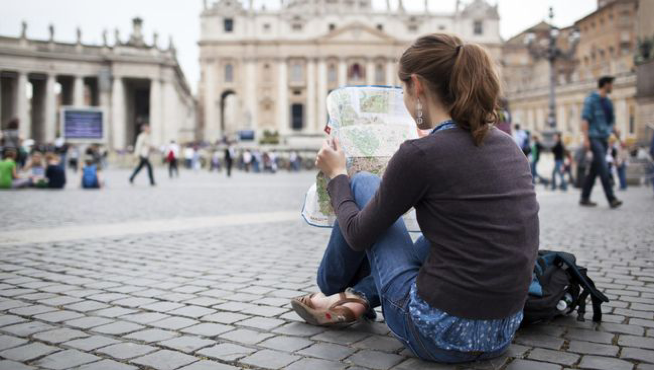
On a community level, conscious travel can contribute to local economies and the preservation of cultural heritage. When travelers engage respectfully with local communities, support local businesses, and demonstrate an appreciation for cultural traditions, they can foster positive relationships and contribute to sustainable tourism practices. This shift from mass tourism to more mindful and immersive travel can help mitigate some of the negative impacts associated with large-scale tourism, such as environmental degradation and cultural commodification.
However, the rise of lifestyle travel also presents challenges. The increasing demand for unique and off-the-beaten-path experiences can lead to overcrowding in previously pristine locations, potentially causing environmental damage and disrupting local life. The pressure to constantly seek new and exciting destinations, often fueled by social media, can also contribute to a form of "travel burnout" or an unsustainable pursuit of novelty.
Therefore, a balanced approach is crucial. Responsible travel practices, including minimizing environmental impact, respecting local cultures, and supporting ethical tourism operators, are paramount. Educational initiatives that promote cultural understanding and environmental awareness among travelers are also vital. As more individuals embrace lifestyle travel, it is imperative that this pursuit is conducted with a sense of responsibility and a genuine desire to connect with and appreciate the world.
In conclusion, the millennial generation’s prioritization of experiential travel over material accumulation marks a significant cultural and economic shift. By embracing resolve, flexibility, and adaptability, individuals can cultivate a fulfilling lifestyle centered on exploration and personal growth. As this trend continues to shape the future of travel, it is essential to foster responsible practices that ensure the enduring beauty and cultural richness of our planet for generations to come. The investment in experiences, it appears, is indeed yielding dividends far beyond financial returns, enriching lives and broadening horizons in ways that material possessions never could.