Lusiana Hamidun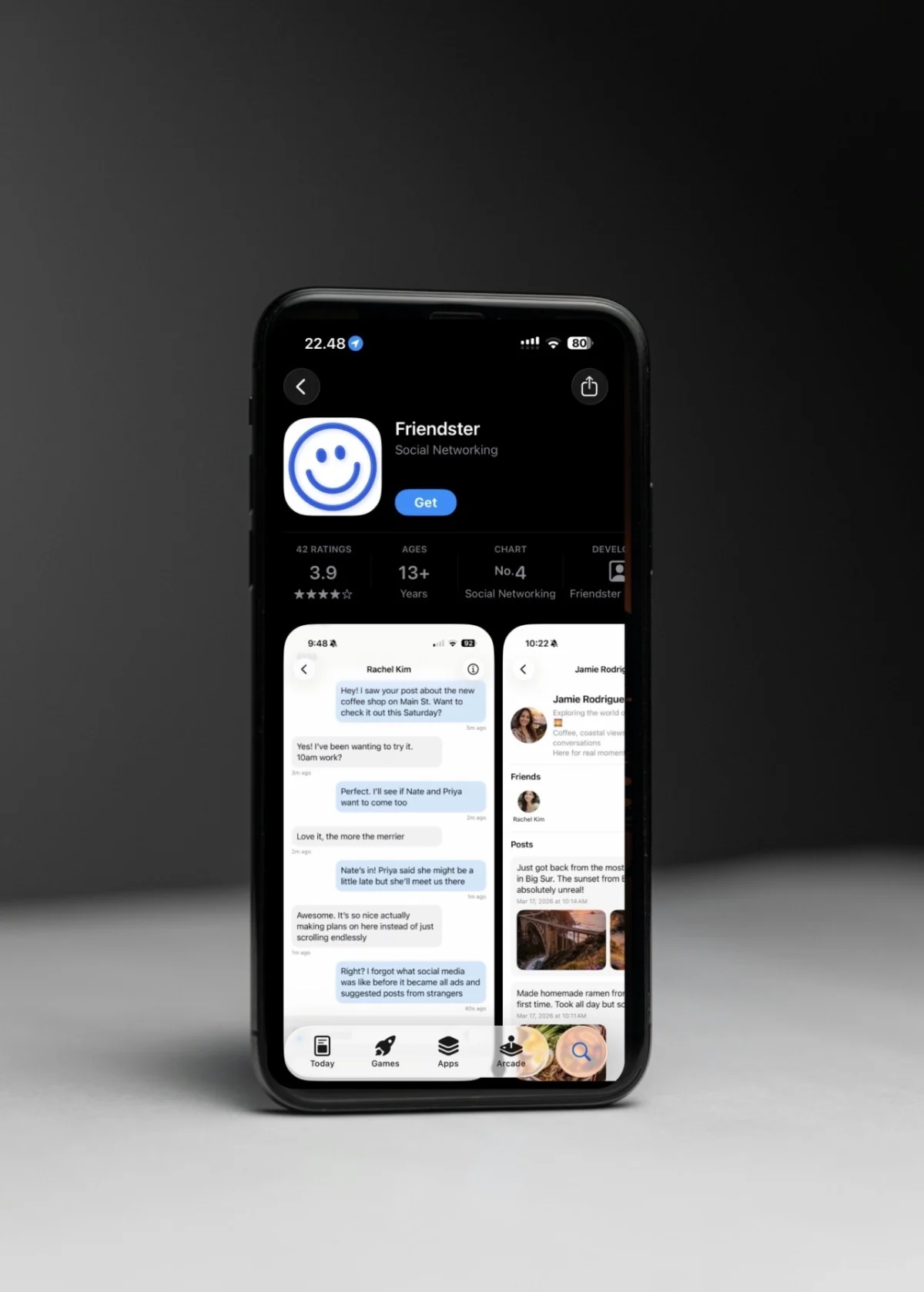
The digital landscape of 2026 is witnessing a surprising resurgence, a ghost from the early days of internet social interaction. Friendster, the platform that once served as a nascent digital identity for millions, has re-emerged from its decade-long slumber. Far from a simple retread of its past glory, this new iteration of Friendster is not merely a trip down memory lane; it represents a deliberate counter-narrative to the prevailing trends in social media, prioritizing genuine human connection over algorithmic amplification and boundless digital networking.
A Genesis of Online Identity
To understand the significance of Friendster’s return, one must recall its original context. Launched in 2002, Friendster predated the meteoric rise of Facebook, Twitter, and Instagram. In an era where dial-up modems were still common and the internet was a less saturated space, Friendster offered a revolutionary way for individuals to establish an online presence. It was a digital yearbook, a personal profile curator, and a primary tool for discovering and maintaining friendships beyond geographical limitations. Users meticulously crafted their profiles, selecting photos, writing personal bios, and curating lists of "Top Friends" – a digital declaration of social hierarchy and closeness. The platform’s distinctive feature, the testimonial section, allowed friends to leave public endorsements, akin to digital recommendation letters, further cementing the sense of a curated online community.
Friendster’s initial popularity was explosive. Within its first year, it garnered millions of users, becoming a cultural phenomenon. It democratized online identity-building, allowing individuals to express themselves in ways that were previously confined to physical interactions. For many, their Friendster profile was their first foray into managing a digital persona, experimenting with self-presentation, and navigating the nuances of online communication. The platform’s intuitive design, characterized by its customizable layouts and the now-iconic "Top Friends" feature, fostered a sense of personal ownership and engagement. The "friend request" system, while simple by today’s standards, was a crucial mechanism for initiating and formalizing online relationships. The ability to see who was friends with whom created a web of interconnectedness, a digital social graph that was both fascinating and, at times, overwhelming.
However, the platform’s rapid growth also exposed its limitations. Technical issues, slow loading times, and an inability to scale effectively led to user frustration. As more sophisticated platforms like MySpace and, subsequently, Facebook emerged with enhanced features and more robust infrastructure, Friendster began to lose its user base. By 2015, the original Friendster had officially shut down its social networking services, transitioning into a gaming platform before ultimately fading into digital obscurity. Its closure marked the end of an era for many who had built their early online lives on its foundation.
The Revival: A Deliberate Departure from the Norm
The re-emergence of Friendster in 2026, spearheaded by programmer Mike Carson, is not an attempt to recapture past market share but rather a philosophical statement on the current state of social media. Carson, reportedly based in Philadelphia, has intentionally designed the new Friendster application for iOS to be the antithesis of modern social networking giants. The core philosophy driving this revival is a radical simplification and a laser focus on fostering genuinely personal connections.
"Before social media became saturated with algorithms, follower counts, and an incessant stream of content, there was a platform that served as an initial space for many to learn how to ‘be present’ online: Friendster," the original announcement stated, highlighting the stark contrast with today’s digital environment. This sentiment underpins the entire revival.
H2: A Minimalist Design for Maximum Authenticity
The new Friendster eschews many of the features that have become ubiquitous and, arguably, detrimental to meaningful online interaction. There are no algorithms dictating what appears in a user’s feed. This means no curated content designed to maximize engagement through emotional manipulation or sensationalism. Instead, users see content only from those they are directly connected with. This absence of algorithmic intervention is a deliberate choice to return control to the user and foster organic discovery of information and updates.
Furthermore, the platform is entirely free of advertisements. This is a significant departure from the ad-supported models that dominate the social media landscape, where user data is often the primary commodity. By opting out of advertising, Friendster signals a commitment to user privacy and a focus on the user experience rather than commercial interests. This also eliminates the constant visual clutter and intrusive interruptions that have become a hallmark of many contemporary platforms.
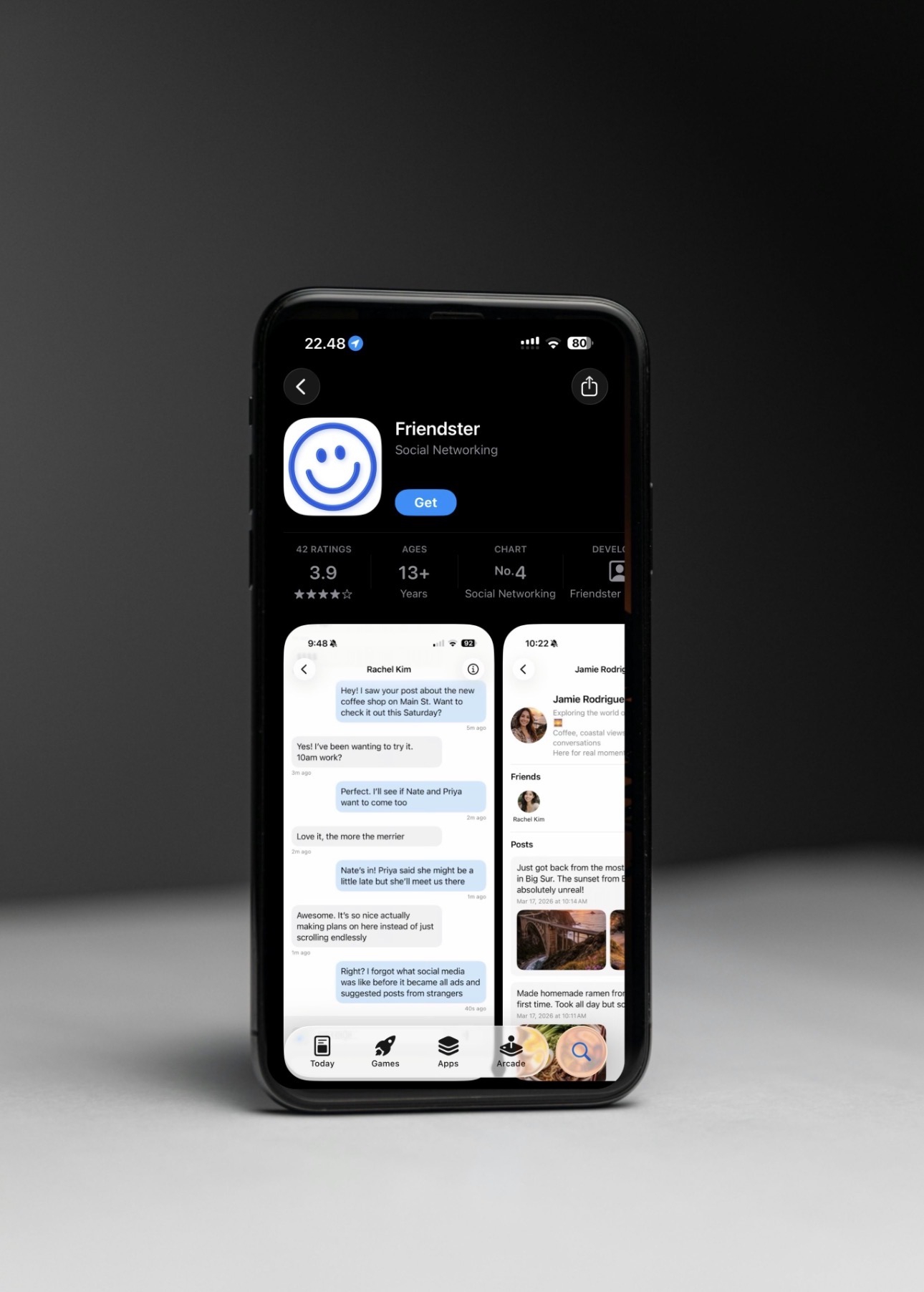
Perhaps the most striking feature of the new Friendster is its approach to friend acquisition. The platform intentionally omits the "suggested friends" feature, a common tool on other networks designed to expand user networks by identifying potential connections based on mutual friends, location, or interests. Friendster’s new model is staunchly anti-algorithmic in this regard. To connect with someone, users must physically bring their phones close together. This gesture, a simple act of proximity, is a direct call for real-world interaction. It subtly, yet powerfully, implies that a connection on Friendster should originate from a genuine, offline relationship. This method encourages users to think critically about who they want to connect with digitally, grounding their online network in their existing social circles.
H3: The Implications of a Slower, More Intentional Social Experience
This deliberate deceleration and emphasis on exclusivity stand in stark contrast to the prevailing social media paradigm. While other platforms relentlessly pursue faster content delivery, hyper-personalization driven by vast data collection, and ever-wider reach, Friendster is charting a different course. It is not aiming to be a digital entertainment hub or a global broadcast platform. Instead, it positions itself as a more tranquil, intimate space for communication.
This philosophy is further reinforced by an innovative approach to relationship dynamics. Friendster’s new model introduces a concept where friendships can "fade" if there is a lack of interaction over a specified period. This feature is designed to encourage users to actively maintain their connections, both online and, by extension, in the real world. The implicit message is that relationships require ongoing effort and engagement to thrive. While this approach promises a more authentic and less superficial social experience, it also carries the potential for exclusivity. For users accustomed to accumulating vast networks of loosely connected acquaintances, Friendster’s focus on deeper, more sustained relationships might feel restrictive.
For a generation that came of age in the early 2000s, Friendster evokes potent memories. The days of profiles with autoplaying music, lengthy personal testimonials, and the hotly debated "Top Friends" lists were a unique cultural moment. These elements, once central to digital identity, have been replaced in the new Friendster by an experience that is far more minimalist and private. The vibrant, sometimes chaotic, expression of self on early Friendster has been distilled into a more refined and introspective online presence.
The critical question arising from this revival is whether this "back to basics" approach possesses the traction to compete in today’s hyper-competitive digital ecosystem. Social media platforms have become deeply entrenched in the daily lives of billions, offering a vast array of functionalities from news consumption and entertainment to commerce and professional networking. Can a platform that deliberately limits its scope and eschews many of the features users have come to expect truly capture a significant audience?
Alternatively, is this minimalist, introspective approach precisely what is needed in an era marked by digital fatigue and concerns about the mental health impacts of constant online connectivity? The relentless pursuit of validation through likes and follows, the pressure to maintain an idealized online persona, and the pervasive feeling of being overwhelmed by information have led many to seek respite from the digital world. Friendster’s quiet, deliberate space offers an appealing alternative for those yearning for a more mindful and human-centered online experience.
Analyzing the Impact and Future Trajectory
The implications of Friendster’s return are multifaceted. On one hand, it represents a potential paradigm shift in how we conceive of social networking. If successful, it could inspire other platforms to re-evaluate their reliance on engagement-maximizing algorithms and data exploitation. It might foster a broader conversation about digital well-being and the ethical considerations of platform design. The emphasis on physical proximity for connection could even encourage more offline social activities, a welcome development in a world increasingly dominated by screens.
However, the challenges are undeniable. The network effect, the phenomenon where a platform becomes more valuable as more people use it, is a formidable hurdle for any new social network. Friendster will need to attract a critical mass of users to be viable. Its exclusivity, while a deliberate design choice, could also limit its appeal to a broader audience. The "fading friendships" feature, while promoting active engagement, could also lead to a sense of loss or disappointment for some users.
From a business perspective, the absence of advertising presents a significant challenge to sustainability. While the article doesn’t delve into monetization strategies, it’s likely that Friendster will need to explore alternative revenue streams, such as premium features or subscription models, to fund its operations. This would further differentiate it from its ad-driven competitors but could also introduce another barrier to entry for some users.
Ultimately, Friendster’s current iteration can be viewed as an experiment. It is a bold statement against the prevailing currents of the digital world, offering a vision of connection that prioritizes depth over breadth, intention over impulse, and authenticity over performance. In an era where digital burnout is a growing concern, Friendster’s re-emergence provides a thought-provoking perspective on how we choose to connect. It suggests that perhaps the future of social media isn’t about having more connections, but about fostering those that are truly meaningful. The success of this nostalgic echo in the digital age will depend on its ability to resonate with a public increasingly questioning the value of their online interactions and seeking a more grounded, human-centric digital existence.