Lusiana Hamidun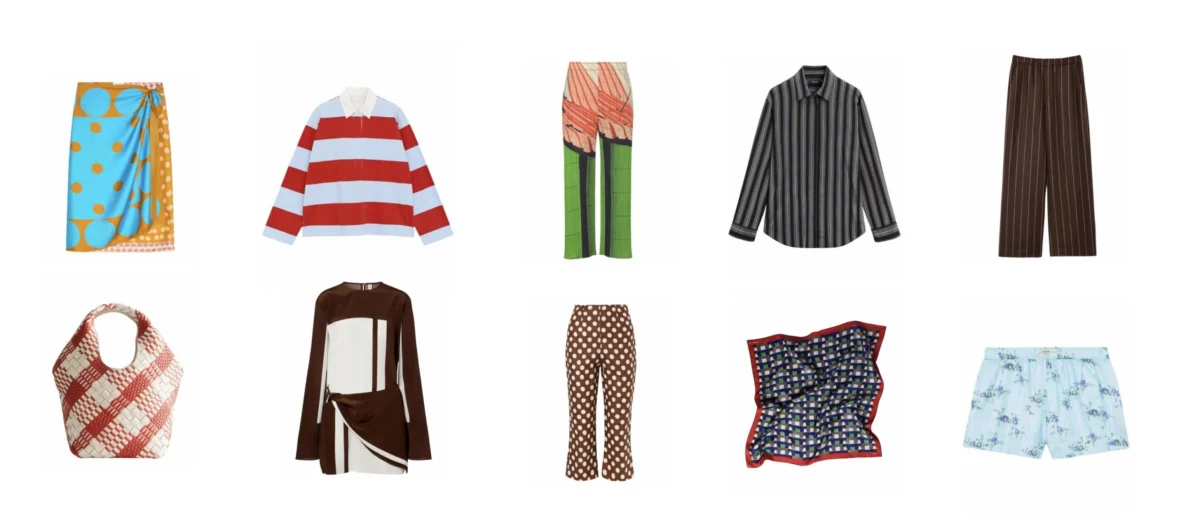
Kaleidoscopic floral motifs, bold windowpane checks, vibrant rainbow stripes, and the timeless allure of classic polka dots – these are not patterns destined for the quietude of a guest bedroom, where such an extroverted display might disrupt slumber. Instead, they represent a seismic shift, a dominant force that has unequivocally claimed the runways for the Spring/Summer 2026 season. Eschewing the predictable safety of neutrals or the stark minimalism of all-black ensembles, the concept of "printmaxxing" has ascended from a nascent trend to a focal point of contemporary fashion discourse. This evolution signals a departure from mere pattern application to a more intentional, artful integration of prints, where the art of combination becomes paramount. The term "maxxing" itself implies an amplification, a deliberate exaggeration and mastery of pattern usage, moving beyond simple coordination to a sophisticated dialogue between diverse prints.
The Genesis of a Pattern Revolution
The emergence of printmaxxing as a defining trend for Spring/Summer 2026 is not an isolated incident but rather a natural progression within the fashion landscape. Following seasons that saw a resurgence of minimalist aesthetics and a continued fascination with logomania, designers have pivoted towards a more expressive and individualistic approach. The desire for garments that speak volumes, that carry a narrative, and that allow wearers to project a distinct personality has fueled this embrace of maximalist print strategies. This shift can be observed against a backdrop of a global fashion industry continually seeking innovation and ways to capture consumer attention in an increasingly saturated market.
The underlying philosophy of printmaxxing is rooted in the idea that prints are no longer mere embellishments but integral components of a garment’s design and narrative. The "maxxing" aspect refers to the skillful and often audacious way these patterns are employed. This can manifest in several ways: the daring juxtaposition of two seemingly disparate motifs, creating a visual tension that is both exciting and harmonious, or the selection of a single, intensely captivating garment that commands attention and generates its own "visual chatter" through its sheer boldness. This approach challenges the conventional wisdom of pattern pairing, encouraging a more experimental and personal interpretation of style.
Celebrity Endorsements and Runway Interpretations
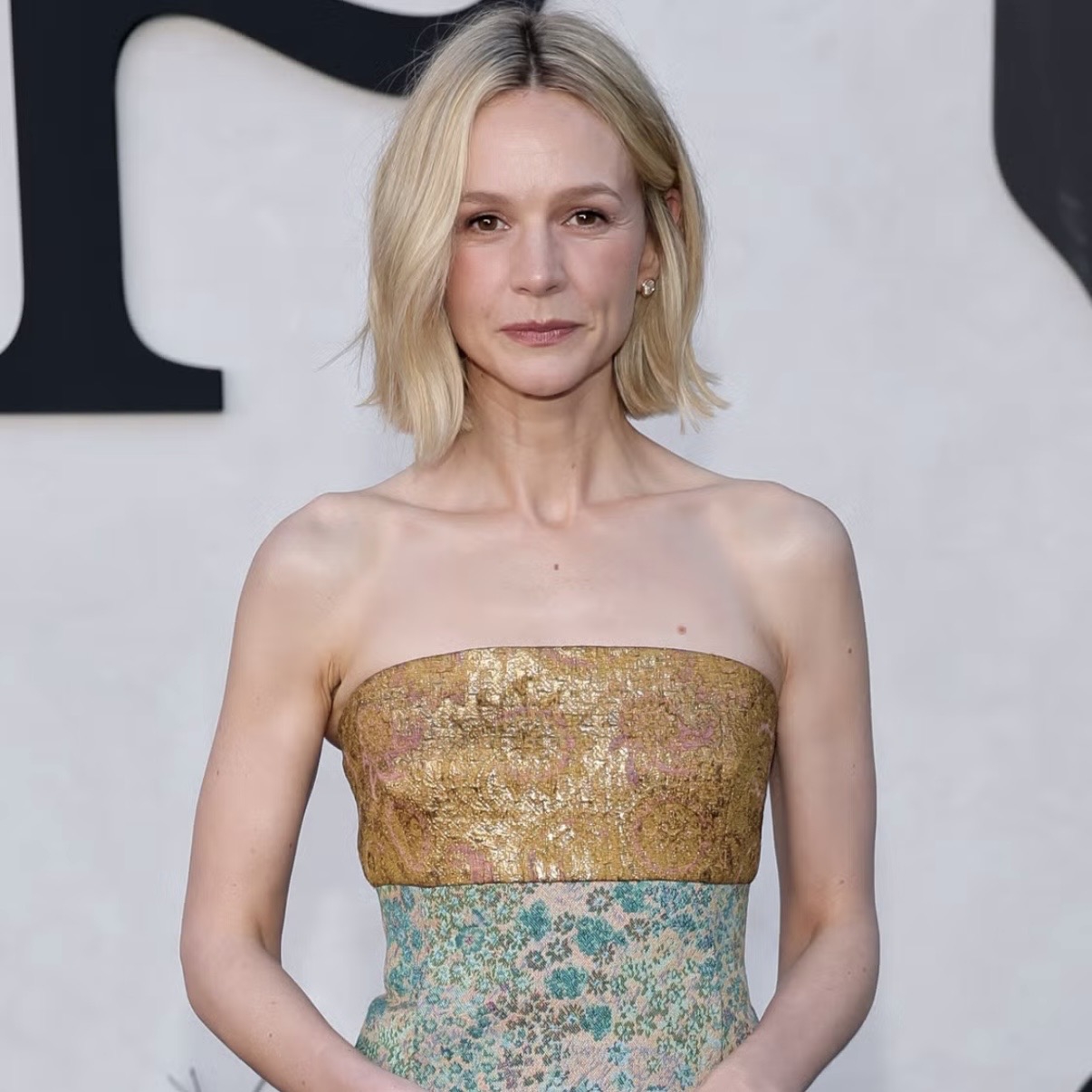
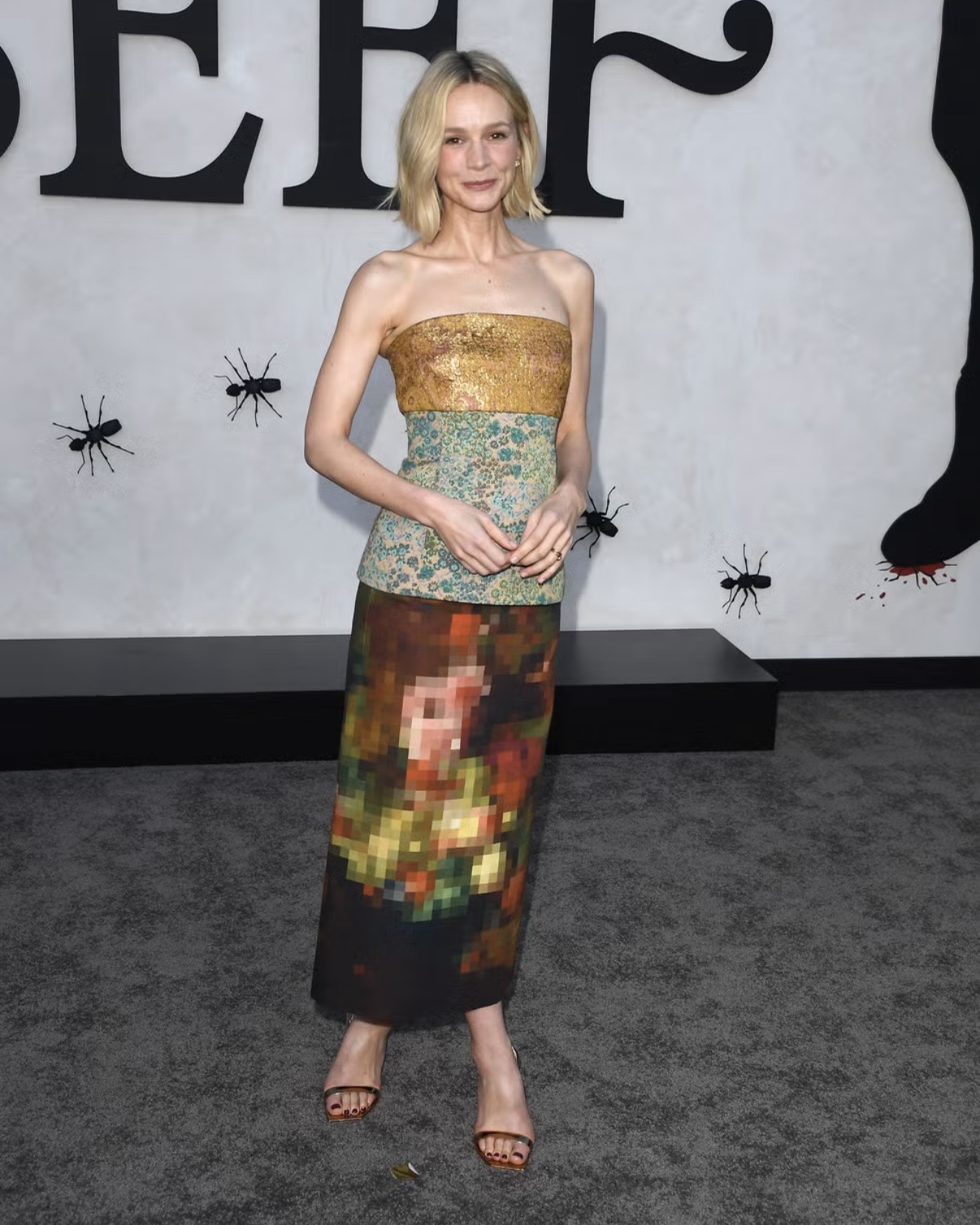
The impact of printmaxxing has been swiftly amplified by its adoption on red carpets and within high-fashion collections. Carey Mulligan, for instance, recently graced an event in a striking Dries Van Noten creation, a label intrinsically associated with the art of print. Her strapless gown was a masterful example of printmaxxing, seamlessly blending three distinct floral motifs. These ranged from large, bold blooms to smaller, more delicate iterations, and a particularly intriguing pixelated blur that evoked the soft, organic lines of petals, stems, and leaves. This ensemble demonstrated how a single garment can tell a complex visual story through the layered application of varied patterns.
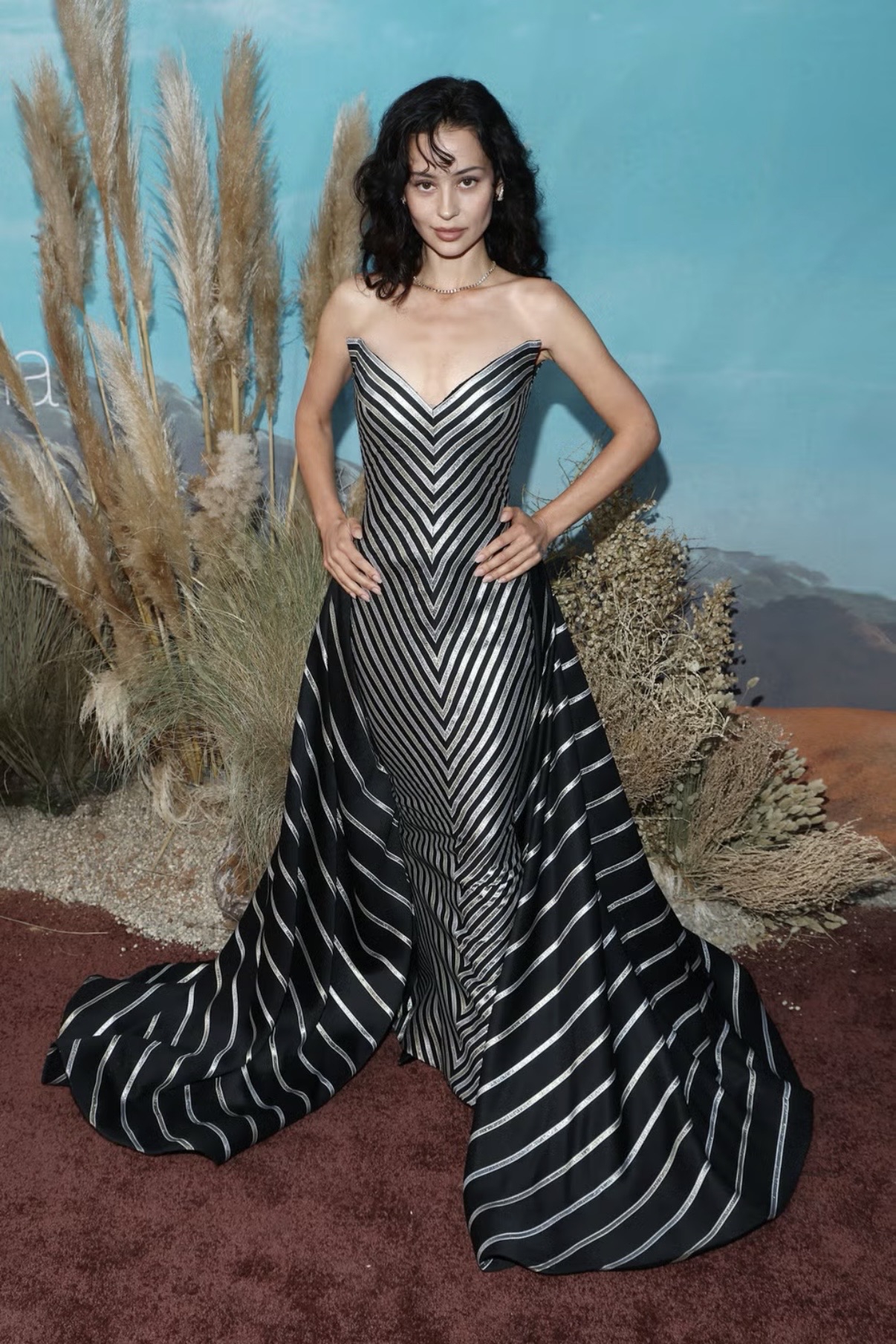
Further testament to the trend’s reach was Alexa Demie’s captivating appearance at the premiere of the third season of Euphoria. Channeling a modern showgirl aesthetic, Demie donned a vintage Bob Mackie gown characterized by dramatic, multi-directional stripes. The power of this design lay in its amplification; while a single stripe might be conventional, the interplay of multiple, divergent lines created a novel and arresting visual effect.
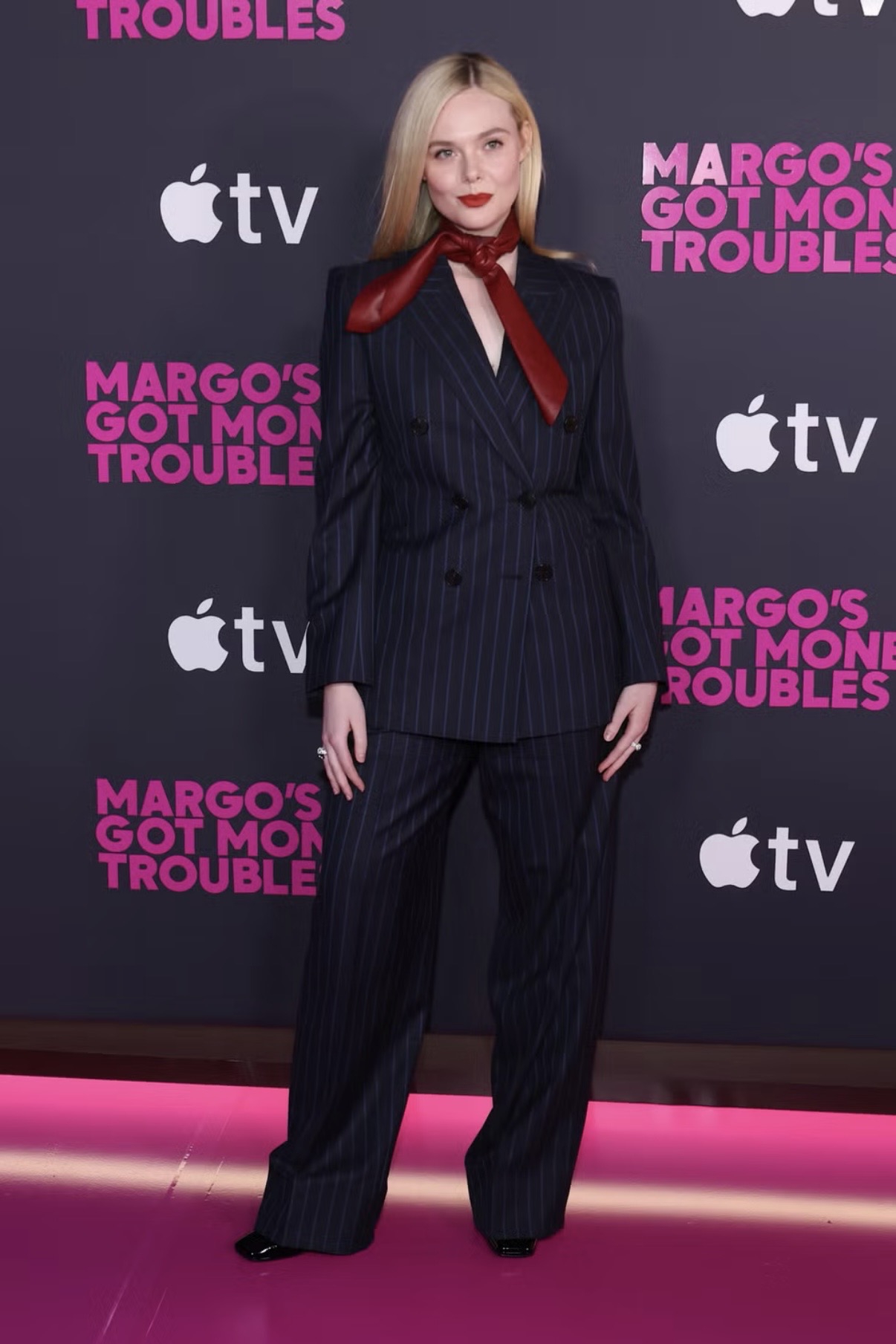
Meanwhile, Elle Fanning reinterpreted the classic pinstripe at the premiere of Margot’s Got Money Troubles. Her Givenchy by Sarah Burton two-piece suit showcased a sophisticated take on the trend. The "maxxing" element was introduced through a daring styling choice: a leather neckerchief, reminiscent of a men’s tie, rendered in a striking blood-red hue that perfectly complemented her lipstick. This deliberate accent elevated the ensemble from a classic silhouette to a statement of bold individuality.
Brands Leading the Printmaxxing Charge
Several fashion houses have long been pioneers in the art of print, effectively establishing themselves as "halls of fame" for printmaxxing. Dries Van Noten, as previously mentioned, stands out for its unparalleled ability to manipulate prints with the same fluidity and intuition as one would approach color. The brand consistently demonstrates how to integrate diverse patterns, from oversized polka dots to distorted spirals, treating them with the reverence and versatility typically reserved for neutral tones. Incorporating a Dries Van Noten scarf-tie skirt into one’s spring wardrobe, for example, is an almost unconscious act of embracing printmaxxing.
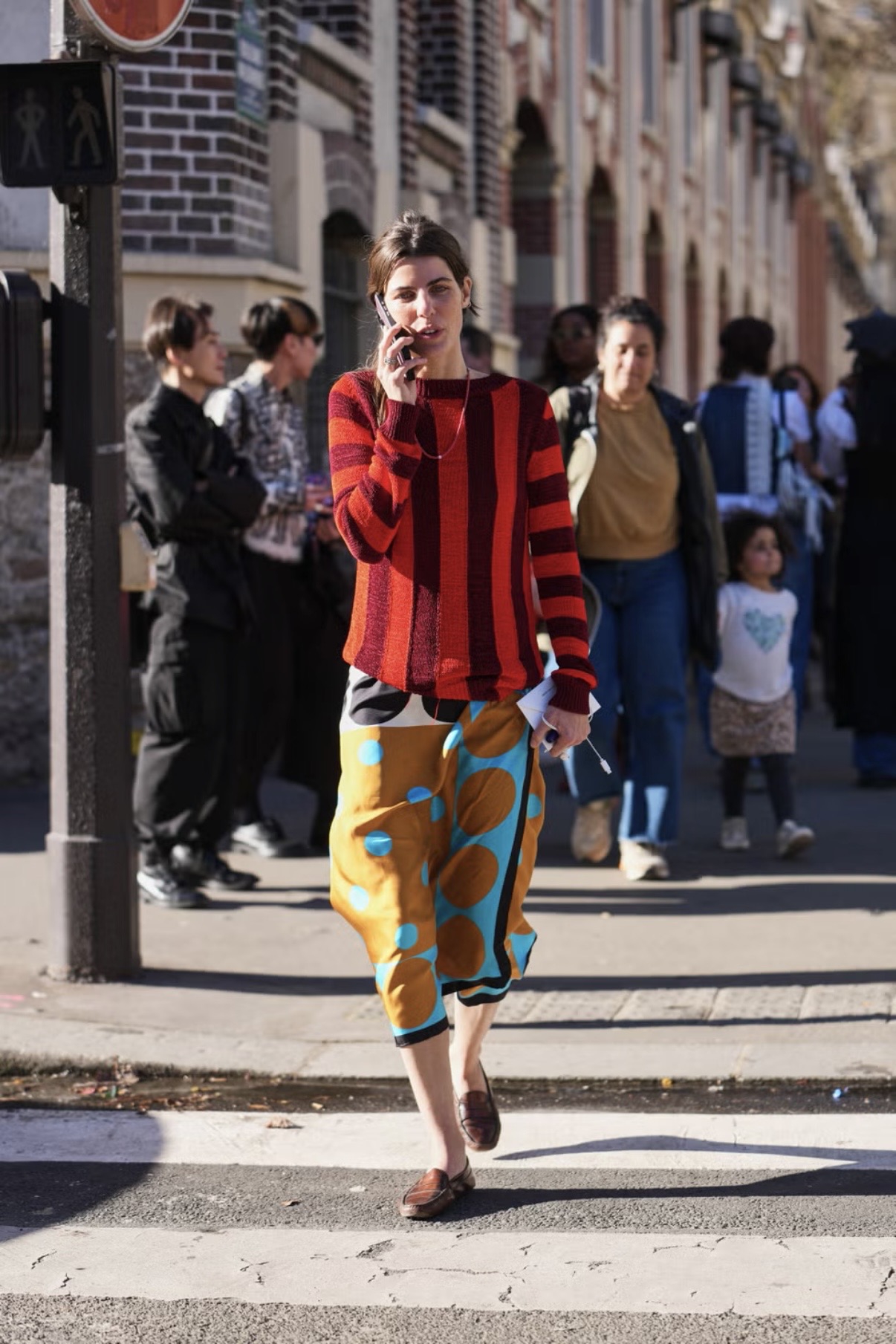
Laura Vidrequin Roso, a former buyer and brand consultant, exemplifies this approach. In Paris, she was photographed wearing a Dries Van Noten scarf-tie skirt, artfully tied at the waist like a pareo. She paired this with a vertically striped knit top in tangerine and burgundy. "I love this piece for summer and feel it should be seen more on the streets," she remarked. "The top balances the colors and breaks up the geometric shape at the bottom. People loved it. I think colorful outfits are like a warm greeting to an old friend. It feels inviting and full of warmth." Her styling highlights the potential for printmaxxing to inject joy and personality into everyday wear.
Another brand consistently pushing the boundaries of print innovation is Issey Miyake’s Pleats Please line. Their "City College" trousers, featuring the brand’s signature elasticated waistband and distinctive pleats, offer a compelling visual narrative. These trousers depict a "constantly changing urban landscape, composed of a layered collage of magnified photographs," showcasing a complex interplay of graphic elements that embodies the printmaxxing ethos.
For many designers, print is not merely an aesthetic choice but the very core of their brand identity. In New Delhi, the label Lovebirds dedicates considerable time and resources to developing unique motifs, a process that can span weeks or even months. Founders Gursi Singh and Amrita Khanna explain their intricate design philosophy: "It usually starts with an idea or a reference from our surroundings, from architecture, landscapes, or textures from places we visit. The process can begin with sketches, photography, or craft experiments like tie-dye, batik, or shibori."
A standout print from their recent collection is a "garden print" inspired by the tropical gardens of Sri Lanka. Featuring banana leaves and tropical lotus flowers, the motif was rendered in black and white to achieve a more "restrained" feel, reminiscent of the architectural style of Geoffrey Bawa. This design also serves as a subtle homage to the butterfly pond at Lunuganga, demonstrating how prints can carry deep personal and cultural significance.
Practical Approaches to Embracing Printmaxxing
For those who remain tentative about integrating printmaxxing into their daily wardrobes, Vidrequin Roso offers practical advice. "Start with one piece, away from the face or neck, and build from there," she suggests. "It’s usually easier to wear prints on the bottom half. If you’re wearing a patterned top, you can balance it by layering a shirt over it." The key, according to both designers and stylists, is to approach prints with a sense of liberation.
Khanna of Lovebirds emphasizes this point: "Prints are actually freeing. They give energy and character to an outfit without needing many additions. Think of prints like color and another way to express yourself." This perspective encourages a move away from rigid fashion rules and towards a more intuitive and playful engagement with patterns. The implication is that printmaxxing, when approached with confidence and creativity, can become a powerful tool for self-expression, allowing individuals to curate a wardrobe that is both visually dynamic and deeply personal.
Broader Implications and Future Trajectories
The ascendancy of printmaxxing signals a significant shift in consumer preferences and designer priorities. It reflects a broader cultural inclination towards maximalism and a rejection of the perceived monotony of overly minimalist aesthetics. This trend is likely to have a ripple effect across the fashion industry, influencing not only apparel design but also accessories and even home décor.
The emphasis on craftsmanship and the development of unique prints, as exemplified by Lovebirds, also highlights a growing appreciation for artisanal techniques and the stories embedded within fashion. This could lead to a renewed focus on sustainable and ethically produced textiles, as brands invest more in the intricate processes required to create compelling prints.
Furthermore, the success of printmaxxing suggests a move away from the fleeting nature of trends like logomania, which often rely on overt branding. Instead, printmaxxing offers a more nuanced and enduring form of personal expression. The ability to combine and layer prints allows for infinite permutations, ensuring that individual style remains paramount.
The Spring/Summer 2026 season, defined by the bold embrace of printmaxxing, serves as a potent reminder that fashion is a dynamic and evolving art form. It encourages us to step outside our comfort zones, to experiment with color and pattern, and to view our wardrobes not as a collection of garments, but as a canvas for self-expression. As the fashion world continues to embrace this vibrant new direction, we can anticipate a future filled with visually rich and deeply personal sartorial statements.