Nila Kartika Wati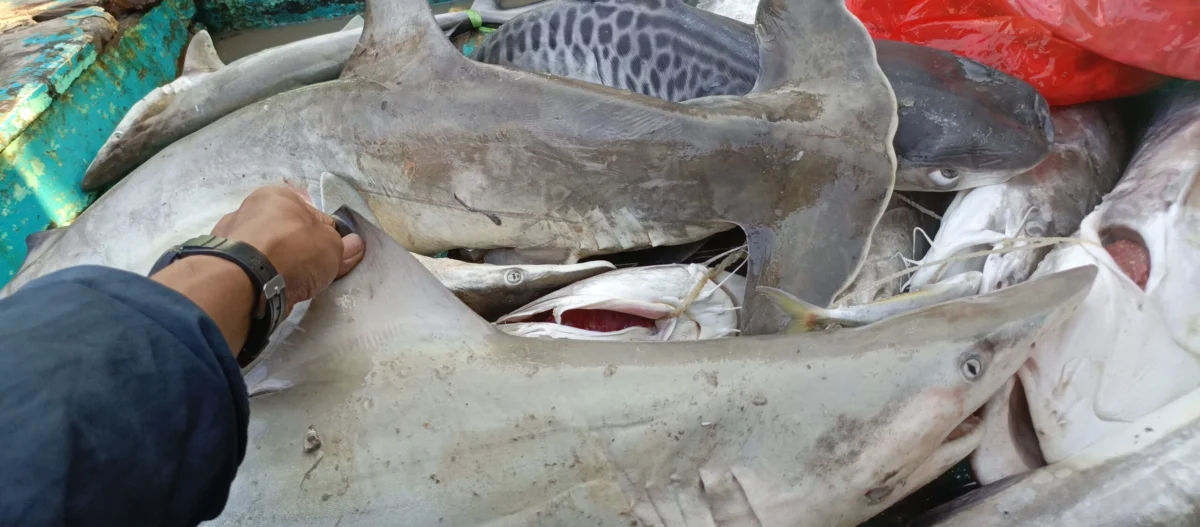
The 15th Conference of the Parties to the Convention on the Conservation of Migratory Species of Wild Animals (CMS COP15), recently concluded in Brazil, has marked a pivotal turning point in international wildlife diplomacy. Amidst growing alarm over the rapid decline of transboundary fauna, delegates from around the globe reached a landmark agreement to elevate the protection status of 40 migratory species. This decision comes at a critical juncture as scientists warn that nearly half of the world’s migratory species are experiencing population declines, with many teetering on the edge of extinction due to human-induced pressures.
The conference, often referred to as the "Bonn Convention" after the city where it was first drafted 47 years ago, now provides a framework for the protection of over 1,200 unique species. The latest upgrades include a diverse array of avian, aquatic, and terrestrial animals, ranging from the elusive snow owl of the tundra to the majestic giant otters of the Amazon. By placing these species into Appendix I and Appendix II of the convention, the international community has committed to a tiered system of safeguards designed to halt their disappearance from the wild.
Strengthening the Legal Framework: Appendix I and II Explained
The core of the CMS framework relies on its two appendices, which dictate the level of international cooperation required for a species’ survival. Appendix I is reserved for migratory species that are categorized as being in danger of extinction throughout all or a significant portion of their range. For these animals, the convention mandates strict protection, effectively prohibiting their "taking" or harvesting and requiring member states to conserve and restore their habitats.
In contrast, Appendix II covers species that have an unfavorable conservation status or those that would significantly benefit from international cooperation organized by tailored agreements. While Appendix II allows for regulated use, it necessitates stringent management protocols to ensure that such use is sustainable and does not jeopardize the species’ long-term viability. Of the 40 species upgraded during the Brazil summit, several were moved to Appendix I, reflecting an urgent need for total protection, while others were added to Appendix II to foster better cross-border management.
Amy Fraenkel, the Executive Secretary of the CMS, expressed a mixture of relief and urgency following the negotiations. She noted that the expansion of the list to include the striped hyena, snow owl, and the great hammerhead shark demonstrates an increasing global awareness of the interconnectedness of ecosystems. However, she emphasized that the success of these listings depends entirely on the transition from policy to practice.
A Growing Crisis: The State of the World’s Migratory Species 2024
The decisions made at COP15 were heavily informed by the "State of the World’s Migratory Species 2024" report, a comprehensive assessment presented during the summit. The findings were stark: of the 1,189 species currently listed under the CMS, 70 are facing an escalating threat of extinction. The report highlighted that while 14 species have shown signs of recovery, the overall trend is one of significant decline.
The crisis is particularly acute in the aquatic realm. Migratory fish populations have plummeted by an average of 90% since the 1970s. Even more alarming is the fact that 97% of migratory fish species listed under the CMS are currently threatened with extinction. This decline is attributed to a "triple whammy" of overexploitation, habitat fragmentation caused by dams and infrastructure, and the pervasive impacts of climate change.
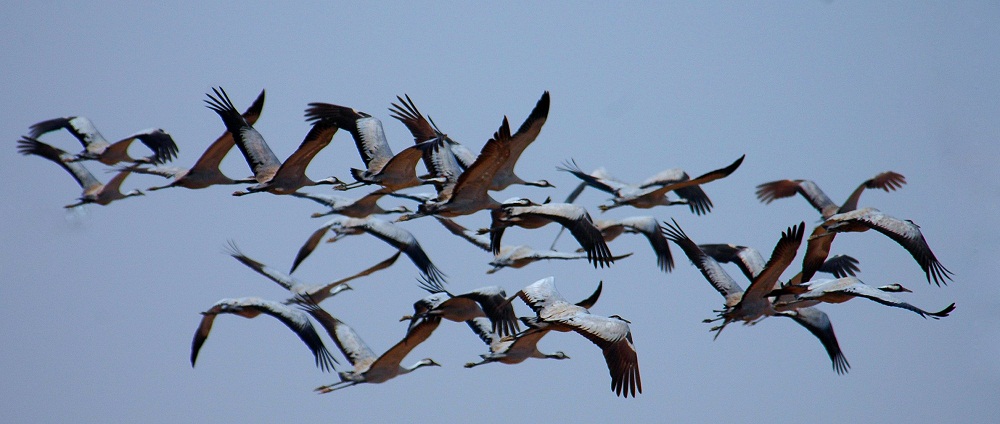
In the avian sector, 18 species of migratory shorebirds were identified as having a significantly higher risk of extinction than previously thought. These birds rely on specific "flyways"—geographical corridors that span multiple countries—making them vulnerable to habitat loss at any single point in their journey. If a critical stopover site is destroyed by urban development or industrial pollution in one country, the entire migratory population can collapse, regardless of the conservation efforts in neighboring nations.
The Threat of Deep-Sea Mining and Industrial Exploitation
One of the most contentious and vital topics discussed during the convention was the emerging threat of deep-sea mining. As the global demand for minerals used in green technology increases, industrial interest in the seabed has intensified. However, the CMS delegates warned that such activities could have catastrophic consequences for marine migratory species.
Scientific studies presented at the conference indicated that deep-sea mining generates massive plumes of sediment and toxic waste. These plumes can travel long distances, disrupting the navigation systems of deep-diving whales and sharks. Furthermore, the noise pollution generated by underwater machinery can interfere with the acoustic communication of cetaceans, such as the sperm whale (Physeter macrocephalus), which was a focal point of the coordinated conservation actions approved at the summit.
The convention formally recognized that deep-sea mining poses risks including habitat destruction, increased ship strikes, and persistent noise in sensitive marine environments. The impact is expected to be felt by nearly half of all marine mammals protected under the convention, as well as sea turtles, seabirds, and various species of rays and sharks.
Global Responsibility and Transboundary Cooperation
Joao Paulo Capobianco, the Chairman of CMS COP15 and Executive Secretary of Brazil’s Ministry of Environment and Climate Change, framed the protection of migratory species as a matter of "intergenerational responsibility." He argued that migratory animals connect humans across political and bureaucratic boundaries in a way that no treaty or trade agreement can.
"These animals are a form of investment in nature," Capobianco stated. "They remind us that we must uphold ecological integrity beyond our own borders. Their survival is a testament to our ability to work as a global community."
To this end, the conference approved 16 new "Coordinated Actions." These are specific, time-bound plans designed to protect vulnerable populations. Key among these are efforts to conserve the sand tiger shark (Carcharias taurus), the basking shark (Cetorhinus maximus), and the blue shark (Prionace glauca). The summit also focused on the Eastern Tropical Pacific sperm whale and the Lahille’s bottlenose dolphin, both of which require multi-national patrol and monitoring efforts to survive.
The Indonesian Perspective: A Strategic But Complex Role
As a "mega-biodiversity" nation situated at the crossroads of major migratory routes, Indonesia’s role in wildlife conservation is critical. However, its relationship with the CMS remains complex. Decky Indrawan Junaedi, Head of the Biota System Research Center at the National Research and Innovation Agency (BRIN), noted that the CMS is essential for maintaining ecological balance in the Indo-Pacific region.
"Migratory species like sharks play a vital role in ensuring that the fish populations beneath them remain balanced," Junaedi explained. "Without them, we face the risk of overpopulation of certain species and the total extinction of others."
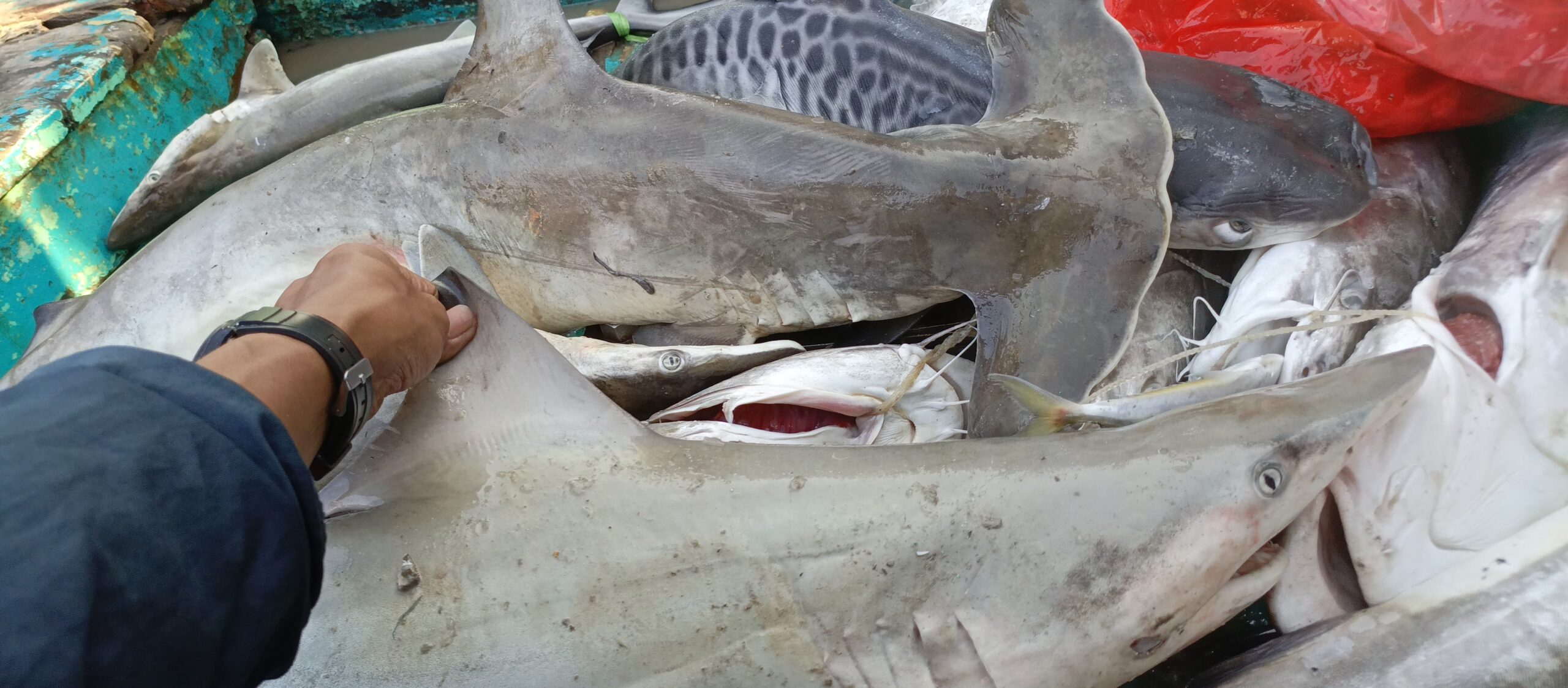
Despite this recognition, Indonesia has not yet ratified the CMS. Fahmi, a senior shark researcher at BRIN’s Oceanography Research Center, clarified that while Indonesia follows the mandates of CITES (The Convention on International Trade in Endangered Species of Wild Fauna and Flora), it is not legally bound by CMS resolutions.
"Because Indonesia is not a member state of the CMS, there is no obligation to follow the decisions or policies issued by the convention," Fahmi stated. He noted, however, that Indonesia often voluntarily adopts certain CMS action plans if they align with national interests or existing CITES regulations. For example, many shark species listed in the CMS are also regulated under CITES, which Indonesia has ratified, leading to a de facto synchronization of protection for species like the hammerhead shark.
The challenge for Indonesia, according to researchers, lies in the high cost and technological demands of monitoring migratory species. Tracking animals across seasons and vast oceanic territories requires advanced telemetry and long-term funding—resources that are often diverted to other pressing economic needs.
Moving Forward: Bridging the Gap Between Policy and Action
The conclusion of COP15 has set a high bar for global conservation, but the path ahead is fraught with difficulty. The primary challenge remains the "implementation gap." While 40 species received upgraded status on paper, the reality on the ground—or in the water—is often different. Illegal wildlife trade, plastic pollution, and the relentless expansion of human infrastructure continue to outpace conservation efforts.
Experts at the conference stressed that the world cannot afford to wait for the next meeting to begin enforcement. The "State of the World’s Migratory Species" report revealed that more than half of the world’s Key Biodiversity Areas (KBAs) that serve as critical habitats for migratory species currently have no official protection status. Closing this gap will require not only political will but also a significant increase in financial resources for developing nations that host these species during their journeys.
As the delegates departed Brazil, the message was clear: migratory species are the "connective tissue" of the planet’s ecosystems. Their decline is a warning sign of a fracturing natural world. By elevating the protection of these 40 species, the CMS has provided a roadmap for recovery, but the ultimate success of this initiative will be measured by whether these animals can continue to cross borders safely in an increasingly fragmented world.