Nasution Nanang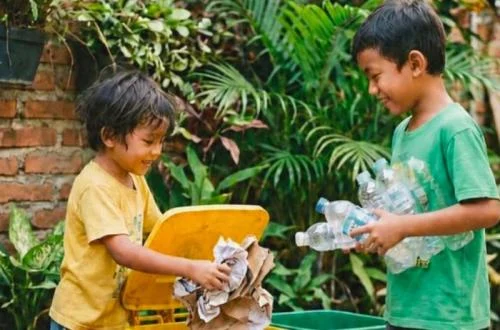
The Government of Kepulauan Seribu Regency has officially commenced the implementation of a comprehensive waste segregation and processing system at the household level across its entire jurisdiction. This pivotal environmental initiative, effective August 1, 2026, directly follows the mandate outlined in Governor’s Instruction No. 5 Year 2026, which unequivocally stipulates the necessity of waste separation at its point of origin. This strategic move aims to revolutionize waste management practices within the archipelago, addressing long-standing environmental challenges and significantly reducing the volume of refuse destined for Jakarta’s overburdened landfills.
Addressing a Pressing Environmental Imperative in the Archipelago
Kepulauan Seribu, a collection of islands renowned for its pristine beaches, vibrant marine ecosystems, and burgeoning tourism industry, faces unique and exacerbated challenges when it comes to waste management. As a popular tourist destination, the islands experience a significant influx of visitors, leading to an increased generation of waste, much of which is plastic. The delicate marine environment, home to diverse coral reefs and marine life, is particularly vulnerable to pollution, with mismanaged waste frequently ending up in the surrounding waters, posing a severe threat to biodiversity and the local economy dependent on tourism and fishing. Historically, waste collection and transportation from the scattered islands to mainland Jakarta’s landfills, primarily the Bantar Gebang Temporary Processing Site (TPA), has been a logistical and financial strain. The previous system, largely reliant on mixed waste collection, often resulted in inefficiencies, environmental degradation, and a missed opportunity to recover valuable resources. The new policy represents a decisive shift from a linear "take-make-dispose" model to a more sustainable, circular approach, emphasizing resource recovery and waste minimization.
Aldi Jansen, the Head of the Environmental Agency (Sudin Lingkungan Hidup) for Kepulauan Seribu, has been at the forefront of this transformative undertaking. He underscored the collaborative nature of the program, stating, "We are actively engaging in extensive socialization of this program, working hand-in-hand with sub-districts (kecamatan), urban villages (kelurahan), and all relevant work units within the Kepulauan Seribu Regency government." This multi-stakeholder approach is deemed crucial for fostering widespread community participation and ensuring the seamless integration of the new system into daily life. To further incentivize compliance and facilitate the transition, the local government has committed to providing essential facilities and infrastructure, such as segregated waste bins and community composting units, designed to empower residents to actively participate in the sorting process.
The Mandate: Governor’s Instruction No. 5 Year 2026
The bedrock of this new waste management paradigm is Governor’s Instruction No. 5 Year 2026. This comprehensive directive extends beyond Kepulauan Seribu, mandating all regions within DKI Jakarta Province to implement source-based waste segregation. The instruction requires households to meticulously separate their waste into four distinct categories: organic, inorganic, Hazardous and Toxic Materials (B3), and residue. This granular separation is critical to ensuring that each waste stream is directed to the appropriate processing pathway, maximizing recycling and recovery efforts while minimizing the volume of waste sent to landfills. For organic waste, this means composting or anaerobic digestion; for inorganic waste, it means recycling into new products; for B3 waste, it necessitates specialized and safe disposal; and only the non-recyclable, non-compostable residue is earmarked for landfilling.
Aldi Jansen emphatically reiterated the binding nature of the instruction, stating, "Starting August 1, 2026, all regions, including Kepulauan Seribu, must orderly implement this policy." This firm deadline underscores the urgency and seriousness with which the provincial government views the waste crisis. The instruction is a direct response to the escalating challenges faced by Jakarta’s primary landfill, Bantar Gebang, which is rapidly approaching its maximum capacity. With an estimated daily waste generation of over 7,500 tons in Jakarta alone, and Bantar Gebang’s operational lifespan projected to end within the next few years if current disposal rates continue, urgent and drastic measures are indispensable. By mandating source segregation, the government aims to drastically reduce the burden on landfills, extend their operational lives, and foster a more sustainable urban environment.
Operationalizing the Vision: From Source to Processing
The ultimate goal of this rigorous waste segregation and processing framework is to drastically minimize the volume of waste transported to the Bantar Gebang TPA, ensuring that only irreducible residue reaches the facility. The Environmental Agency of Kepulauan Seribu has outlined a robust implementation strategy that encompasses several key phases and ongoing activities.
Firstly, extensive socialization campaigns are underway. These campaigns involve community meetings, workshops, distribution of informational materials, and direct engagement with residents to educate them on the importance of waste segregation, the specific categories, and the practical steps involved. The involvement of local community leaders, religious figures, and youth groups is vital in disseminating this information effectively and fostering a sense of collective responsibility.
Secondly, pendampingan (assistance and guidance) will be provided to households during the initial phases of implementation. This involves environmental agency staff or trained community facilitators visiting homes, offering practical advice, demonstrating proper sorting techniques, and addressing any questions or challenges residents may encounter. This hands-on approach is crucial for overcoming initial resistance and embedding new habits.
Thirdly, a declaration of waste segregation will be formalized across various community units within DKI Jakarta Province, signifying a collective commitment to the policy. This public commitment serves to reinforce the seriousness of the initiative and encourage peer accountability.
A critical component of the strategy is the monitoring and supervision of the entire waste stream. The Sudin LH will rigorously ensure that waste arriving at Temporary Waste Facilities (TPS) from households is already properly segregated. This necessitates a change in collection practices, potentially involving different collection schedules or vehicles for different waste categories. If instances of non-compliance or improper sorting are detected at the household level or upon arrival at the TPS, a structured "pembinaan" (guidance or coaching) process will be initiated. This initial approach focuses on education and correction rather than immediate punitive measures, aiming to foster understanding and adherence through support. Furthermore, the transportation of waste from the TPS to the final processing facilities or the TPA must also maintain the integrity of the segregation, meaning different types of waste will be transported separately to their respective destinations. This ensures that the effort put into sorting at the source is not undermined during subsequent logistical stages.
Incentives, Infrastructure, and Community Engagement
The success of such a sweeping behavioral change initiative hinges significantly on both strong enforcement and effective incentives. The Kepulauan Seribu government’s pledge to provide "sarana dan prasarana" (facilities and infrastructure) is a crucial element of its incentive strategy. This could manifest in several forms:
- Provision of Segregated Bins: Distributing color-coded bins or multi-compartment bins to households can make the act of sorting more convenient and visually intuitive.
- Community Composting Centers: Establishing communal composting sites, especially for organic waste, can provide a tangible benefit (e.g., free compost for gardens) and reduce the burden of organic waste disposal.
- Material Recovery Facilities (MRFs): Investing in small-scale MRFs on some of the larger islands could allow for further sorting, baling, and aggregation of recyclable materials, making them more attractive to recycling industries.
- Waste Bank (Bank Sampah) Development: Strengthening or establishing new waste banks where residents can exchange segregated recyclable materials for monetary value or basic goods. This directly links environmental action to economic benefit, empowering communities and providing a sustainable income stream for waste management efforts. Currently, waste banks have shown promising results in other parts of Indonesia, converting waste into economic assets.
The active collaboration with local administrative units (kecamatan, kelurahan) and other government bodies is instrumental in tailoring these incentives and infrastructure to the specific needs and geographical characteristics of each island. Given the scattered nature of the archipelago, decentralized solutions and community-led initiatives are likely to be more effective than a one-size-fits-all approach.
Broader Impact and Implications
The successful implementation of source-based waste segregation in Kepulauan Seribu carries profound implications, not only for the local environment and economy but also as a potential model for other coastal and island communities grappling with similar challenges.
Environmental Impact:
The most immediate and tangible benefit will be a significant reduction in marine pollution. By preventing mixed waste from entering the ocean, the policy will protect coral reefs, mangroves, and diverse marine species from the destructive effects of plastic and other pollutants. Cleaner beaches and waters will enhance the natural beauty of the islands, which is critical for their tourism appeal. Furthermore, proper processing of organic waste through composting will reduce greenhouse gas emissions (methane) typically generated in landfills, contributing to climate change mitigation efforts.
Economic Benefits:
The policy is poised to unlock new economic opportunities. The value of recycled materials (plastics, paper, metals) will be harnessed, potentially stimulating local recycling industries or creating jobs in waste collection, sorting, and processing. Waste banks can empower local communities economically. A cleaner environment will also enhance the appeal of Kepulauan Seribu as a tourist destination, potentially increasing visitor numbers and boosting local livelihoods dependent on tourism, such as homestays, dive operators, and local food vendors. Reduced waste volume also means lower transportation costs to Bantar Gebang, freeing up resources for other essential services.
Social Transformation:
This initiative represents a significant cultural shift towards greater environmental consciousness and responsibility. By involving residents directly in waste management, it fosters a sense of ownership and collective action. Community-led initiatives, such as local composting programs or waste bank cooperatives, can strengthen social cohesion and empower residents. The younger generation, in particular, will grow up with ingrained habits of waste segregation, leading to a more environmentally aware citizenry in the long run.
Challenges and Long-Term Sustainability:
Despite the ambitious goals and robust planning, the program faces inherent challenges. Behavioral change is often slow and requires sustained effort. Maintaining consistent public engagement, providing continuous education, and ensuring the long-term funding for infrastructure and incentives will be crucial. The unique logistical complexities of an archipelago, including inter-island transportation and varied population densities, will require adaptive strategies. Moreover, the enforcement mechanism, particularly the transition from "pembinaan" to potentially more stringent measures for persistent non-compliance, will need to be clearly defined and equitably applied to ensure the policy’s long-term effectiveness. The integration of informal waste pickers (pemulung) into the formal system will also be a critical aspect to ensure social equity and optimize resource recovery.
The Kepulauan Seribu waste segregation initiative, driven by Governor’s Instruction No. 5 Year 2026 and spearheaded by the dedicated efforts of the local Environmental Agency, marks a pivotal moment in Jakarta’s journey towards sustainable urban living. With its effective date of August 1, 2026, fast approaching, the eyes of environmental advocates and urban planners alike will be keenly focused on this archipelago, hoping its success can illuminate a path for other regions struggling to manage their ever-growing waste mountains and protect their precious natural heritage. This endeavor is more than just about managing waste; it is about cultivating a sustainable future for the islands and their inhabitants.