Paryono Ramadhan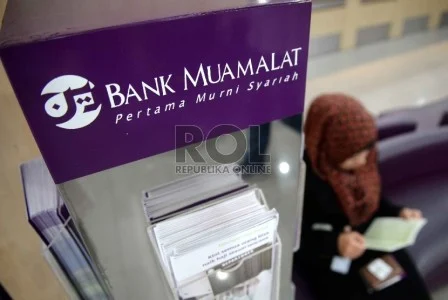
Bank Muamalat, Indonesia’s pioneering Islamic financial institution, is making a concerted push into the nation’s burgeoning property sector, with a specific and strategic focus on North Sulawesi. The bank has commenced the disbursement of Sharia-compliant home financing (KPR Syariah) in the region, initially targeting salaried employees with stable incomes, but with ambitious plans for broader market penetration. This strategic move signals Bank Muamalat’s intent to diversify its asset portfolio and capitalize on the robust property market sentiment, particularly in growth areas like Manado.
Strategic Entry into a Dynamic Market
The decision to enter the property financing market, as articulated by Giat Waluyo, Head of Bank Muamalat Manado Branch, reflects a directive from the bank’s head office. "We have begun channeling housing credit in North Sulawesi, though currently limited to prospective debtors with fixed incomes," Waluyo stated last week. This initial cautious approach allows the bank to manage risk while establishing its presence in the competitive home financing landscape. However, the long-term vision is clear: to extend these financing options to the wider community, ensuring that a broader segment of society can access Sharia-compliant home ownership solutions.
Bank Muamalat’s KPR Syariah program is comprehensive, covering a wide spectrum of property types. This includes simple residential homes, luxury residences, shophouses (ruko), home offices (rukan), kiosks, and apartments. Furthermore, the bank offers facilities for the take-over of existing KPRs from other banks, providing flexibility and an alternative for consumers seeking Sharia-compliant financing structures. The bank is forging strategic partnerships with various developers in Manado to facilitate this expansion, underscoring its commitment to a collaborative approach within the property ecosystem.
The features of Bank Muamalat’s KPR Syariah are designed to be competitive and attractive. These include a financing tenure of up to 15 years, a minimum down payment of 10 percent, and a high financing-to-value ratio of up to 90 percent of the property’s acquisition price as recognized by the bank. These terms are particularly appealing in a market where affordability and flexible payment structures are key drivers for potential homeowners.
Understanding Sharia-Compliant Home Financing
To fully appreciate Bank Muamalat’s offering, it’s essential to understand the principles behind Sharia-compliant home financing. Unlike conventional mortgages that involve interest (riba), Islamic finance operates on principles of ethical investment, risk-sharing, and asset-backed transactions. The most common structures for KPR Syariah include:
- Murabahah (Cost-Plus Financing): In this model, the bank purchases the property from the developer or seller and then sells it to the customer at a pre-agreed profit margin. The customer then repays the bank in installments over a specified period. The key is that the profit margin is fixed and known upfront, eliminating variable interest rates.
- Musyarakah Mutanaqisah (Diminishing Partnership): This is a popular model for long-term financing. The bank and the customer jointly purchase the property. The customer then progressively buys the bank’s share of the property over time through regular installments. Simultaneously, the customer pays the bank a rental fee for using the portion of the property still owned by the bank. As the customer’s ownership increases, the rental portion decreases.
- Ijarah Muntahiyah Bittamlik (Lease with Option to Purchase): The bank purchases the property and leases it to the customer for a fixed period. At the end of the lease term, ownership of the property is transferred to the customer, either through a gift or a nominal sale.
These models ensure that the financing adheres strictly to Islamic tenets, avoiding interest and speculative transactions, thereby offering an ethical alternative for Muslim consumers and increasingly, non-Muslims who appreciate the transparency and stability of Sharia-compliant products.
North Sulawesi: A Hotbed for Property Investment
Bank Muamalat’s strategic decision to focus on North Sulawesi, and particularly Manado, is underpinned by a robust analysis of the region’s economic potential and property market dynamics. Waluyo highlighted the high market potential for property in North Sulawesi, noting the increasing number of individuals investing in the sector. "It is believed that the property business will not incur losses, as it becomes more profitable over time," he asserted, reflecting a strong belief in the long-term value appreciation of real estate in the region.
North Sulawesi’s economy has demonstrated consistent growth, driven by key sectors such as tourism, fisheries, trade, and increasingly, manufacturing and infrastructure development. Manado, as the provincial capital, serves as a vital hub for economic activity, attracting internal migration and investment. The provincial GDP growth has historically outpaced the national average in certain periods, fueled by government initiatives to improve connectivity and attract foreign investment. Projects such as the Manado-Bitung toll road and the expansion of Sam Ratulangi International Airport have significantly enhanced accessibility, making the region more attractive for both residents and businesses.
Demographic trends also play a crucial role. North Sulawesi, with a growing middle class and increasing urbanization rates, presents a fertile ground for housing demand. The desire for home ownership remains strong among Indonesians, and the region’s economic vitality translates into increased purchasing power. This confluence of factors creates an optimistic outlook for the property market, making it an ideal environment for financial institutions looking to expand their financing portfolios.

Holland Village Manado: A Testament to Regional Confidence
The confidence in North Sulawesi’s property market is echoed by developers operating in the region. Hendry Leo, CEO of Holland Village Manado, a prominent integrated development, affirmed the high interest among North Sulawesi residents in purchasing property. He cited the rapid sales of new housing projects as clear evidence of this demand. "The potential for the property business in North Sulawesi is very high," Leo stated.
Holland Village Manado itself is a prime example of the ambitious projects currently underway. It is conceptualized as a luxurious integrated residential and commercial development, adopting a "mixed-use smart city integrated development" concept. Spanning a total area of 11.6 hectares, the project allocates 220,000 square meters for development. Of this, 80,000 square meters will be dedicated to residential complexes, while the remaining 140,000 square meters will house smart city facilities.
The scale of Holland Village is impressive, with an estimated 5,000 individuals expected to reside, work, conduct business, study, and engage in community activities within the complex. Leo mentioned plans to construct 500 units, with an initial launch phase of 260 units. Crucially, the demand for these units has already exceeded the available quota, signaling overwhelming market acceptance. This robust demand provides developers like Holland Village with the confidence to proceed with large-scale projects, even amidst broader macroeconomic uncertainties. "Therefore, we are not concerned about an unstable macroeconomic environment when doing property business in North Sulawesi," Leo explained, emphasizing the resilience of local market dynamics against national economic fluctuations.
Broader Implications and Market Outlook
Bank Muamalat’s intensified focus on KPR Syariah in North Sulawesi carries several significant implications for the bank, the regional property market, and the broader Islamic finance sector in Indonesia.
For Bank Muamalat: This move represents a strategic diversification of its financing portfolio, reducing reliance on other sectors and tapping into a stable, asset-backed revenue stream. By expanding its reach beyond traditional corporate and retail financing, Bank Muamalat can enhance its market share within the Islamic banking segment and potentially attract new customer demographics. A strong KPR Syariah offering can also serve as a gateway to cross-selling other Islamic financial products, such as personal financing, investment products, and insurance (takaful). This expansion is critical for the bank’s growth trajectory and its ambition to remain a leading player in Indonesia’s Islamic finance landscape.
For the North Sulawesi Property Market: The entry of a major Islamic bank like Bank Muamalat injects greater liquidity and financing options into the regional property market. This increased competition can benefit consumers through more diverse product offerings, potentially more competitive pricing (in terms of profit margins and fees), and greater accessibility to home ownership. It also signals to other financial institutions and developers that North Sulawesi is a viable and attractive market for investment, potentially stimulating further development and economic growth. The availability of Sharia-compliant financing can also cater specifically to the Muslim population in the region who prefer ethical financial products, thus broadening the market reach.
For Islamic Finance in Indonesia: Indonesia, as the world’s largest Muslim-majority nation, has immense potential for Islamic finance. Initiatives like Bank Muamalat’s KPR Syariah expansion contribute significantly to the mainstreaming and growth of the sector. By demonstrating the practicality and competitiveness of Islamic financial products in a key segment like home financing, it helps to dispel misconceptions and build greater trust and awareness among the general public. This aligns with the government’s broader agenda to strengthen Indonesia’s position as a global hub for Islamic economics and finance. Regulatory bodies like the Financial Services Authority (OJK) and Bank Indonesia have consistently supported the development of Islamic finance, recognizing its potential to contribute to financial stability and inclusion.
Challenges and Opportunities:
While the outlook is largely positive, challenges remain. Competition from conventional banks with established KPR portfolios is fierce. Bank Muamalat will need to continuously innovate its products, enhance customer service, and leverage its Sharia-compliant distinctiveness to stand out. Managing credit risk in a fluctuating economic environment will also be crucial, although the initial focus on fixed-income employees mitigates some of this risk.
However, opportunities abound. Indonesia still faces a significant housing backlog, particularly in the affordable housing segment. The growing middle class, coupled with supportive government policies for housing development, provides a vast market. The increasing awareness and preference for ethical and Sharia-compliant products among consumers further strengthen the demand for offerings like Bank Muamalat’s KPR Syariah.
In conclusion, Bank Muamalat’s strategic foray into the North Sulawesi property financing market through its KPR Syariah program is a well-calculated move that aligns with the region’s economic vibrancy and the growing demand for ethical financial products. By combining a targeted initial approach with a clear vision for broader market expansion, and by collaborating with key developers like Holland Village Manado, Bank Muamalat is poised to not only strengthen its own position but also significantly contribute to the development of North Sulawesi’s property sector and the broader Islamic finance ecosystem in Indonesia. This initiative underscores the dynamic potential of regional markets and the evolving landscape of financial services in the archipelago.