Nasution Nanang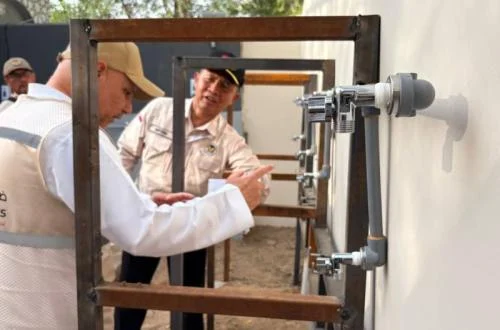
REPUBLIKA.CO.ID, MAKKAH – The comprehensive infrastructure development across the sacred sites of Arafah, Muzdalifah, and Mina, collectively known as Armuzna, is on an accelerated trajectory to achieve full operational readiness by H-5, marking five days before the zenith of the annual Hajj pilgrimage. This ambitious undertaking, spearheaded by the Saudi Arabian government in close collaboration with international Hajj missions, including the Indonesian Hajj Organizing Committee (PPIH), is poised to introduce a new paradigm of comfort, safety, and efficiency for millions of pilgrims converging on the Holy Land. A suite of advanced facilities, meticulously designed to mitigate historical challenges and elevate the pilgrim experience, is being rapidly deployed and finalized.
The Critical Countdown: H-5 Deadline and Unprecedented Preparations
The countdown to the peak of the Hajj, particularly the pivotal ritual of Wukuf in Arafah, underscores the urgency and scale of the preparatory efforts. The H-5 deadline is not merely an arbitrary benchmark but a strategic imperative to ensure all logistical and infrastructural components are flawlessly integrated and tested well in advance of the massive influx of pilgrims. This critical window allows for final inspections, minor adjustments, and the deployment of necessary personnel, guaranteeing a seamless transition into the sacred days of Dhul Hijjah.
Muftiono, the Head of the Pilgrim Protection Division (Linjam) of the PPIH Saudi Arabia, expressed profound optimism regarding the progress. "During our initial inspections, the progress was around 60 percent. However, today, Alhamdulillah, the transformation is truly remarkable," Muftiono stated in Jakarta on Friday. This rapid acceleration reflects an intensive, round-the-clock effort by various stakeholders, including Saudi service providers (syarikah), local authorities, and Hajj mission representatives, to meet the stringent deadlines. The commitment to achieving full readiness within this tight timeframe highlights the paramount importance placed on pilgrim welfare. The significant leap from 60% to near completion within a relatively short period speaks volumes about the dedication and resources being poured into this monumental task. It also suggests an adaptive and responsive project management approach, capable of overcoming initial bottlenecks and accelerating progress as the deadline looms.
Addressing Historical Challenges: A New Era of Pilgrim Comfort
For centuries, the Hajj pilgrimage, particularly the stay in Armuzna, has presented formidable logistical and environmental challenges. The sheer volume of pilgrims, coupled with the often-harsh desert climate, has historically led to issues such as overcrowding, inadequate sanitation, and discomfort due to extreme temperatures. These challenges, while integral to the spiritual test of Hajj for many, have also spurred continuous innovation and investment from the Saudi government to enhance the pilgrimage experience.
The current wave of infrastructural improvements represents a significant leap forward in addressing these persistent issues. The enhancements are not merely superficial but delve into fundamental aspects of pilgrim well-being, aiming to provide an environment that supports stamina, health, and spiritual focus. By proactively tackling common pain points, authorities seek to ensure that pilgrims can concentrate on their devotions without undue physical strain or distraction. This proactive approach is a testament to the evolving philosophy of Hajj management, which increasingly prioritizes pilgrim comfort and safety as foundational elements of a successful spiritual journey.
Arafah Transformed: Enhanced Shelters and Climate Control
Arafah, the vast plain where pilgrims spend the day of Wukuf, is undergoing the most visible and impactful transformations. The tents, which serve as temporary shelters for hundreds of thousands, have been significantly upgraded. A crucial innovation this year is the installation of a thick, additional floor structure beneath the carpets and foam mattresses in every tent. This robust base serves a dual purpose: it effectively levels the uneven ground surface, providing a more stable and comfortable foundation, and crucially, it acts as a barrier against the intense ground heat. The desert floor, especially during midday, can radiate scorching temperatures, and this elevated flooring is designed to mitigate that discomfort, creating a cooler microclimate within the tents.
Beyond the flooring, climate control has been a top priority, acknowledging the escalating global temperatures and the potential health risks for pilgrims. Each tent is now equipped with two to three high-capacity air conditioning (AC) units. This substantial increase in cooling capacity is a direct response to anticipated extreme weather conditions, ensuring that pilgrims remain hydrated and protected from heatstroke. The provision of individual amenities has also seen a significant boost: every pilgrim is now guaranteed a complete bedding set, including a comfortable mattress, pillow, bedsheet, and blanket. These seemingly minor details collectively contribute to a far more restful and recuperative environment, essential for pilgrims who undertake physically demanding rituals.
The deployment of such extensive climate control and comfort provisions across hundreds of thousands of square meters in Arafah is a logistical marvel. It involves not only the physical installation of units but also the establishment of a robust power infrastructure to support them, a complex network of generators, and distribution systems. This level of detail in planning and execution underscores the commitment to ensuring every pilgrim, regardless of their physical condition, can endure the peak Hajj days with dignity and relative ease.
Muzdalifah and Mina: Ensuring Seamless Transitions and Comfort
While the focus on Arafah is intense, improvements extend throughout the Armuzna sequence. Though Muzdalifah primarily serves as an open-air resting point, improvements here often relate to smoother movement, lighting, and accessibility to basic facilities. The major infrastructural efforts continue into Mina, the city of tents, where pilgrims spend several days performing the symbolic stoning of the Jamarat.
In Mina, the comprehensive checks include the quality of mattresses and other support facilities. PPIH teams conduct meticulous inspections, scrutinizing every detail to ensure compliance with stipulated standards. Any minor deficiencies identified are immediately brought to the attention of the service providers (syarikah) for prompt resolution. This proactive problem-solving mechanism, involving direct communication and immediate action, is vital to ensure that all arrangements are finalized before the massive movement of pilgrims commences. The continuous oversight from PPIH and other Hajj missions acts as a critical quality control layer, ensuring that promises of improved facilities translate into tangible benefits on the ground. The logistical challenge in Mina is unique, given its semi-permanent tent city structure and the need to accommodate pilgrims for multiple days, making the quality of bedding and essential services paramount for sustained well-being.
Revolutionizing Sanitation: A Priority for Health and Dignity
One of the most significant and welcomed innovations this year is the overhaul of sanitation facilities, specifically designed to drastically reduce the perennial problem of long queues. Historically, inadequate toilet facilities and prolonged waiting times have been a major source of discomfort and a significant public health concern during Hajj. The new approach addresses this multi-faceted problem with innovative and inclusive solutions.
Beyond the standard provision of both squat and seated commodes, a groundbreaking addition is the installation of supplementary urinal frames outside the main toilet cubicles, specifically for male pilgrims. This pragmatic solution is expected to significantly ease congestion, particularly during peak times, by providing a quick and efficient alternative for a common need. The design philosophy behind these improvements is not just about increasing numbers but about optimizing flow and accessibility.
Furthermore, the toilet facilities have been designed with inclusivity in mind, featuring dedicated pathways and accessible cubicles for pilgrims with disabilities. This crucial addition ensures that all pilgrims, regardless of their physical challenges, can access essential facilities with dignity and ease. The emphasis on inclusivity reflects a broader commitment to making the Hajj accessible and comfortable for everyone. The provision of ample, clean, and accessible sanitation facilities is a cornerstone of public health management during mass gatherings, preventing the spread of diseases and enhancing the overall comfort level of pilgrims. This improvement is likely to have a profound positive impact on the overall pilgrim experience, mitigating a long-standing source of frustration and discomfort.
Safety and Surveillance: A Secure Environment for Worship
Ensuring the safety and security of millions of pilgrims is a paramount concern for Saudi authorities and international Hajj missions. In Arafah, a key enhancement in this regard is the installation of a comprehensive network of closed-circuit television (CCTV) cameras along the corridors between tents. These cameras operate continuously, 24 hours a day, providing real-time surveillance across the vast encampment.
This advanced monitoring system serves multiple critical functions. It enhances security by deterring potential illicit activities and allows for rapid identification and response to any incidents. It also aids in crowd management, helping authorities to monitor pilgrim movements, identify areas of congestion, and facilitate emergency responses. The constant surveillance ensures a safer environment, allowing pilgrims to focus on their spiritual journey with peace of mind. This technological integration into the Hajj infrastructure highlights a modern approach to managing large-scale events, leveraging digital tools to enhance physical security and operational efficiency. The data gathered from these systems can also inform future planning, leading to continuous improvements in safety protocols and crowd management strategies.
The Human Element: PPIH’s Diligence and Collaboration
The success of these infrastructural improvements hinges not only on the physical installations but also on the meticulous oversight and dedicated efforts of human teams. The PPIH, with figures like Muftiono at the helm, plays a critical role in representing the interests of Indonesian pilgrims and ensuring that contracted services meet expectations. Their teams conduct rigorous, on-the-ground inspections, acting as vital liaisons between the pilgrims’ needs and the service providers.
This collaborative model, where Hajj missions work in tandem with Saudi authorities and private syarikah (companies contracted to provide services), is fundamental to the Hajj ecosystem. The PPIH’s proactive engagement in identifying shortcomings and working directly with the syarikah for immediate rectification exemplifies a commitment to quality assurance. This constant vigilance ensures that any deviations from agreed standards are addressed promptly, minimizing potential disruptions to the pilgrims’ experience. The Indonesian government, through PPIH, has historically invested heavily in the welfare of its pilgrims, often setting benchmarks for other Hajj missions in terms of service provision and advocacy.
The Hajj Experience: Impact on Pilgrim Well-being and Spirituality
Ultimately, the goal of these extensive infrastructural enhancements is to enrich the Hajj experience itself. By providing a more comfortable, safer, and healthier environment, authorities aim to enable pilgrims to conserve their physical and mental energy, allowing them to perform the demanding rituals of mabit (staying overnight in Muzdalifah and Mina) and Wukuf (standing in Arafah) with greater devotion and focus.
Reduced physical discomfort, lessened anxiety over sanitation, and a sense of security contribute significantly to the psychological well-being of pilgrims. When basic needs are met efficiently, pilgrims are better able to internalize the spiritual significance of each rite, fostering a deeper connection to their faith. The demanding nature of Hajj requires immense stamina, and any measure that helps maintain pilgrim health and vitality is invaluable. These improvements are designed to transform what could be physically grueling into a more manageable and spiritually uplifting journey, allowing pilgrims to return home not just spiritually renewed but also physically intact.
Broader Implications and Future Outlook
The continuous evolution of Hajj infrastructure reflects Saudi Arabia’s unwavering commitment to its role as the Custodian of the Two Holy Mosques and its ambitious Vision 2030, which includes significantly increasing the capacity for Hajj and Umrah pilgrims. The improvements in Armuzna are part of a broader, multi-year strategy to modernize and expand facilities across all sacred sites, leveraging technology and innovative urban planning.
These enhancements also carry significant implications for international Hajj management. They set new standards for pilgrim welfare, potentially encouraging other countries and service providers to elevate their own offerings. The experience gained from implementing such large-scale projects in a short timeframe provides invaluable lessons for future endeavors, not just for Hajj but for other mega-events globally. The focus on sustainability, accessibility, and technology integration signals a forward-thinking approach that seeks to balance tradition with modernity, ensuring the Hajj remains accessible and meaningful for generations to come. The long-term vision includes smart city concepts, advanced transportation networks, and eco-friendly solutions to manage the environmental footprint of such a massive annual gathering.
Hajj 2024: Key Figures and Logistical Scale
The Hajj 2024 (1445 Hijri) is expected to draw millions of pilgrims from around the world. Indonesia, with the largest Muslim population globally, consistently sends the highest number of pilgrims, with its quota for 2024 reaching approximately 241,000 individuals. This substantial contingent underscores the immense responsibility of the PPIH and the scale of the logistical operations required.
The peak rituals are scheduled around the 8th to 12th of Dhul Hijjah. Wukuf in Arafah, the most crucial rite, typically occurs on the 9th of Dhul Hijjah. Following this, pilgrims move to Muzdalifah for an overnight stay, then proceed to Mina for the ritual of stoning the Jamarat. The precise dates vary annually based on the lunar calendar, but for 2024, these critical days are anticipated to fall in mid-June. The sheer number of tents, AC units, sanitation facilities, and bedding materials required to accommodate this global congregation in Armuzna for these few intense days represents one of the largest temporary city deployments on Earth, a testament to intricate planning and execution on an unparalleled scale. The success of these preparations is not just about comfort; it is about facilitating a safe, healthy, and spiritually fulfilling journey for every pilgrim.