Nasution Nanang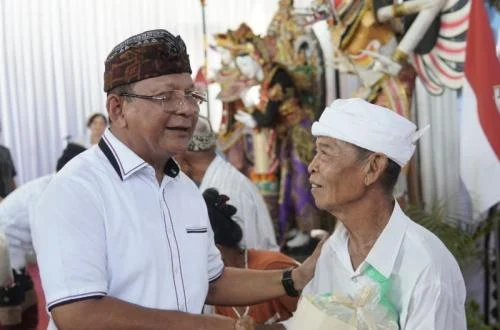
Buleleng Regency, Bali, under the decisive leadership of Regent Nyoman Sutjidra, has officially declared Gerokgak District a strategic zone for the comprehensive development of agriculture and horticulture, a pivotal move aimed at strengthening national food security. The significant announcement, made following a Dharma Santi event at the Adat Gerokgak Village Multipurpose Building in Buleleng on a recent Saturday, underscores the administration’s unwavering commitment to leveraging the region’s vast untapped potential in primary food production. This ambitious initiative is strategically aligned with broader national efforts to ensure sustainable food supply chains, mitigate the pervasive impacts of global food volatility, and, crucially, enhance the economic well-being and prosperity of local farming communities across the archipelago.
National Imperative for Food Security Amidst Global Challenges
Indonesia, a nation grappling with a burgeoning population that now exceeds 270 million, faces an increasingly urgent imperative to bolster its domestic food security. The confluence of factors such as rapid demographic expansion, the escalating threats of climate change, and persistent disruptions in global supply chains has elevated food self-sufficiency to a top-tier national priority. The Indonesian government, through its long-term vision encapsulated in policies like Nawacita and various National Food Security Programs, has consistently emphasized the critical role of robust domestic agricultural production. The Ministry of Agriculture, in particular, spearheads numerous strategic plans designed to enhance productivity, diversify food sources, and strengthen the resilience of the nation’s food systems.
At the heart of this national strategy lies the decentralized approach, empowering regional governments to identify and develop their unique agricultural strengths. Provinces and regencies are increasingly tasked with contributing directly to national food reserves, fostering local economic growth through agriculture, and creating stable food markets. This framework allows for tailored interventions that respond to specific regional ecologies and socio-economic conditions, making the designation of areas like Gerokgak in Buleleng not merely a local decision but an integral component of a much larger national strategy.
Buleleng’s Strategic Role in Bali’s Agricultural Landscape
Buleleng, situated on the northern coast of Bali, holds a distinct geographical advantage that positions it as a significant contributor to the island’s agricultural output. Unlike the more tourism-centric southern regions, Buleleng boasts a remarkable diversity in its landscape, ranging from fertile coastal plains to verdant mountainous terrains. This topographical variance provides microclimates suitable for cultivating a wide array of crops, from staple grains to high-value horticultural products. While Bali is globally renowned for its tourism, the agricultural sector remains a fundamental pillar of its economy, particularly in regencies like Buleleng, Karangasem, and Jembrana.
The current initiative to designate Gerokgak as a strategic food security zone further solidifies Buleleng’s reputation as a key agricultural powerhouse within Bali. The regency has long been a producer of various commodities, but this new focus on Gerokgak aims to elevate its contribution, not just quantitatively but also qualitatively, by focusing on high-demand, high-value crops. Buleleng’s selection as one of 13 key food security districts nationally underscores its recognized potential and the central government’s confidence in its capacity to deliver on this critical mandate. This recognition also implies potential access to central government funding, technical assistance, and policy support, vital for the success of such an ambitious undertaking.
Why Gerokgak? A Deep Dive into Its Potential and Current Profile
The selection of Gerokgak District as the epicenter for this strategic development is far from arbitrary; it is predicated on a careful assessment of its unique attributes and inherent potential. Regent Sutjidra explicitly highlighted Gerokgak’s "large land availability," a crucial factor for expanding agricultural production on a significant scale. Unlike many densely populated areas in Bali, Gerokgak still possesses substantial tracts of undeveloped or underutilized land that can be converted into productive agricultural zones without encroaching excessively on existing settlements or protected areas.
Furthermore, the district’s climate and soil conditions are particularly conducive to the cultivation of specific high-value horticultural crops. Its dry tropical climate, tempered by coastal influences and proximity to water sources, creates an ideal environment for fruits like mangosteen and certain varieties of durian, as well as essential vegetables. The presence of Bendungan Gerokgak (Gerokgak Dam) is another critical asset, offering a reliable source of irrigation water, which is often a limiting factor in agricultural expansion in other regions.
Beyond raw production, Gerokgak’s strategic vision encompasses the development of integrated agri-food industries. This means not just growing crops but also establishing facilities for processing, packaging, and logistics. Such integration would add significant value to raw agricultural products, reduce post-harvest losses, and create a more robust and resilient supply chain. Currently, Gerokgak’s agricultural profile includes a mix of dryland farming, some irrigated rice paddies, and limited horticultural plots. The new plan seeks to systematically enhance and diversify this profile, transitioning towards more intensive, market-oriented, and sustainable farming practices.
Developing Key Commodities for Sustainable Economic Growth
The Buleleng administration has pinpointed four primary commodities for focused development within the strategic food security zone: durian, mangosteen, shallots, and green vegetables. This selection reflects a dual strategy: cultivating high-value export-oriented fruits and ensuring the stable supply of essential domestic staples.
-
Durian and Mangosteen: These two fruits represent the high-value segment of the plan. Durian, often hailed as the "King of Fruits," commands significant market prices both domestically and internationally. The plan specifically targets the development of high-quality varieties, potentially including local Balinese durians known for their unique flavor profiles, alongside popular international cultivars like Musang King or Black Thorn, which have strong export potential. Mangosteen, the "Queen of Fruits," is equally prized for its exquisite taste and health benefits. Both fruits require specific climatic conditions and careful cultivation techniques. The plan strategically allocates durian development to Kecamatan Busungbiu and Seririt, areas known for their suitable terrain and existing fruit cultivation, while Gerokgak is designated for mangosteen expansion. This specialization allows for optimized resource allocation and expertise development. The economic impact on farmers cultivating these high-value crops could be transformative, providing substantially higher incomes compared to traditional subsistence farming. This also opens avenues for value chain development, including fruit processing into jams, purees, or frozen products, extending shelf life and market reach.
-
Shallots and Green Vegetables: These commodities address the critical need for stable supply of daily staples and fresh produce. Shallots are a fundamental ingredient in Indonesian cuisine, and their supply often experiences price volatility. By increasing local production in Gerokgak, Kubutambahan, and Sawan, the regency aims to stabilize prices and reduce reliance on external supplies. The cultivation of various green vegetables—such as spinach, kale, bok choy, and various local leafy greens—will cater to local consumption and promote healthier diets. The strategy for these crops involves promoting intensive farming practices, potentially utilizing modern techniques like protected cultivation (e.g., greenhouses) to ensure consistent yields and protect against pests and adverse weather. These crops have shorter growth cycles, allowing for quicker returns and more frequent harvests, which can significantly boost farmers’ regular income.
The overarching approach is an integrated one, promoting crop rotation, intercropping, and diversification. This not only enhances soil health and reduces the risk of pest outbreaks but also provides farmers with multiple income streams, making their livelihoods more resilient to market fluctuations or crop failures in a single commodity.
Infrastructure as the Backbone: Water and Access for Sustainable Agriculture
The success of any large-scale agricultural initiative hinges critically on robust infrastructure, particularly water management and logistical access. The Buleleng administration has outlined clear plans to leverage and enhance these vital components in Gerokgak.
-
Bendungan Gerokgak (Gerokgak Dam): This existing dam is identified as a cornerstone of the agricultural expansion. Regent Sutjidra emphasized that "the area along the dam’s flow has potential land and good water availability." The dam’s primary role will be to provide a consistent and controlled water supply for irrigation, which is paramount for high-yield horticulture, especially during dry seasons. Detailed plans will likely involve assessing the dam’s current capacity, optimizing its water distribution network, and potentially implementing modern irrigation technologies such as drip irrigation or sprinklers to maximize water efficiency and minimize waste. Reliable water access is a game-changer for farmers, allowing them to cultivate multiple crops annually and reduce their vulnerability to drought.
-
Irrigation Networks and Farmer Access Roads (Jalan Usaha Tani): The plan includes the rehabilitation and expansion of existing irrigation networks and the construction of new ones. Efficient irrigation channels ensure that water from Bendungan Gerokgak reaches all designated agricultural plots effectively. Equally crucial is the improvement of "Jalan Usaha Tani" or farmer access roads. These roads are vital for transporting agricultural inputs to farms and, more importantly, for bringing harvested produce to markets efficiently. Poor road infrastructure often leads to higher transportation costs, longer travel times, and significant post-harvest losses due to damage or spoilage. By improving these roads, the government aims to reduce logistics bottlenecks, enhance market access for farmers, and ultimately increase the profitability of their endeavors. These infrastructure improvements are anticipated to receive substantial support through central government programs, reflecting their national strategic importance.
-
Embung (Retention Ponds): Looking to the future, Buleleng is also exploring opportunities for the construction of new embung (retention ponds). These smaller, localized water reservoirs serve multiple critical purposes: they can collect rainwater during the wet season, store excess water for use during dry periods, and supplement the main irrigation system. Embung are particularly valuable in hilly or undulating terrains where traditional canal irrigation might be challenging. They enhance water security at the local level, provide resilience against localized droughts, and support sustainable water management practices, aligning with the broader goals of environmental stewardship.
Economic and Social Implications: A Catalyst for Regional Development
The strategic designation of Gerokgak as a food security zone is poised to generate significant economic and social benefits, extending far beyond the immediate agricultural sector.
-
Farmer Empowerment and Increased Income: At its core, the initiative aims to empower local farmers. By providing access to improved infrastructure, high-quality seeds, technical training in modern agricultural practices, and better market linkages, farmers can expect higher yields and better prices for their produce. This directly translates to increased household incomes, enabling them to improve their living standards, invest in education for their children, and contribute more robustly to the local economy.
-
Job Creation: The expansion of agricultural activities will create numerous direct jobs in farming, from land preparation and planting to harvesting and post-harvest handling. Furthermore, the development of integrated agri-food industries—such as processing plants, cold storage facilities, and packaging units—will generate indirect employment opportunities. The demand for logistics, transportation, and agricultural support services will also grow, contributing to overall employment generation in the district.
-
Local Economic Diversification: Bali’s economy has historically been heavily reliant on tourism. While tourism remains vital, the COVID-19 pandemic starkly highlighted the vulnerabilities of an undiversified economy. This agricultural initiative provides a crucial avenue for economic diversification in Buleleng, creating a more resilient and balanced economic structure less susceptible to external shocks. A thriving agricultural sector can provide a stable economic base, complementing the tourism industry.
-
Food Price Stability and Availability: By significantly boosting local production of essential commodities like shallots and green vegetables, the initiative will contribute to greater food price stability within the regency and potentially across Bali. Increased local supply reduces dependence on external sources, which can be prone to price fluctuations and supply chain disruptions, ultimately benefiting local consumers through more affordable and consistent access to fresh produce.
-
Attracting Investment: The designation of Gerokgak as a strategic zone, coupled with government support and infrastructure improvements, is likely to attract private sector investment. This could come from agri-business companies looking to invest in large-scale farming, food processing, or agricultural technology. Such investments would bring capital, expertise, and market access, further accelerating the development of the sector.
Addressing Challenges and Ensuring Long-Term Sustainability
While the prospects are promising, the implementation of such an ambitious plan is not without its challenges. Proactive strategies are essential to ensure long-term sustainability and success.
-
Climate Change Adaptation: Buleleng, like many coastal regions, is vulnerable to the impacts of climate change, including changing rainfall patterns, prolonged dry seasons, and potential sea-level rise. The agricultural plan must incorporate climate-resilient practices, such as promoting drought-resistant crop varieties, enhancing water-use efficiency through modern irrigation, and developing early warning systems for extreme weather events.
-
Market Access and Value Addition: Beyond production, ensuring that farmers can access lucrative markets is crucial. This involves developing robust post-harvest handling facilities, including cold storage and packaging, to maintain product quality. Establishing direct farmer-to-consumer models, leveraging e-commerce platforms, and exploring export opportunities for high-value crops like durian and mangosteen will be vital for maximizing returns. Investment in local processing facilities will add significant value, transforming raw produce into finished goods with longer shelf lives.
-
Land Use Planning and Environmental Protection: Sustainable land use planning is paramount to prevent land degradation, protect biodiversity, and ensure the long-term viability of agricultural lands. Strict regulations must be enforced to prevent the conversion of prime agricultural land for non-agricultural purposes. The adoption of organic farming principles and integrated pest management (IPM) will minimize the use of harmful chemicals, protecting both the environment and consumer health.
-
Funding and Policy Support: The success of the Gerokgak initiative will depend on sustained financial commitment from both the regional and national governments. Consistent policy support, including favorable agricultural policies, subsidies for farmers, and access to affordable credit, will also be critical.
-
Human Resources and Capacity Building: Investing in the human capital of the agricultural sector is fundamental. This includes providing ongoing training and education programs for farmers on modern cultivation techniques, farm management, financial literacy, and market dynamics. Empowering farmer cooperatives and associations will also enhance collective bargaining power and knowledge sharing.
A Phased Approach: Timeline and Monitoring for Success
The strategic development of Gerokgak is envisioned as a multi-phased endeavor, requiring meticulous planning, execution, and continuous monitoring. The initial phase, which includes the assessment and mapping of potential agricultural lands, appears to be largely complete, informing the current strategic designations.
The subsequent phase will focus heavily on infrastructure development, including the rehabilitation and expansion of irrigation networks from Bendungan Gerokgak, the construction of new embung, and the improvement of farmer access roads. This phase, likely spanning several years, will benefit significantly from central government support and funding. Concurrently, the seedling and cultivation phase will commence, with the distribution of high-quality seeds and planting materials for the designated commodities. This will be coupled with extensive training programs for local farmers.
Ongoing monitoring and evaluation will be critical to track progress against key performance indicators, such as yield increases, farmer income growth, market penetration, and the overall impact on regional food security. Regular assessments will allow the Buleleng administration to make necessary adjustments, address emerging challenges, and optimize resource allocation. The long-term vision is for Gerokgak to evolve into a model food estate, showcasing integrated, sustainable, and profitable agricultural practices that can be replicated in other regions.
Statements from Stakeholders and Future Outlook
Regent Nyoman Sutjidra’s announcement has been met with positive anticipation among various stakeholders. While direct quotes from farmers and experts are yet to be widely published, it is logically inferred that local farmer cooperatives and associations would welcome this initiative, especially given the promise of improved infrastructure, technical support, and potentially higher incomes from high-value crops. Provincial agricultural agencies are also expected to lend their full support, aligning with Bali’s broader agricultural development goals. Partnerships with research institutions and universities could also be forged to provide scientific expertise in crop development, sustainable farming practices, and pest management.
In conclusion, Buleleng’s designation of Gerokgak as a strategic food security zone represents a forward-thinking and comprehensive approach to bolstering national agricultural resilience. By focusing on high-value commodities, investing in critical infrastructure, empowering local communities, and embracing sustainable practices, this initiative holds immense promise. It is poised to not only significantly enhance food security for Bali and Indonesia but also to serve as a powerful catalyst for socio-economic development, creating a more prosperous, resilient, and agriculturally vibrant future for the region.